Introduction to Health Protection During Occupied Building Renovations
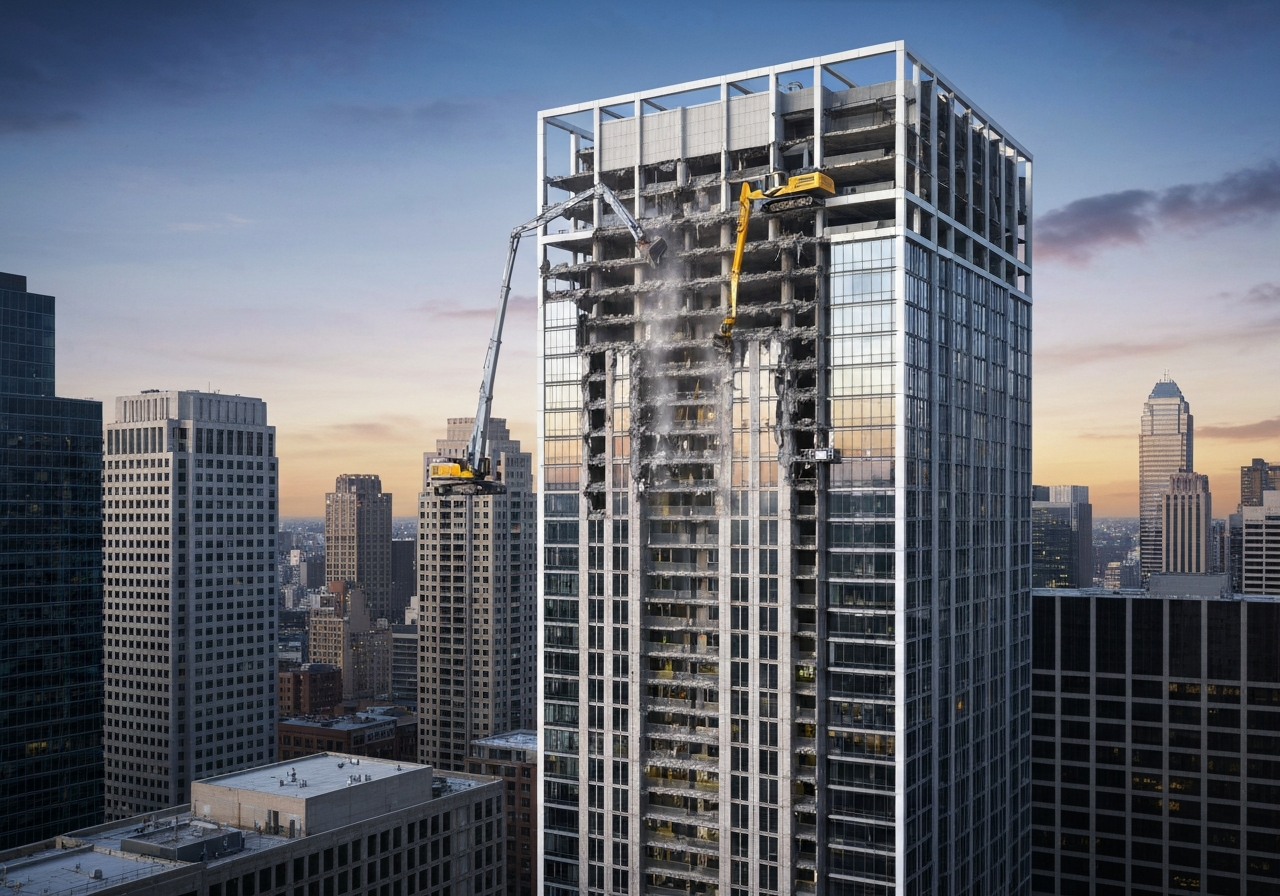
Undertaking renovations in occupied buildings presents unique challenges, particularly when it comes to safeguarding the health of occupants and workers. The delicate balance between improving a space and maintaining a safe indoor environment requires meticulous planning and stringent adherence to safety protocols. Ensuring health protection during occupied building renovations is paramount, as construction activities can inadvertently release a myriad of hazardous materials and airborne contaminants.
Unseen Threats: Identifying Health Risks in Active Renovation Zones
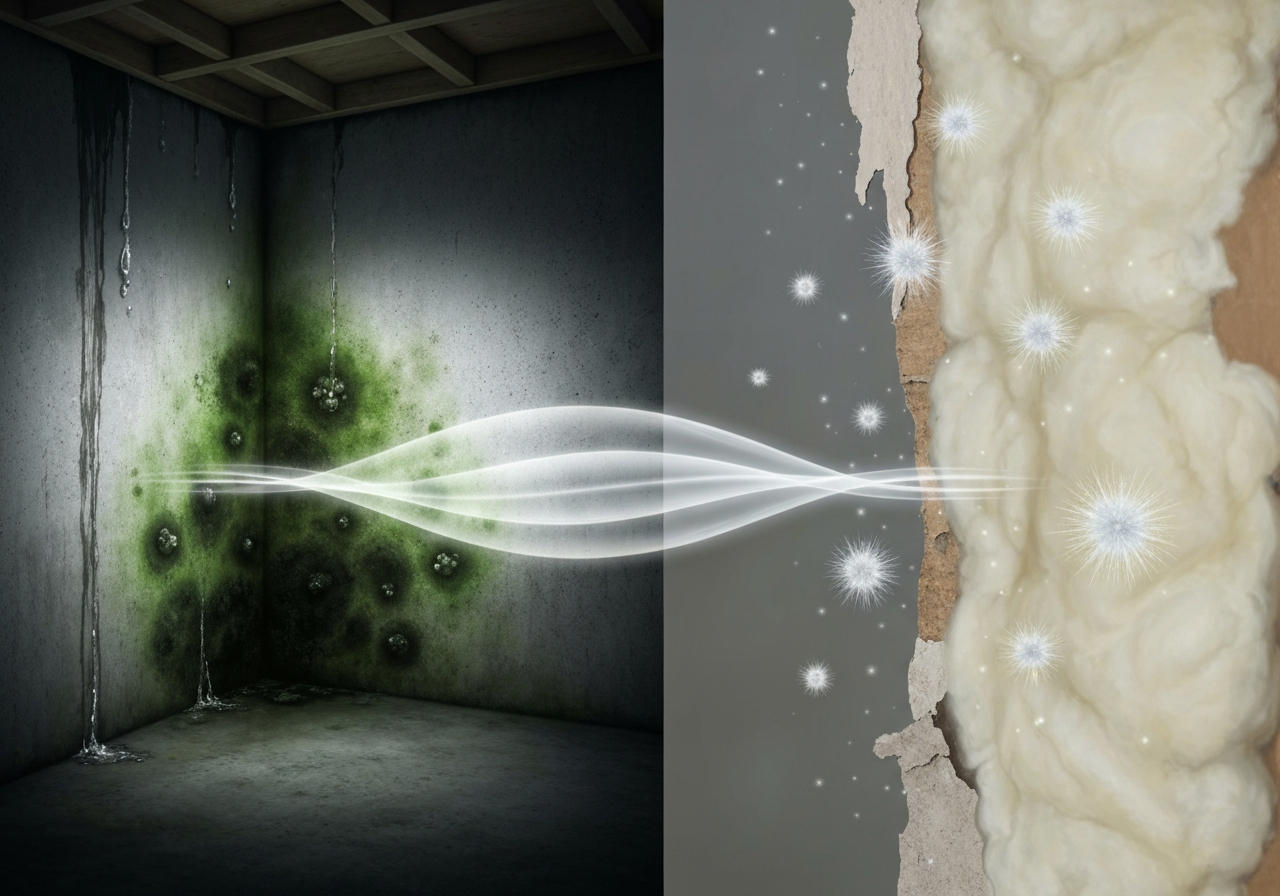
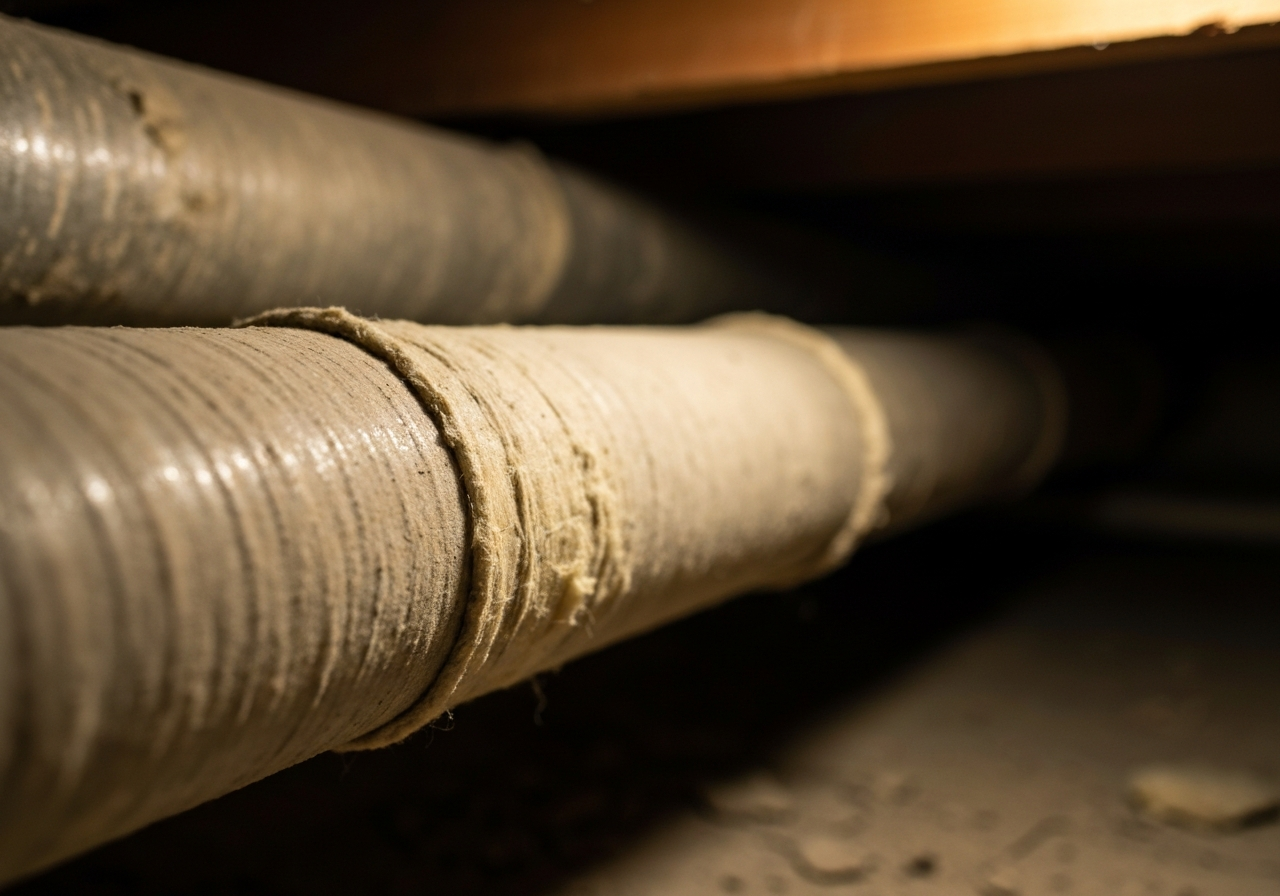
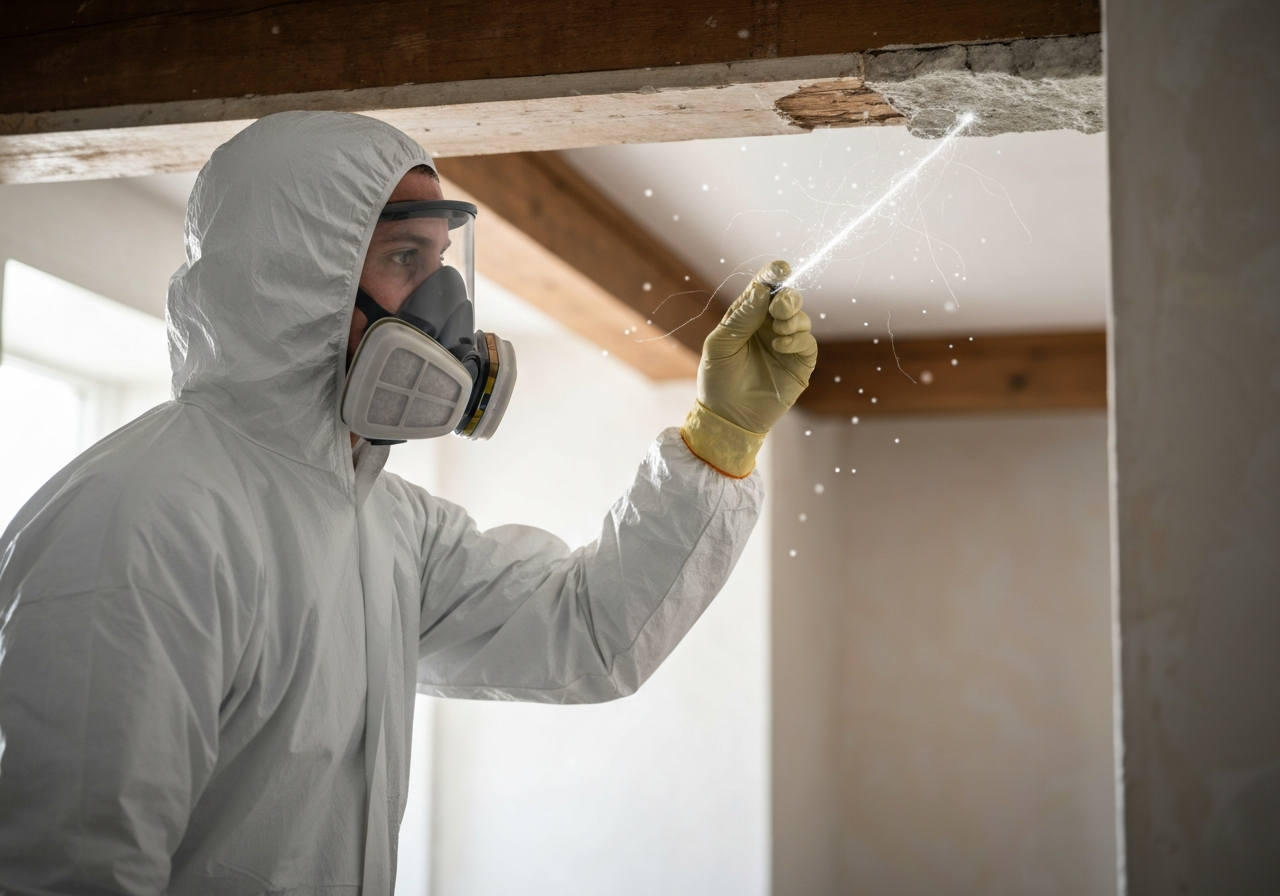
Active renovation zones can harbor numerous unseen threats that pose significant health risks. Disturbing existing building materials can release hazardous substances like asbestos, lead, and mold spores into the air. For instance, older buildings often contain asbestos in materials such as floor tiles, insulation, and roofing, which, when disturbed, can release microscopic fibers leading to severe respiratory diseases, including lung cancer and mesothelioma. Lead-based paint, common in structures built before 1978, can generate hazardous dust during scraping or sanding, particularly harmful to children. Mold, often resulting from moisture intrusion or high humidity, can produce allergens and mycotoxins that trigger respiratory issues and allergic reactions. Furthermore, construction and renovation activities themselves generate dust and volatile organic compounds (VOCs) from paints, adhesives, and sealants, contributing to poor indoor air quality. In fact, research indicates that indoor pollutant levels can be two to five times higher than outdoor levels, emphasizing the need for robust control measures when undertaking projects in occupied buildings, according to a comprehensive review of indoor air quality research. This underscores the potential for degraded indoor air quality and highlights why understanding pollution sources and health impacts is critical.
Strategic Containment: Physical Barriers and Isolation Techniques
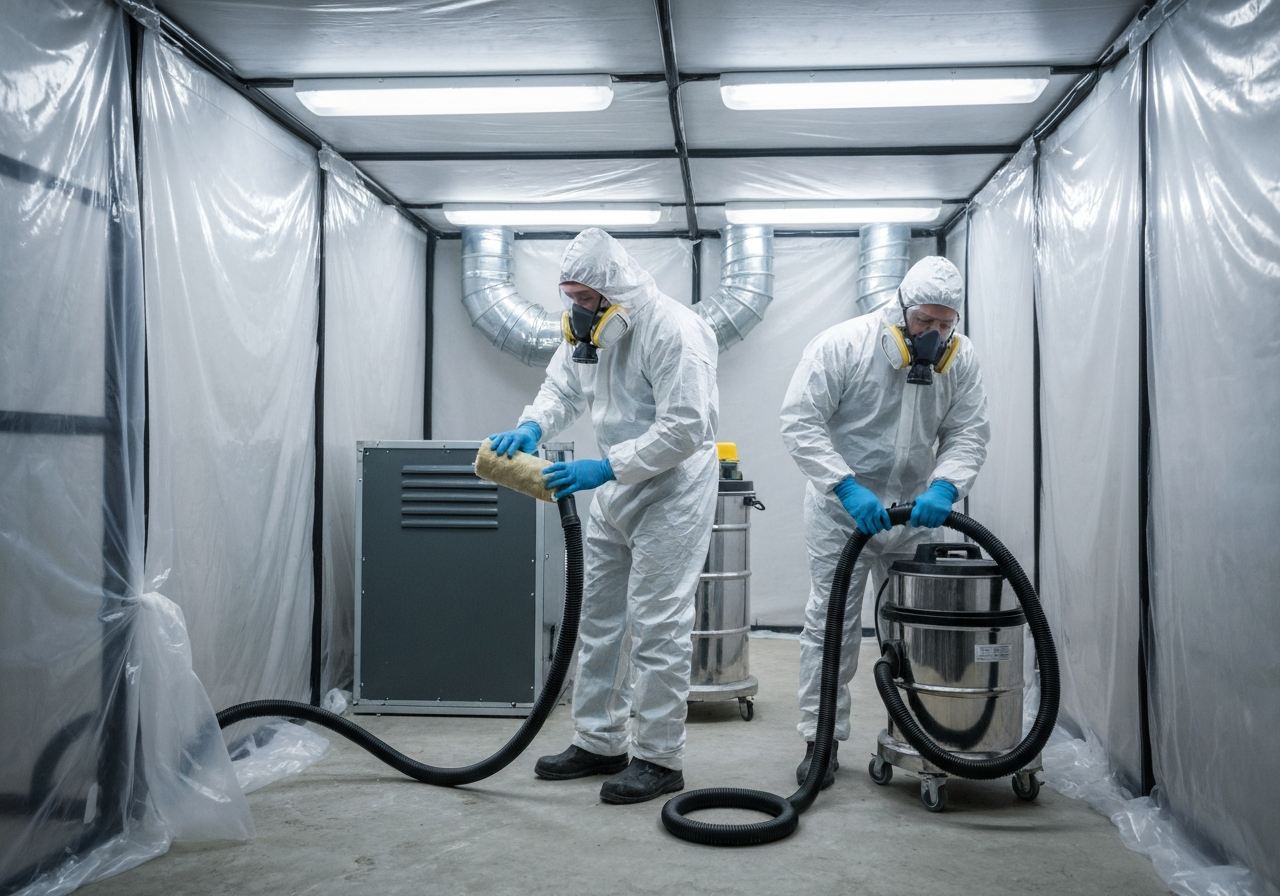
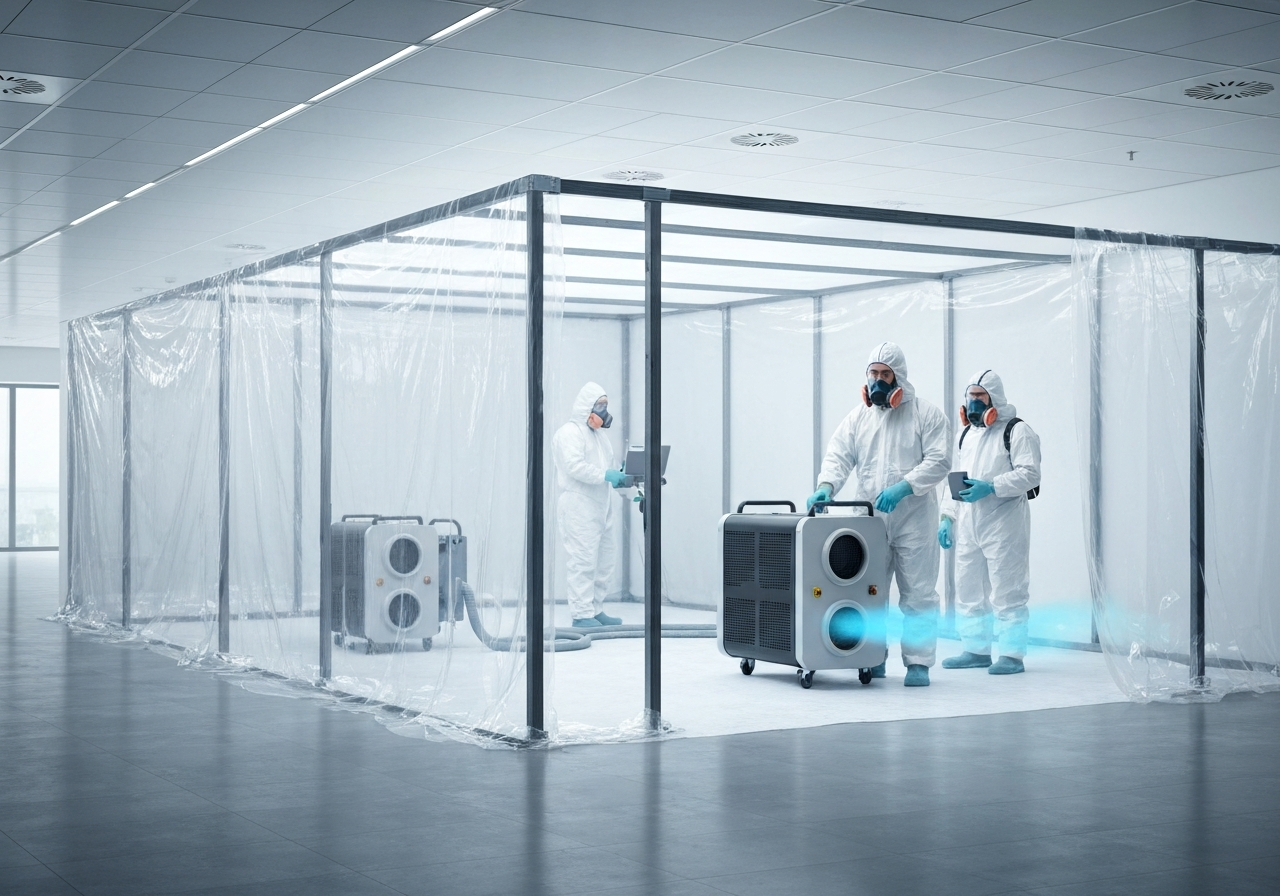
Effective containment is the cornerstone of health protection during occupied building renovations. Implementing strategic physical barriers and isolation techniques is crucial to prevent the spread of dust, debris, and airborne contaminants to occupied areas. This typically involves sealing off the work zone with heavy-duty plastic sheeting, creating a complete enclosure. Negative air pressure machines, equipped with High-Efficiency Particulate Air (HEPA) filters, are used to draw air into the containment area, ensuring that contaminated air does not escape into clean spaces. Decontamination units for workers exiting the work zone are also essential to prevent tracking hazards. The type and rigor of containment measures depend heavily on the nature of the hazardous materials being disturbed and the project’s scope, with multi-layered barriers and strict air pressure differentials being standard for asbestos removal. For example, specific guidance highlights the importance of sealing all ductwork, registers, and diffusers with plastic when not in service and ensuring unfinished duct runs are sealed daily to keep contaminants out of the HVAC system, as described in detailed IAQ management plans for construction projects. Piedmont Quality Air’s approach to interior demolition prioritizes these measures, noting their ability to manage projects in occupied spaces like offices, malls, or hospitals with minimal disruption, emphasizing the creation of a clean and contained work area. The importance of these measures is reinforced by incidents where unauthorized demolitions exposed individuals to hazardous materials, emphasizing the need for professional management and strict adherence to established policies in older structures.
Optimizing Indoor Air Quality: Ventilation and Pressurization Strategies
Maintaining optimal indoor air quality (IAQ) throughout occupied building renovations demands sophisticated ventilation and pressurization strategies. Beyond physical barriers, a well-designed HVAC system or supplementary units play a critical role in controlling airborne pollutants. The strategic use of negative air pressure within the construction zone ensures that air flows from clean occupied areas into the work zone, where contaminants can be captured and exhausted. This prevents the migration of dust, mold spores, and other hazardous particles into adjacent occupied spaces. All exhaust from the work area should ideally be directed outdoors, away from fresh air intakes. Where outdoor venting is not feasible, specialized HEPA-filtered recirculation units can be used in unoccupied areas with careful consideration. The integration of high-efficiency filtration, such as MERV 13 filters or HEPA units, is vital to scrub the air of particulates, including viral particles as small as SARS-CoV-2, which are typically trapped in larger respiratory droplets. These filters can significantly increase the “equivalent clean air supply” and drastically reduce the time needed to clear contaminants from a space, a critical factor for maintaining occupant safety. Furthermore, proper humidity control is essential to prevent mold growth, which thrives in damp environments often exacerbated by construction moisture. Expertise in healthcare settings highlights that infection preventionists should be involved from the inception of a project to proactively incorporate design elements that support infection control, such as specialized HVAC systems, airborne-infection isolation rooms (AIIRs), and protective environment rooms, rather than solely focusing on construction activity mitigation. Infection control risk assessments (ICRAs) are crucial for designing these protective strategies.
Minimizing Disruption: Scheduling, Communication, and Occupant Safety Protocols
Minimizing disruption and ensuring occupant safety during occupied building renovations extends beyond physical controls to meticulous planning, clear communication, and well-defined safety protocols. Thoughtful scheduling of high-impact activities, such as noisy demolition or the application of VOC-emitting materials, can significantly reduce exposure. Whenever possible, these tasks should be performed during off-hours, weekends, or unoccupied periods. Prioritizing timely repairs to prevent underlying issues like leaks also proactively minimizes the potential for mold growth and hazardous material disturbance. Transparent and consistent communication with building occupants about renovation timelines, potential impacts, and safety measures is vital to manage expectations and ensure cooperation. This includes clear signage, regular updates, and designated points of contact for concerns. Occupant safety protocols should include clearly marked alternative routes, restricted access to work zones, and guidelines for personal protective equipment (PPE) if occupants must briefly enter transitional areas. The concept of worksite isolation in hospitals, for instance, emphasizes constructing airtight, fire-resistive barrier systems with adequate negative pressure and continual particle counting to verify containment, alongside rigorous fire and life safety protocols. A real-world lesson often overlooked is the importance of comprehensive training for *all* workers, not just supervisors, on infection control risk assessment (ICRA) protocols. Studies indicate that despite requirements for contractor training, it frequently does not reach the front-line workers implementing the mitigation strategies, leading to potential lapses in safety. This highlights a critical gap in ensuring consistent health protection during occupied building renovations.
Piedmont Quality Air’s Expertise: Ensuring a Safe Renovation Environment
Piedmont Quality Air stands as a trusted partner in ensuring a safe renovation environment, particularly when dealing with hazardous materials during occupied building renovations. Our expertise encompasses the precise identification, containment, and removal of dangerous substances like asbestos and mold, which are frequently encountered in older structures. We understand that effective health protection requires more than just reactive cleanup; it demands a proactive, integrated approach from the outset of any project. Our certified professionals meticulously follow federal and state regulations, including those set by the South Carolina Department of Environmental Services (SCDES), for asbestos abatement and mold remediation. We employ advanced techniques and specialized equipment, such as HEPA filtration and negative air pressure systems, to prevent cross-contamination and safeguard indoor air quality throughout the renovation process. Whether it’s comprehensive asbestos removal in Charlotte, NC, or urgent commercial mold remediation in South Carolina, our team prioritizes the well-being of building occupants and the surrounding community. We pride ourselves on minimizing disruption to daily operations while upholding the highest safety standards, making us an invaluable asset for property managers and contractors seeking a reliable and compliant partner.
Beyond DIY: Why Professional Hazardous Material Management is Essential
Attempting to manage hazardous materials like asbestos or significant mold infestations through DIY methods during occupied building renovations is fraught with peril and should be avoided. The complexities involved, coupled with severe health risks and stringent regulatory requirements, make professional hazardous material management indispensable. Without specialized training, proper personal protective equipment (PPE), and advanced containment strategies, individuals risk inadvertently spreading contaminants, significantly increasing exposure for themselves and others. For example, simply sweeping or vacuuming asbestos-containing debris with a standard vacuum can aerosolize deadly fibers throughout a building. Similarly, improper mold cleanup can disperse spores, worsening the infestation. Professional firms possess the necessary licenses, certifications, and expertise to identify, safely contain, remove, and dispose of these materials in strict accordance with federal and state laws. They understand the nuances of friable versus non-friable asbestos, the different types of mold and their remediation protocols, and the critical need for post-abatement clearance testing to verify safety. In South Carolina, specific asbestos removal laws mandate licensed professionals for most projects, underscoring the severity of the risks. Relying on experts not only ensures legal compliance and mitigates potential liabilities but, most importantly, protects human health and the environment from preventable harm. Our experience also extends to managing complex scenarios such as post-flood asbestos and mold remediation, where the risks are often compounded.
Your Next Step: Partnering with Piedmont Quality Air for Renovation Safety
Navigating occupied building renovations requires a steadfast commitment to health protection during occupied building renovations. The presence of hazardous materials like asbestos, lead, and mold, coupled with the potential for air quality degradation, necessitates a professional and meticulous approach. Piedmont Quality Air offers comprehensive services, from initial hazardous material surveys and detailed planning to expert abatement and post-remediation verification. Our adherence to stringent safety protocols, coupled with our deep understanding of federal and state regulations, ensures that your renovation project prioritizes the well-being of everyone involved. By partnering with Piedmont Quality Air, you gain a team dedicated to minimizing risks, ensuring compliance, and delivering a safe and healthy environment for your building’s occupants. Our proven track record and commitment to excellence provide peace of mind throughout the complex renovation process. For safe and compliant renovation projects in South Carolina and North Carolina, trust the experts at Piedmont Quality Air.
Ensure a safe and compliant renovation project for your occupied building. Contact Piedmont Quality Air today to discuss your hazardous material management and air quality needs.