Achieving Peace of Mind: Understanding Asbestos in Your North Carolina Property
Asbestos, a naturally occurring mineral once lauded for its heat resistance and insulating properties, is now recognized as a severe health hazard. For property owners across North Carolina, understanding the risks associated with this fibrous material is the first step toward effective Asbestos Hazard Management in North Carolina. Up until the 1980s, asbestos was widely incorporated into thousands of building materials, meaning many older homes and commercial properties in the state may still contain it. While undisturbed asbestos-containing materials (ACMs) generally pose no immediate threat, any renovation, demolition, or even routine maintenance activity can disrupt these materials, releasing microscopic fibers into the air. Inhaling or ingesting these fibers can lead to serious, long-term health complications, making proactive management crucial for the safety of occupants and compliance with state regulations.
The Hidden Dangers: Health Risks of Asbestos Exposure in North Carolina
Exposure to airborne asbestos fibers can have devastating health consequences, often manifesting years, or even decades, after initial exposure. The most commonly associated diseases include:
- Asbestosis: A chronic, non-cancerous respiratory disease characterized by scarring of the lungs, leading to shortness of breath and decreased lung function.
- Lung Cancer: Asbestos exposure significantly increases the risk of developing lung cancer, particularly in individuals who smoke.
- Mesothelioma: A rare and aggressive cancer that develops in the lining of the lungs, abdomen, or heart. Mesothelioma is almost exclusively caused by asbestos exposure.
The North Carolina Department of Labor (NCDOL) emphasizes that even low levels of exposure can be dangerous, setting a Permissible Exposure Limit (PEL) for asbestos at 0.1 fibers per cubic centimeter (f/cc) of air as an 8-hour time-weighted average. For more information on these critical health concerns and occupational exposure limits, refer to resources provided by the NCDOL on asbestos safety.
Spotting the Threat: Where Asbestos May Lurk in NC Homes and Businesses
Given its widespread historical use, asbestos can be found in a surprising array of building materials throughout North Carolina properties constructed before the 1980s. Identifying potential ACMs is crucial for preventing accidental disturbance. Common locations and materials include:
- Insulation: Attic insulation (especially vermiculite), pipe insulation, boiler insulation, and insulation around furnaces and wood-burning stoves.
- Flooring: Vinyl asbestos floor tiles, asphalt floor tiles, rubber floor tiles, linoleum, sheet vinyl, and the adhesives used for installation. Disturbing these materials, such as through sanding or scraping, can release fibers.
- Ceilings and Walls: Popcorn ceilings, ceiling tiles, soundproofing or decorative materials sprayed on walls and ceilings, patching and joint compounds for walls and ceilings, and textured paints.
- Exterior Materials: Asbestos-cement siding panels and roofing shingles. These are generally stable unless cut, drilled, or sawed, which can release fibers.
- Ductwork: Old metal duct systems often used white asbestos tape for sealing joints.
- Other Household Products: Older items like door gaskets in stoves, artificial ashes and embers in gas fireplaces, fireproof gloves, stove-top pads, and ironing board covers.
The presence of these materials does not automatically mean a health risk if they are in good condition and undisturbed. However, any planned renovation or demolition activities warrant an inspection by a licensed professional to identify and manage these potential hazards safely. Piedmont Quality Air’s expertise extends to identifying these materials and guiding property owners through the next steps (learn more about asbestos abatement services).
Navigating the Rules: Asbestos Regulations and Safety in North Carolina
Effective Asbestos Hazard Management in North Carolina is governed by a comprehensive framework of federal, state, and local regulations designed to protect both workers and the public. These rules dictate everything from initial inspection requirements to proper disposal procedures. Key aspects include:
Federal Regulations
- EPA National Emission Standards for Hazardous Air Pollutants (NESHAP): These regulations, under the Clean Air Act, primarily address asbestos emissions during demolition and renovation activities in various facility types, including commercial, public, and certain residential structures.
- OSHA Standards: The Occupational Safety and Health Administration (OSHA) sets strict standards (e.g., 29 CFR 1910.1001 for General Industry, 29 CFR 1926.1101 for Construction) to protect workers from asbestos exposure in the workplace. These include requirements for training, medical surveillance, engineering controls, personal protective equipment (PPE), and air monitoring.
North Carolina State Rules
North Carolina’s Asbestos Hazard Management Program (AHMP), part of the N.C. Department of Health and Human Services (NCDHHS), enforces state-specific rules (10A NCAC 41C .0600-.0611) that often mirror or even exceed federal requirements. These rules establish specific mandates for:
- Accreditation: Individuals and firms performing asbestos management activities in North Carolina must be accredited by the AHMP. This ensures that professionals possess the necessary training and expertise. Detailed information on accreditation requirements and fees can be found in the NCDHHS FAQs.
- Permits/Notifications: Property owners or their representatives must submit an Asbestos Permit Application and Notification for Demolition/Renovation Form to the AHMP for specific projects involving regulated asbestos-containing material (RACM), particularly for quantities exceeding certain thresholds (e.g., 160 square feet, 260 linear feet, or 35 cubic feet). Emergency removals also have specific notification protocols.
- Work Practices: Strict work practices are mandated to prevent fiber release during removal or disturbance of ACMs, emphasizing wet methods, critical barriers, and proper containment.
- Air Monitoring and Clearance: For permitted asbestos removals in public areas, clearance air sampling is required to ensure airborne fiber levels are below regulatory limits before re-occupancy. The type of analysis (e.g., TEM, PCM) depends on the project’s size and scope.
Local Ordinances
Beyond state and federal mandates, certain North Carolina counties and municipalities may impose their own, often more stringent, asbestos-related ordinances. For example, Buncombe, Forsyth, and Mecklenburg counties have their own local programs responsible for enforcing NESHAP regulations within their jurisdictions. Property owners and contractors must always consult local health departments or environmental agencies to ensure full compliance with all applicable rules.
Expert Asbestos Hazard Management in North Carolina: Piedmont Quality Air’s Approach
Navigating the complex and critical field of Asbestos Hazard Management in North Carolina demands specialized expertise and an unwavering commitment to safety. Piedmont Quality Air provides comprehensive asbestos abatement services, offering peace of mind to homeowners and businesses throughout the state. Our approach is built on strict adherence to all federal, state, and local regulations, ensuring every project is completed safely, legally, and effectively.
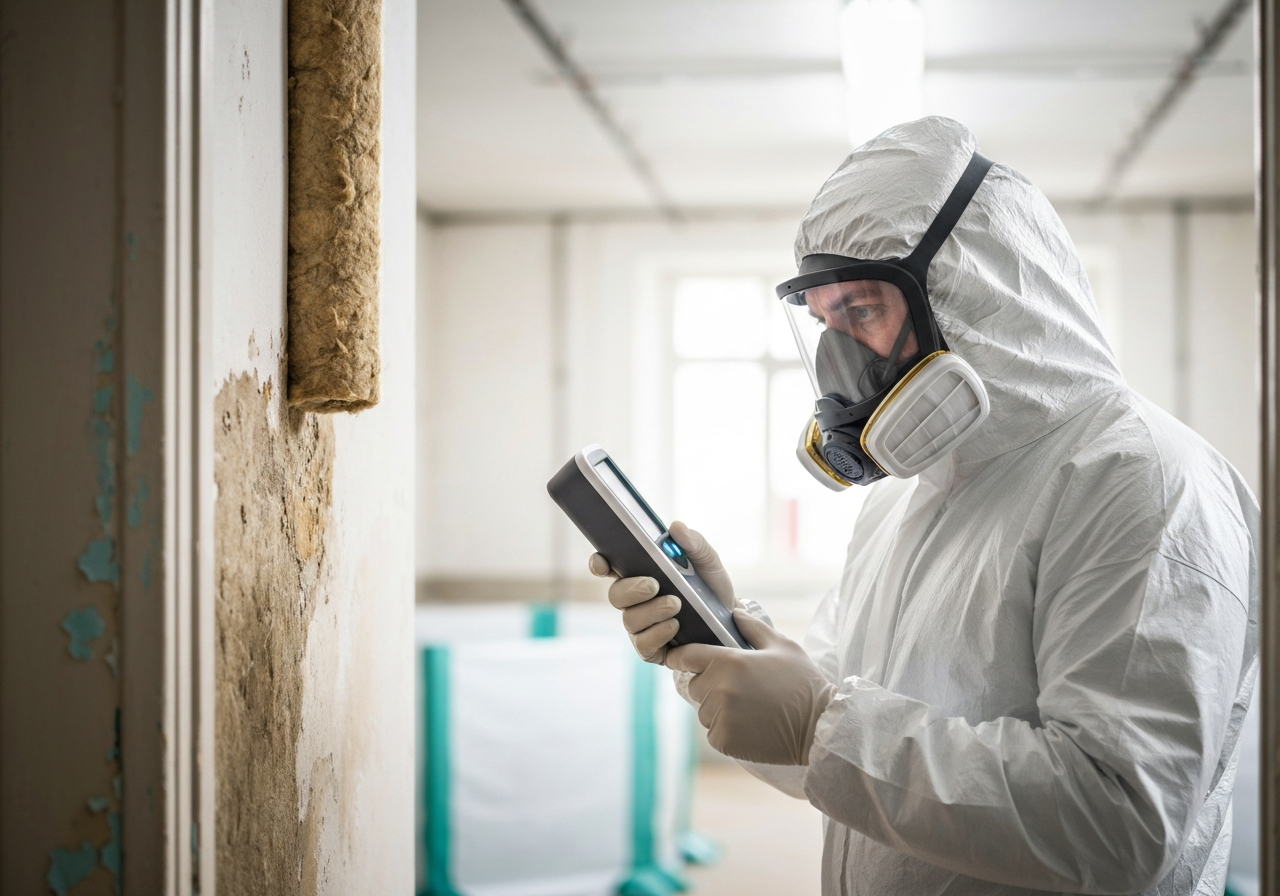
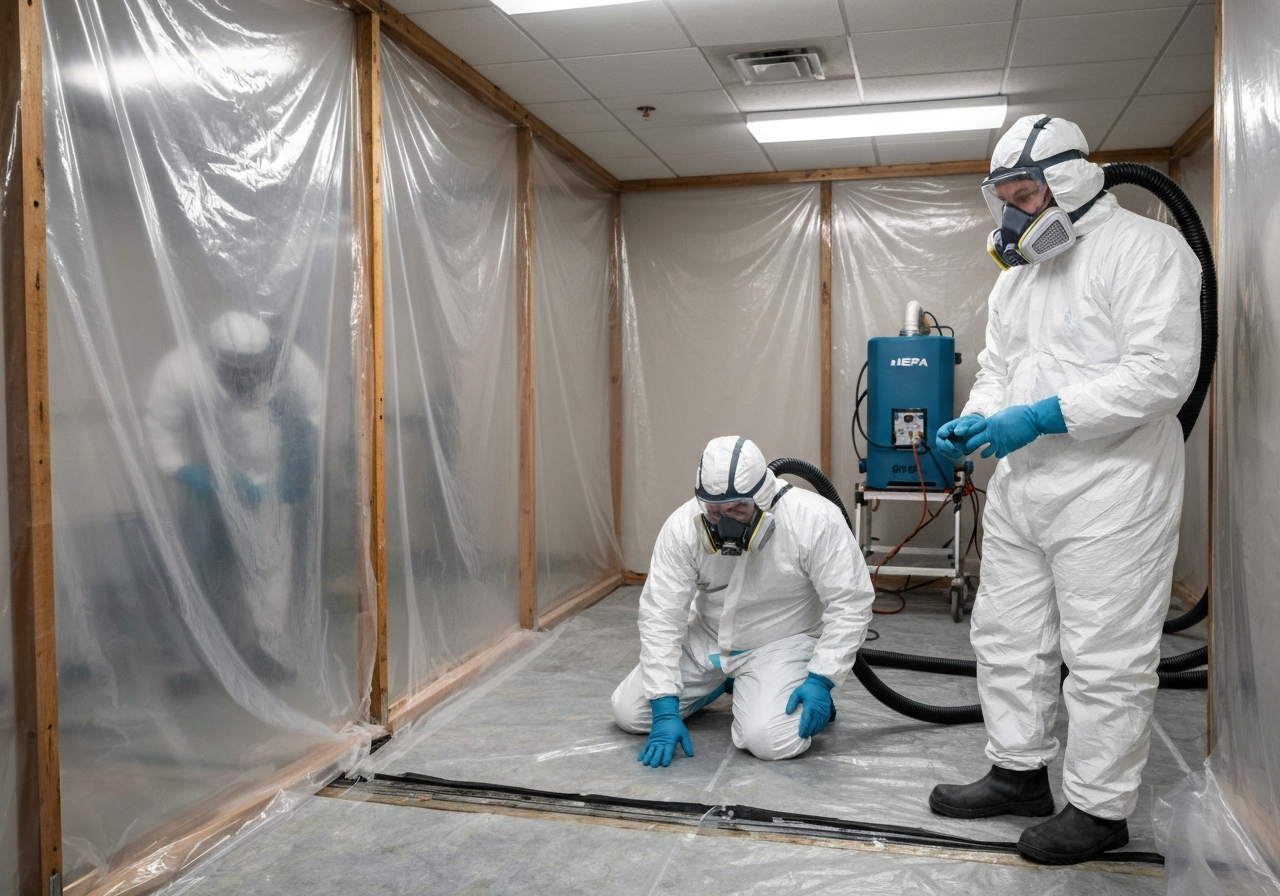
Our team consists of certified and highly trained professionals who understand the nuances of asbestos-containing materials and the protocols required for their safe handling and removal. We employ advanced techniques and state-of-the-art equipment, including HEPA-filtered vacuums and negative air pressure systems, to meticulously contain and remove asbestos fibers, preventing their spread throughout your property. Our commitment extends from the initial thorough inspection and precise identification of ACMs to the careful execution of abatement procedures and the proper disposal of hazardous waste in accordance with stringent guidelines.
Piedmont Quality Air prides itself on a rigorous, step-by-step process that prioritizes health and safety:
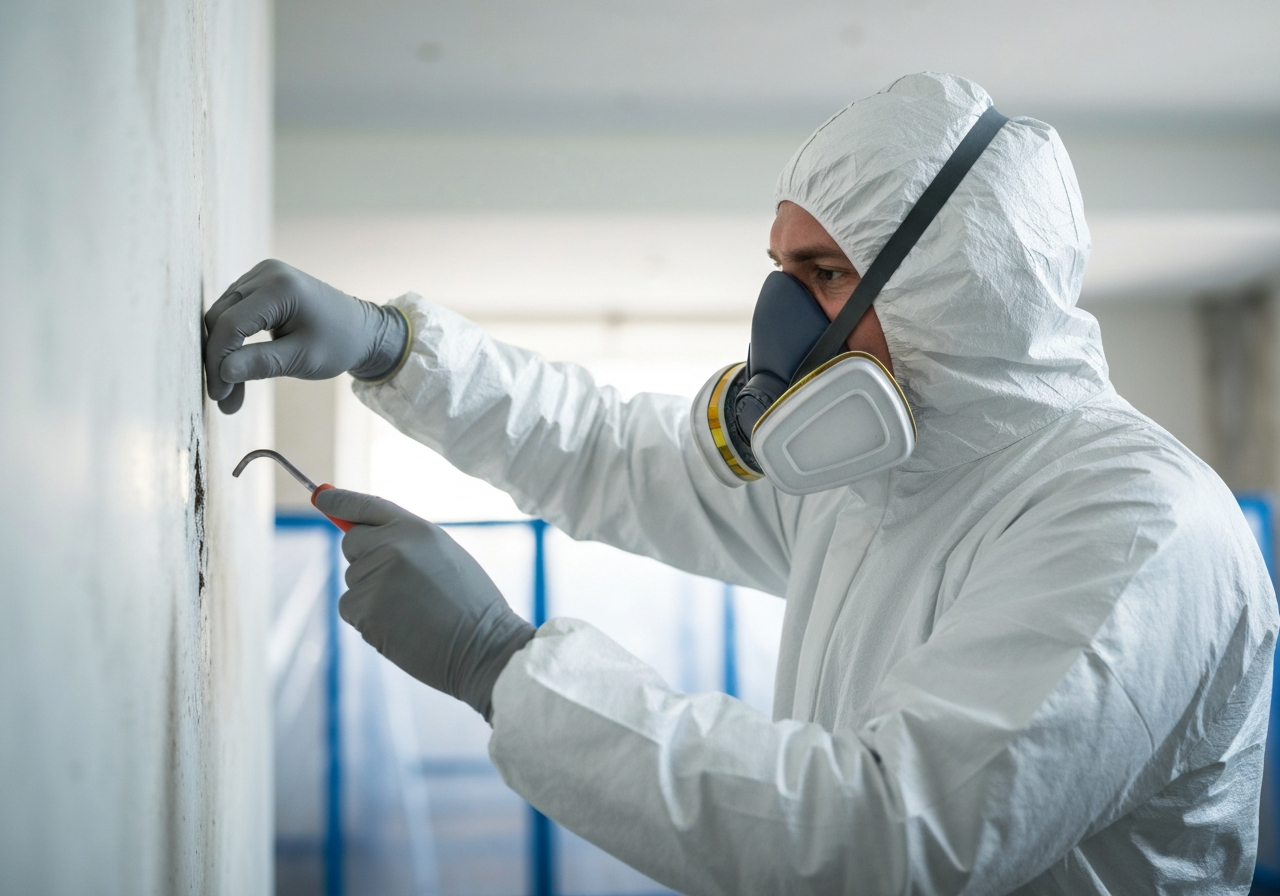
- Comprehensive Assessment: Initial inspection and sampling by qualified professionals to determine the presence, type, and extent of asbestos contamination.
- Regulatory Compliance: Meticulous adherence to all notification requirements for state and local agencies before any work commences.
- Advanced Containment: Establishing critical barriers and negative air pressure zones to prevent fiber release beyond the work area.
- Safe Abatement Practices: Utilizing wet removal techniques and specialized personal protective equipment (PPE) to minimize airborne fiber levels during removal.
- Thorough Decontamination: Multi-stage cleaning protocols, including HEPA-filtered vacuuming and wet wiping, to ensure all residual fibers are removed.
- Independent Air Clearance: Arranging for third-party air sampling and analysis to verify that the area is safe for re-occupancy.
- Proper Waste Disposal: Secure packaging, labeling, and transport of all asbestos waste to licensed landfills.
Our dedication to these stringent protocols ensures that your asbestos concerns are managed with the highest level of professionalism and environmental responsibility. We aim to minimize disruption while maximizing safety, reflecting the core directive that:
“The most convincing evidence for credibility in asbestos management is a perfect safety record achieved through unwavering adherence to established protocols and regulations. It’s not just about what you do, but how meticulously you do it, ensuring every fiber is contained.”
For more insights into our comprehensive services and our commitment to safety, visit our About Us page.
Don’t DIY: Why Professional Asbestos Abatement is Crucial for NC Properties
When dealing with asbestos, the temptation to undertake “do-it-yourself” (DIY) removal projects can be strong, often driven by a desire to save costs. However, attempting asbestos abatement without proper training, equipment, and licensing is a dangerous and often illegal endeavor, especially when considering Asbestos Hazard Management in North Carolina. The microscopic nature of asbestos fibers means they are invisible to the naked eye, and disturbing them without adequate containment can lead to widespread contamination throughout a property and the surrounding environment.
Key reasons why professional abatement is non-negotiable:
- Severe Health Risks: Amateur removal significantly increases the risk of inhaling or ingesting asbestos fibers, leading to deadly diseases like mesothelioma and lung cancer.
- Cross-Contamination: Without specialized containment procedures, asbestos fibers can easily spread to unaffected areas, contaminating personal belongings and HVAC systems. This makes the problem far more extensive and costly to remediate.
- Legal Penalties: North Carolina, like other states, has strict regulations regarding asbestos handling, removal, and disposal. Violations can result in substantial fines and legal repercussions for property owners and individuals. The N.C. General Statutes 130A-22 allows for administrative penalties of up to $10,000 per day per violation for asbestos NESHAP infractions.
- Lack of Proper Equipment: Professional abatement requires specialized tools, HEPA-filtered vacuums, negative air machines, and personal protective equipment (PPE) not readily available to the public.
- Complex Disposal Requirements: Asbestos waste must be packaged, labeled, and transported to specific licensed landfills, a process that is highly regulated and often requires licensed haulers.
Entrusting asbestos removal to certified professionals like Piedmont Quality Air ensures that all safety protocols are meticulously followed, protecting both human health and the environment from this pervasive hazard. Our team is fully equipped for safe asbestos removal in Charlotte, Salisbury, and Gastonia, NC.
Choosing Wisely: Selecting an Asbestos Removal Partner in North Carolina
Selecting the right partner for Asbestos Hazard Management in North Carolina is a critical decision that directly impacts the safety of your property and its occupants. When evaluating potential asbestos removal contractors, prioritize qualifications, experience, and a proven track record of compliance. Here are essential factors to consider:
- Licensing and Certification: Verify that the contractor and their personnel hold current licenses and accreditations from the North Carolina Department of Health and Human Services (NCDHHS) for asbestos inspection, project design, supervision, and abatement. This is a non-negotiable requirement.
- Experience: Choose a company with extensive experience specifically in asbestos removal, ideally with a history of handling projects similar to yours (e.g., residential, commercial, storm-damaged properties). Experience demonstrates a deep understanding of varied ACMs and complex abatement scenarios.
- Adherence to Regulations: A reputable contractor will be intimately familiar with and strictly adhere to all federal (EPA, OSHA), state (NCDHHS), and local asbestos regulations and ordinances. They should be able to clearly explain their compliance procedures, including permitting and disposal.
- Comprehensive Services: Look for a partner that offers a full spectrum of services, from initial inspection and testing to abatement, post-abatement cleanup, and final air clearance testing by an independent third party.
- Safety Protocols: Inquire about their specific safety protocols, including containment strategies, the use of negative air pressure systems, worker personal protective equipment (PPE), and emergency procedures. Transparency in these areas is crucial.
- Insurance and Bonding: Ensure the contractor is fully insured and bonded to protect you from any liability arising from the abatement work.
- Transparent Communication and Estimates: A professional company, like Piedmont Quality Air, will provide clear, detailed explanations of the process, timelines, potential risks, and a transparent, free estimate for the work involved.
Piedmont Quality Air has over 10 years of experience serving North Carolina, holding the necessary certifications and adhering to the strictest safety and regulatory standards (read more about our qualifications).
Your Path to Safety: Contact Piedmont Quality Air for a Free Estimate
Addressing asbestos in your property is a serious undertaking that requires expert handling. By prioritizing professional Asbestos Hazard Management in North Carolina, you safeguard the health of everyone who enters your building and ensure compliance with complex legal requirements. Don’t let uncertainty or potential hazards compromise your peace of mind or property value.
Taking the proactive step to assess and manage asbestos is a testament to responsible property ownership. The team at Piedmont Quality Air is ready to provide the expertise, meticulous care, and transparent service you need to navigate this process safely and efficiently. We invite you to reach out and learn how our certified professionals can assist you in creating a healthier, safer environment.
To take the first step towards comprehensive asbestos management and receive a no-obligation assessment for your property, discover your options today.
To take the first step towards comprehensive asbestos management and receive a no-obligation assessment for your property, discover your options today.