Understanding Asbestos-Containing Materials (ACM) in South Carolina Properties
In South Carolina, many older buildings, particularly those constructed before the 1980s, harbor a silent threat: Asbestos-Containing Materials (ACM). Asbestos, a naturally occurring fibrous mineral, was once widely lauded for its durability, heat resistance, and insulating properties, leading to its prevalent use in a myriad of construction products. From roofing and flooring to insulation and pipes, ACM was a common component in homes, commercial buildings, and industrial facilities across the state. However, the long-term health hazards associated with asbestos exposure became clear, leading to strict regulations regarding its management and removal. When these materials are disturbed, such as during renovations or demolition, microscopic asbestos fibers can become airborne, posing significant health risks.
The Hidden Dangers: Why Asbestos-Containing Materials (ACM) and Demolition Pose Risks
The primary danger of Asbestos-Containing Materials (ACM) lies in their potential to release microscopic fibers when disturbed. These fibers, invisible to the naked eye, can be inhaled or ingested, leading to severe and often fatal diseases. The most well-known health consequences include:
- Mesothelioma: A rare and aggressive cancer that affects the lining of the lungs, abdomen, or heart.
- Lung Cancer: Asbestos exposure significantly increases the risk of developing lung cancer.
- Asbestosis: A chronic lung disease caused by the inhalation of asbestos fibers, leading to scarring of the lung tissue and breathing difficulties.
- Other Cancers: Studies also link asbestos exposure to increased risks of laryngeal and ovarian cancers.
During demolition activities, the disturbance of ACM is almost inevitable. The forceful breakdown of structures can pulverize materials like asbestos-laden drywall, insulation, or floor tiles, releasing large quantities of fibers into the air. This makes proper management of removing hazardous materials before demolition in SC a critical safety and environmental imperative, protecting both workers and the surrounding community from exposure.
South Carolina Regulations: Navigating Asbestos Safety and Demolition Requirements
South Carolina maintains stringent regulations to ensure the safe handling and removal of Asbestos-Containing Materials (ACM) during renovation and demolition projects. The South Carolina Department of Environmental Services (SCDES), formerly part of DHEC, is the primary regulatory body overseeing these activities. Compliance with state and federal guidelines is not merely a bureaucratic step; it’s a legal and ethical obligation designed to protect public health and the environment.
Key requirements for demolition in SC and asbestos management include:
- Mandatory Inspections: Before any demolition or significant renovation activity in regulated facilities, a thorough asbestos inspection by a state-certified inspector is typically required. This inspection identifies the presence, location, and condition of all ACMs. The importance of these assessments is highlighted by the need for essential building inspections in South Carolina.
- Notification to SCDES: Property owners or contractors must submit a written notification to the SCDES Bureau of Air Quality several working days (often 10) before demolition or renovation begins, especially if ACMs are present or the project exceeds certain thresholds. This allows regulators to review plans and ensure compliance with the South Carolina asbestos regulations for renovations and demolitions.
- Friable vs. Non-Friable Asbestos: Regulations distinguish between friable (easily crumbled by hand pressure, posing a higher risk) and non-friable ACMs. Friable materials almost always require removal before demolition, whereas certain non-friable materials may be left in place under specific conditions. However, if non-friable materials are likely to become friable during demolition, they must be treated as friable from the outset.
- Licensing and Accreditation: All individuals and companies performing asbestos inspection, project design, supervision, or abatement work in South Carolina must be licensed and accredited by SCDES. This ensures that only qualified professionals handle this hazardous material.
Failing to adhere to these regulations can lead to substantial fines, project delays, and severe health consequences for workers and the public. Understanding and meticulously following these requirements is paramount for any property owner or contractor in South Carolina.
Expert Asbestos Management During Demolition: The Professional Process
Effective management of Asbestos-Containing Materials (ACM) during demolition requires a specialized, multi-step process executed by licensed professionals. This approach prioritizes safety, minimizes environmental impact, and ensures strict regulatory compliance.
- Certified Asbestos Surveys: The process begins with a comprehensive survey conducted by state-certified asbestos inspectors. They meticulously identify all ACMs within the structure, assess their condition, and collect samples for laboratory analysis. This detailed report forms the foundation of the abatement plan.
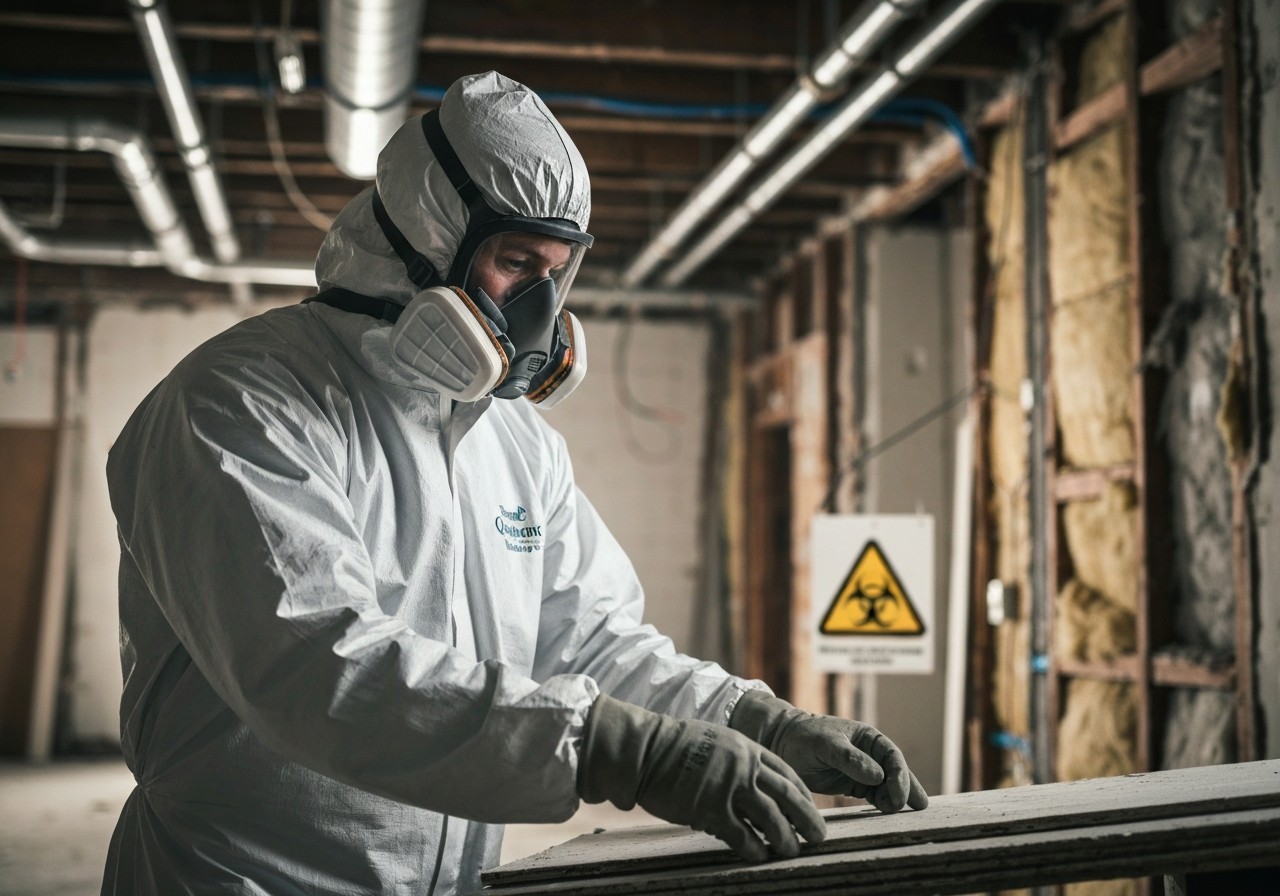
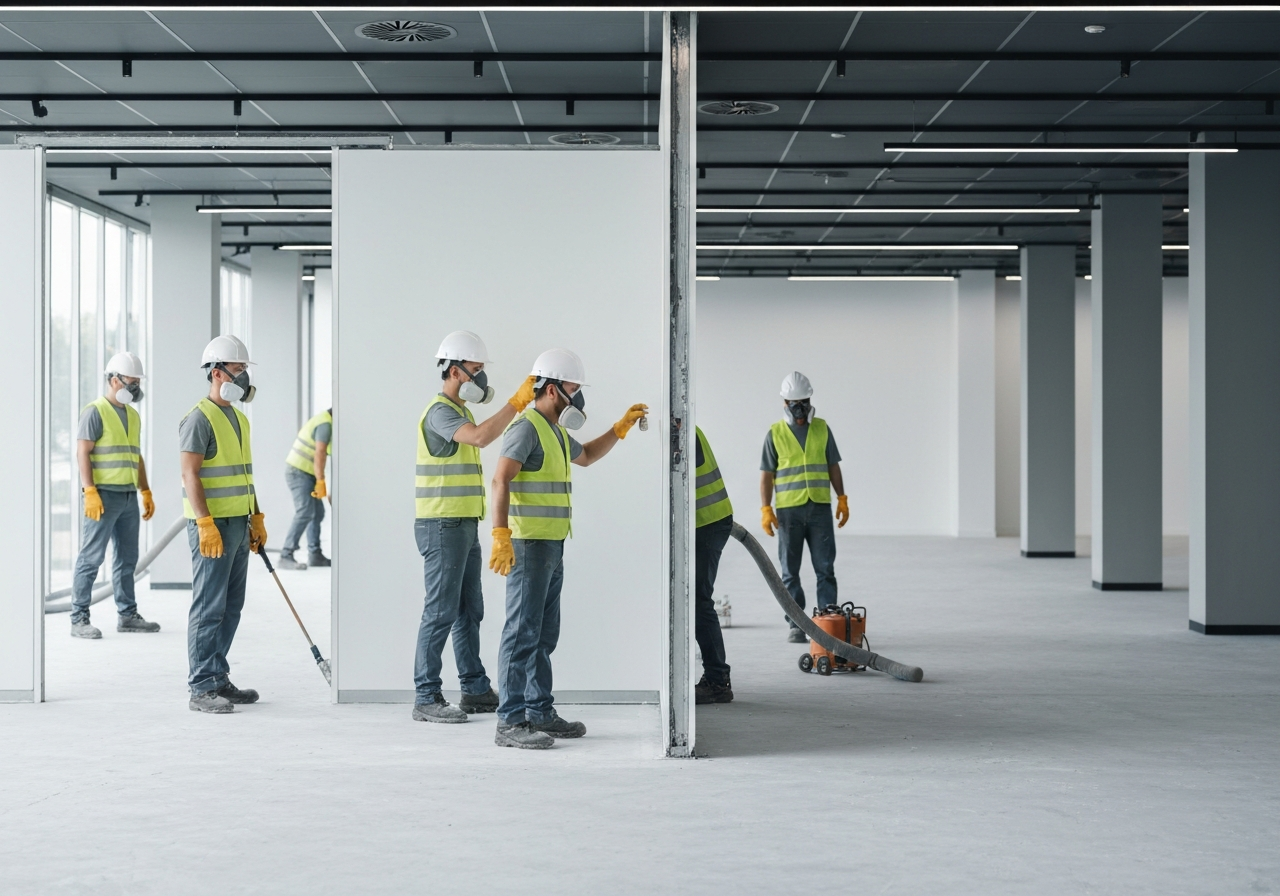
- Abatement by Licensed Professionals: If regulated ACMs are identified, they must be removed by state-licensed asbestos abatement contractors. These professionals are trained in specialized techniques to safely contain, remove, and dispose of the hazardous materials. This is a critical aspect of removing hazardous materials before demolition in SC.
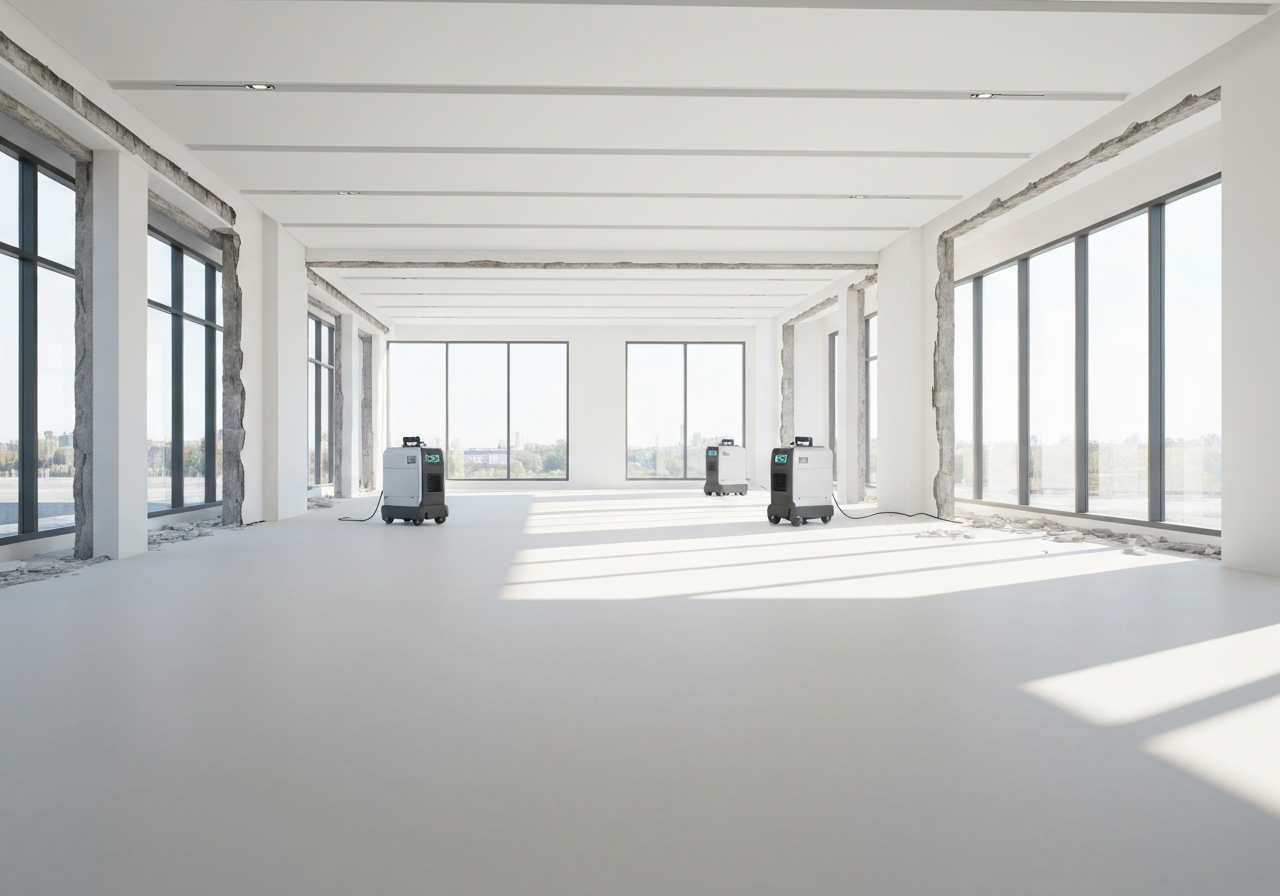
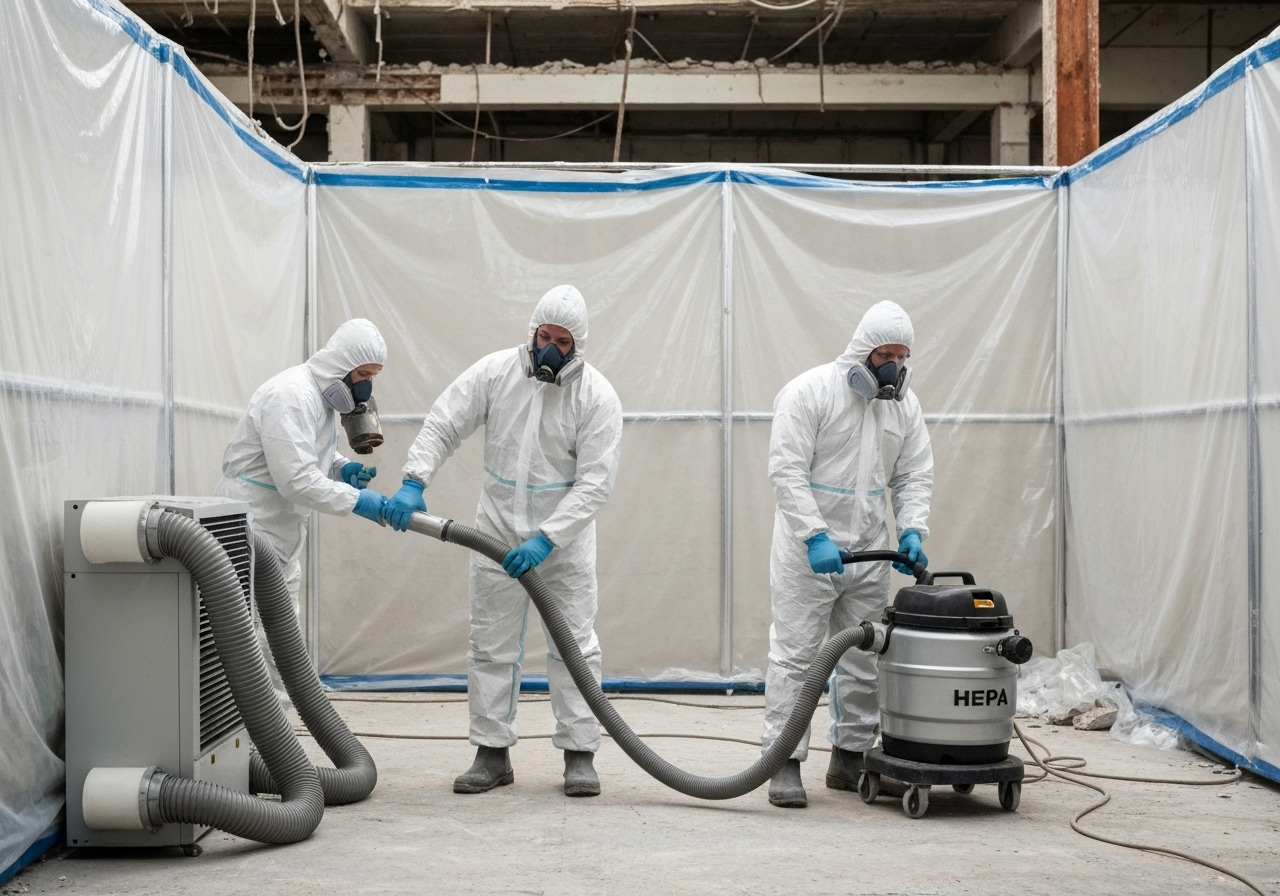
- Containment and Negative Air Pressure: Work areas are sealed off using critical barriers and plastic sheeting to create a controlled environment. Negative air pressure machines, equipped with High-Efficiency Particulate Air (HEPA) filters, are used to draw air into the containment and prevent asbestos fibers from escaping into surrounding areas.
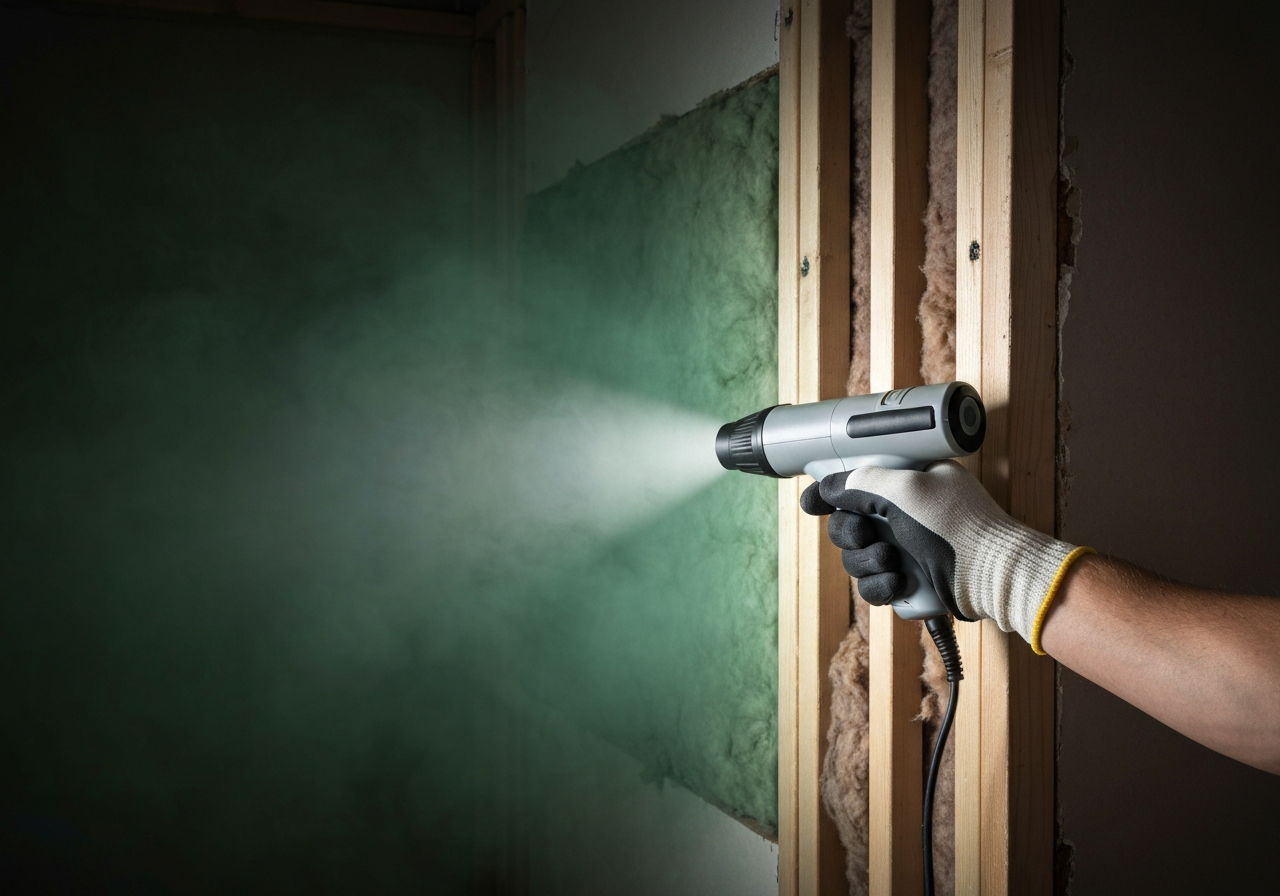
- Safe Removal Techniques: Abatement specialists employ wet methods (wetting agents) to minimize fiber release during removal. Materials are carefully dismantled, not broken, and immediately placed into sealed, labeled containers.
- Continuous Air Monitoring: Throughout the abatement process, air quality is monitored both inside and outside the containment area to ensure airborne fiber levels remain below regulatory limits. Post-abatement air clearance testing by an independent third party is conducted to verify the area is safe for re-occupancy or subsequent demolition.
- Proper Disposal: All asbestos waste is double-bagged, sealed, clearly labeled, and transported by licensed hazardous waste haulers to approved landfills specifically permitted to accept asbestos. Improper disposal is illegal and dangerous, further emphasizing the need for professional handling.
These stringent procedures are essential for protecting the health of workers, building occupants, and the wider community during any project involving Asbestos-Containing Materials (ACM) and Demolition.
Piedmont Quality Air: Your Partner for Safe Asbestos Removal and Demolition in SC
Navigating the complexities of Asbestos-Containing Materials (ACM) and demolition in South Carolina requires expert knowledge and unwavering commitment to safety. Piedmont Quality Air stands as a trusted partner, offering comprehensive solutions for hazardous material removal and demolition services across the state.
Our team comprises highly experienced and trained professionals who specialize in:
- Asbestos Abatement: We conduct thorough inspections, precise containment, and safe removal of all types of asbestos-containing materials, strictly adhering to federal and South Carolina state regulations.
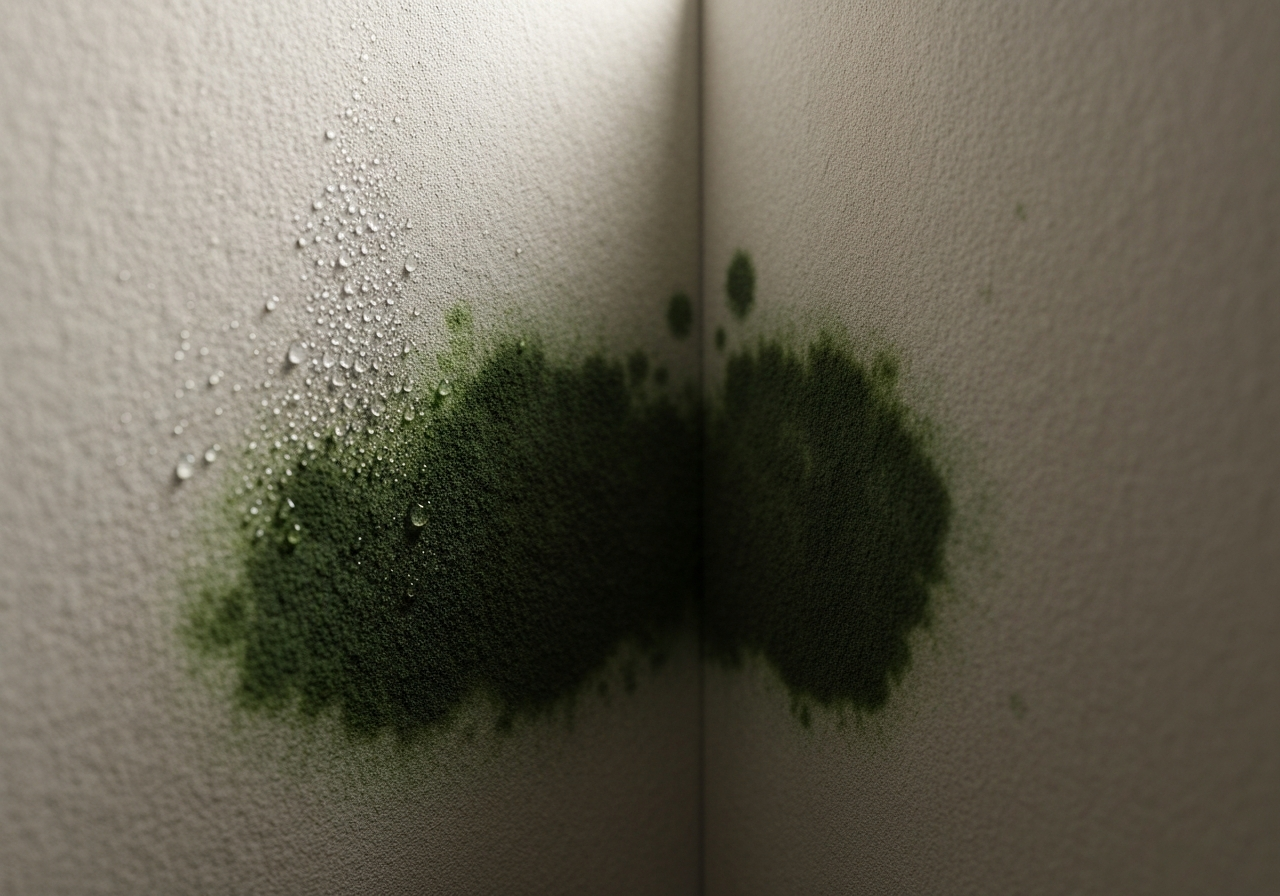
- Mold Remediation: Beyond asbestos, we address other hazardous issues, providing expert mold removal services that identify the source, clean contaminated areas, and prevent recurrence. This includes crucial post-hurricane asbestos and mold remediation in SC, where storm damage can exacerbate mold growth.
- Demolition Services: From selective interior demolition to complete structural teardowns, our team manages projects with precision and efficiency. This includes specialized interior commercial demolition, ensuring minimal disruption while preparing spaces for new use.
We understand the unique environmental considerations in South Carolina, including the challenges posed by severe weather. Our commitment extends to providing safe storm damage asbestos removal in South Carolina, helping homeowners and businesses recover responsibly after natural disasters. By utilizing specialized equipment and proven techniques, Piedmont Quality Air minimizes disruption and upholds the highest safety standards, restoring peace of mind to property owners.
Ensuring a Healthy Future: Post-Demolition Air Quality and Peace of Mind
The successful management of Asbestos-Containing Materials (ACM) and demolition culminates in ensuring a healthy and safe environment long after the physical work is complete. A critical step in this process is post-abatement air quality testing. After all ACMs have been removed and the work area meticulously cleaned, independent industrial hygienists conduct air sampling to verify that airborne asbestos fiber levels are well below regulatory limits.
This clearance testing provides invaluable peace of mind, confirming that the area is safe for re-occupancy or for subsequent construction phases. It’s a tangible demonstration of commitment to health and safety, safeguarding future occupants from the long-term health risks associated with asbestos exposure. For instances of environmental damage, such as after severe weather events, this verification is particularly crucial, ensuring thorough post-hurricane asbestos and mold remediation in SC has restored safe conditions.
By prioritizing expert management, rigorous safety protocols, and comprehensive verification, property owners can look forward to a healthier future, free from the hidden dangers of asbestos.
Contact Us for a Free Estimate and Expert Guidance in South Carolina
Navigating the complexities of Asbestos-Containing Materials (ACM) and demolition in South Carolina can be challenging. For expert guidance and professional services, securing a free estimate is a practical first step to ensure your project adheres to all safety and regulatory standards.
Ready to experience cleaner, healthier air? Contact Piedmont Quality Air today to learn more about our services and schedule a consultation.