
Unmasking Invisible Threats: Why Indoor Air Quality Matters in North Carolina
In North Carolina, the comfort of our indoor spaces often belies potential dangers. We spend a significant portion of our lives within homes and workplaces, making the quality of that indoor air paramount. Hidden threats like asbestos and mold can silently compromise health, leading to serious long-term consequences. This is precisely why indoor air quality is a critical concern, necessitating professional asbestos and mold air sampling and clearance testing to ensure safety and peace of mind.
Asbestos and Mold: Silent Dangers to Your Health and Property
Asbestos, a naturally occurring fibrous mineral, was widely used in construction for its fire-resistant and insulating properties until the late 20th century. However, when disturbed, its microscopic fibers can become airborne and, if inhaled, lead to severe and often fatal diseases such as lung cancer and mesothelioma. Common sources of asbestos in older properties include:
- Insulation: Around furnace ducts, steam pipes, boilers, and in attic vermiculite.
- Flooring: Vinyl asbestos tiles, asphalt tiles, rubber tiles, and their adhesives.
- Walls and Ceilings: Soundproofing, decorative materials, patching, joint compounds, and textured paints.
- Exterior: Asbestos-cement roofing shingles and siding panels.
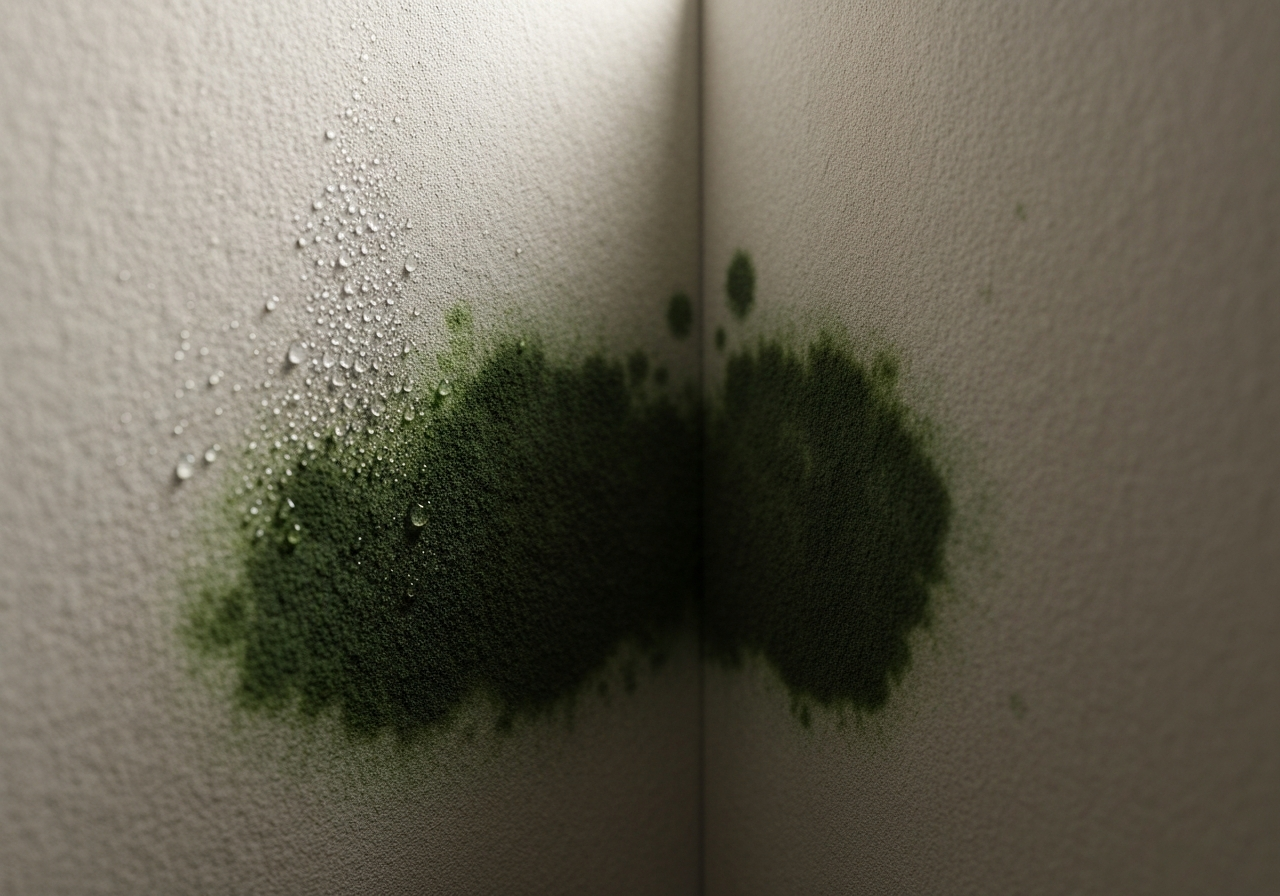
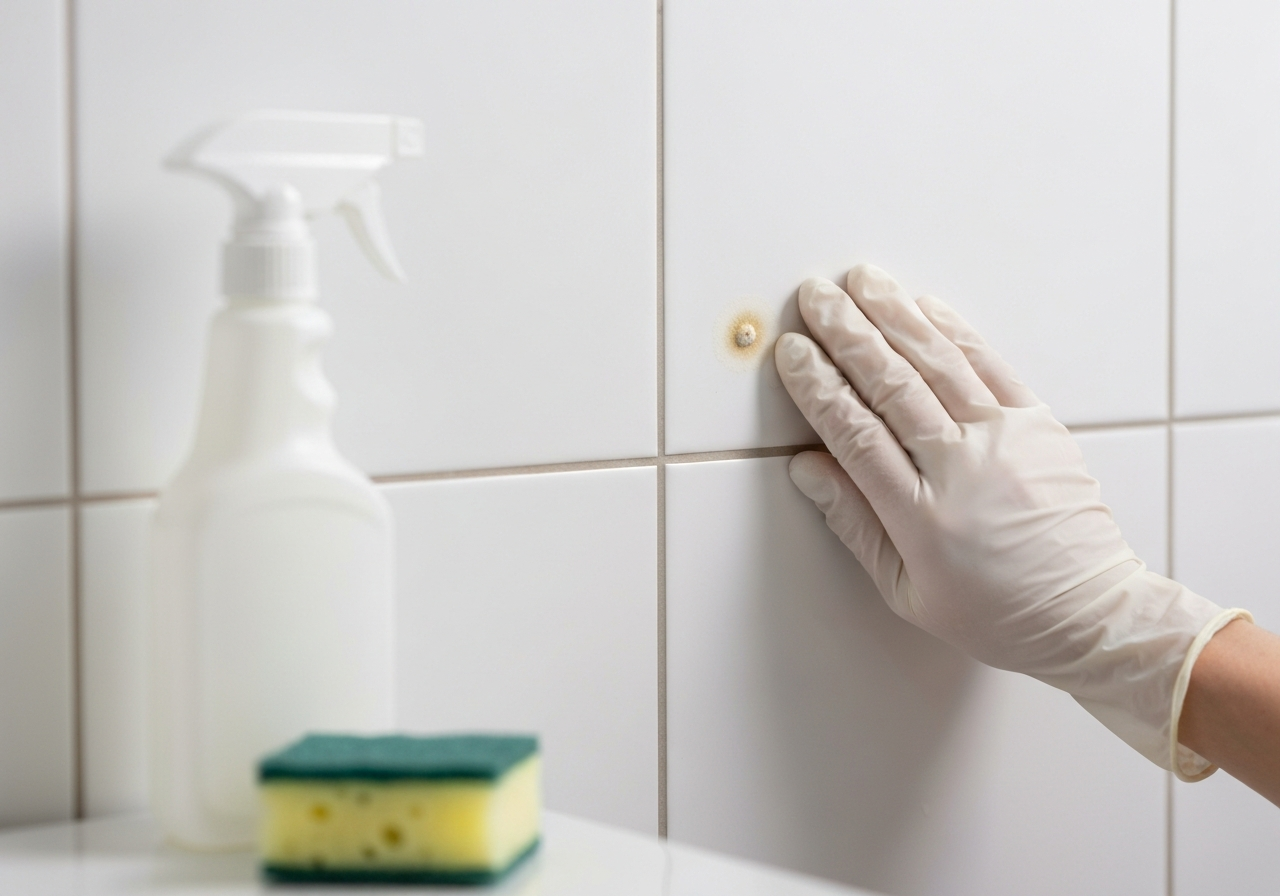
Similarly, mold thrives in warm, damp environments, often proliferating after events like plumbing leaks, roof leaks, or flooding. Beyond causing unpleasant musty odors, mold releases microscopic spores that can trigger allergic reactions, respiratory issues, and other irritating health problems. While not always as acutely dangerous as asbestos, prolonged mold exposure can significantly impact indoor air quality and occupant well-being. Both asbestos and mold pose invisible threats that demand professional assessment and remediation.
The Essential Process: Asbestos and Mold Air Sampling and Clearance Testing
Given the invisible nature of asbestos fibers and mold spores, reliable detection and verification methods are essential. Asbestos and mold air sampling and clearance testing are not merely precautionary measures; they are critical processes to confirm the presence of these contaminants, assess exposure risks, and, most importantly, verify that remediation efforts have successfully restored safe indoor air quality. These tests are vital before, during, and after any activity that could disturb hazardous materials, especially in residential or commercial buildings built before the 1980s that may contain asbestos-containing materials (ACMs).
Understanding North Carolina’s Regulatory Landscape
North Carolina has a robust regulatory framework to manage asbestos, enforced by agencies like the North Carolina Department of Health and Human Services (NCDHHS) and the North Carolina Department of Labor (NCDOL). These state-specific mandates often mirror or even exceed federal standards set by the Environmental Protection Agency (EPA) (such as NESHAP for asbestos emissions) and Occupational Safety and Health Administration (OSHA) (regulating workplace exposure). Local ordinances in counties like Mecklenburg, Buncombe, and Forsyth can add further requirements. Adherence to these complex regulations is paramount, as non-compliance can lead to significant penalties and severe health risks. Piedmont Quality Air prides itself on its deep understanding and strict adherence to all N.C. Asbestos Rules, Regulations & Ordinances.
Beyond the Naked Eye: The Science Behind Effective Air Sampling
Effective air sampling relies on precise methodologies to capture airborne contaminants. Technicians utilize specialized, calibrated sampling pumps to draw a known volume of air through mixed-cellulose ester (MCE) filters housed in electrically conductive cassettes. The sampling rate (typically 0.5 to 5.0 liters per minute) and duration are carefully chosen to achieve an optimal fiber density on the filter for accurate analysis.
Types of Air Monitoring:
- Background Air Monitoring: Conducted before abatement to establish pre-existing dust levels and adjust clearance criteria if necessary, especially in naturally dusty environments.
- Perimeter Air Monitoring: Essential during abatement projects (e.g., negative pressure enclosures, glove bag operations) to ensure no asbestos fibers escape the containment zone into adjacent occupied areas.
- Employee Exposure Monitoring: Mandated by OSHA to ensure worker exposure remains below permissible limits (0.1 fibers/cc for an 8-hour time-weighted average and 1.0 f/cc for a 30-minute excursion limit).
- Clearance Air Monitoring: The final and most critical step, conducted after abatement to verify the area is safe for re-occupancy.
Analytical Techniques:
Once collected, air samples are analyzed using highly specific methods:
- Phase Contrast Microscopy (PCM): Using NIOSH Method 7400, PCM counts all fibers meeting specific criteria (5 µm or longer, with a length-to-width ratio of 3:1 or greater). While quick and cost-effective, it is not asbestos-fiber specific and may count other fibrous materials.
- Transmission Electron Microscopy (TEM): As mandated by AHERA and NESHAP, TEM analysis is asbestos-fiber specific, identifying and quantifying individual asbestos structures per square millimeter. This method is often required for schools and more stringent clearance criteria.
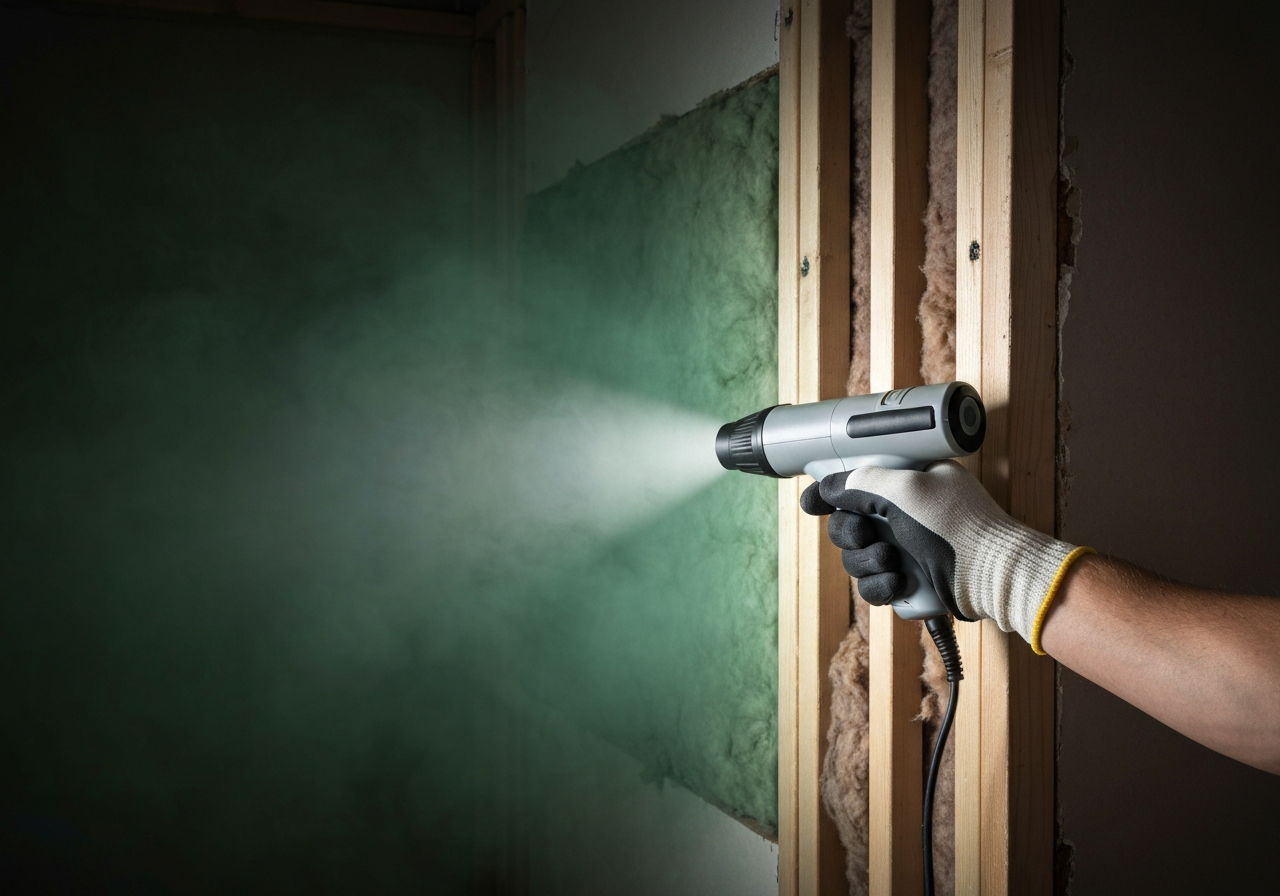
To ensure thoroughness, aggressive air sampling techniques are often employed during clearance. This involves using electric leaf blowers and stationary fans to actively dislodge any remaining fibers from surfaces, mimicking worst-case occupancy conditions to ensure the environment is truly fiber-free before re-entry.
The Final Verdict: Ensuring a Truly Safe Environment with Clearance Testing
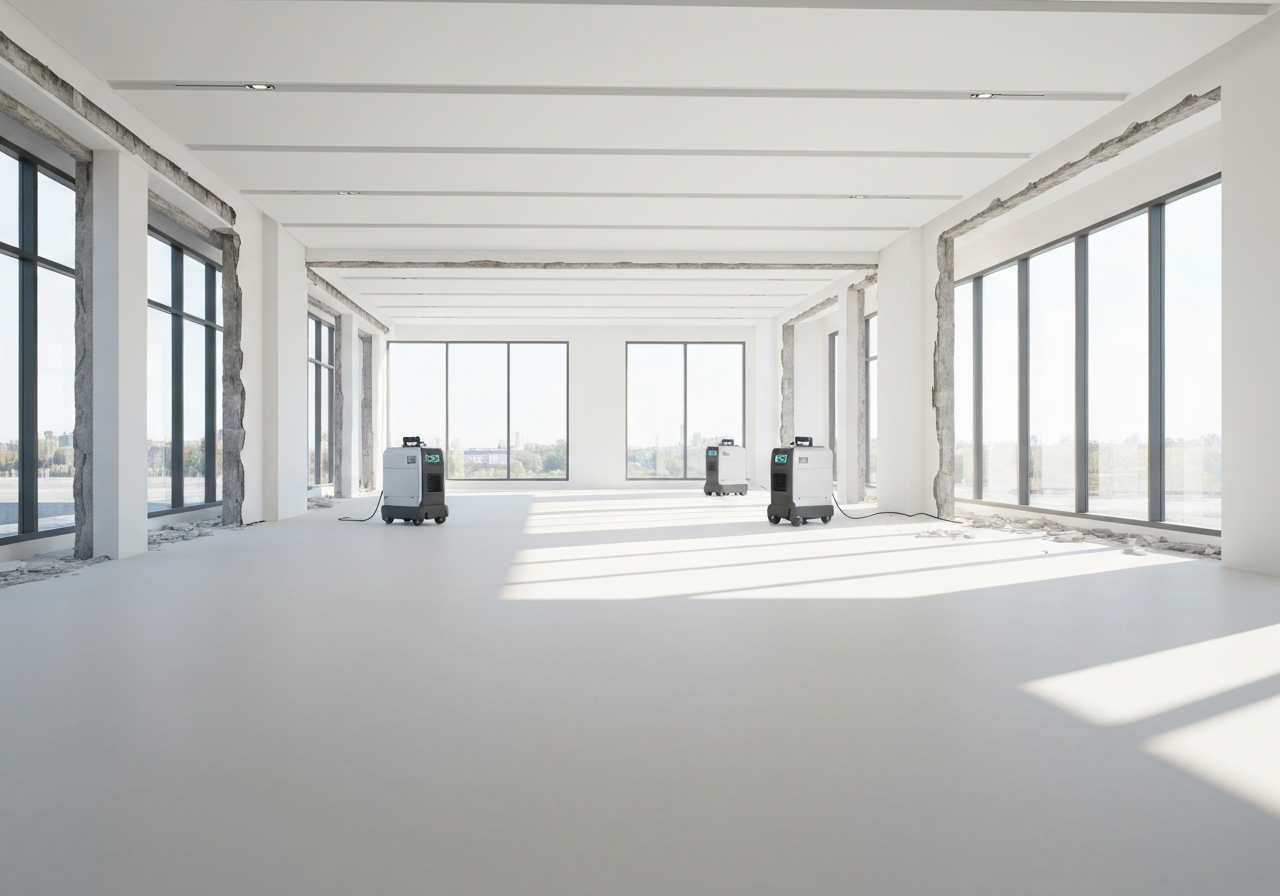
Clearance testing is the ultimate safeguard in any asbestos or mold remediation project. It provides the definitive answer to whether a previously contaminated area is now safe for re-occupancy. This crucial step is typically performed by an independent, accredited third-party project monitor or industrial hygienist, ensuring unbiased results. Key criteria for achieving final clearance include:
- Visual Inspection: The abatement area must be visibly clean of all asbestos-containing material (ACM), dust, and debris.
- Air Sample Collection: A prescribed number of air samples (e.g., five samples for regulated non-residential asbestos projects in Minnesota) are collected using aggressive air sampling techniques.
- Laboratory Analysis: Samples are analyzed by accredited laboratories. For PCM, the analytical results must be less than or equal to 0.01 fibers per cubic centimeter (f/cc). For TEM, the results must be less than or equal to 70 structures per square millimeter (s/mm²).
If these stringent clearance standards are not met, the abatement site must undergo further cleaning and another round of sampling and analysis. This rigorous process continues until the area is confirmed to be in full compliance, underscoring the commitment to public health and safety. The most convincing evidence for credibility in asbestos management is a perfect safety record achieved through unwavering adherence to established protocols and regulations. It’s not just about what you do, but how meticulously you do it, ensuring every fiber is contained.
Your Trusted Partner: Piedmont Quality Air’s Expertise in NC Air Quality Solutions
Navigating the intricate web of asbestos and mold air sampling and clearance testing demands specialized knowledge and unwavering adherence to regulations. This is precisely where Piedmont Quality Air’s expertise becomes invaluable. As a leading asbestos contractor in North Carolina, serving areas like Charlotte, Salisbury, and Gastonia, Piedmont Quality Air is committed to ensuring full compliance with all federal, state, and local asbestos and mold regulations. Their team consists of trained, certified, licensed, and insured professionals who understand the nuances of North Carolina’s specific requirements. From initial inspection and precise air sampling to meticulous abatement, proper disposal, and final clearance testing, Piedmont Quality Air employs industry-standard practices, including HEPA vacuums, wet removal techniques, and negative pressure filtration, to minimize risk and maximize safety. With over a decade of experience, they offer comprehensive services, prioritizing the health and safety of their clients and their environments.
Don’t Guess, Test: Secure Your Peace of Mind with Piedmont Quality Air
When it comes to the invisible threats of asbestos and mold, relying on assumptions is a risk no one should take. The potential for severe health consequences and costly remediation makes proactive asbestos and mold air sampling and clearance testing an indispensable investment. By choosing Piedmont Quality Air, you are partnering with experts dedicated to providing accurate assessments and ensuring a truly safe living or working environment. Their commitment to regulatory expertise, advanced equipment, and comprehensive services guarantees that every aspect of your air quality concern is handled with the utmost professionalism. Don’t leave your health and property to chance; secure your peace of mind by entrusting your air quality needs to the proven professionals at Piedmont Quality Air.
Ready to ensure your indoor air is safe and healthy? Don’t leave it to chance. Contact Piedmont Quality Air today for professional asbestos and mold testing.