Understanding the Threat: Commercial Mold in Charlotte, NC
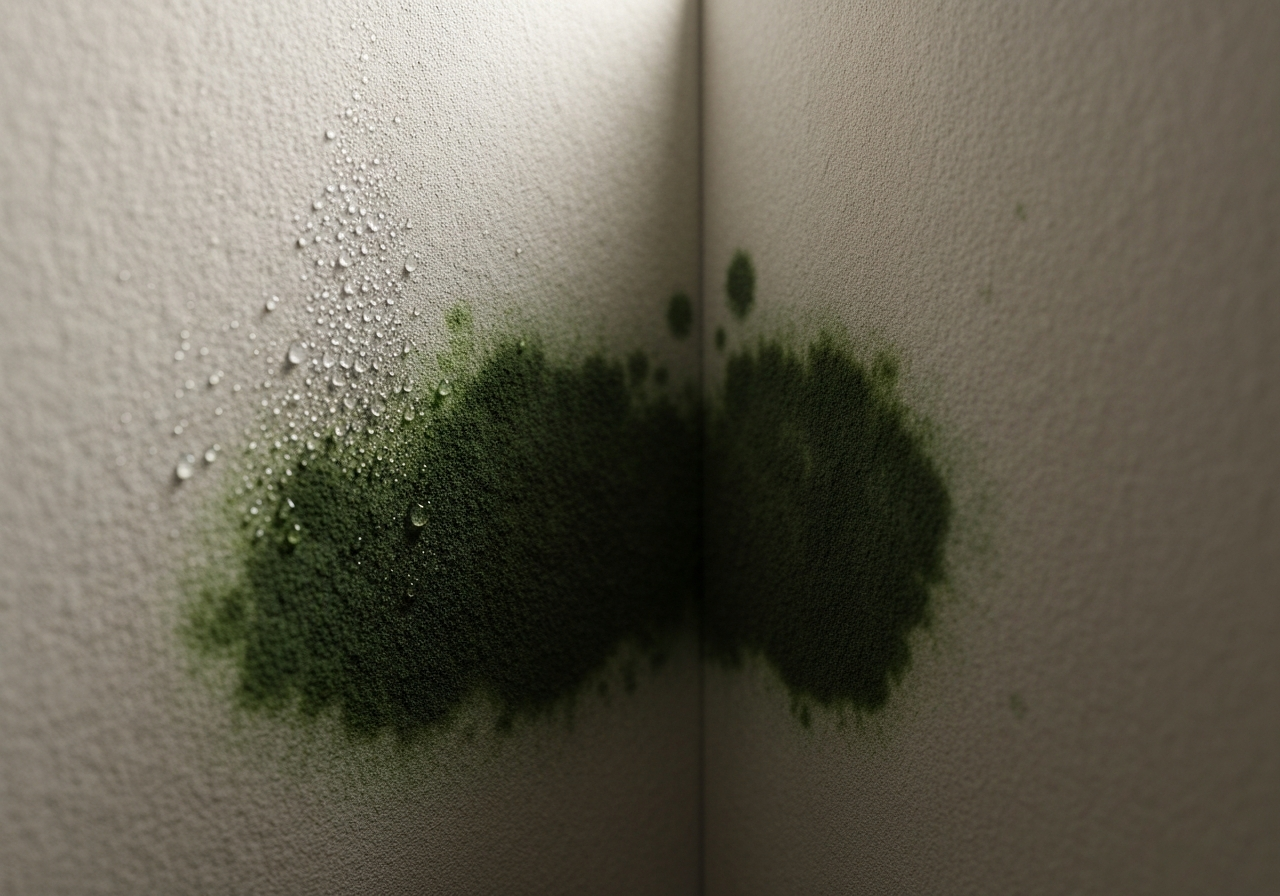
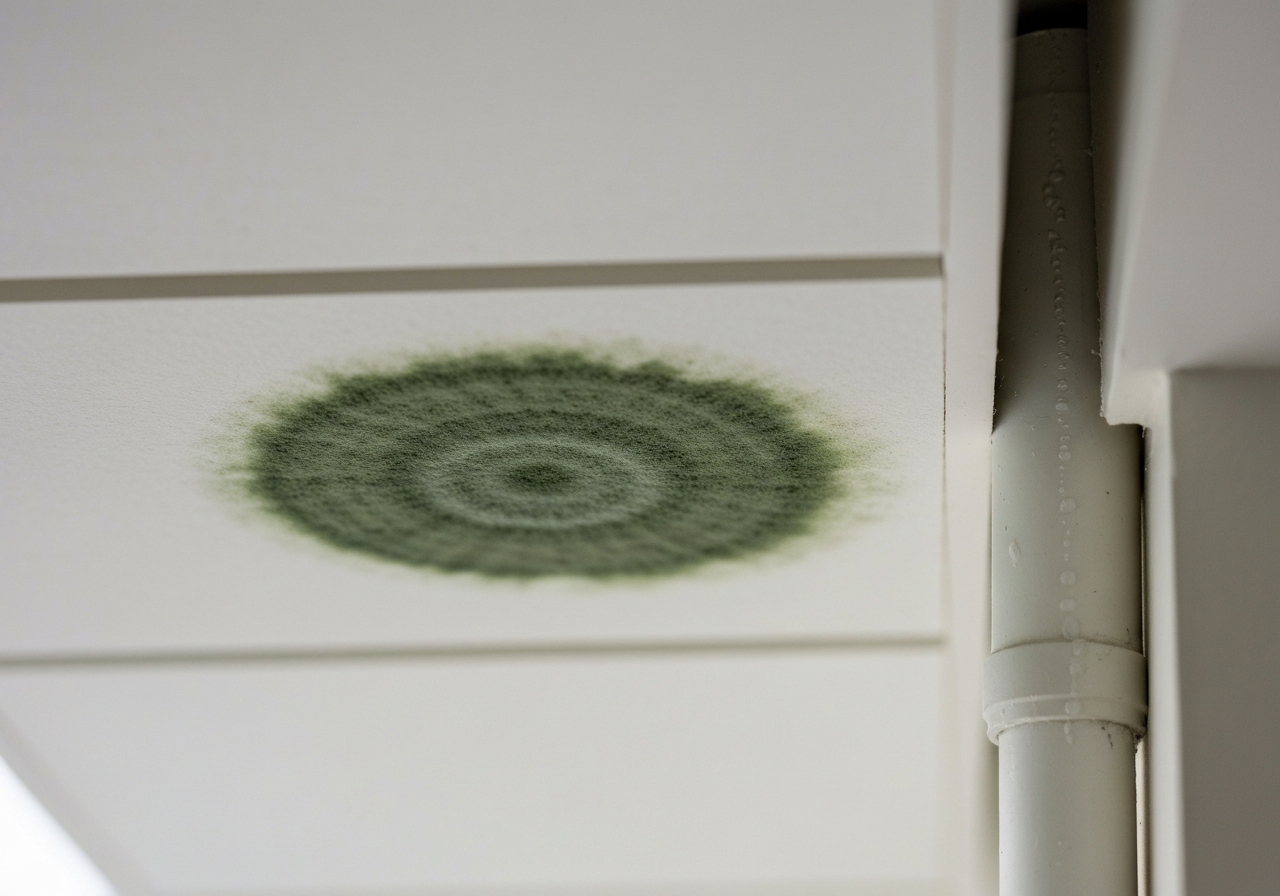
Commercial properties in Charlotte, NC, face a unique set of challenges, and among the most insidious is the threat of mold. More than just an unsightly nuisance, mold in a business environment can lead to significant problems for both the building and its occupants. Mold, a type of fungi, thrives in damp conditions, often appearing as fuzzy growths in various colors such as gray, black, green, or yellow. Its microscopic spores are ever-present in the air, but when they find a suitable environment with moisture and a food source—like wood, drywall, or fabric—they can rapidly colonize and spread. Effective Commercial Mold Prevention Charlotte NC is paramount to safeguarding your business.
The subtropical climate of Charlotte, characterized by high humidity, creates an ideal breeding ground for mold, making commercial facilities particularly susceptible. Hidden moisture sources within complex building structures can allow mold to proliferate undetected, often revealing its presence only through a distinctive musty odor or visible growth that has already become extensive.
The Hidden Costs: Why Commercial Mold is More Than Just an Eyesore
The impact of mold extends far beyond aesthetics, posing substantial health risks and significant financial burdens. Exposure to mold can trigger a range of adverse health effects in employees and customers. According to the North Carolina Department of Health and Human Services, inhaling mold particles, spores, or fragments can lead to allergic illnesses, trigger asthma attacks, and cause respiratory infections. Common symptoms include:
- Sneezing and runny nose
- Itchy eyes and skin rashes
- Coughing and wheezing
- Aggravation of asthma or other chronic lung conditions
- Headaches and fatigue
While most molds can present health risks, some species, like *Stachybotrys chartarum* (often called “black mold”), can produce mycotoxins, which may lead to more severe health effects with prolonged exposure. For detailed information on mold and its health implications, the NCDHHS provides valuable insights.
Beyond health concerns, mold causes considerable structural damage. As mold feeds on organic materials, it degrades them, weakening components like drywall, wood framing, ceiling tiles, and insulation. This can lead to costly repairs, devaluation of property, and potential business interruptions. The longer mold is left unaddressed, the more extensive and expensive the damage becomes. A known mold problem can also result in legal liabilities, complications with insurance claims, and a damaged business reputation, underscoring why prompt action is crucial.
Identifying Risk Factors: What Fuels Mold Growth in Your Business?
Understanding the conditions that promote mold growth is the first step in effective Commercial Mold Prevention Charlotte NC. Mold growth is almost always an effect of a structural or environmental issue that introduces excessive moisture. Commercial buildings, with their intricate systems, offer numerous potential sources for moisture accumulation. Key risk factors include:
- Plumbing Leaks: Even small, undetected leaks from pipes, roofs, or HVAC systems can provide enough moisture for mold to thrive.
- High Humidity: Charlotte’s warm, humid climate means that high indoor humidity levels, especially above 50-60%, can condense on cool surfaces, creating ideal conditions for mold.
- Poor Ventilation: Inadequate airflow in areas like restrooms, kitchens, or storage rooms can trap moisture and foster mold development.
- Water Intrusion: Floods, heavy rains, or other external water events can lead to significant moisture infiltration, particularly if not dried quickly and thoroughly.
- Condensation: Cold surfaces, such as uninsulated pipes or exterior walls, can accumulate condensation, providing the necessary moisture.
- Foundation Issues: Cracks in the foundation can allow groundwater to seep into crawl spaces or basements, creating damp environments.
According to CDA Environmental, mold growth is always the effect of a structural issue, and high humidity in North Carolina is a significant contributing factor. Identifying and promptly addressing these underlying moisture sources is critical to stopping mold before it becomes a widespread problem.
Proactive Measures for Effective Commercial Mold Prevention Charlotte NC
Implementing a robust strategy for Commercial Mold Prevention Charlotte NC is far more cost-effective and less disruptive than reactive remediation. Proactive measures focus on controlling moisture and maintaining a healthy indoor environment:
- Regular Inspections and Maintenance: Conduct routine checks of plumbing, roofs, windows, and foundations for any signs of leaks or water damage. Promptly repair any issues, no matter how minor.
- Humidity Control: Maintain indoor humidity levels between 30% and 50% using properly functioning HVAC systems. Consider industrial-grade dehumidifiers in areas prone to high humidity, especially during warmer, more humid months.
- Ensure Adequate Ventilation: Verify that exhaust fans in moisture-generating areas like bathrooms, kitchens, and laundry rooms are operating effectively. Improve overall building ventilation to prevent moisture buildup.
- HVAC System Care: Regularly inspect, clean, and maintain your HVAC system, including air ducts, cooling coils, and drain pans. Clogged pans and dirty coils can become breeding grounds for mold and distribute spores throughout your facility.
- Rapid Response to Water Damage: In the event of a flood or significant water intrusion, act immediately. Extract water, thoroughly dry the affected area, and clean/disinfect materials within 24-48 hours to prevent mold from taking hold.
- Utilize Mold-Resistant Materials: When undertaking new construction or renovations, consider using mold-resistant drywall, paint, and insulation in areas susceptible to moisture.
These preventative strategies significantly reduce the risk of mold growth, ensuring a healthier and safer environment for your business operations.
When Prevention Isn’t Enough: Recognizing the Need for Professional Mold Remediation
Despite best prevention efforts, mold can sometimes take root in commercial properties. Recognizing the signs of an existing problem and understanding when to call in professionals is crucial. Visible mold growth, discolored patches on walls or ceilings, and persistent musty odors are clear indicators. It’s important to remember that mold can also thrive in hidden areas like behind walls or under flooring, making professional assessment vital.
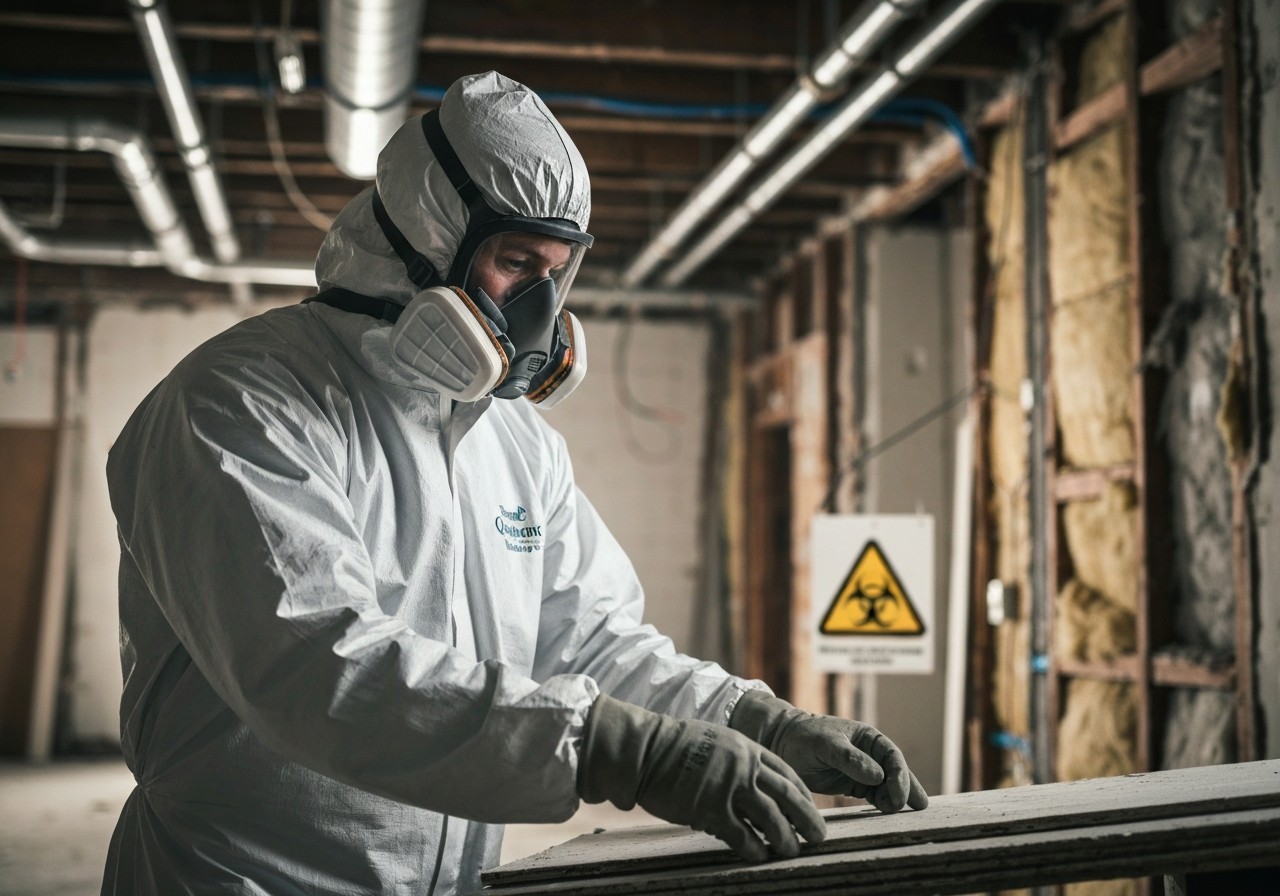
Attempting DIY mold removal in a commercial setting is generally not recommended. Surface cleaning with household products often fails to address the root cause and can leave behind allergenic and toxic properties of mold. Professional mold remediation involves a multi-step process designed for thorough and safe removal:
- Assessment: Professionals identify the extent of mold growth, the types of mold, and the underlying moisture source.
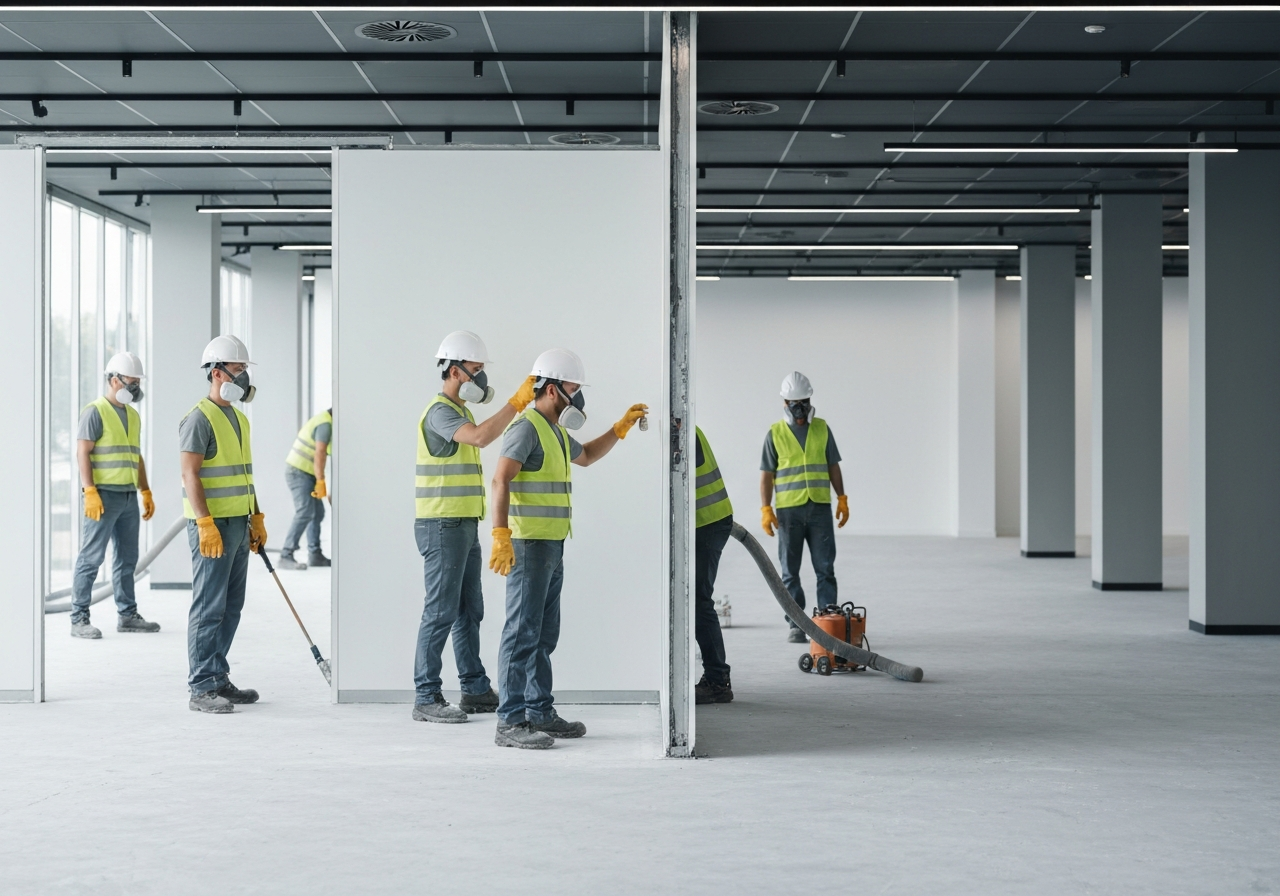
- Containment: The affected area is sealed off using barriers and negative air pressure to prevent spores from spreading.
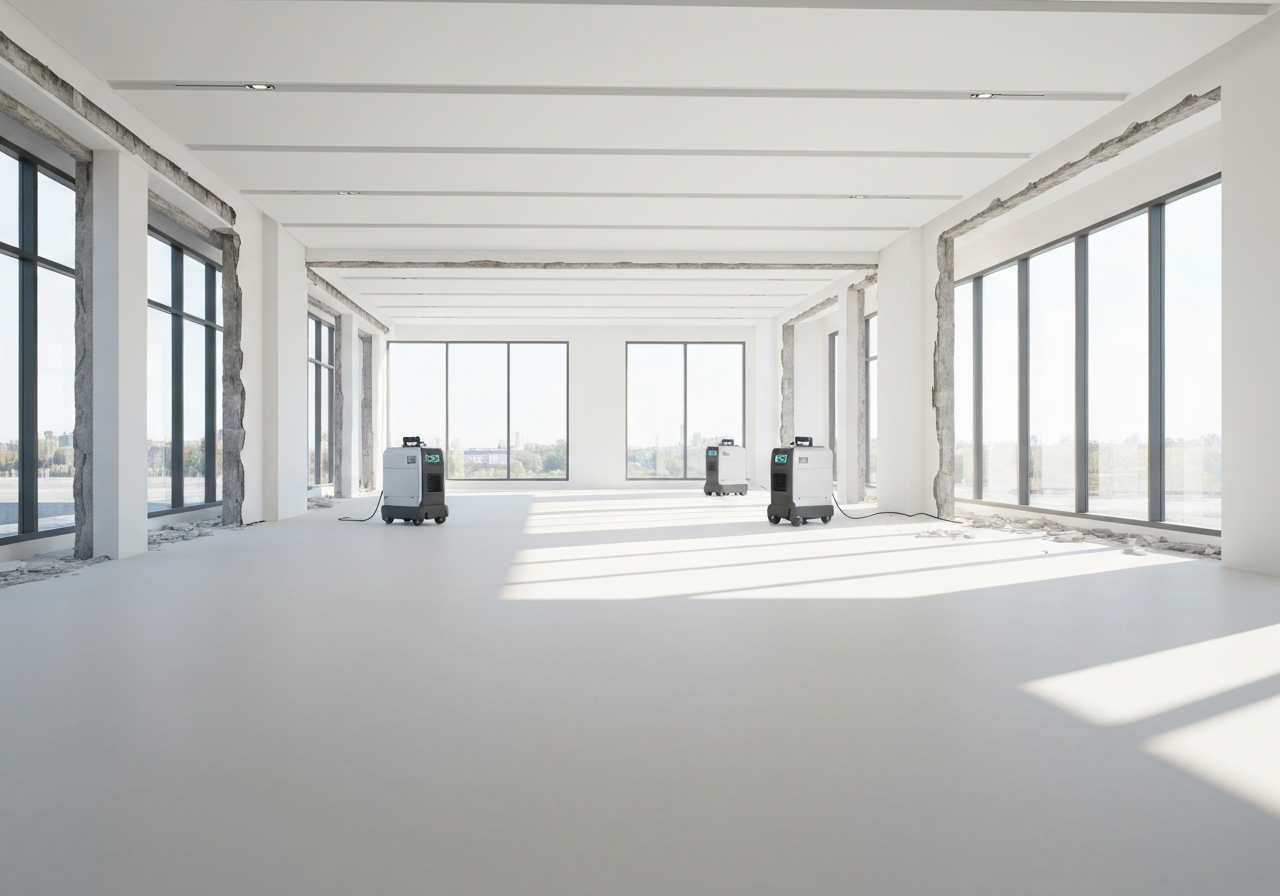
- Air Filtration: HEPA filters and air scrubbers capture airborne mold spores.
- Removal: Mold-infested porous materials are safely removed and disposed of. Non-porous surfaces are meticulously cleaned and disinfected.
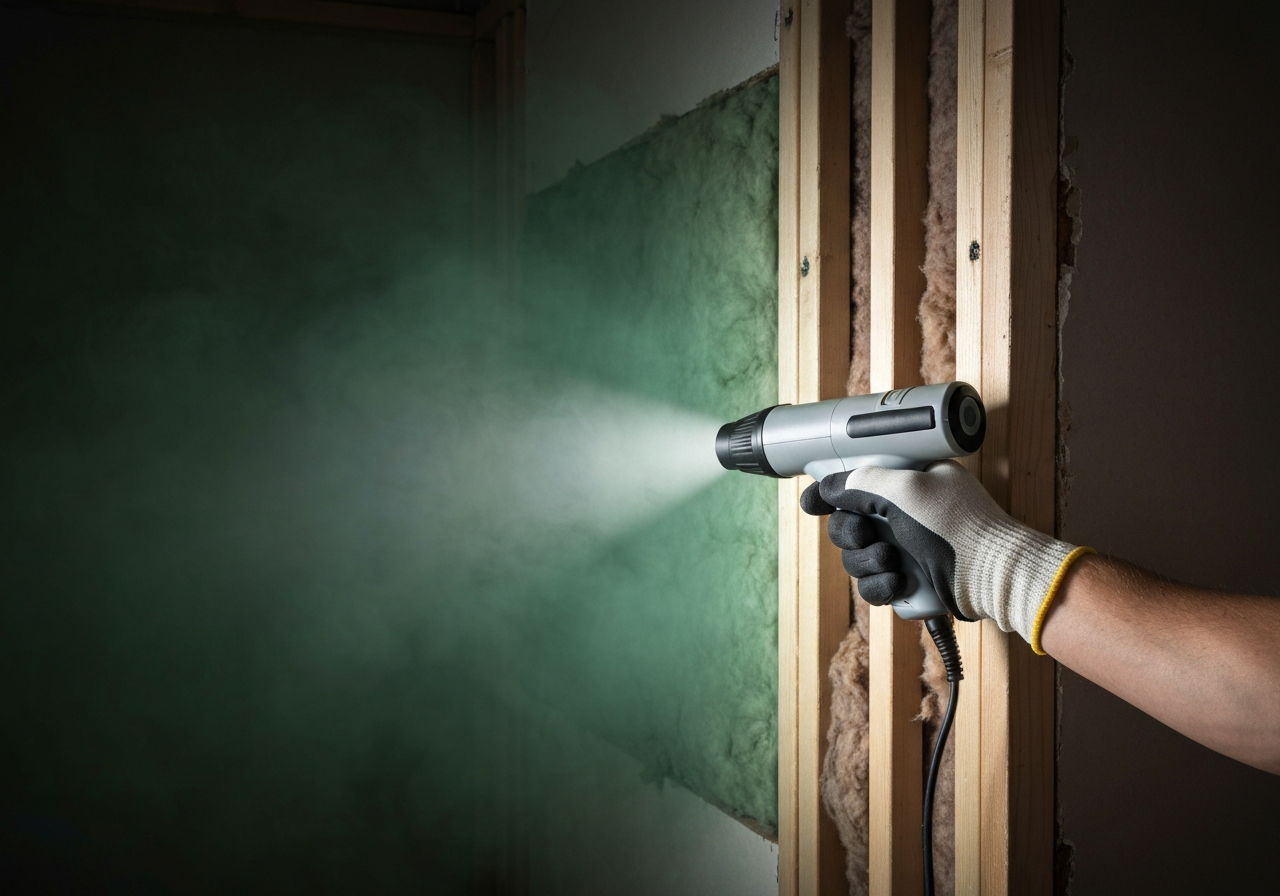
- Drying: Affected areas are thoroughly dried and dehumidified to prevent recurrence.
- Restoration: Damaged materials are repaired or replaced to restore the property to its original condition.
- Post-Remediation Verification: Independent testing confirms that mold levels are within acceptable limits.
For more on the specialized approach required for large-scale infestations, resources on commercial mold remediation emphasize the critical importance of acting fast and following a comprehensive process.
Piedmont Quality Air: Your Trusted Partner for a Healthy Commercial Environment
When facing mold challenges in your commercial property, partnering with experienced and reliable professionals is essential. Piedmont Quality Air has been serving businesses in Charlotte, Gastonia, and Salisbury, NC, for over a decade, providing expert mold removal and remediation services. Our team is trained, certified, licensed, and insured, committed to ensuring your commercial space is safe, healthy, and sanitary. We understand the specific nuances of mold growth in the local climate and tailor our solutions to effectively address your property’s unique needs.
We believe in transparent communication and a thorough approach, from initial assessment to post-remediation verification. Our dedication to quality and customer satisfaction is reflected in our client testimonials, where businesses commend our timely service, professional crew, and comprehensive clean-up. Learn more about our commitment to creating healthy indoor environments by visiting our About Us page and reviewing client feedback on our Testimonials page. Whether it’s a small localized issue or a widespread infestation, Piedmont Quality Air is equipped to handle all types of commercial mold problems.
Secure Your Business: A Call to Action for Mold-Free Commercial Spaces
Maintaining a mold-free commercial environment is not merely a matter of cleanliness; it’s a critical investment in the health of your employees, the satisfaction of your customers, and the long-term integrity of your business. The proactive implementation of Commercial Mold Prevention Charlotte NC strategies significantly reduces risks and potential costs. However, should mold become an issue, professional intervention is indispensable for effective and lasting resolution. Prioritizing a healthy indoor atmosphere protects your physical assets and fosters a productive and secure workspace for everyone.
Don’t let commercial mold compromise your business’s health and integrity. Take proactive steps for Commercial Mold Prevention Charlotte NC, or address existing issues with expert remediation. Contact Piedmont Quality Air today for a safer, healthier commercial environment!