The Hidden Threat: Why Small Mold Needs Immediate Attention
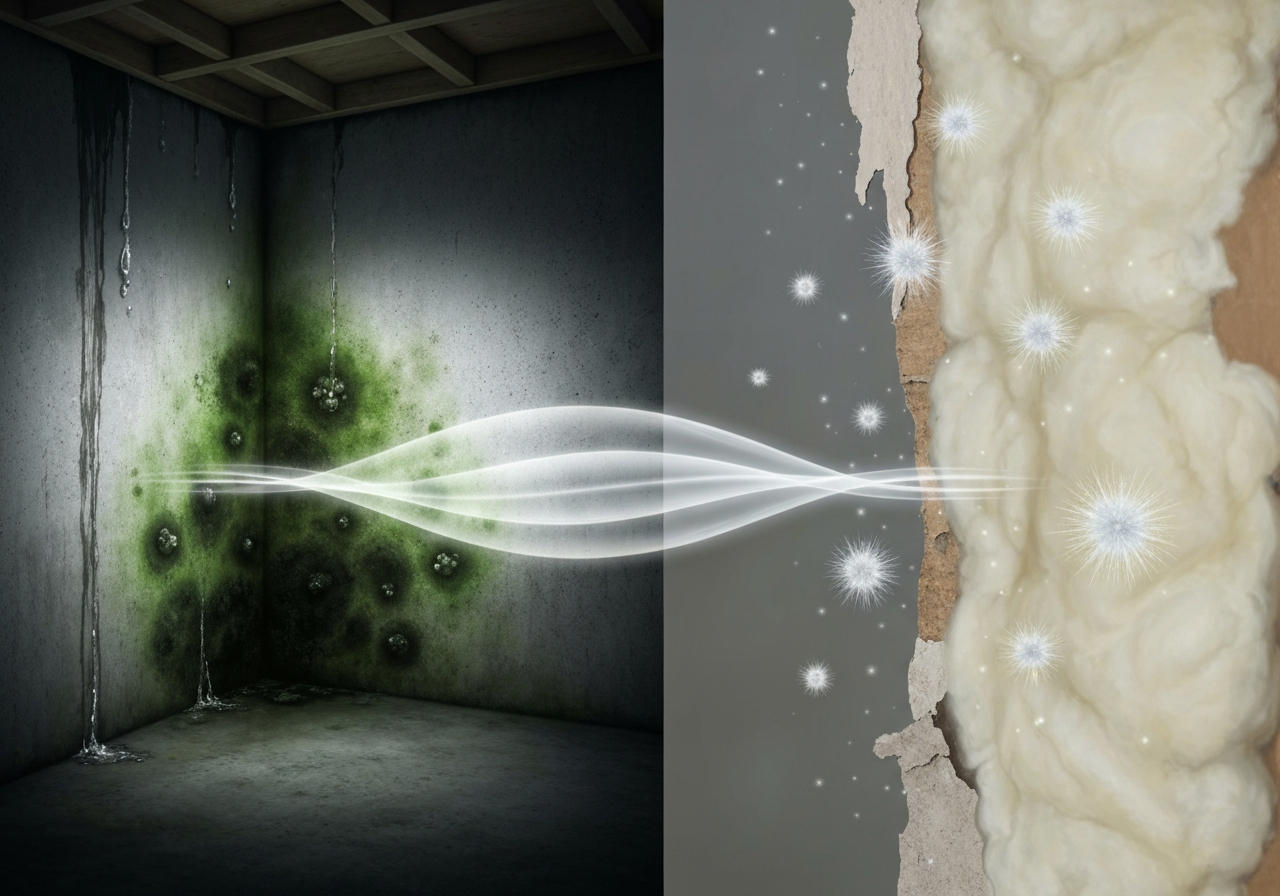
Even a small patch of mold in your home can signal a larger, unseen issue and poses potential risks to both your property and health. Mold, a type of fungus, thrives in damp environments and reproduces through microscopic spores that are naturally present in the air. When these spores land on a wet surface with an available food source, such as wood, drywall, or fabric, they can quickly begin to colonize. Prompt action is crucial because mold damages what it grows on, and the longer it grows, the more damage it can cause.
Ignoring even minor mold can lead to significant problems. Beyond the unpleasant musty odor, mold growth indicates excess moisture, which can compromise indoor air quality and structural integrity. Exposure to mold can trigger allergic reactions, asthma attacks, and respiratory issues, especially in sensitive individuals such as children, the elderly, or those with compromised immune systems. Symptoms can range from nasal stuffiness, runny nose, and itchy eyes to more severe issues like coughing and wheezing. Addressing mold promptly is essential to protect your family’s health and your property investment.
DIY or Pro? Understanding the Scope of ‘Small Mold’
Before tackling any mold, it is crucial to determine the extent of the infestation to decide whether it’s a DIY task or if professional help is needed. The U.S. Environmental Protection Agency (EPA) defines a “small mold” area as less than 10 square feet (roughly a 3 ft. by 3 ft. patch). In most cases, you can handle these smaller jobs yourself. However, several factors indicate when it’s time to call in the experts:
- Size: If the moldy area exceeds 10 square feet, professional mold remediation services are highly recommended. Disturbing larger areas without proper containment can spread spores and worsen the problem.
- Hidden Mold: If you suspect mold is growing behind walls, under flooring, or in HVAC systems (often indicated by a persistent musty smell without visible mold), professionals have specialized tools like moisture meters and thermal cameras to locate and address it. Ignoring such signs can lead to more extensive damage and health issues.
- Contaminated Water: If the mold growth resulted from sewage or other contaminated water, a professional with experience in hazardous cleanup is necessary to ensure proper sanitization and safety.
- Health Concerns: If anyone in your household experiences persistent health problems that appear related to mold exposure, or if individuals with compromised immune systems or chronic respiratory conditions are present, consulting a health professional and a mold remediation specialist is advisable.
For extensive mold problems in areas like Charlotte, Concord, and Hickory, NC, Piedmont Quality Air offers expert mold removal services to ensure a safe and thorough cleanup. Understanding these distinctions is the first step in effective Small Mold Area Cleanup Tips.
Safety First: Protecting Yourself During Mold Cleanup
When performing any mold cleanup, especially if it involves disturbing moldy materials, protecting yourself from exposure to airborne mold spores and potential mycotoxins is paramount. Even for small areas, wearing appropriate personal protective equipment (PPE) is crucial to prevent allergic reactions, irritation, and respiratory problems. The Centers for Disease Control (CDC) and EPA emphasize these precautions:
- Respiratory Protection: Wear at least a NIOSH-approved N-95 respirator. This mask covers your nose and mouth and filters out 95% of airborne particulates. For tasks that generate a lot of dust or involve extensive mold removal, a half-face or full-face respirator with HEPA cartridges offers greater protection.
- Eye Protection: Use goggles that provide complete eye protection and are designed to keep out dust and small particles. Standard safety glasses with open vent holes are not sufficient as they won’t protect against airborne spores.
- Hand Protection: Wear protective gloves (non-latex, vinyl, nitrile, or rubber) to avoid direct skin contact with mold and cleaning solutions. Long gloves extending to the middle of the forearm are recommended, especially if using stronger cleaning agents like bleach.
- Protective Clothing: For even small jobs, consider wearing old clothes that can be laundered separately or disposable overalls to prevent mold spores from clinging to your everyday clothing and spreading to other areas of your home.
- Ventilation: Ensure the work area is well-ventilated by opening windows and doors. If possible, use an exhaust fan directed outdoors to create negative pressure and prevent spores from spreading to other rooms. Never mix bleach with ammonia-based cleaners, as this can produce toxic fumes.
Prioritizing safety measures is a key component of effective Small Mold Area Cleanup Tips.
Your Essential Small Mold Area Cleanup Tips: A Step-by-Step Guide
Effectively addressing small mold areas requires a systematic approach to ensure thorough removal and minimize recurrence. Here are essential Small Mold Area Cleanup Tips:
1. Prepare the Area and Yourself
- Safety Gear: Put on your N-95 respirator, goggles, and gloves.
- Ventilation: Open windows and doors in the affected area to ensure good airflow.
- Isolate: For slightly larger small areas (up to 10 sq ft), consider covering nearby vents or doorways with plastic sheeting to prevent spore spread.
- Identify Moisture Source: Before cleaning, locate and fix the source of moisture. If the moisture problem isn’t resolved, the mold will return. This is the key to mold control.
2. Choose Your Cleaning Solution
For most small mold problems on hard surfaces, a simple detergent and water solution is effective:
- Mild Soap and Water: Mix a few drops of dish detergent with water.
- White Vinegar: For a natural alternative, a solution of equal parts white vinegar and water can be used. Spray onto the moldy surface and let it sit for 10-15 minutes before scrubbing. Undiluted white vinegar can also be effective on tough spots.
- Bleach Solution (Use with caution): If needed for stubborn stains or disinfection on non-porous surfaces, a diluted bleach solution (no more than 1 cup of bleach per gallon of water) can be used. Never mix bleach with ammonia or other cleaners, as this creates toxic gas.
3. Execute the Cleanup
- Hard Surfaces (e.g., tiles, sealed wood, concrete):
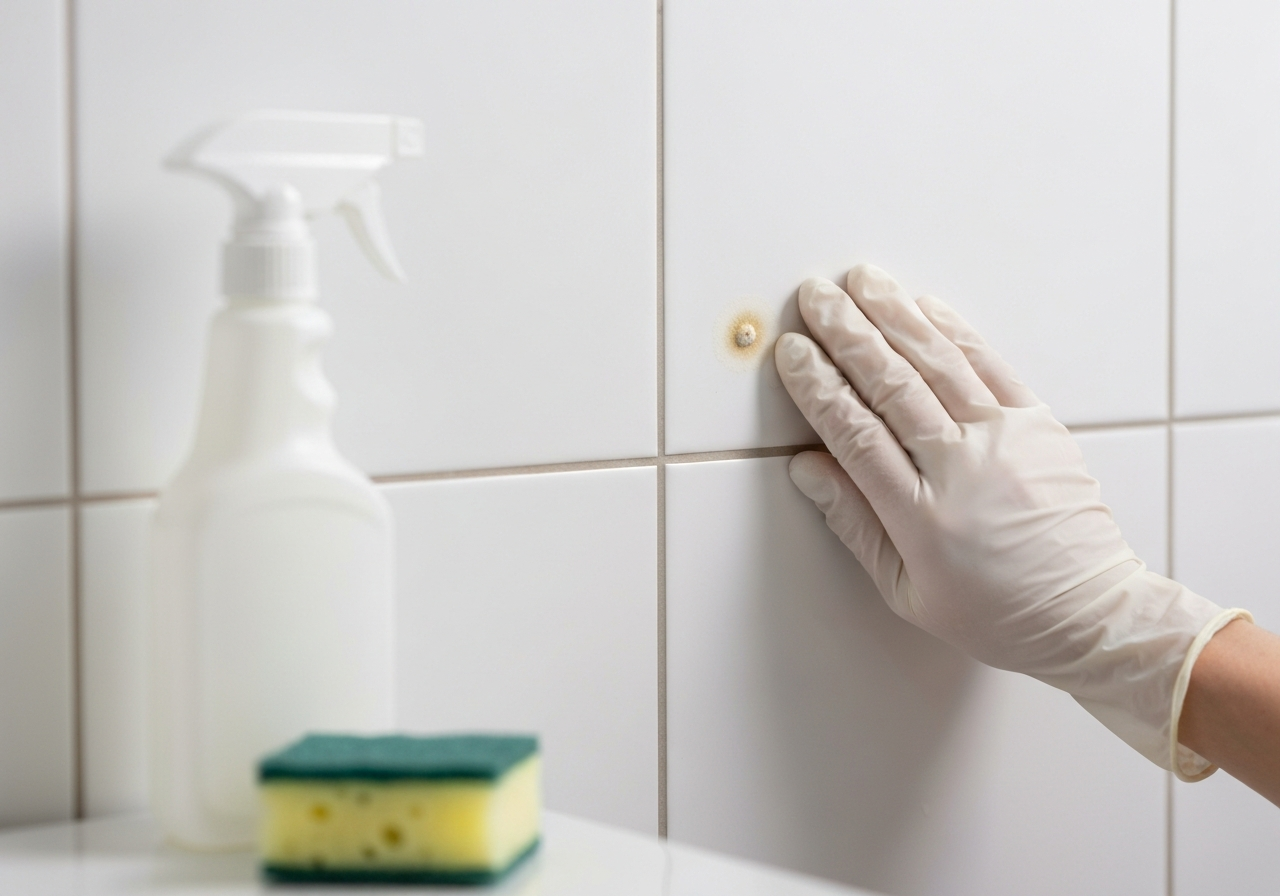
- Spray the chosen cleaning solution directly onto the moldy area, ensuring it’s saturated.
- Allow the solution to sit for 10-15 minutes (or as directed by the product label).
- Using a stiff brush or sponge, scrub the mold away in a circular motion.
- Rinse the surface with clean water and wipe it down with a damp cloth to remove all residue.
- Dry the area completely with a clean cloth or by using fans to accelerate drying.
- Porous Materials (e.g., drywall, insulation, carpet, ceiling tiles): Unfortunately, porous materials with significant mold growth are often not salvageable, as mold roots deeply into them. It’s usually best to discard these materials.
- Mist moldy porous materials with water before removal to prevent spores from becoming airborne.
- Carefully cut out and remove the affected sections.
- Double-bag the moldy materials in heavy-duty plastic bags and seal them tightly before disposal with regular household waste.
- Fabrics (e.g., clothes, curtains, upholstery):
- Take the item outdoors and gently brush off any loose mold with a stiff brush.
- Soak machine-washable items in a solution of equal parts white vinegar and cold water for 30 minutes to an hour. For delicate fabrics, dilute further.
- Launder the fabric with natural detergent on the hottest setting safe for the material. Add chlorine or non-chlorine bleach if appropriate for the fabric.
- Air dry completely, preferably in sunlight, to help further eliminate mold spores and odors.
4. Post-Cleanup Protocol
- HEPA Vacuum: After visible mold is removed and the area is dry, use a HEPA-filtered vacuum to clean the entire area thoroughly. This captures any remaining airborne spores.
- Dispose of Waste: Tightly seal all used cleaning materials (rags, sponges, respirator filters) and bagged moldy debris in plastic garbage bags and dispose of them.
- Clean Yourself: Remove protective clothing, wash your hands and face thoroughly, and machine wash any reusable clothing separately in hot water.
By following these steps, you can effectively manage small mold problems and contribute to a healthier home environment.
Beyond Cleanup: Preventing Mold from Returning
Removing existing mold is only half the battle; preventing its return is crucial for maintaining a healthy home, especially in humid climates like South Carolina. The key to long-term mold control is rigorous moisture management. Implement these strategies to keep your home mold-free:
- Control Indoor Humidity: Maintain indoor humidity levels between 30% and 50% using air conditioners and/or dehumidifiers, especially during warmer, humid months and in naturally damp areas like basements and crawl spaces. A hygrometer, an inexpensive tool, can help you monitor these levels. High indoor humidity is a significant factor in mold growth.
- Improve Ventilation: Ensure proper airflow throughout your home, particularly in moisture-generating areas.
- Use exhaust fans in bathrooms when showering and allow them to run for at least 20 minutes afterward.
- Run kitchen exhaust fans when cooking or washing dishes.
- Ensure clothes dryers vent to the outside and that the ducts are clear of obstructions.
- Open windows and doors when weather permits to encourage fresh air circulation.
- Proper attic and crawl space ventilation is vital to prevent moisture buildup in these often-neglected areas. For comprehensive solutions, consider crawl space mold removal in SC, which often includes encapsulation and dehumidification.
- Promptly Address Leaks: Immediately repair any leaks from plumbing, roofs, windows, or foundations. Even small, undetected leaks can lead to significant mold growth within 24-48 hours. Regularly inspect pipes and fixtures for signs of drips or condensation.
- Thoroughly Dry Wet Areas: If spills, leaks, or flooding occurs, clean and dry the affected areas and materials within 24-48 hours. For extensive water damage, professional water damage restoration may be necessary to ensure complete drying.
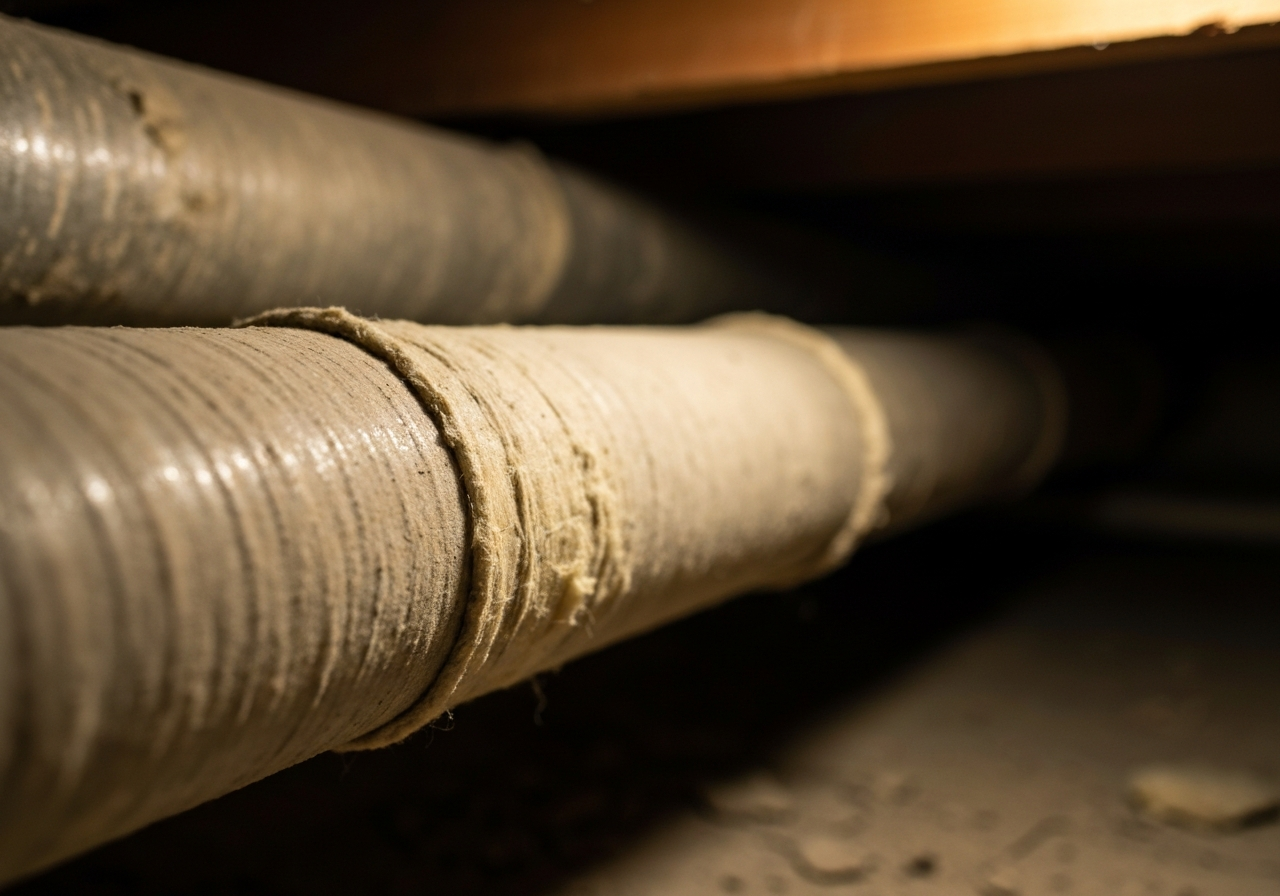
- Insulate Pipes and Ductwork: In unconditioned spaces like attics or crawl spaces, pipes and ducts can “sweat” due to condensation when exposed to warm, humid air. Insulating them helps prevent this moisture buildup.
- Manage Landscaping: Ensure the ground slopes away from your home’s foundation to direct rainwater away from the building. Keep gutters and downspouts clean and functioning properly to prevent water from collecting around the foundation.
- Clean Regularly: Routine cleaning helps remove settled mold spores and prevents new growth. Use mold-killing cleaning products on hard surfaces in bathrooms and kitchens.
These proactive measures are far more cost-effective and less disruptive than reactive mold remediation, safeguarding your home and health for the long term.
When to Call the Experts: Recognizing Larger Mold Problems
While handling small mold areas yourself is feasible, there are clear indicators that a mold problem requires professional intervention. Recognizing these signs early can prevent more extensive damage, higher remediation costs, and potential health complications:
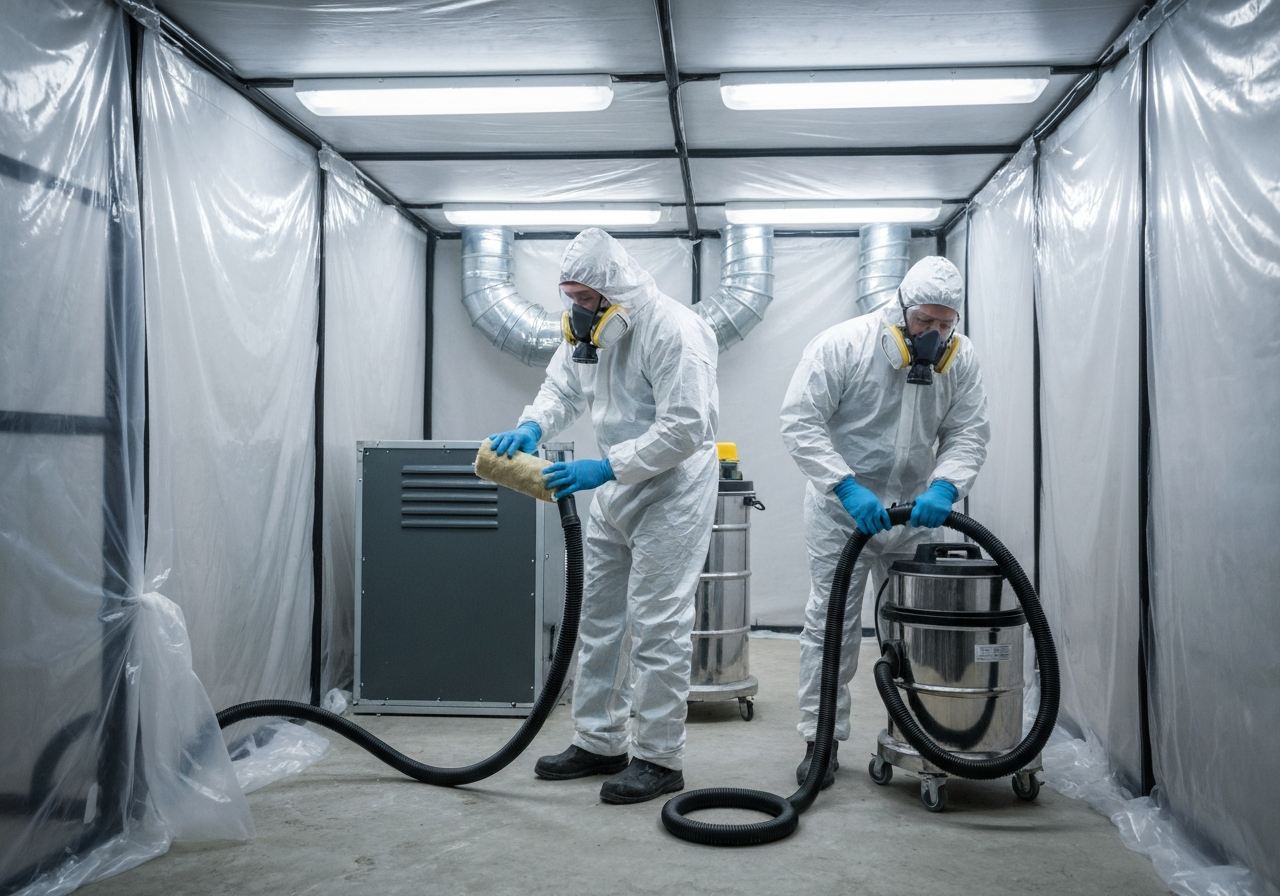
- Large Affected Area: If the mold growth covers an area larger than 10 square feet (roughly a 3 ft. x 3 ft. patch), it is generally recommended to call professionals. Large infestations require specialized equipment and containment strategies to prevent spores from spreading throughout your home.
- Hidden Mold: A persistent, musty odor without visible mold often points to hidden mold growth within walls, ceilings, floors, or HVAC systems. Professionals use advanced tools like moisture meters and thermal cameras to detect these concealed problems. Failure to address hidden mold means the problem will likely recur.
- Water Contamination Source: If the mold resulted from contaminated water (e.g., sewage backup, floodwaters containing hazardous substances), special precautions and cleaning methods are necessary that only trained professionals can safely execute. Such situations pose severe health risks.
- Recurrent Mold: If mold keeps returning after your DIY cleanup attempts, it indicates an unresolved moisture issue or incomplete removal, necessitating expert assessment to identify and rectify the root cause.
- Health Concerns: If occupants, especially children, the elderly, or those with respiratory conditions or weakened immune systems, experience ongoing health issues suspected to be related to mold exposure, professional testing and remediation are vital to create a safe indoor environment.
- Structural Damage: Visible signs of structural damage like warped walls, sagging ceilings, or extensive discoloration may indicate severe moisture intrusion and mold growth that has compromised building materials. Professionals can assess the extent of the damage and coordinate necessary repairs.
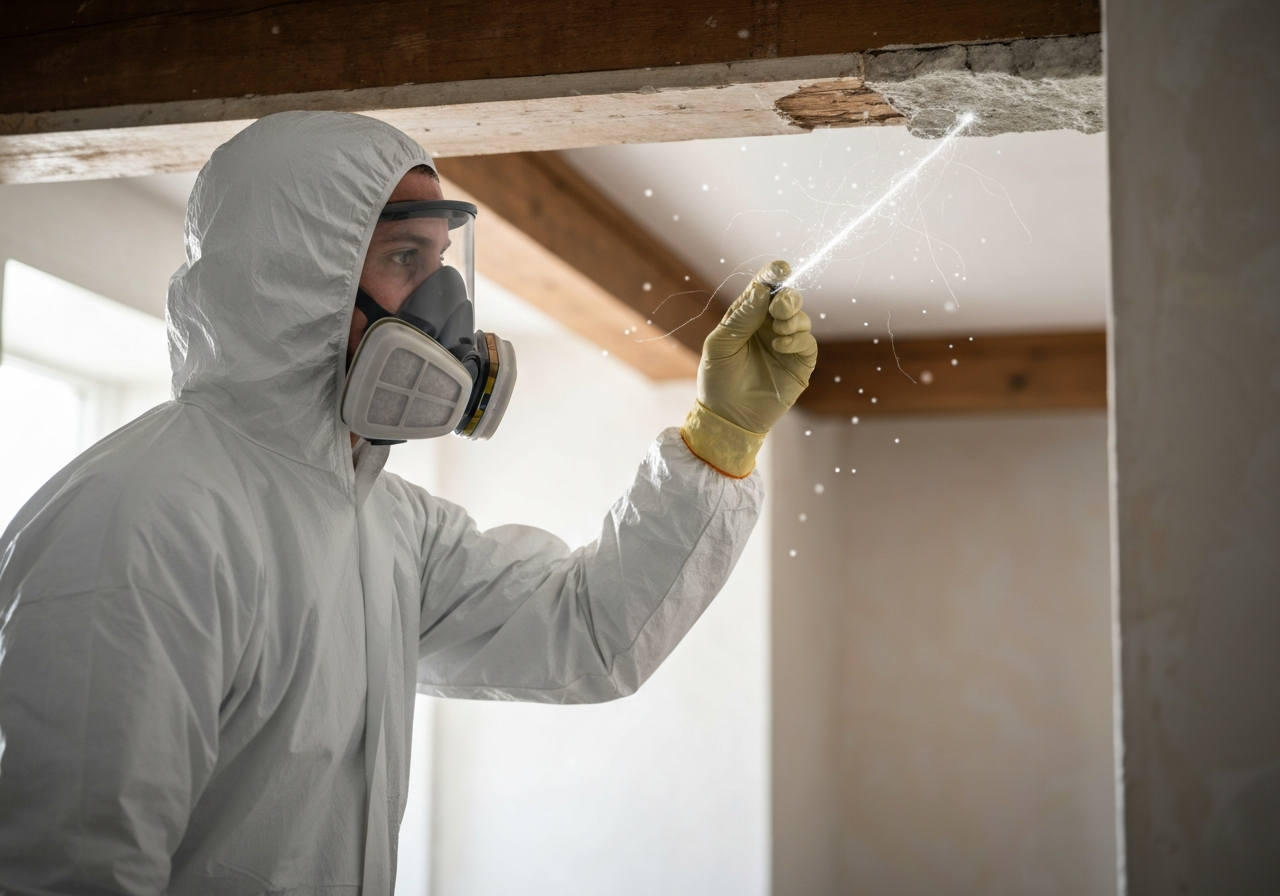
For comprehensive assessment and effective mold remediation, turning to certified experts like Piedmont Quality Air is the safest approach. They have the training, equipment, and experience to address complex mold issues, including those involving post-flood asbestos mold remediation, ensuring thorough removal and long-term prevention.
Piedmont Quality Air: Your Partner for a Healthier Home
Piedmont Quality Air is dedicated to ensuring the safety and health of your living and working environments. With over 10 years of experience, their team of trained, certified, licensed, and insured professionals provides comprehensive solutions for mold challenges. They understand the nuances of mold growth, particularly in diverse climates, and apply their expertise to deliver effective and lasting results.
Piedmont Quality Air emphasizes a systematic approach, beginning with a thorough inspection to identify the extent of mold growth and, crucially, its underlying moisture source. Their services include safe and meticulous mold removal, employing advanced techniques and specialized equipment. Beyond immediate remediation, they focus on implementing preventative measures to mitigate future mold issues, ensuring improved indoor air quality and protecting your property investment. Their commitment extends to adhering to stringent federal and state regulations for hazardous material removal, offering peace of mind to homeowners and businesses alike.
Don’t let mold compromise your home’s health. Whether you have questions or need expert mold remediation, reach out to Piedmont Quality Air today for a healthier living environment.