Renovation Dreams and Hidden Dangers: Why Abatement is Critical in NC & SC
Embarking on a renovation project in North or South Carolina is an exciting prospect, promising to transform your property into a dream space. However, beneath the surface of older homes and commercial buildings often lie hidden hazards that can turn renovation dreams into costly nightmares. This is where the crucial process of Abatement Before Renovation becomes non-negotiable. Ignoring these unseen dangers not only jeopardizes the health of occupants and workers but can also lead to significant legal and financial repercussions. In both North Carolina and South Carolina, properties built before the late 20th century may harbor hazardous materials like asbestos, lead-based paint, and mold. Disturbing these materials during demolition or renovation without proper abatement can release harmful particles into the air, creating immediate and long-term health risks.
Understanding Abatement Before Renovation: Your First Step to a Safe Project
Abatement refers to the systematic process of safely identifying, removing, repairing, or encapsulating hazardous materials from a structure. When undertaken Abatement Before Renovation, it ensures that these dangerous substances are neutralized or eliminated before any demolition or construction work begins. This proactive approach is foundational to a safe and successful project for several reasons:
- Health Protection: It prevents the release of harmful fibers and particles into the air, protecting workers, building occupants, and the surrounding community from exposure to serious health risks.
- Legal Compliance: Both North Carolina and South Carolina have stringent regulations governing the handling and disposal of hazardous materials. Proper abatement ensures your project adheres to these laws, avoiding hefty fines and legal liabilities.
- Cost Efficiency: Addressing hazardous materials upfront can prevent costly delays and emergency remediation during the renovation phase. Discovering asbestos or lead mid-project can halt work, increasing expenses significantly.
- Environmental Safeguard: Controlled abatement prevents environmental contamination, ensuring hazardous waste is managed and disposed of responsibly.
For individuals and firms undertaking such projects, especially those in North Carolina, understanding the specific requirements for lead-based paint activities, including inspections, risk assessments, and abatement, is critical. The N.C. Health Hazards Control Unit provides comprehensive guidance and certification for these activities, emphasizing occupant protection plans and safe work practices. More details can be found on the NC DPH website regarding lead-based paint abatement.
Common Hazardous Materials in Carolina Properties: Asbestos, Mold, and Lead
Many structures in North and South Carolina, especially those predating the 1980s, were built using materials that are now recognized as hazardous. Understanding these common culprits is key to effective Abatement Before Renovation:
Asbestos
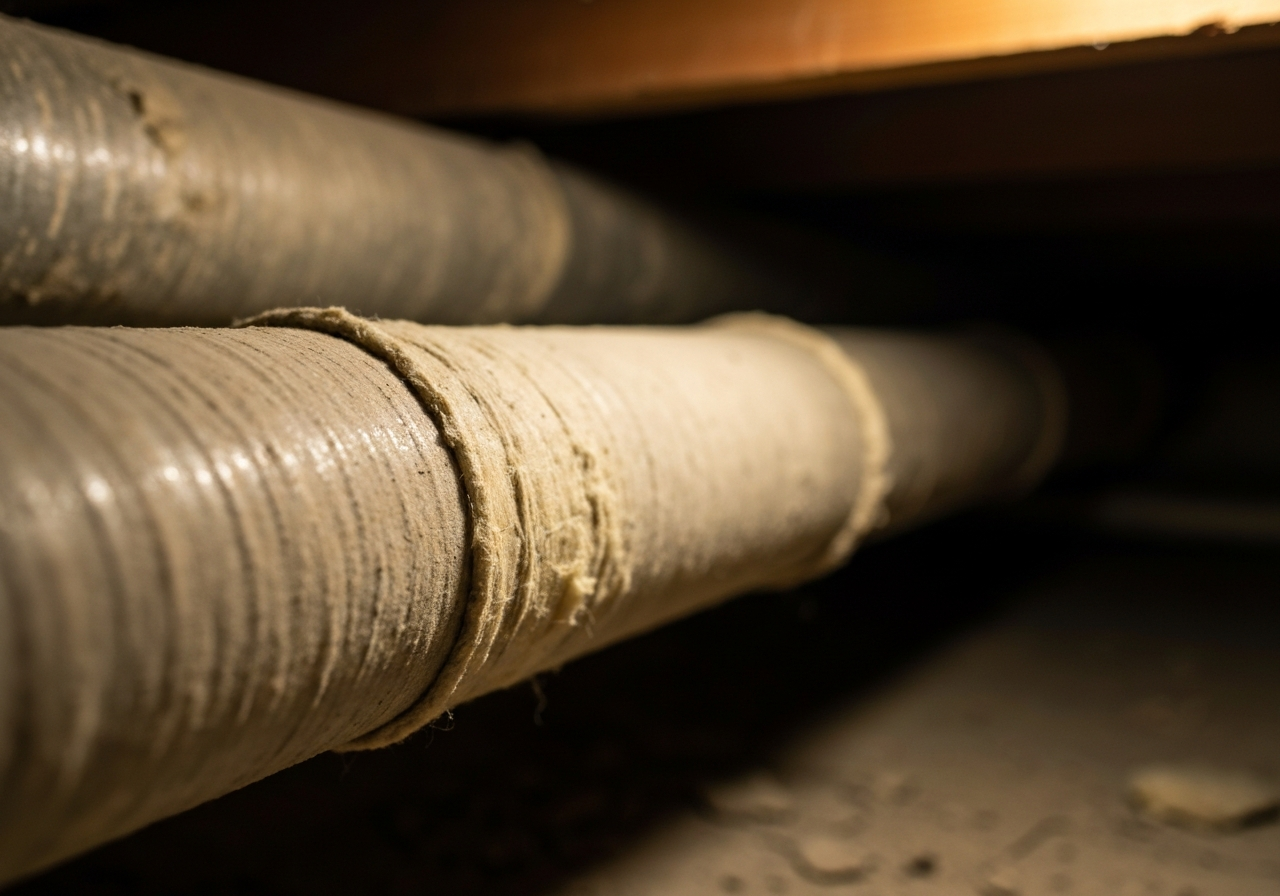
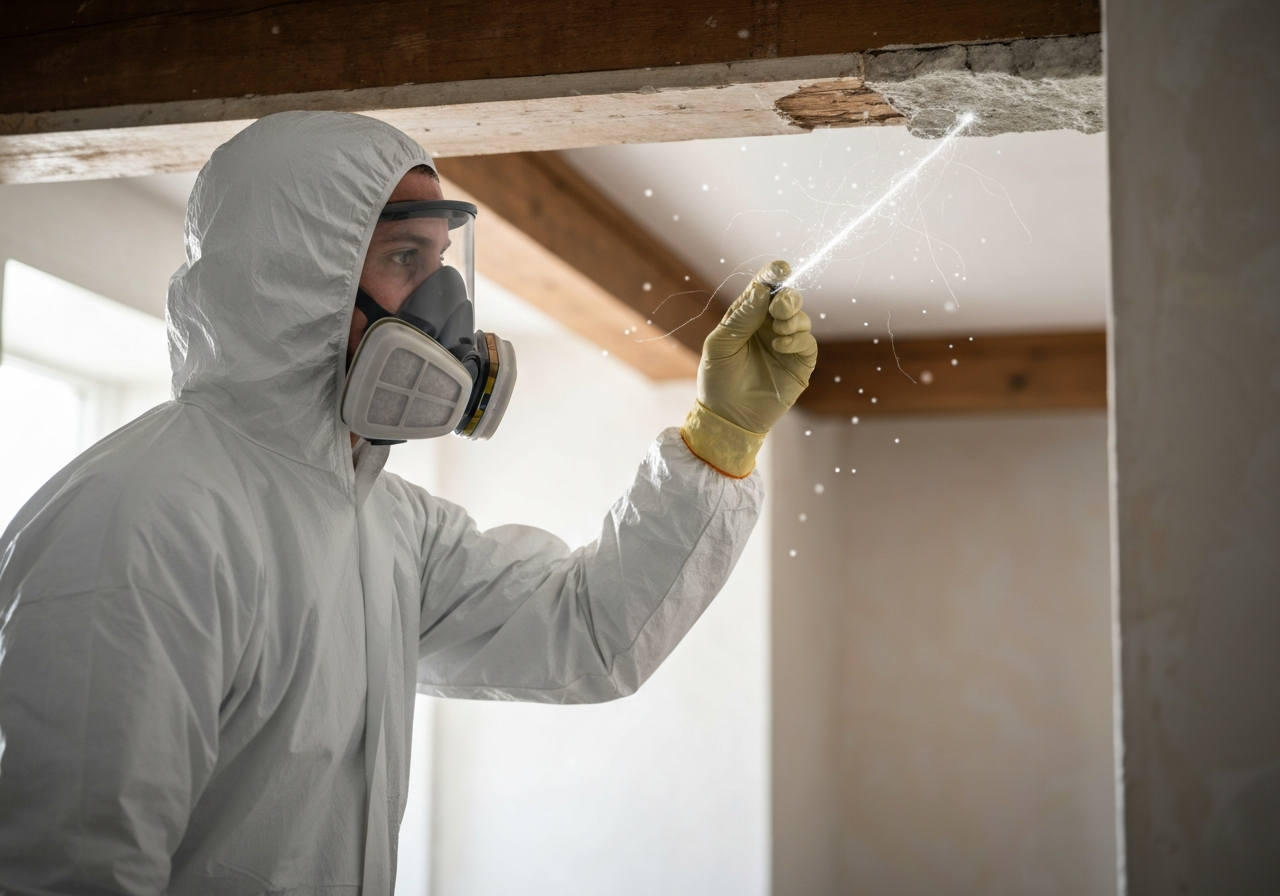
Historically valued for its fire resistance and insulating properties, asbestos was extensively used in various building materials. When these materials are disturbed, microscopic fibers become airborne and, if inhaled, can lead to severe respiratory diseases such as asbestosis, lung cancer, and mesothelioma years later.
- Where it’s found: Roofing shingles, siding, floor tiles, ceiling tiles, pipe insulation, drywall, joint compound, and textured paints.
- Regulatory Insight: North Carolina’s regulations, enforced by agencies like the N.C. Department of Health and Human Services (NCDHHS), mandate specific procedures for asbestos inspection, notification, abatement, and disposal. Similarly, in South Carolina, the Department of Environmental Services (SCDES) oversees asbestos management, requiring permits and adherence to strict guidelines for demolition projects involving asbestos. You can find more information about understanding N.C. Asbestos Rules, Regulations & Ordinances and South Carolina asbestos removal laws.
Lead-Based Paint
Prevalent in homes and buildings constructed before 1978, lead-based paint becomes a hazard when it chips, peels, or is disturbed during renovation. Ingesting or inhaling lead dust can cause lead poisoning, which is particularly detrimental to children, affecting their development and neurological health.
- Where it’s found: Walls, doors, windows, and exterior surfaces.
- Regulatory Insight: North Carolina requires certification and permits for paid renovation, repair, and painting (RRP) activities that disturb lead-based paint in pre-1978 child-occupied facilities and housing. The NC DPH provides detailed guidance on RRP work practices.
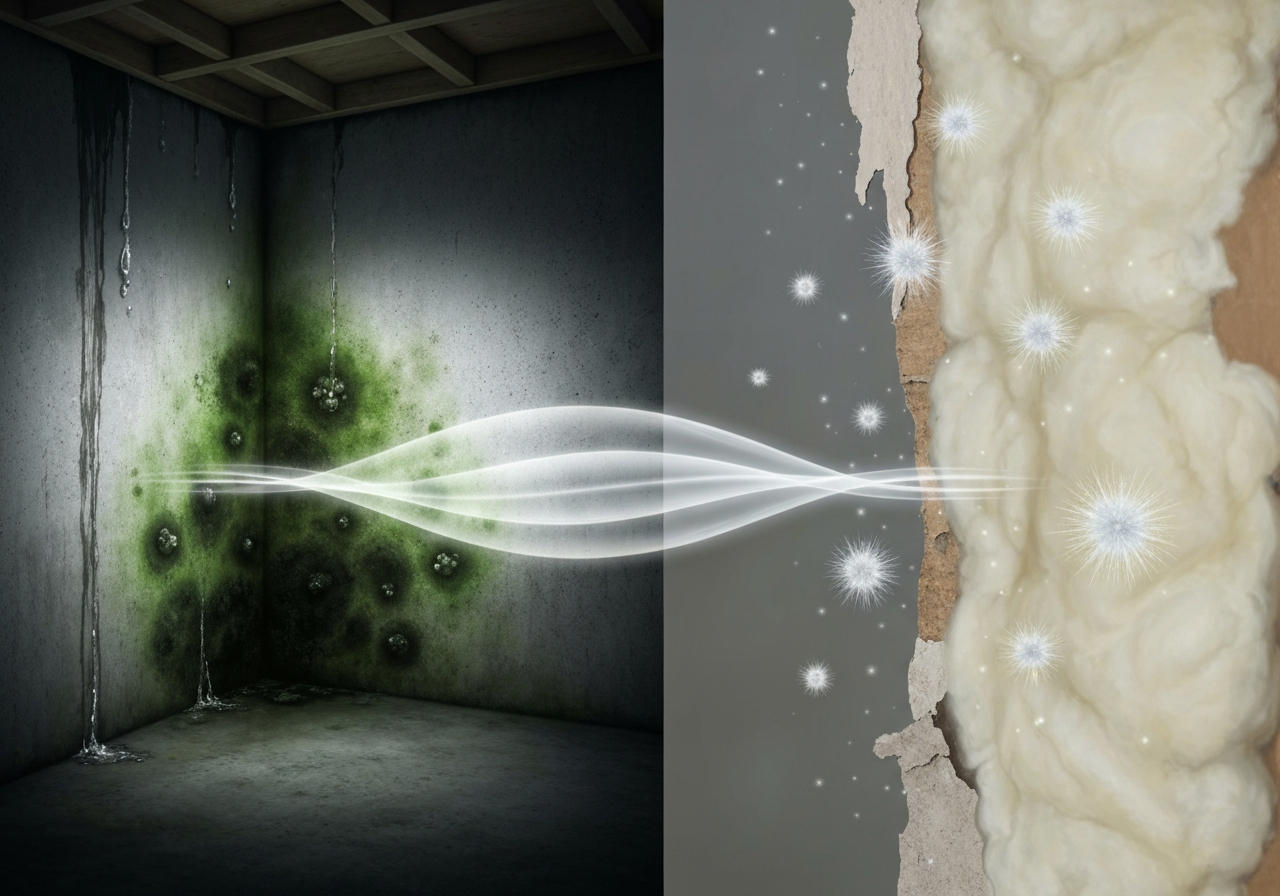
Mold
While naturally occurring, excessive mold growth due to moisture intrusion or high humidity can cause allergic reactions, respiratory issues, and other adverse health effects. Demolition can aerosolize mold spores, spreading contamination.
- Where it’s found: Damp areas like basements, crawl spaces, wall cavities, and around leaks.
- Environmental Insight: Humid climates like those in NC and SC are prone to mold growth, especially after water damage or flooding. Proper mold remediation involves addressing the moisture source and safely removing contaminated materials. Insights into asbestos, lead, and mold hazards are provided by Cornell Environmental Health & Safety. For detailed information specific to South Carolina, see our guide on Crawl Space Mold Removal in SC.
The Hidden Costs of Skipping Abatement: Health, Legal, and Financial Risks
Foregoing proper Abatement Before Renovation might seem like a way to save money or time initially, but this shortcut carries profound and often devastating hidden costs. These risks extend far beyond the immediate project, impacting personal health, legal standing, and financial stability for years to come.
Health Risks
Exposure to disturbed asbestos fibers, lead dust, or mold spores can lead to a range of severe health conditions:
- Asbestos Exposure: Can cause deadly diseases like mesothelioma, lung cancer, and asbestosis, with latency periods spanning decades.
- Lead Poisoning: Particularly dangerous for children, leading to developmental delays, neurological damage, and other serious health problems.
- Mold Exposure: Can trigger allergic reactions, asthma attacks, respiratory infections, and other immune system responses.
These health impacts can result in extensive medical bills, long-term care needs, and a significantly reduced quality of life for those affected.
Legal and Regulatory Penalties
Both federal and state agencies impose strict regulations on hazardous material handling. Non-compliance can lead to severe legal consequences:
- Fines and Penalties: Regulatory bodies like the EPA, OSHA, NCDHHS, and SCDES can levy substantial daily fines for violations of asbestos, lead, and waste disposal regulations. For instance, in North Carolina, administrative penalties for asbestos NESHAP violations can reach up to $10,000 per day per violation.
- Project Delays and Stop-Work Orders: Discovering hazardous materials mid-project can result in immediate stop-work orders, disrupting timelines and escalating labor costs.
- Lawsuits and Liability: Property owners and contractors can face lawsuits from workers, future occupants, or neighboring properties if improper abatement leads to exposure and subsequent health issues. The legal responsibility often falls on the property owner.
North Carolina General Statutes, such as Chapter 19, Article 1, declare activities that create public health hazards, including improper handling of hazardous materials, as nuisances subject to abatement action by the state. Detailed information on asbestos hazard management policies and potential penalties is available from the N.C. Division of Public Health.
Financial Burden
The financial ramifications of skipping proper abatement can quickly outweigh any perceived initial savings:
- Emergency Remediation: Unplanned abatement during a renovation is typically more expensive and complex than scheduled, pre-renovation abatement.
- Property Devaluation: A property with unresolved hazardous material contamination can be difficult to sell or lease, significantly decreasing its market value.
- Increased Disposal Costs: Improperly managed hazardous waste may incur additional costs for corrective disposal and environmental cleanup.
- Insurance Issues: Many insurance policies do not cover damages resulting from pre-existing hazardous material contamination or improper handling.
Therefore, investing in professional Abatement Before Renovation is not merely an expense but a critical investment in long-term safety, legal compliance, and financial protection.
The Professional Abatement Process: Ensuring Safety, Compliance, and Peace of Mind
A professional Abatement Before Renovation process is a highly specialized undertaking, meticulously designed to ensure the safe and compliant removal of hazardous materials. This comprehensive approach prioritizes health, strictly adheres to regulatory requirements, and ultimately provides peace of mind to property owners and renovators.
1. Initial Assessment and Planning
Every project begins with a thorough inspection by certified professionals to accurately identify the presence, type, and extent of hazardous materials. This involves:
- Detailed Survey: Collecting samples of suspected materials for laboratory analysis (e.g., asbestos, lead paint).
- Risk Assessment: Evaluating the condition of the materials and the potential for fiber/dust release during renovation.
- Work Plan Development: Crafting a comprehensive plan outlining the scope of work, abatement methods, safety protocols, containment strategies, air monitoring requirements, and waste disposal procedures. This plan is often submitted to state regulatory agencies for approval.
2. Containment and Worker Protection
To prevent the spread of hazardous materials, stringent containment measures are put in place:
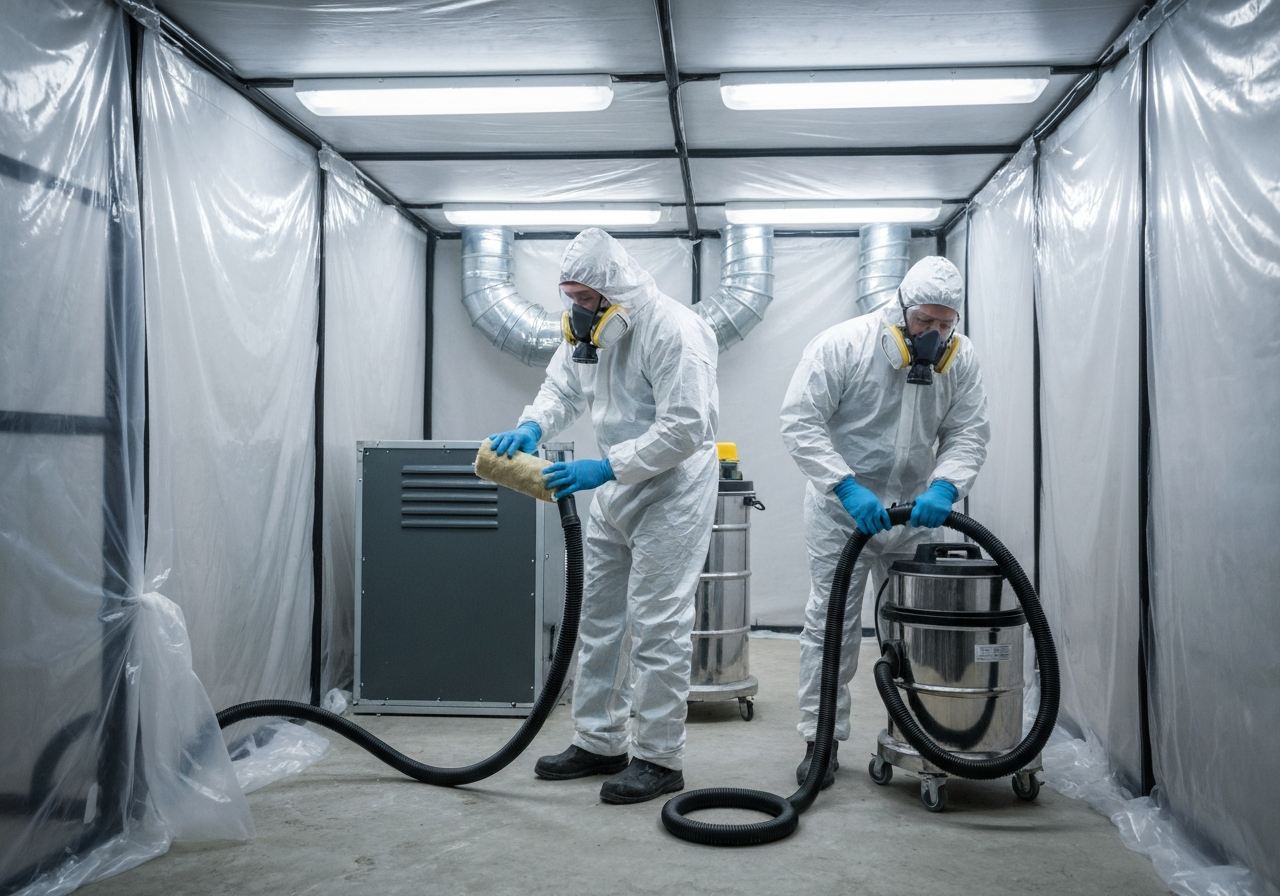
- Sealing the Work Area: Using heavy-duty plastic sheeting and negative air pressure machines (equipped with HEPA filters) to isolate the work zone. This ensures that air flows into the containment, trapping contaminants inside.
- Decontamination Units: Establishing multi-stage decontamination areas for workers to safely remove contaminated clothing and equipment before exiting the containment.
- Personal Protective Equipment (PPE): Abatement workers wear specialized gear, including full-body suits, gloves, and respirators (such as N95 or P100 respirators, or supplied-air respirators for high-risk scenarios), tailored to the specific hazard.
These measures protect both the onsite team and prevent cross-contamination to other areas of the property or the environment.
3. Safe Removal and Remediation Techniques
Specialized techniques are employed for each type of hazardous material to minimize disturbance and ensure effective removal:
- Asbestos Abatement: Involves wetting the material with amended water to bind fibers, careful hand-dismantling, and HEPA-filtered vacuuming. The goal is to remove materials intact whenever possible.
- Lead-Based Paint Removal: May involve wet scraping, chemical stripping, or specialized abrasive techniques with HEPA-filtered equipment to minimize lead dust.
- Mold Remediation: Focuses on identifying and rectifying the moisture source, physically removing moldy materials, cleaning and disinfecting affected surfaces, and thorough drying using industrial-grade dehumidifiers and air movers. More information about removing hazardous materials before demolition is available from Piedmont Quality Air’s guide to safe demolition in SC.
4. Post-Abatement Clearance and Disposal
The process concludes with rigorous verification and responsible disposal:
- Thorough Cleaning: The entire work area is meticulously cleaned using HEPA-filtered vacuums and wet wiping.
- Clearance Testing: An independent third-party industrial hygienist conducts air and/or surface sampling (e.g., TEM for asbestos, dust wipe for lead) to confirm that hazardous material levels are below regulatory limits and the area is safe for re-occupancy or subsequent renovation activities.
- Hazardous Waste Disposal: All removed materials are securely packaged, clearly labeled as hazardous waste, and transported by licensed haulers to approved disposal facilities in compliance with federal and state regulations. South Carolina has specific regulations governing the transportation and disposal of asbestos and other hazardous materials. More information on Minnesota OSHA’s abatement process provides insights into similar regulatory approaches across states, reinforcing the importance of proper documentation and follow-up in abatement activities. The Minnesota OSHA Compliance website details this process.
This systematic approach not only meets all legal and safety requirements but also provides property owners the assurance that their renovation project can proceed on a clean, safe foundation.
Long-Term Benefits: A Safer Property and a Smoother Renovation Journey
Investing in Abatement Before Renovation yields significant long-term benefits that extend far beyond the immediate project completion. This proactive measure establishes a foundation for a healthier property, a more streamlined renovation experience, and enhanced value, both in terms of safety and market appeal.
Enhanced Health and Safety for Occupants
The most paramount long-term benefit is the elimination of ongoing health risks associated with hazardous materials. By removing asbestos, lead, and mold, future occupants are protected from exposure to carcinogens, neurotoxins, and allergens. This is especially crucial for families with children or individuals with respiratory sensitivities. A healthy indoor environment contributes to overall well-being and peace of mind.
Increased Property Value and Marketability
A property that has undergone certified hazardous material abatement becomes significantly more attractive to potential buyers or tenants. Documentation of professional abatement serves as a powerful selling point, reassuring future occupants that they are investing in a safe and healthy environment. It removes potential liabilities and concerns that might otherwise deter buyers, often leading to a quicker sale and a higher market value.
Avoidance of Future Legal and Financial Liabilities
Proper abatement proactively addresses potential legal entanglements. By complying with all federal, state, and local regulations during the renovation, property owners mitigate the risk of future lawsuits related to exposure, regulatory fines, or stop-work orders. This foresight protects against unforeseen and costly legal battles that can arise years after a project’s completion.
Smoother, More Predictable Renovation Timeline and Budget
Addressing hazardous materials at the outset prevents unexpected discoveries that can derail a renovation. Without the need for emergency abatement, projects can adhere more closely to their original timelines and budgets. This predictability avoids costly delays, additional labor expenses, and the stress of unforeseen complications, leading to a much more efficient and pleasant renovation journey. This strategic planning contributes to greater efficiency and financial control, as explored in our article on evaluating the impact of SCDES on hazardous removal efficiency.
Reduced Environmental Impact
Responsible abatement ensures that hazardous waste is disposed of properly, preventing environmental contamination. This commitment to environmental stewardship benefits the local ecosystem and contributes to a healthier community overall.
Ultimately, making Abatement Before Renovation a priority is an investment that pays dividends in safety, financial security, and peace of mind, ensuring that your property not only looks good but is fundamentally sound and healthy for generations to come.
Your Trusted Partner in Safety: Why Piedmont Quality Air for NC & SC Abatement
Navigating the complex world of hazardous material abatement requires more than just general contracting skills; it demands specialized expertise, rigorous adherence to safety protocols, and a deep understanding of federal and state regulations. For property owners and developers in North and South Carolina, choosing the right partner for Abatement Before Renovation is paramount. Piedmont Quality Air stands as a leading expert in this critical field, offering comprehensive services tailored to the unique environmental and regulatory landscapes of both states.
Unmatched Expertise and Certification
Our team comprises highly trained and certified professionals specializing in asbestos removal, lead paint stabilization, and mold remediation. We are intimately familiar with the specific requirements set forth by regulatory bodies such as the North Carolina Department of Health and Human Services (NCDHHS), the South Carolina Department of Environmental Services (SCDES), OSHA, and EPA. This extensive knowledge ensures that every project we undertake is fully compliant, mitigating legal risks and safeguarding public health.
Adherence to Strict Safety Protocols
Safety is the cornerstone of our operations. We employ industry-leading practices and state-of-the-art equipment to guarantee the highest level of protection for our workers, clients, and the environment. This includes:
- Establishing robust containment zones with negative air pressure systems.
- Utilizing advanced personal protective equipment (PPE).
- Implementing precise removal techniques to minimize airborne contaminants.
- Conducting thorough post-abatement cleaning and independent third-party air clearance testing.
Our commitment to safety is unwavering, recognizing that anything less is unacceptable when dealing with hazardous substances. This dedication is especially vital in sensitive environments such as hospitals, where we offer specialized mold remediation services for South Carolina hospitals.
Comprehensive, Integrated Services
Piedmont Quality Air offers a holistic approach to hazardous material management. Beyond expert abatement, our services often integrate seamlessly with other pre-renovation needs, including interior demolition. This integrated capability allows for a streamlined workflow, ensuring that all hazardous materials are safely addressed before subsequent demolition activities commence. Our expertise extends to handling emergency situations, such as post-flood asbestos and mold remediation in South Carolina, demonstrating our readiness to respond to unforeseen challenges with efficiency and care.
Commitment to Transparency and Client Education
We believe in empowering our clients with knowledge. From the initial consultation and free estimate, we provide clear, detailed explanations of the abatement process, potential risks, regulatory requirements, and expected timelines. Our transparent communication ensures that you are fully informed and confident in the safety and compliance of your project. We understand that effective hazardous material management requires transparent communication and robust safety measures, a principle underscored by OSHA’s guidelines for post-citation procedures and abatement verification.
Choosing Piedmont Quality Air means partnering with a company dedicated to your safety, committed to environmental protection, and proficient in navigating the intricacies of abatement regulations in North and South Carolina. We ensure your renovation journey begins with the cleanest, safest foundation possible.
Secure Your Investment: Make Abatement Before Renovation Your Priority
The decision to undertake a renovation is a significant investment in your property. To truly secure that investment, making Abatement Before Renovation a top priority is not merely advisable but essential. This crucial step safeguards not just the structural integrity and aesthetic appeal of your property, but, most importantly, the health and well-being of everyone who will occupy it. By systematically identifying and addressing hazardous materials such as asbestos, lead-based paint, and mold before demolition or construction begins, you are actively preventing future health crises, avoiding costly legal battles, and ensuring regulatory compliance. The peace of mind that comes from knowing your renovated space is free from hidden dangers is invaluable. Ultimately, prioritizing abatement is a testament to responsible property ownership and a commitment to creating safer, healthier environments for the future in North and South Carolina.
Secure Your Renovation Safely!
Don’t let hidden hazards derail your dream project. Ensure the safety and success of your renovation in North or South Carolina by addressing hazardous materials upfront. Contact Piedmont Quality Air today for expert abatement services and build on a clean, safe foundation.