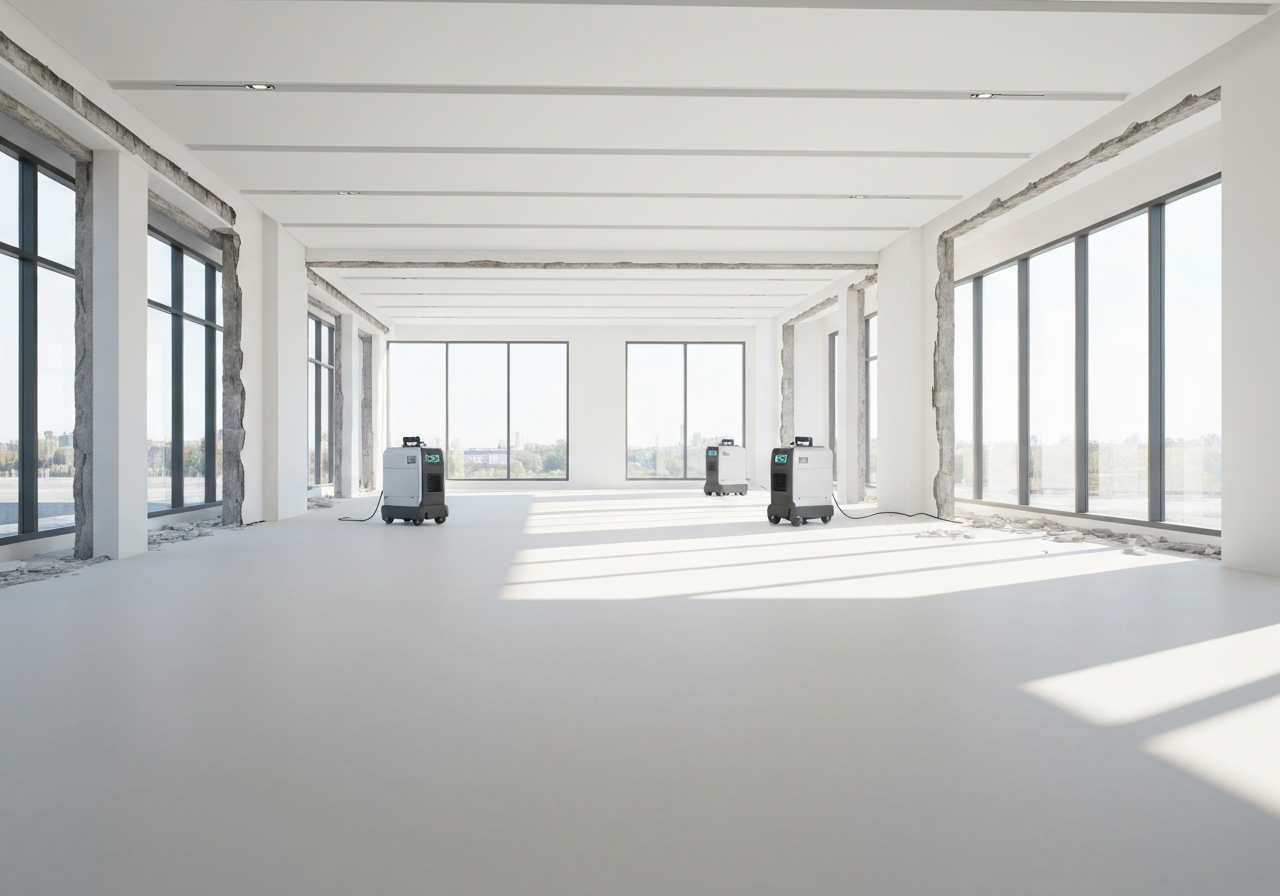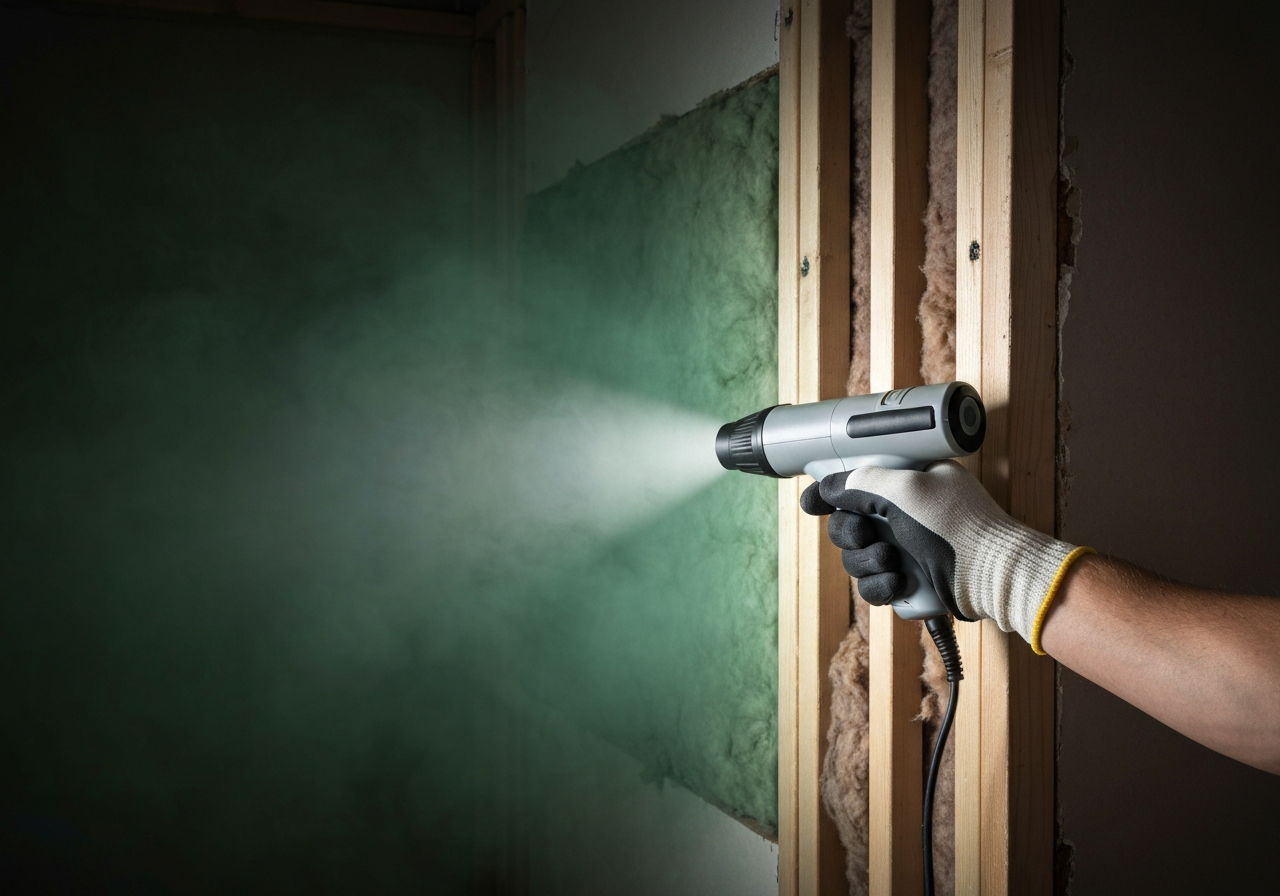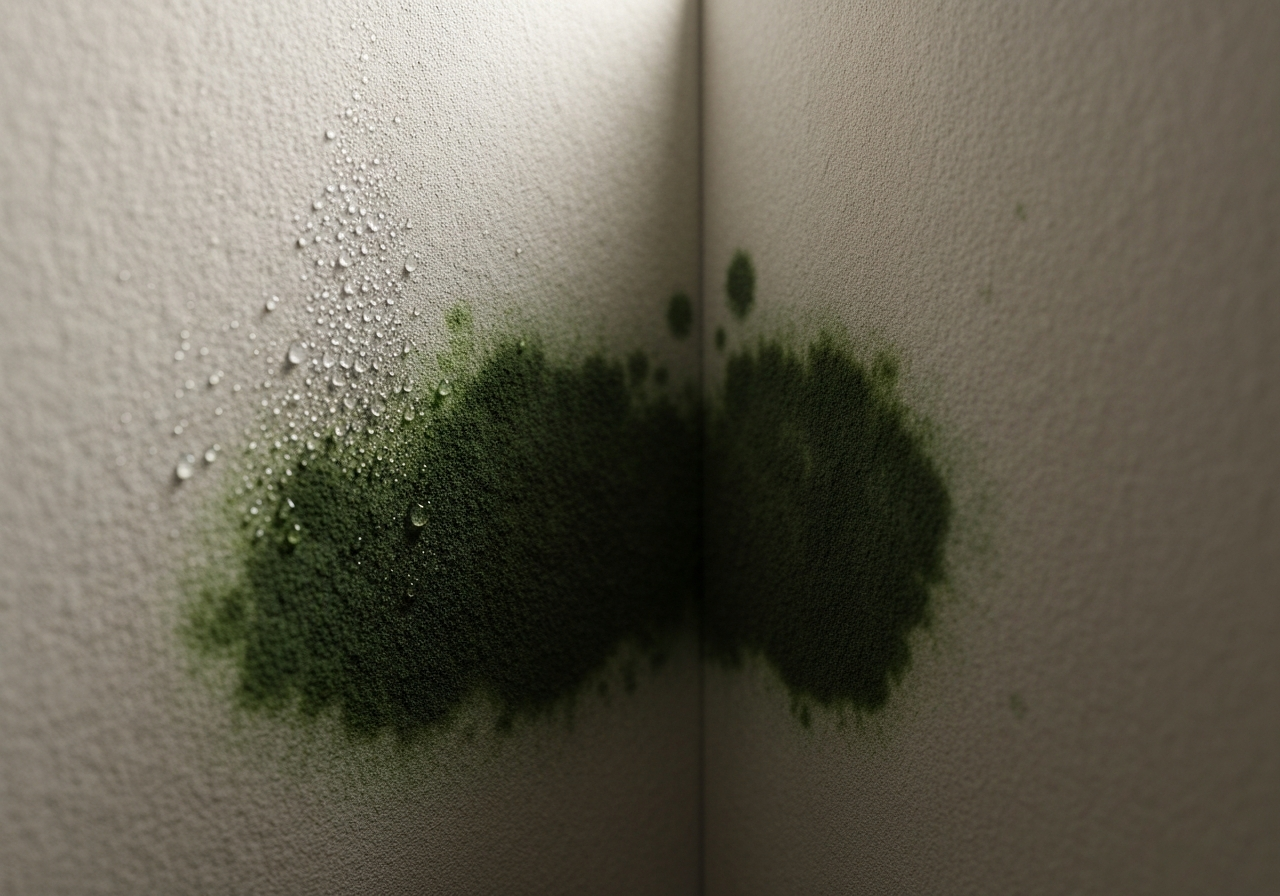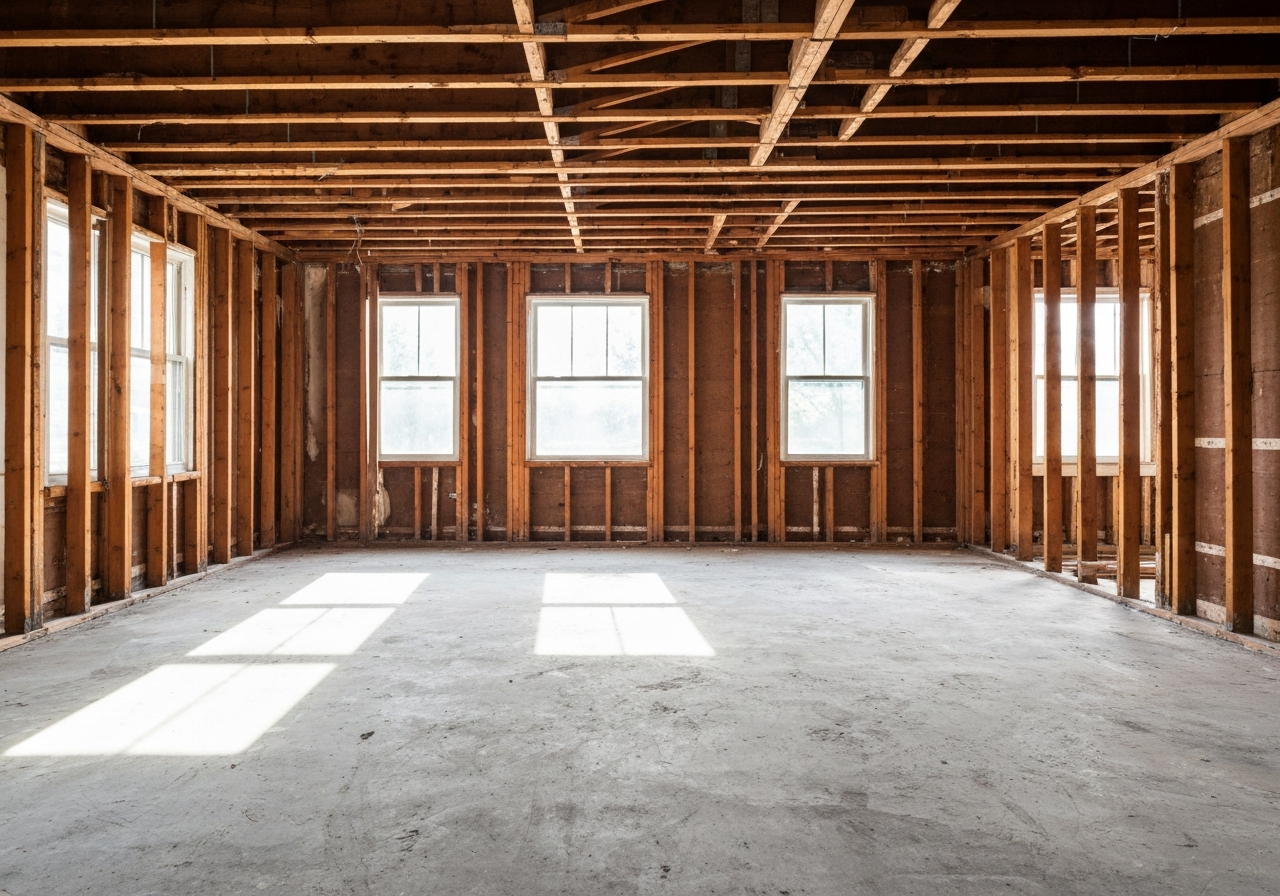
Understanding the Asbestos Threat and the Importance of NESHAP
Asbestos, a naturally occurring fibrous mineral, was once lauded for its fire-resistant and insulating properties, leading to its widespread use in construction materials until the late 20th century. However, the disturbance of asbestos-containing materials (ACMs) releases microscopic fibers into the air, posing severe health risks including asbestosis, lung cancer, and mesothelioma. To safeguard public health and the environment from these hazards, the U.S. Environmental Protection Agency (EPA) established stringent regulations, notably the National Emission Standards for Hazardous Air Pollutants (NESHAP) for asbestos. This critical regulatory framework, known as the Asbestos NESHAP Program and Regulations, dictates specific work practices for facilities undergoing demolition or renovation activities involving asbestos, aiming to minimize fiber release and ensure safety.
Demystifying the Asbestos NESHAP Program and Regulations
The core of the Asbestos NESHAP Program and Regulations is found in 40 CFR Part 61, Subpart M. This federal standard outlines the requirements for safely handling asbestos during demolition and renovation projects. It mandates specific procedures for identifying, removing, and disposing of ACMs to prevent asbestos emissions into the atmosphere. These regulations apply to a broad range of facilities, ensuring that whether a building is being demolished or undergoing significant renovation, the potential for asbestos exposure is mitigated through carefully defined work practices. Adherence to these guidelines is paramount for protecting workers, building occupants, and the surrounding community from the severe health consequences associated with asbestos exposure.
Who Needs to Comply? Applicability for Residential and Commercial Properties in North Carolina
Understanding the applicability of the Asbestos NESHAP Program and Regulations is crucial for property owners and contractors in North Carolina. While the NESHAP regulations primarily target industrial, commercial, and institutional facilities, they can extend to residential properties under certain conditions. Typically, residential buildings with four or fewer dwelling units are exempt unless they are part of a commercial or public project, such as the demolition of multiple homes for a new development. However, North Carolina often has state-specific regulations and local ordinances that may broaden the scope of applicability or impose additional requirements. For instance, Mecklenburg County Air Quality (MCAQ) provides a Residential NESHAP Applicability Form to help clarify if a residential project is subject to local NESHAP rules. Compliance is generally triggered when regulated asbestos-containing material (RACM) exceeds specific quantities: 160 square feet, 260 linear feet, or 35 cubic feet.
- Commercial and Public Buildings: Always subject to NESHAP for demolition and renovation activities involving RACM.
- Residential Buildings (Four or Fewer Dwelling Units): Exempt unless part of a larger commercial or public project.
- Threshold Quantities: Any project disturbing RACM exceeding 160 sq ft, 260 linear ft, or 35 cubic ft requires NESHAP compliance and notification.
Navigating NESHAP Notification Requirements: Timelines and Essential Documents
A critical component of the Asbestos NESHAP Program and Regulations involves strict notification requirements prior to any demolition or renovation activity that might disturb RACM. In North Carolina, entities such as Mecklenburg County Air Quality (MCAQ) require notification 10 working days before the start date of the project. This advance notice allows regulatory bodies to review project plans and ensure compliance. Essential documents for notification typically include:
- A detailed asbestos inspection report confirming the presence and quantity of RACM.
- A completed NESHAP notification form outlining the scope of work, project timelines, and abatement procedures.
- Proof of payment for associated fees.
Many local jurisdictions, including Mecklenburg County, now offer online portals for submitting NESHAP demolition/renovation notifications, streamlining the compliance process.
Asbestos Inspections, Reporting, and Understanding Associated Fees
Before any demolition or renovation, a thorough asbestos inspection by a licensed professional is mandatory to identify all ACMs. The findings of this inspection are crucial for accurate reporting and compliance with the Asbestos NESHAP Program and Regulations. Reporting extends beyond initial notification to include waste shipment records, which track the disposal of asbestos-containing waste material. Failure to receive a signed waste shipment record from the disposal site within 45 days necessitates a written report to the relevant NESHAP authority.
Associated fees are also part of the compliance landscape. For asbestos removal (renovation) NESHAP notifications, a fee of $365 is typical in Mecklenburg County. Demolition permits and their associated fees are usually handled by Code Enforcement divisions. Individuals performing asbestos management activities in North Carolina must be accredited by the NC Asbestos Hazard Management Program, Health Hazards Control Unit (HHCU), further emphasizing the need for professional expertise.
The Risks of Non-Compliance and The Value of Professional Asbestos Removal
Non-compliance with the Asbestos NESHAP Program and Regulations carries significant risks, ranging from severe health consequences to substantial legal and financial penalties. Improper handling of asbestos can lead to widespread fiber release, exposing workers and the public to life-threatening diseases that may not manifest for decades. Beyond health concerns, violations can result in hefty fines, project delays, enforcement actions, and considerable legal liability. The most convincing evidence for credibility in asbestos management is a perfect safety record achieved through unwavering adherence to established protocols and regulations. It’s not just about what you do, but how meticulously you do it, ensuring every fiber is contained.
Given the complexities and dangers, professional asbestos removal is not merely a recommendation but a necessity. Expert services ensure that all procedures, from initial inspection to final disposal, are conducted in strict accordance with federal, state, and local regulations. For instance, after severe weather events, professional North Carolina asbestos storm damage cleanup is vital to safely address disturbed ACMs.
Partner with Piedmont Quality Air for Safe, Compliant Asbestos Remediation
Navigating the intricate landscape of the Asbestos NESHAP Program and Regulations requires specialized knowledge, experience, and the right equipment. Piedmont Quality Air is committed to providing comprehensive asbestos remediation services that ensure full compliance with all federal, state, and local requirements. Our team of certified professionals is adept at managing every aspect of asbestos abatement, from meticulous inspections and precise containment to safe removal and proper disposal. We understand the nuances of North Carolina’s specific rules and are dedicated to protecting the health and safety of our clients and the community. By partnering with Piedmont Quality Air, you are choosing a trusted expert dedicated to the highest standards of safety, environmental protection, and regulatory adherence for all your asbestos concerns.
Ensure your asbestos remediation project is safe and compliant. Contact Piedmont Quality Air today for expert services and peace of mind.