Your North Carolina Home Renovation Project: Understanding Hidden Dangers
Embarking on a home renovation project in North Carolina is an exciting endeavor, promising refreshed spaces and increased property value. However, for homes built before the 1980s, a hidden danger can lurk within the walls, ceilings, and flooring: asbestos. Understanding the risks associated with asbestos during home renovation North Carolina is crucial for protecting your health and ensuring a safe project. Disturbing asbestos-containing materials (ACMs) without proper precautions can release microscopic fibers into the air, leading to serious, long-term health issues.
Asbestos Defined: A Silent Threat to Health in NC Homes
Asbestos is a naturally occurring group of fibrous minerals, historically prized for its heat resistance, durability, and insulating properties. For decades, it was a common component in over 3,000 building materials across the United States, including many North Carolina homes. However, scientific understanding revealed the severe health risks associated with asbestos exposure. There is no safe level of asbestos exposure; once inhaled, these tiny fibers can become lodged in the lungs, leading to debilitating and often fatal diseases such as asbestosis, lung cancer, and mesothelioma, which can manifest many years after initial exposure. For more detailed information on asbestos and its health impacts, the NC Department of Health and Human Services provides comprehensive resources.
Common Places Asbestos Hides in Older North Carolina Properties
Many older homes in North Carolina, especially those constructed before the 1980s, may contain asbestos in various building materials. Recognizing these potential locations is the first step toward a safe renovation. Common areas where asbestos might be found include:
- Attic Insulation: Loose, fluffy insulation, often grayish-brown or silver-gold, may be vermiculite contaminated with asbestos.
- Popcorn Ceilings: Textured ceiling finishes common in the 1970s often contained asbestos. Scraping or sanding these can release fibers.
- Vinyl Floor Tiles and Adhesives: Older 9×9 inch floor tiles, sheet vinyl flooring, and the black mastic adhesive used to install them can contain asbestos fibers. Disturbing these during removal can be hazardous.
- Pipe Insulation: White or gray wrapping around hot water pipes and boilers, often resembling bandages, is a common source of asbestos. If crumbling, it poses a high risk.
- Roofing and Siding: Asbestos-cement shingles, roofing felt, and siding panels were popular for their weather resistance and fireproofing qualities. Renovation of these exterior components requires careful handling.
- Drywall and Joint Compound: Used extensively in older homes, these materials can contain asbestos.
- Old Appliances: Some vintage appliances, like ovens or space heaters, may have asbestos insulation.
For a more detailed guide on where asbestos might hide, consider reviewing resources like “Where Asbestos Hides in Older Homes: A Practical Guide.”
Navigating Asbestos During Home Renovation North Carolina: Why Professional Help is Crucial
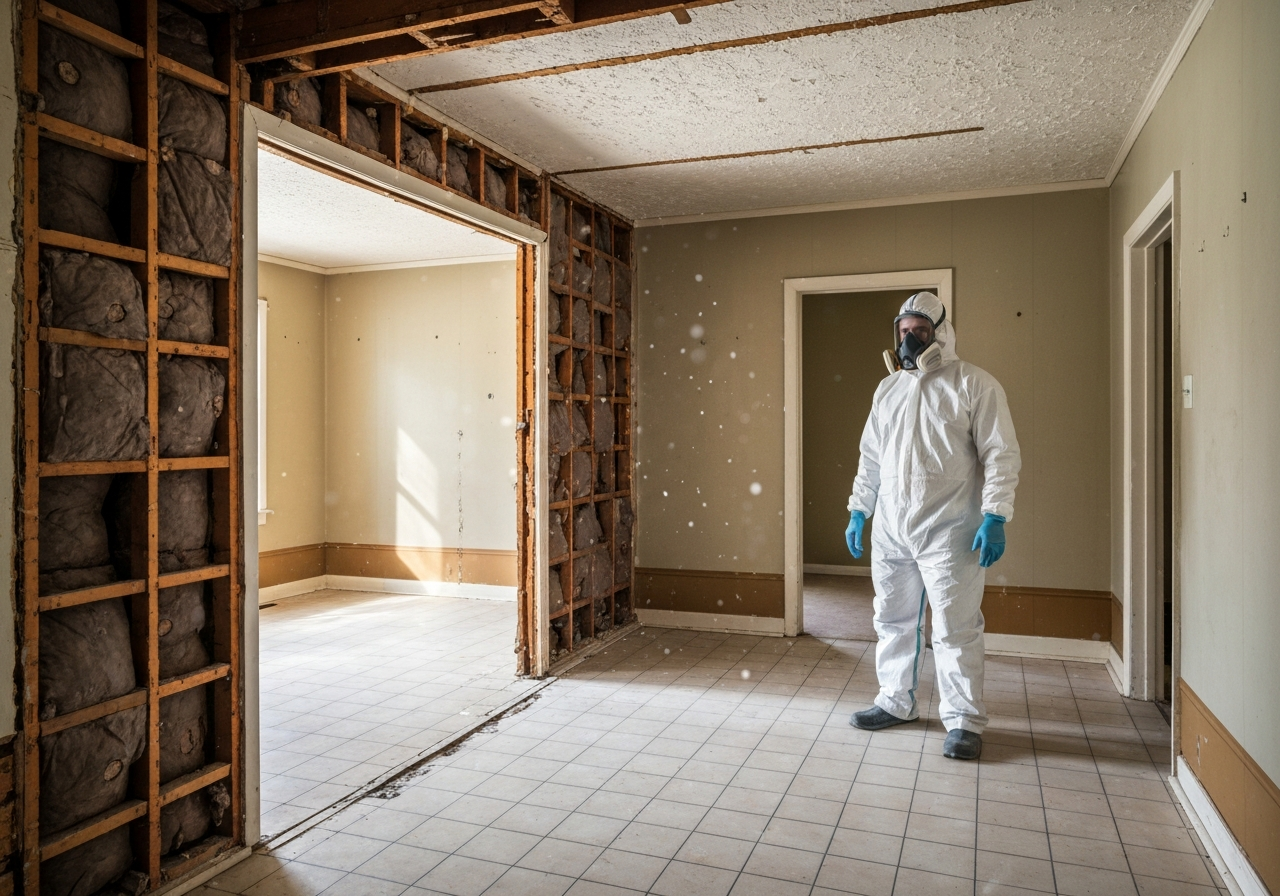
Given the severe health risks and the complex regulatory framework surrounding asbestos, professional help is not just recommended, but often legally required when dealing with asbestos during home renovation in North Carolina. Attempting a DIY removal, especially of friable (easily crumbled) asbestos-containing materials, can lead to widespread contamination of your home and serious health consequences for you and your family. North Carolina has stringent rules and regulations governing asbestos removal, including requirements for specialized training, licensing, and specific work practices to prevent fiber release. Professionals are equipped with the knowledge, tools, and personal protective equipment (PPE) necessary to safely identify, contain, remove, and dispose of asbestos-containing materials, ensuring compliance with all federal, state, and local mandates. Engaging a certified asbestos professional protects not only your health but also your legal and financial interests.
The Professional Asbestos Remediation Process for NC Residences
When asbestos is identified in your North Carolina home, a structured and compliant remediation process is essential. Professional asbestos remediation, such as the services offered by Piedmont Quality Air for asbestos abatement, typically involves several critical steps:
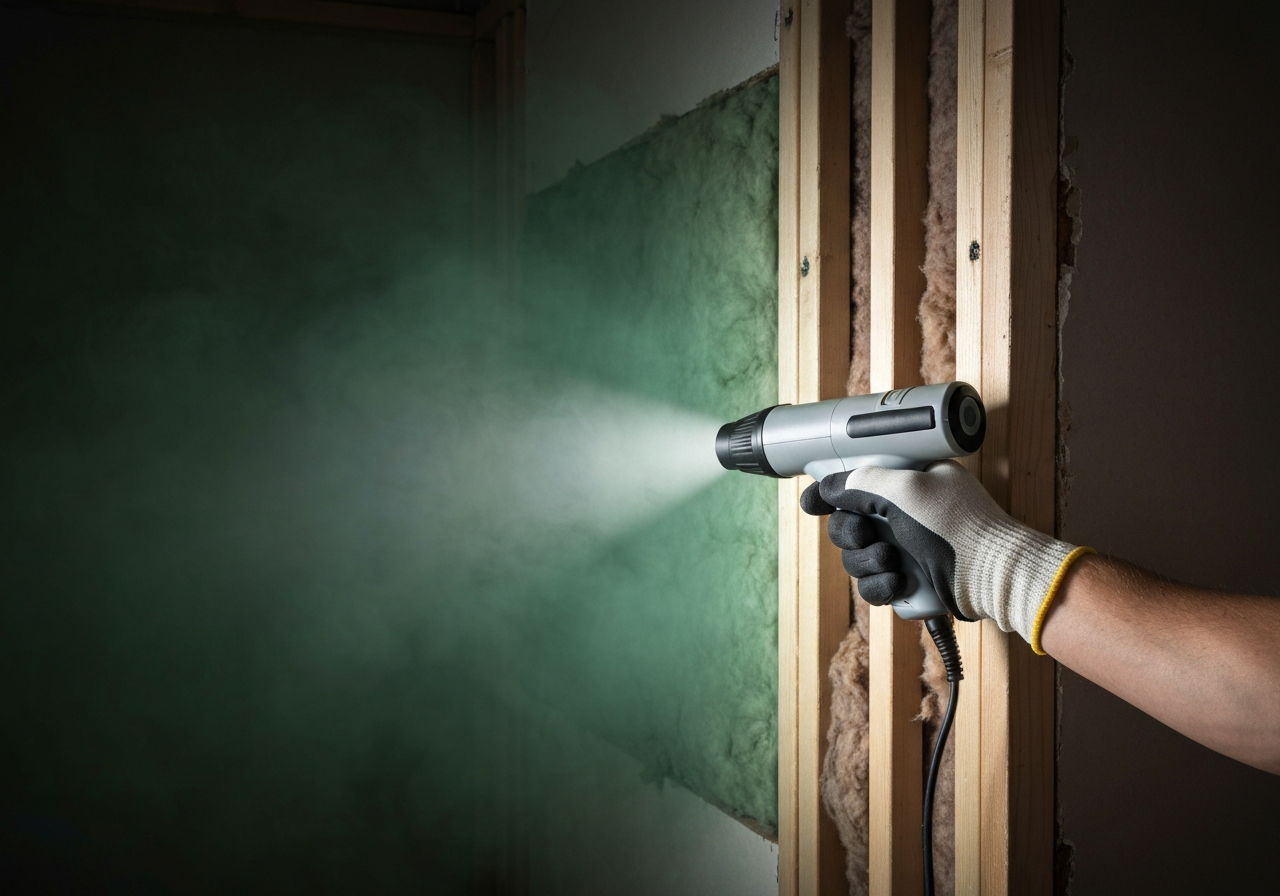
- Initial Inspection and Testing: An accredited asbestos inspector conducts a thorough assessment and collects samples of suspect materials. These samples are then sent to an accredited lab for analysis to confirm the presence, type, and quantity of asbestos.
- Notification and Permits: Based on the inspection results and the scope of work, the abatement contractor will handle all necessary notifications to state and local agencies, and secure any required permits before work begins. For instance, demolition of a building, even if no asbestos is present, often requires notification to the Health Hazards Control Unit (HHCU).
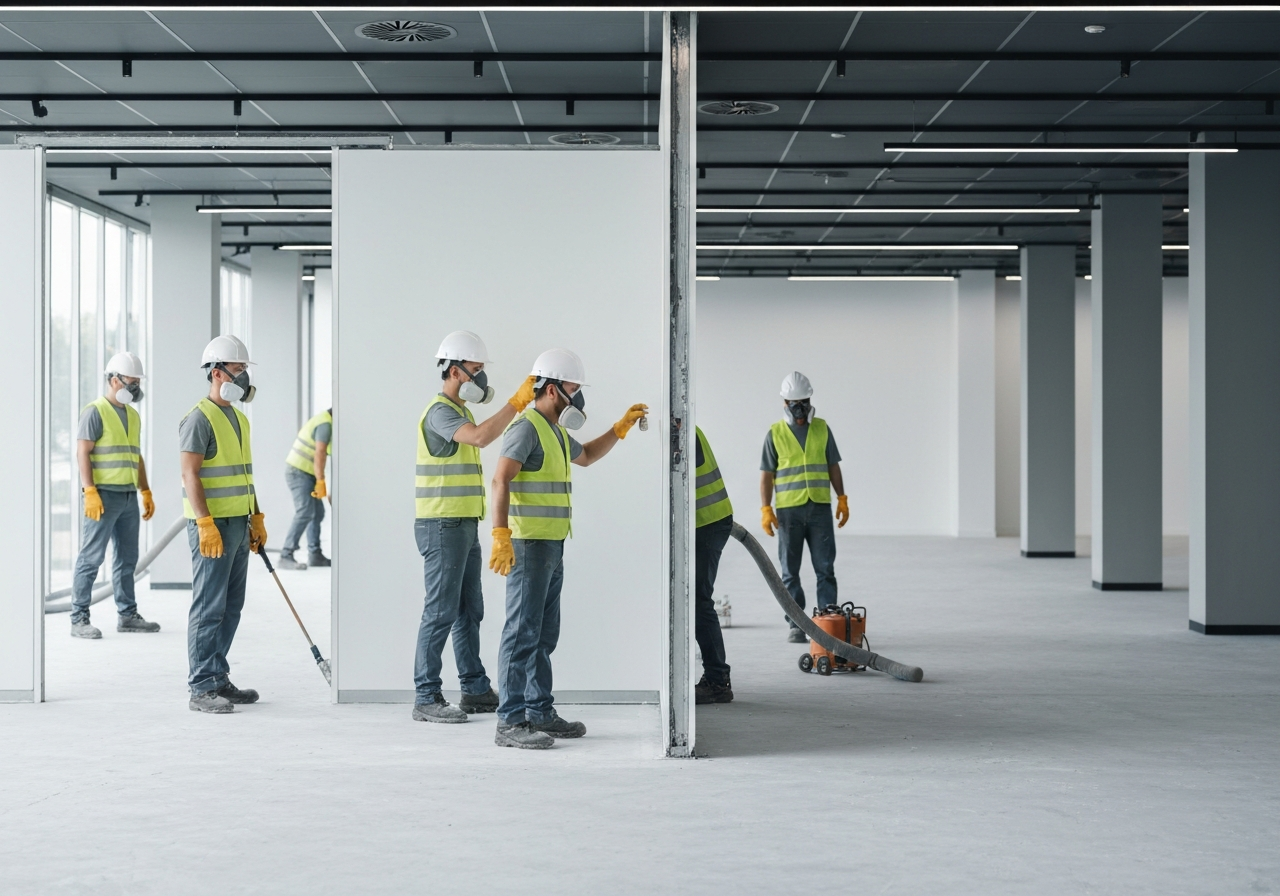
- Containment: The work area is meticulously sealed off using plastic sheeting and negative air pressure systems to prevent asbestos fibers from spreading to other parts of the home.
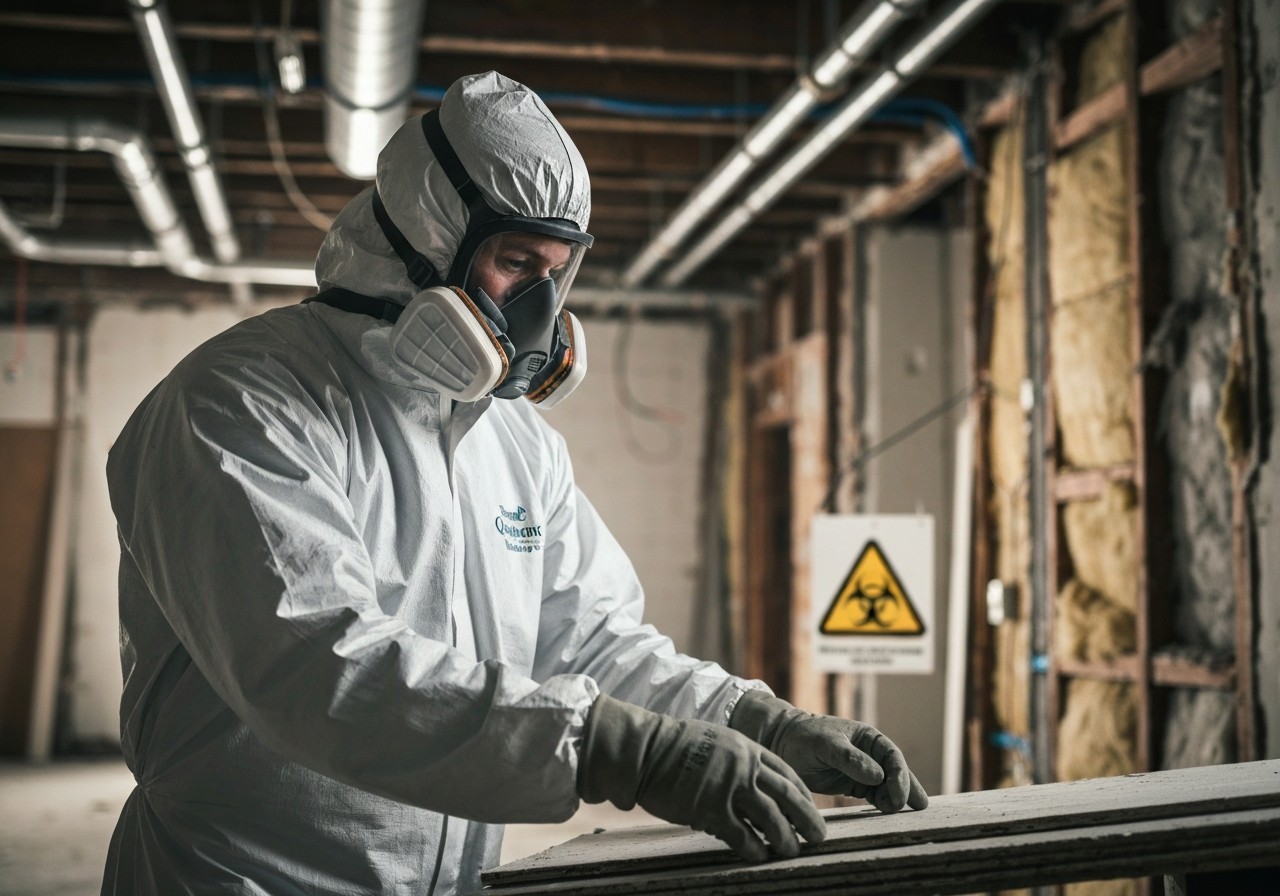
- Asbestos Removal/Abatement: Trained and certified asbestos workers, wearing appropriate personal protective equipment, use wet methods to carefully remove the ACMs. This minimizes airborne fiber release.
- Cleanup and Decontamination: After removal, the area undergoes a rigorous cleaning process using HEPA-filtered vacuums and wet wiping. This ensures all visible asbestos-containing debris is eliminated.
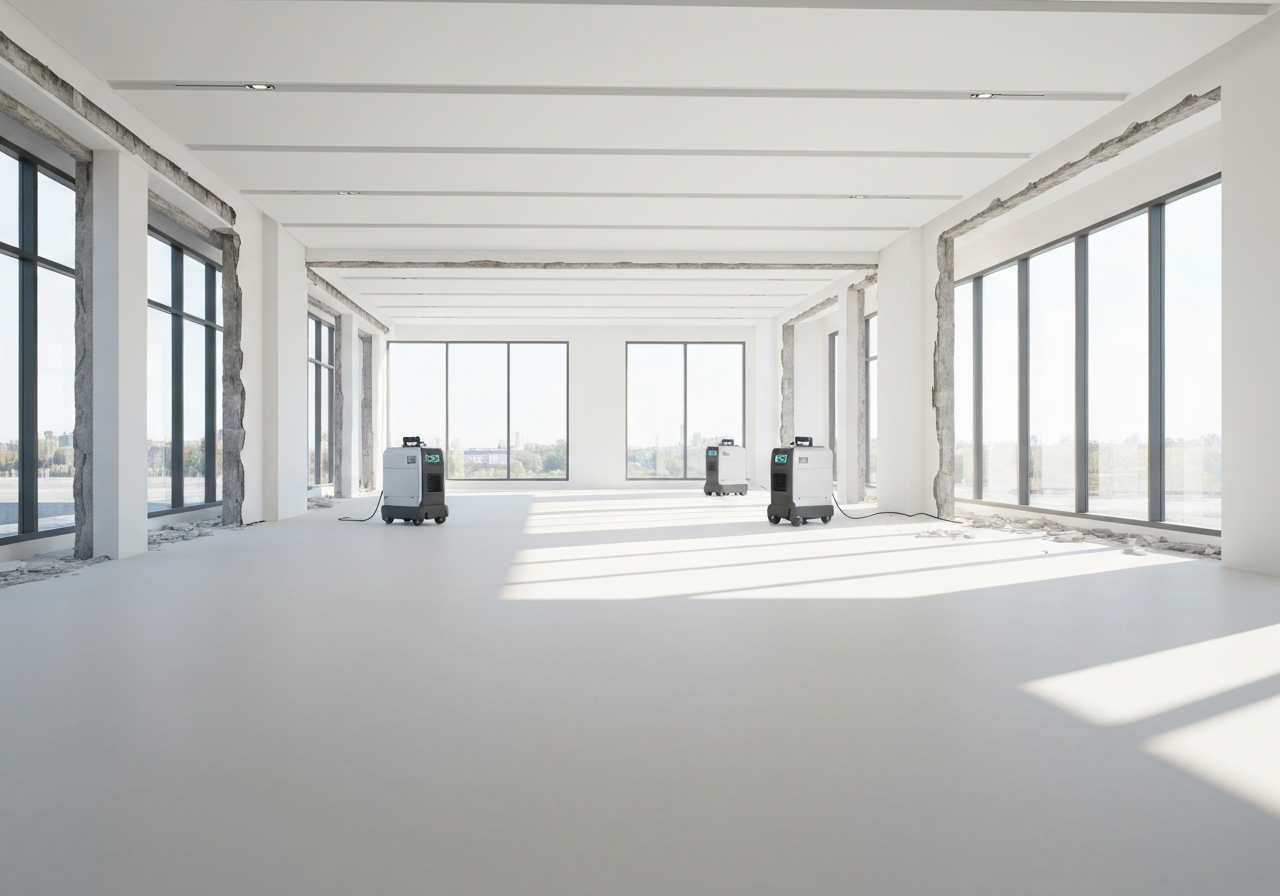
- Clearance Air Monitoring: An independent third-party air monitor conducts air sampling within the contained area. These samples are analyzed to confirm that airborne asbestos fiber levels are below regulatory limits, indicating the area is safe for re-occupancy.
- Proper Disposal: All asbestos waste is securely packaged, labeled, and transported to a licensed landfill approved for hazardous materials disposal, in strict accordance with North Carolina’s asbestos rules and federal guidelines.
Each step is critical to ensuring safety and compliance with North Carolina regulations, as outlined in statutes like NC General Statute §130A-444 through 452, which established the Asbestos Hazard Management Program.
Choosing a Certified Asbestos Removal Expert in North Carolina
Selecting the right asbestos removal expert in North Carolina is paramount for a safe and compliant renovation. Here’s what to look for:
- Accreditation and Licensing: Verify that the company and its professionals are accredited by the North Carolina Department of Health and Human Services (NCDHHS). You can check their database of accredited professionals.
- Experience and Expertise: Choose a contractor with a proven track record in asbestos removal, particularly for projects similar to yours. Their expertise should cover all phases, from inspection to disposal.
- Comprehensive Services: The company should offer a full suite of services, including initial inspection, testing, abatement design, removal, air monitoring, and proper waste disposal.
- Adherence to Regulations: Ensure they are knowledgeable and strictly adhere to all federal, state, and local asbestos regulations, including OSHA and NESHAP standards. Local regulations, such as those enforced by Mecklenburg County Air Quality, can also apply.
- Insurance and Bonding: Confirm the contractor carries appropriate insurance and is bonded to protect you from liability.
- Clear Communication: A reputable professional will clearly explain the process, potential risks, timelines, and costs involved, providing transparent estimates.
Partnering with a certified and experienced expert ensures that your asbestos concerns are handled with the highest level of professionalism and safety.
Protect Your Investment and Health: Contact Piedmont Quality Air Today
When considering a home renovation project in North Carolina, especially on older properties, confronting the possibility of asbestos is a serious concern. The health risks associated with disturbing asbestos-containing materials are profound, and navigating the complex web of N.C. asbestos rules, regulations, and ordinances requires specialized expertise. By choosing a reputable and compliant expert like Piedmont Quality Air, you’re not just ensuring legal adherence; you’re actively safeguarding your family’s health and the long-term value of your property. Our team of certified professionals is equipped with the knowledge and experience to handle all aspects of asbestos management, from comprehensive inspections and meticulous abatement procedures to proper waste disposal. We understand the critical importance of minimizing disruption and ensuring that every project meets the highest standards of safety and environmental protection. For any inquiries or to schedule a consultation, visit our contact us page.
Don’t let asbestos threaten your home renovation. Protect your investment and your family’s health by contacting the certified experts at Piedmont Quality Air today. Schedule a consultation.