When renovation or remodeling is required in commercial and industrial settings, the demolition phase presents a critical challenge: achieving precise, selective removal without disrupting ongoing business operations or compromising the health and safety of occupants. For active environments like offices, retail spaces, manufacturing plants, or even healthcare facilities, traditional, messy demolition methods are simply not an option. The key to a successful project is a specialized approach known as dust-free selective demolition in occupied spaces, a process that prioritizes containment, air quality, and precision.
The Challenge of Demolition in Active Buildings: Why Disruption is Not an Option
In environments where tenants, customers, patients, or staff are present, the negative impacts of uncontrolled demolition go far beyond mere inconvenience. Dust, noise, vibration, and restricted access all translate directly into operational downtime, potential legal liability, and compromised air quality. The goal of any modern, professional demolition service is therefore to mitigate these factors completely.
Hidden Hazards and Regulatory Compliance
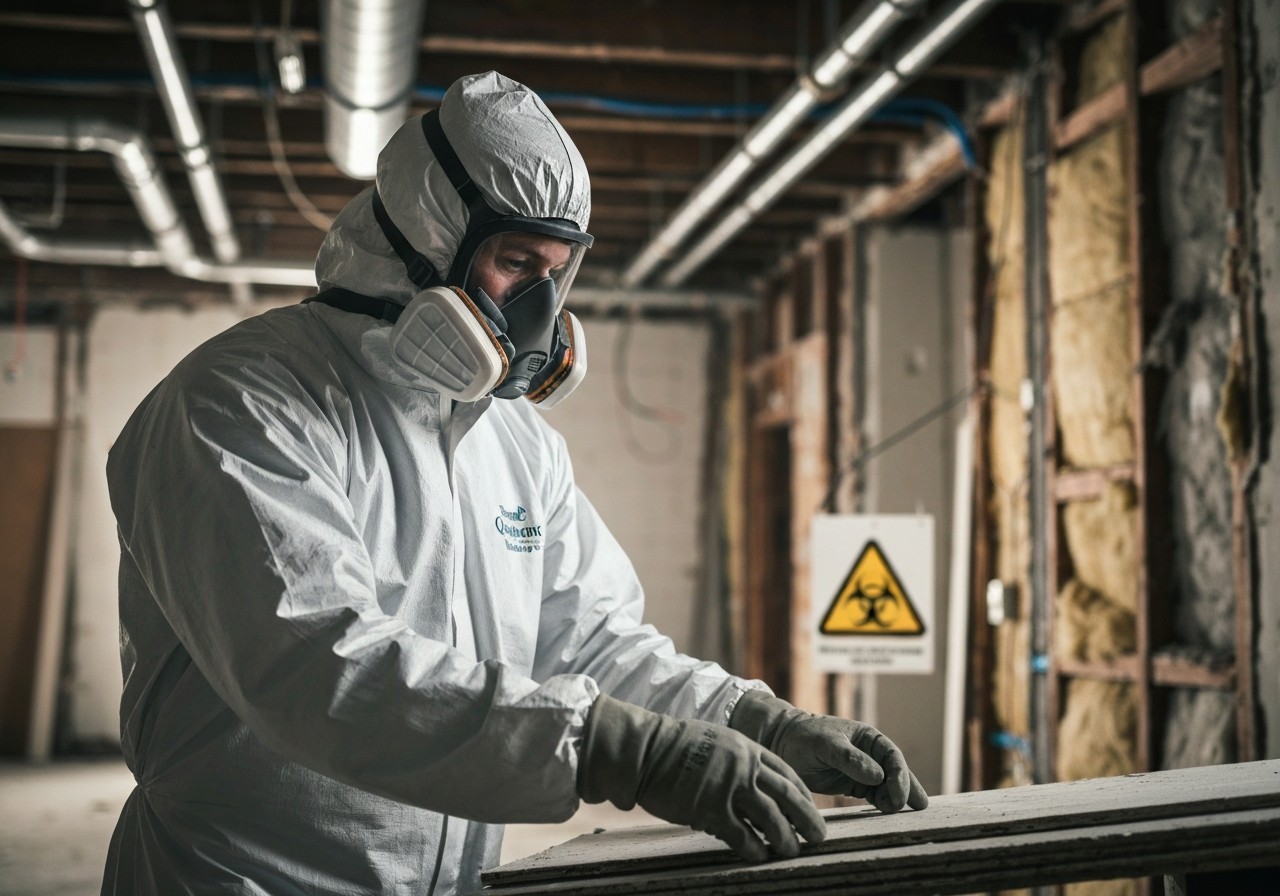
Beyond visible dust and debris, interior demolition often involves disturbing hidden materials like concrete, drywall, and plaster, which can release hazardous contaminants such as respirable crystalline silica and asbestos. For construction work involving materials containing silica, OSHA regulations strictly define the permissible exposure limit (PEL) and require meticulous control methods (29 C.F.R. § 1926.1153). These regulations mandate engineering controls, work practices, and, in some cases, respiratory protection to maintain a safe work environment.
Furthermore, older structures may contain asbestos, a highly regulated material that must be identified and removed before any disruptive work. Ignoring these regulatory requirements, particularly those set by state agencies like North Carolina’s environmental health bodies or South Carolina’s SCDES, poses severe risks. For instance, careful planning and professional intervention are essential for understanding N.C. asbestos rules and ordinances before demolition commences.
Protection and Containment: The Foundation of Safe Demolition in Occupied Spaces
The foundation of any successful non-disruptive demolition project is a rigorous containment strategy. This strategy serves two primary purposes: isolating the work zone from occupied areas and preventing the spread of contaminants.
Implementing Containment Barriers
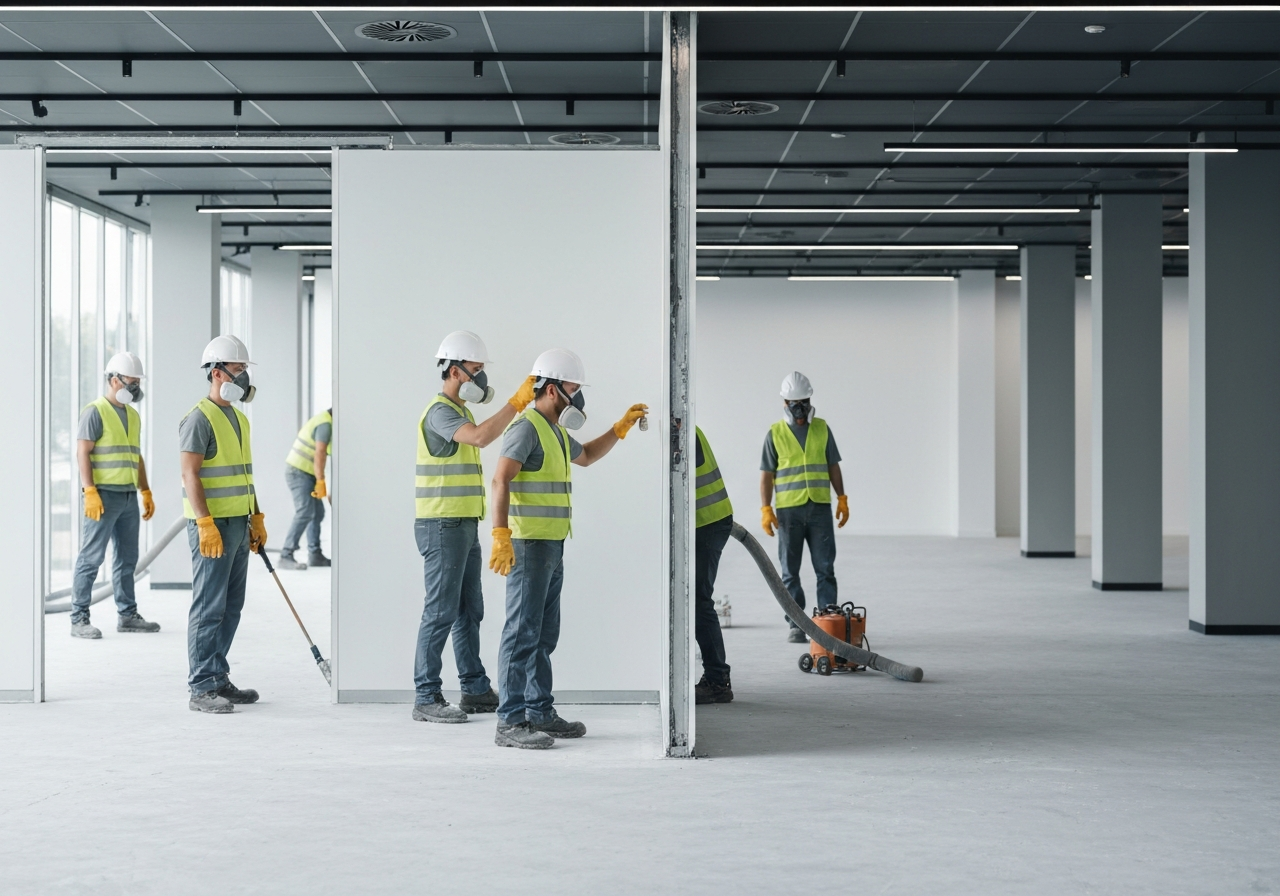
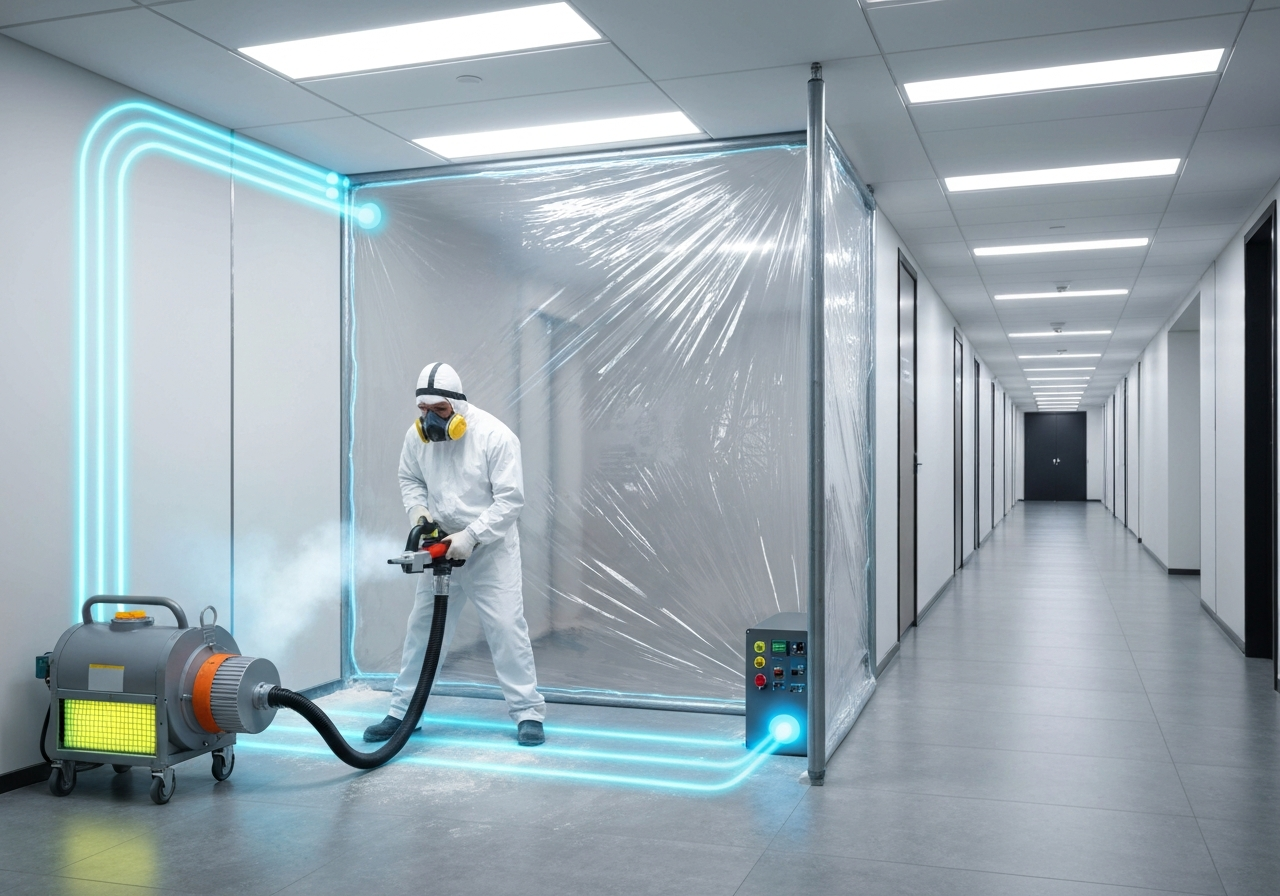
Work zones must be completely sealed off using sturdy, air-tight barriers, typically constructed of fire-retardant plastic sheeting. These barriers act as the first line of defense, creating a physical separation between the noisy, dusty demolition site and the operating facility. Critical aspects of containment include:
- Air Locks: Establishing multi-stage entry and exit points to control air movement and prevent dust migration when personnel or materials enter or leave the containment area.
- Signage and Access Control: Clearly demarcating construction areas with appropriate warnings and procedures to restrict access to authorized personnel, minimizing the number of non-essential employees exposed to the work environment.
- Material Sealing: Ensuring all penetrations, including ducts, conduits, and ventilation openings, are sealed to maintain the integrity of the containment zone.
Advanced Dust Control: Using Negative Air and HEPA Filtration to Protect Air Quality
The most sophisticated defense against airborne contamination during demolition in occupied spaces is the combination of negative air pressure and High-Efficiency Particulate Air (HEPA) filtration.
The Power of Negative Air Pressure
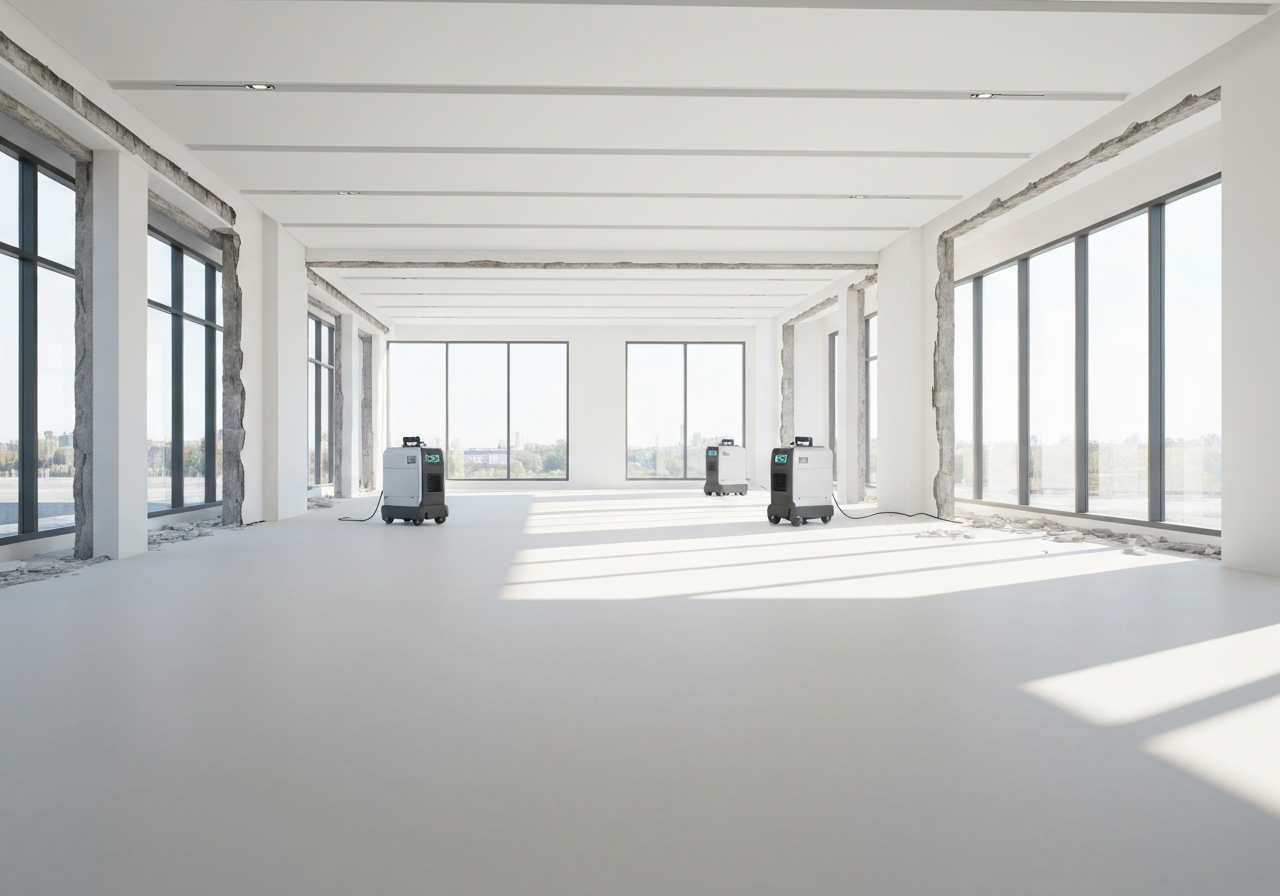
Negative air pressure is an engineering control technique that ensures air always flows into the work zone, never out of it. This critical measure is achieved by using exhaust fans equipped with HEPA filters to pull air out of the contained area faster than new air is introduced. This pressure differential ensures that if a breach occurs, airborne dust is sucked inward, preventing hazardous particles from entering adjacent occupied areas.
HEPA Filtration Standards
A HEPA filter is defined by OSHA and other regulatory bodies as a filter that is at least 99.97% efficient in removing mono-dispersed particles of 0.3 micrometers in diameter. This capability is essential because many hazardous contaminants, including respirable crystalline silica and asbestos fibers, fall into this microscopic size range. The use of HEPA vacuums for cleanup and negative air machines for ventilation is mandatory in demolition that disturbs these materials. This technology ensures that:
- The air being pulled from the work zone and exhausted is purified.
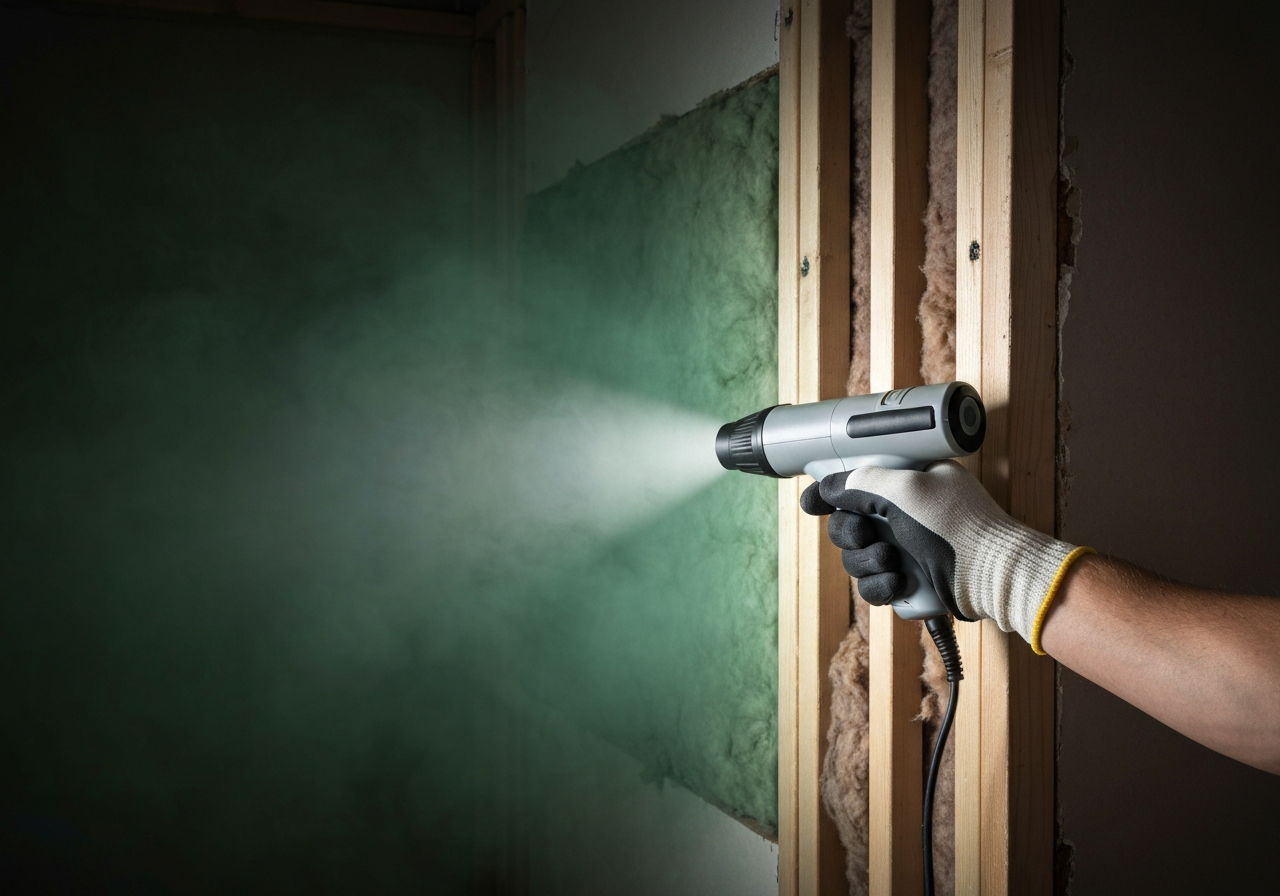
- Dust is captured at the source using specialized vacuums (often integrated into power tools, as referenced in OSHA’s silica standards).
- Loose dust and debris, such as that created during removing hazardous materials before demolition, are contained and safely collected.
The National Institutes of Health (NIH) emphasizes that HEPA filtration plays a critical role in environments where air purity is non-negotiable, noting that these systems are paramount in maintaining safe air quality during construction and renovation projects, even outside of cleanrooms, due to their confirmed efficiency in removing minute, harmful airborne particulates.
Safeguarding Your Assets: Surface Protection for Floors, Fixtures, and Sensitive Equipment
Beyond airborne contaminants, physical protection of the adjacent operating space is vital for a truly non-disruptive project. Any damage to floors, walls, and expensive equipment in an active workplace is an immediate setback.
Comprehensive Surface Defense
Professional selective demolition contractors employ multi-layered surface protection strategies:
- Floor Protection: Heavy-duty, non-slip floor runners and rigid sheeting (like plywood or hardboard) are laid down to protect finished floors from dropped debris, heavy machinery, and constant foot traffic.
- Equipment and Fixture Shielding: Sensitive assets, such as computer servers, medical machinery, HVAC components, or retail shelving, are covered with thick plastic or wooden enclosures to shield them from dust and impact.
- Path of Travel: Dedicated routes for moving debris and equipment are established and maintained. These paths are monitored to prevent accidental damage and ensure that any accidental spillage is contained instantly.
Minimizing Operational Downtime: Tailored Strategies for Offices, Retail, and Healthcare Facilities
A successful project minimizes noise, traffic, and inconvenience. This requires a logistical plan specifically tailored to the operational rhythm of the occupied building.
Sector-Specific Planning
- Hospitals and Healthcare Facilities: These environments demand the highest level of caution. Noise and vibration must be minimized to avoid patient disturbance. Work is often scheduled exclusively during off-hours (nights and weekends), and specialized procedures must be coordinated with infection control departments, especially in regions prone to moisture-related issues, where professional mold remediation in South Carolina hospitals may precede demolition.
- Offices and Commercial Buildings: Minimizing interruption often means performing the loudest, most disruptive work before or after standard business hours (e.g., 6 PM to 6 AM). All workers must adhere to strict noise protocols during operational hours, utilizing hand tools and precision cutting over pneumatic or heavy machinery whenever possible.
- Retail Environments: Work must often be completed quickly to allow for immediate tenant up-fit. The focus is on rapid, clean demolition to prepare the shell space for the incoming contractor, ensuring that adjacent stores are entirely unaffected by debris or dust.
Beyond the Mess: Why Professional Selective Demolition Reduces Liability and Risk
The core value of professional selective demolition is mitigating risk—health, environmental, financial, and legal. Attempting large-scale interior removal without professional expertise dramatically increases the margin for error and potential liability. This is why specialized demolition is particularly critical when dealing with potential contaminants that require licensed asbestos removal or specialized waste removal.
Legal and Environmental Due Diligence
Professional contractors not only adhere to OSHA and EPA regulations but also understand the nuances of state-specific environmental compliance. Failure to properly assess and manage hazardous materials like asbestos or lead can result in major fines and stop-work orders, a factor amplified by the scrutiny applied by regulatory bodies like the South Carolina Department of Environmental Services (SCDES), which governs the notification and proper disposal of regulated materials. Understanding the extensive nature of the SCDES asbestos demolition regulations South Carolina is critical for lawful operation.
Professional selective demolition ensures a complete chain of custody for all waste materials, providing documentation that confirms legal disposal. This proactive approach drastically reduces owner and contractor liability associated with health claims or environmental non-compliance.
The Piedmont Quality Air Advantage: Non-Disruptive Demolition Services in Charlotte, NC
Piedmont Quality Air is a leader in providing comprehensive, non-disruptive interior demolition services, specializing in projects within occupied commercial and industrial settings. Our advantage lies in our deep integration of environmental safety and specialized demolition expertise.
Our Commitment to Cleanliness and Compliance:
We approach every project with the certainty that air quality and structural integrity in adjacent spaces must be maintained. Our crews are trained and equipped to handle the entire lifecycle of environmental remediation and demolition, from initial hazardous material inspection to final debris removal. This expertise includes:
- Precise implementation of multi-stage containment using negative air machines with industrial-grade HEPA filtration.
- Deep knowledge and experience with complex regulatory frameworks, ensuring compliance with OSHA silica standards and state-specific hazardous material guidelines.
- The capability to integrate seamlessly with ongoing operations, working off-hours and minimizing disturbance to the client’s business, whether a major Charlotte office or a Piedmont-area manufacturing facility.
By coupling meticulous containment methods with selective demolition techniques, Piedmont Quality Air delivers projects that minimize disruption, protect assets, safeguard public health, and adhere to the strictest compliance requirements.
Need specialized, dust-free selective demolition for your occupied commercial or industrial space? Protect your operations, air quality, and compliance record.
Contact Piedmont Quality Air today to discuss your project needs with an expert.