Understanding the Silent Threat: Mold in Your Home
Mold is a ubiquitous fungus that thrives in damp environments, a silent invader capable of compromising both the structural integrity of your property and the health of its occupants. Understanding what mold is and how it establishes itself is the first crucial step in effective Mold Cleanup in Your Home. These microscopic organisms reproduce through tiny spores, invisible to the naked eye, that float through indoor and outdoor air. Mold begins to grow indoors when these spores land on wet surfaces, finding a food source in common household materials like wood, drywall, or fabric. South Carolina’s warm, humid climate, with its frequent rainfall and hot summers, unfortunately, provides an ideal breeding ground for these spores to flourish.
The Hidden Dangers of Mold: What You Need to Know
The presence of mold extends beyond an unsightly appearance or a musty odor; it poses significant health and structural risks. Exposure to mold can trigger a range of adverse health effects, particularly for sensitive individuals. The Centers for Disease Control and Prevention (CDC) highlights that inhaling or touching mold spores can cause allergic reactions, leading to symptoms like sneezing, runny nose, red eyes, skin rash, coughing, and wheezing. For individuals with asthma, mold exposure can even induce asthma attacks. Those with compromised immune systems, chronic respiratory diseases like COPD, or who are infants, children, or older adults, face a higher risk of more severe fungal infections and breathing difficulties. Beyond health, mold actively consumes the organic materials it grows on, leading to the degradation of drywall, wood framing, ceiling tiles, carpeting, and insulation. Over time, this can severely weaken structural components, necessitating costly repairs and potentially diminishing your property’s value. The longer mold remains unaddressed, the more extensive and expensive the damage becomes, making prompt mold cleanup in your home critical.
Spotting the Signs: How to Identify Mold in Your Property
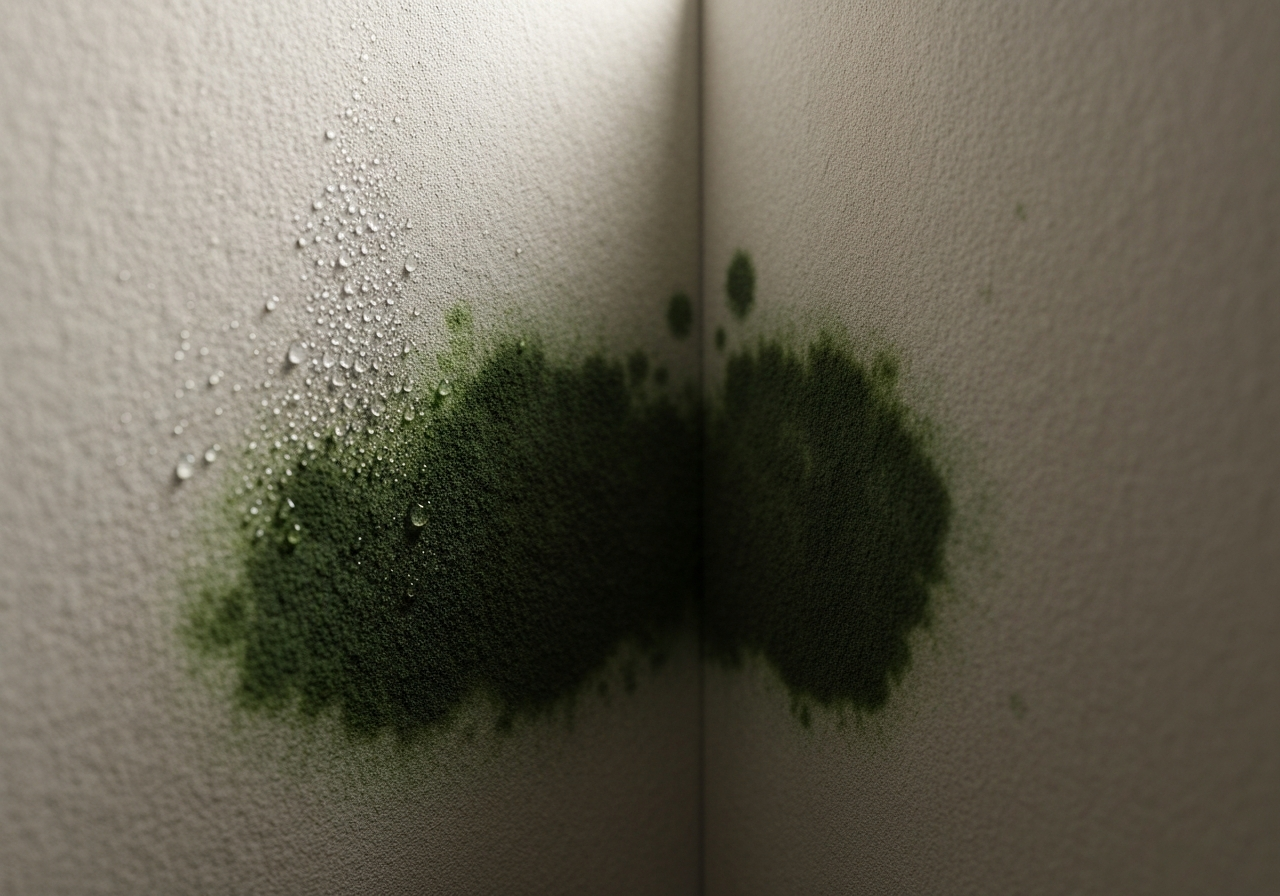
Identifying mold early is crucial for effective remediation and minimizing damage. While sometimes visible as discoloration or fuzzy patches, mold often lurks in hidden areas, making detection challenging. The most common and often the earliest indicator is a distinct, earthy, or musty odor emanating from a specific area, signaling potential hidden growth. Visual signs can include:
- Discolored patches (black, green, white, or orange) on walls, ceilings, or floors.
- Warped walls or floors, indicating underlying moisture.
- Peeling or bubbling paint or wallpaper.
- Water stains on ceilings or walls.
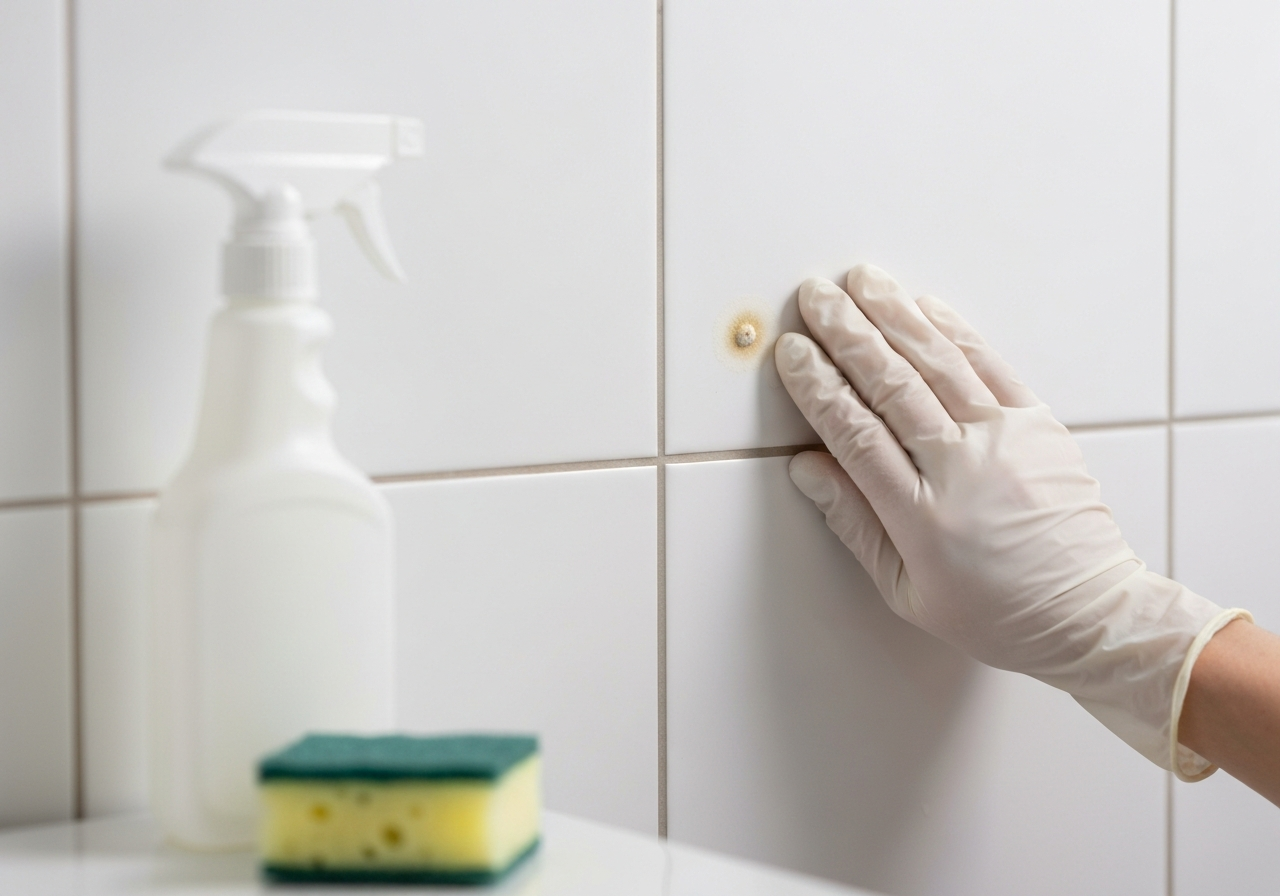
Mold also thrives in consistently damp areas such as bathrooms (especially shower stalls and grout lines), basements, kitchens (around sinks and appliances), laundry rooms, and crawl spaces. Inspecting these moisture-prone areas regularly is essential. If you suspect hidden mold but cannot see it, using a moisture meter can help identify areas with elevated humidity. While DIY mold test kits are available, they are often not entirely accurate for determining the extent or type of mold problem. For a more reliable assessment, especially if a musty smell persists without visible mold, a professional mold inspection in South Carolina is recommended. Professionals utilize specialized tools like thermal imaging and air sampling to accurately detect hidden mold and assess airborne spore concentrations, providing a comprehensive picture of the infestation.
Mold Cleanup in Your Home: When to DIY and When to Call the Experts
Deciding whether to tackle Mold Cleanup in Your Home as a DIY project or to call in professionals depends primarily on the size and nature of the infestation. The U.S. Environmental Protection Agency (EPA) recommends contacting licensed professionals if the mold-affected area exceeds 10 square feet (roughly a 3-foot by 3-foot patch). For smaller areas of surface mold on non-porous materials, you can often handle the cleanup yourself.
DIY Mold Cleanup Steps (for small, non-porous areas):
- Safety First: Always wear an N-95 respirator mask, long gloves, and goggles that do not have ventilation holes to prevent inhaling spores or skin/eye irritation.
- Ventilate: Open windows and doors to allow fresh air in and exhaust mold spores out.
- Clean Hard Surfaces: Scrub mold off hard surfaces like tiles, countertops, and glass with a solution of detergent and water. For more stubborn areas, a diluted bleach solution (no more than 1 cup of bleach per gallon of water) can be used, but never mix bleach with ammonia or other cleansers, as this creates toxic fumes.
- Dry Thoroughly: Ensure the cleaned area is completely dry to prevent immediate recurrence. Use fans or open windows to aid the drying process.
- Dispose Properly: Place all used cleaning materials (sponges, cloths) in a heavy-duty garbage bag and seal it before disposal.
When to Call Professionals:
For mold infestations larger than 10 square feet, or when mold is present on porous materials like drywall, carpeting, or insulation, professional remediation is almost always necessary. These materials are difficult or impossible to clean thoroughly, as mold hyphae can penetrate deep within them. You should also call in the experts if:
- You suspect hidden mold behind walls, under flooring, or within HVAC systems, especially if a persistent musty odor is present.
- The mold growth is a result of sewage or other contaminated water.
- You or anyone in your household experiences health concerns related to mold exposure, such as allergies, asthma flare-ups, or compromised immune systems.
- Mold returns after DIY removal attempts.
Professional mold remediation ensures that the problem is addressed safely, thoroughly, and effectively, preventing further spread and protecting your health and property. Choosing to ignore a significant mold problem or attempting inadequate DIY fixes can exacerbate the issue, leading to more extensive damage and health risks in the long run.
Piedmont Quality Air’s Professional Mold Remediation Process
When facing a mold infestation that requires expert intervention, Piedmont Quality Air provides a comprehensive and systematic mold remediation process to ensure your property is restored to a safe and healthy condition. Our experienced and trained professionals adhere to strict industry standards and safety protocols throughout every step:
- Thorough Assessment and Source Identification: The process begins with a detailed inspection to determine the full extent of the mold growth, including identifying any hidden mold. We use specialized tools like moisture meters and thermal imaging cameras to pinpoint the underlying source of moisture, which is critical to preventing future recurrence.
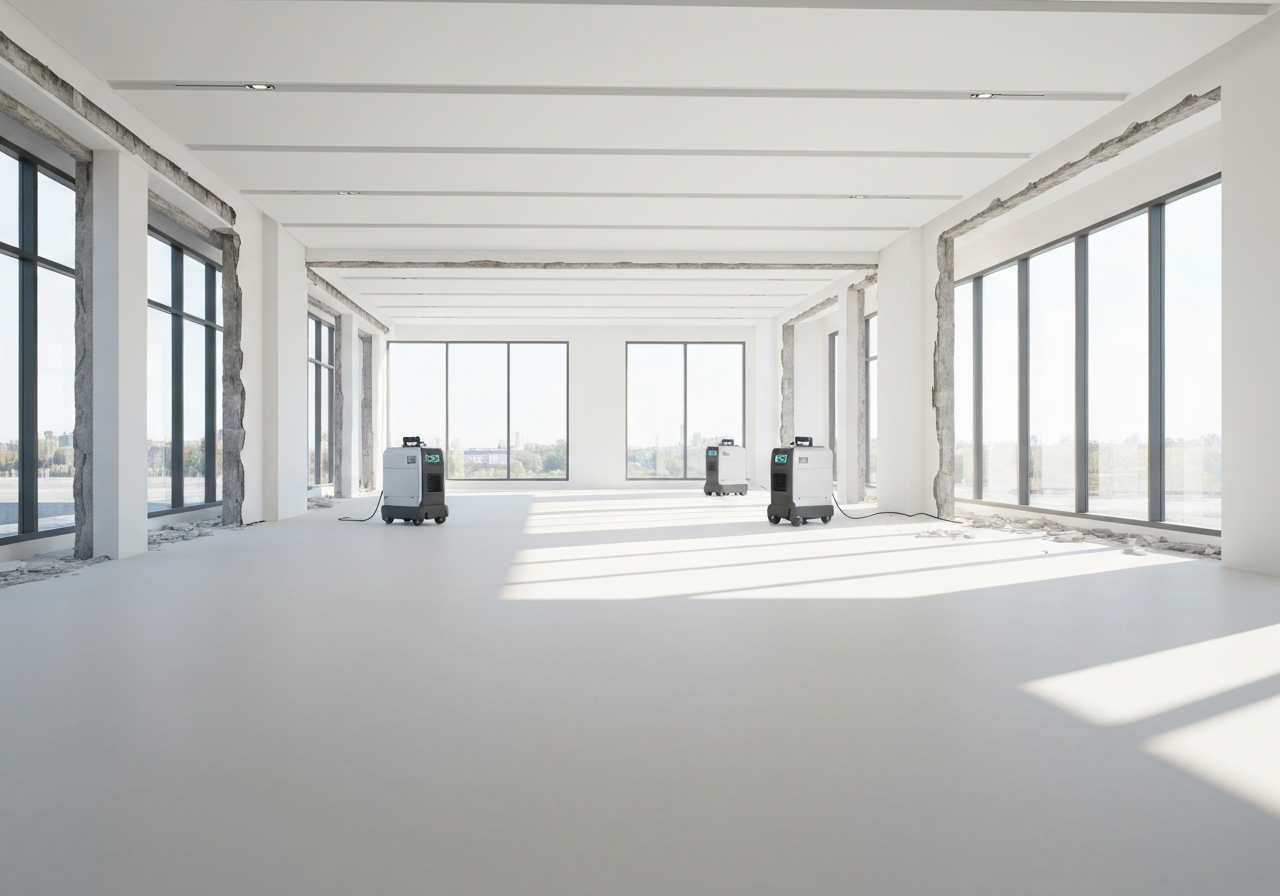
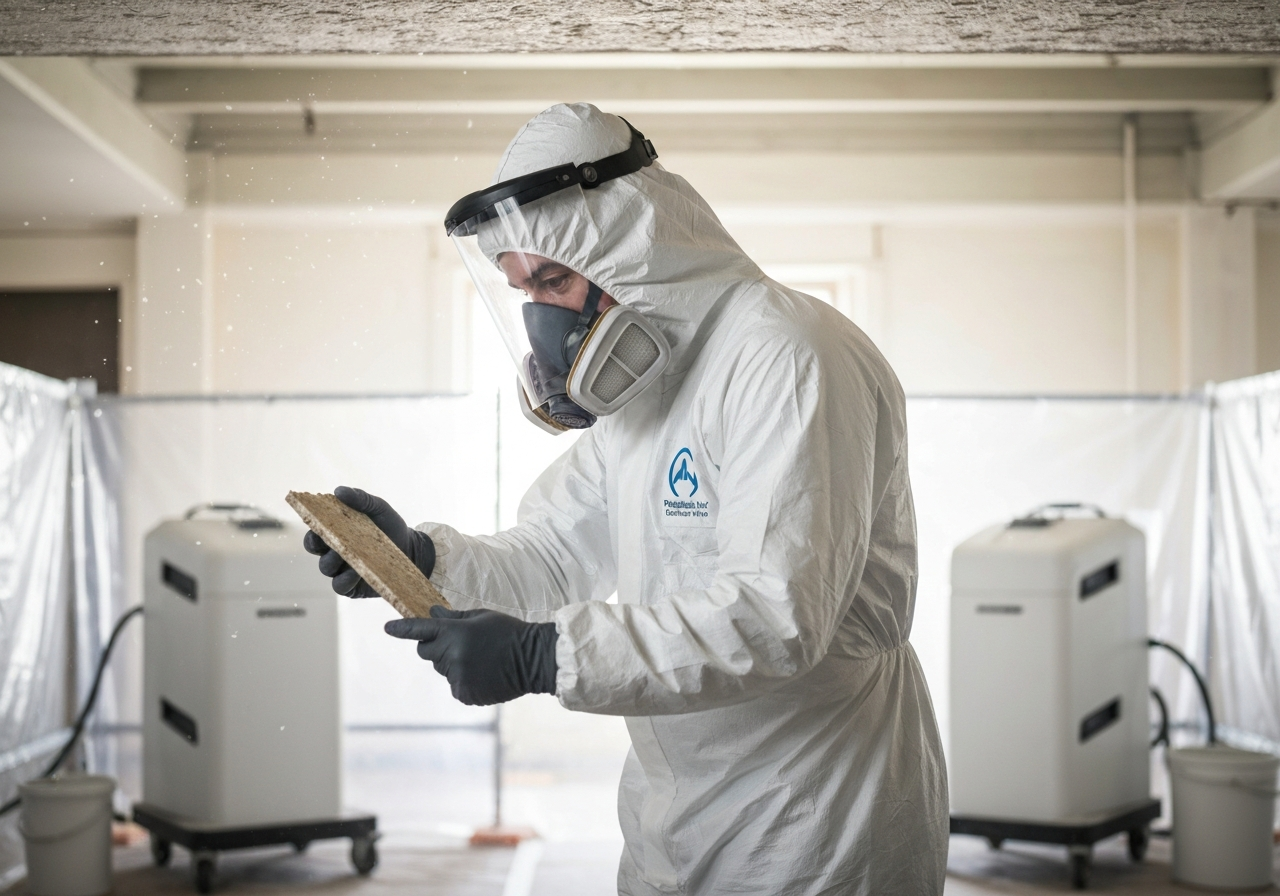
- Containment: To prevent the spread of mold spores to unaffected areas of your home or business, we establish strict containment zones. This involves sealing off the affected area using plastic sheeting and employing negative air pressure machines equipped with HEPA filters. This creates a barrier, keeping airborne mold spores confined to the work zone.
- Air Filtration: Throughout the remediation, high-efficiency particulate air (HEPA) air scrubbers and negative air machines continuously filter the air within the containment zone, capturing airborne mold spores, dust, and other microscopic particles.
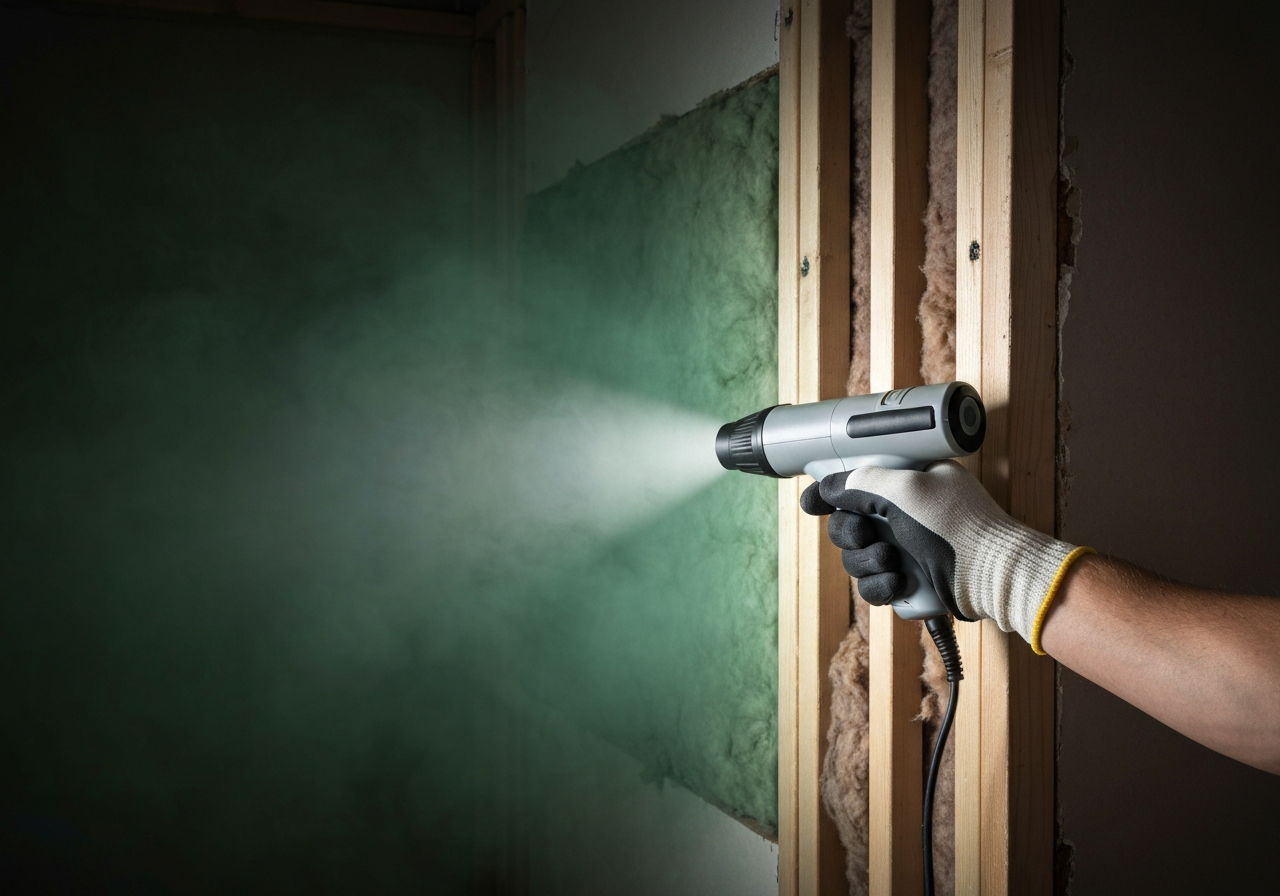
- Mold Removal (Remediation): This is the core step where mold is physically removed. For non-porous materials, we utilize specialized cleaning agents and techniques for effective sanitization. Heavily contaminated porous materials such as drywall, insulation, and carpeting are safely removed, double-bagged, and disposed of according to strict guidelines. Antimicrobial agents may be applied to remaining materials to inhibit future growth.
- Cleaning and Sanitization: After mold-infested materials are removed, the entire work area undergoes meticulous cleaning. This includes HEPA-filtered vacuuming and wet wiping of all surfaces within the containment area to eliminate any residual contamination.
- Drying: Ensuring the affected area is completely dry is paramount to prevent mold from returning. We deploy industrial-grade dehumidifiers and air movers to thoroughly reduce moisture levels in the air and building materials. Moisture readings are continuously monitored to confirm that structural materials have reached acceptable dryness levels.
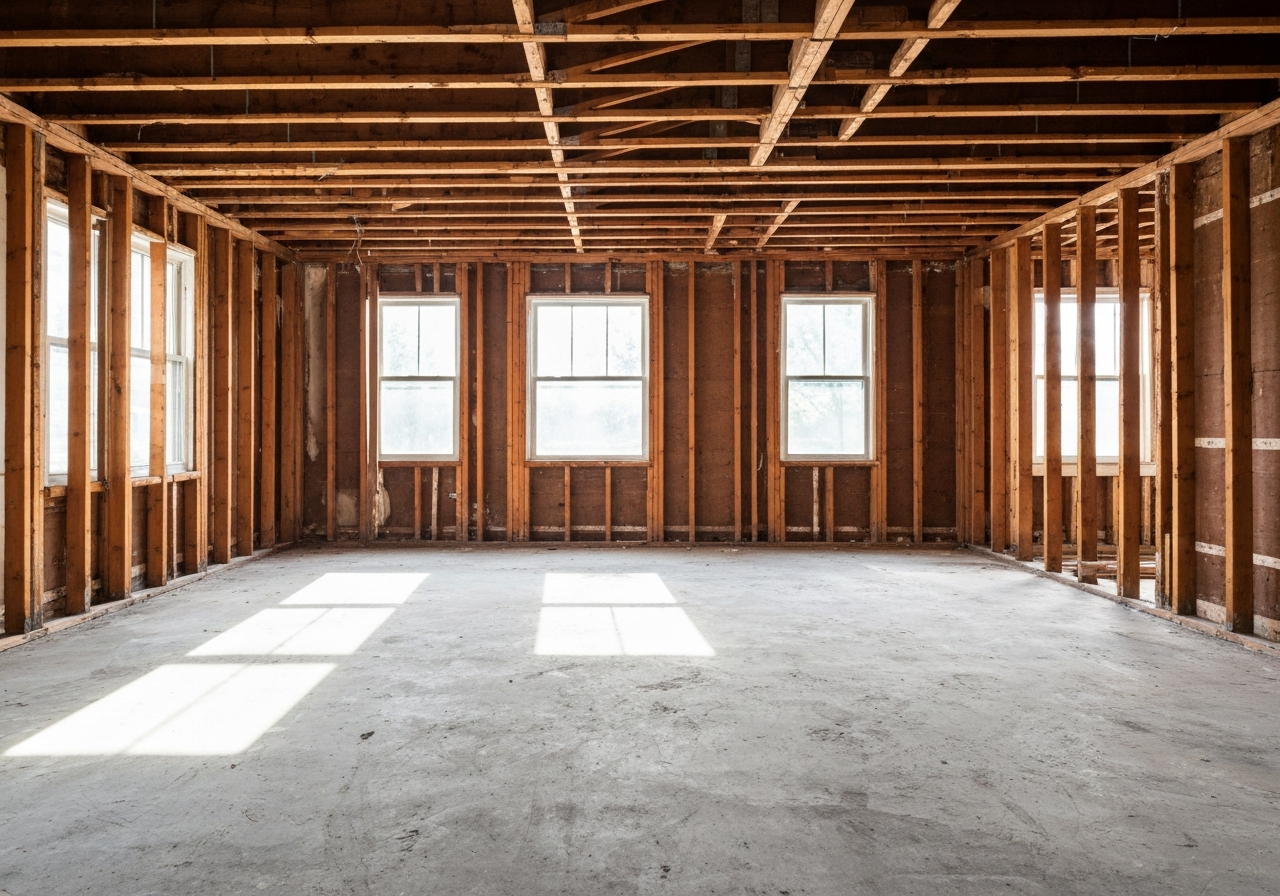
- Restoration: Once the mold is successfully removed, and the area is confirmed dry and clean, our team proceeds with restoration. This involves repairing or replacing damaged building materials, repainting, and any other necessary reconstruction to return the affected area to its pre-mold condition.
- Post-Remediation Verification: A final inspection and, when necessary, independent third-party air testing are conducted to confirm that the mold issue has been completely resolved and that airborne mold spore levels are within acceptable standards, ensuring the area is safe for reoccupation. This step provides crucial peace of mind and essential documentation of successful remediation.
This comprehensive approach not only eradicates existing mold but also addresses the root cause, providing a long-term solution and protecting your property from future infestations. For complex situations, such as post-hurricane asbestos mold remediation in SC, our expert approach is even more crucial for effective results.
Beyond Removal: Preventing Mold Recurrence in Your Property
Successfully controlling mold in your home extends beyond just cleanup; preventing its return is equally vital, especially in a humid climate. Mold cannot thrive without moisture, so the cornerstone of prevention is effective moisture control.
Key Strategies for Prevention:
- Control Indoor Humidity: Maintain indoor humidity levels between 30% and 50% year-round. Use air conditioners and dehumidifiers, especially in damp areas like basements and crawl spaces, during humid months. A moisture or humidity meter (hygrometer) can help you monitor levels.
- Ensure Proper Ventilation: Use exhaust fans in bathrooms and kitchens when showering, cooking, or dishwashing, and let them run for at least 20 minutes afterward to remove moisture. Ensure attics and crawl spaces are adequately ventilated to prevent moisture buildup.
- Promptly Address Leaks and Water Damage: Fix any plumbing leaks, roof leaks, or other sources of water intrusion immediately. Even small leaks can lead to significant mold growth if left unaddressed. Dry any water-damaged areas and materials thoroughly within 24-48 hours.
- Maintain Gutters and Drainage: Regularly clean and repair roof gutters. Ensure that the ground slopes away from your building’s foundation to direct rainwater away from the house, preventing water from collecting around the foundation.
- Insulate Pipes and Ductwork: Insulate cold surfaces like pipes and air ducts, especially in unconditioned spaces, to prevent condensation that can lead to moisture buildup.
- Crawl Space Management: For properties in humid regions, crawl spaces are highly vulnerable. Consider crawl space encapsulation, which involves sealing the area with a heavy-duty vapor barrier and often installing a dedicated dehumidifier to control humidity. This creates a conditioned space less susceptible to mold. More information can be found on effective crawl space mold removal in SC.
- Regular Cleaning: Consistent cleaning helps remove mold spores and prevents growth on surfaces. Focus on moisture-prone areas like shower stalls, window moldings, and refrigerator door seals.
By actively implementing these preventative measures, you can create a drier, healthier indoor environment, significantly reducing the risk of mold recurrence and protecting your property investment.
Why Choose Piedmont Quality Air for Your Mold Remediation Needs?
Choosing the right partner for mold remediation is paramount for ensuring the safety and long-term health of your property. Piedmont Quality Air stands out as a trusted expert, offering comprehensive services backed by extensive experience and a steadfast commitment to quality. With over ten years of dedicated service in Charlotte, NC, Gastonia, NC, Salisbury, NC, and throughout South Carolina, we bring invaluable local expertise and a deep understanding of the unique environmental challenges posed by the region’s humid climate. Our team consists of trained, certified, licensed, and insured professionals who specialize not only in mold removal but also in asbestos removal and interior demolition, ensuring a holistic approach to hazardous material remediation.
At Piedmont Quality Air, we pride ourselves on a professional process that prioritizes effective mold eradication and customer satisfaction. Our approach goes beyond surface-level cleaning, incorporating thorough assessments, advanced containment techniques, state-of-the-art air filtration, and meticulous cleaning and drying protocols. We are dedicated to identifying and resolving the root cause of moisture intrusion, preventing future mold recurrence. Our clients consistently commend our promptness, professionalism, and thoroughness, highlighting our commitment to delivering outstanding results and peace of mind. As one client noted, we get “to the source of the moisture, corrected the fault and followed with further measures to prevent more mold by using techniques I felt would work.” This dedication to comprehensive solutions is why Piedmont Quality Air is the preferred choice for reliable mold removal in Charlotte, Concord, and Hickory, NC, and surrounding areas.
Take Action Against Mold: Contact Piedmont Quality Air for a Free Estimate
Protecting your property and the health of its occupants from mold is a critical responsibility. If you suspect mold growth in your home, acting quickly and effectively is essential. Piedmont Quality Air offers expert mold remediation services, backed by years of experience and a commitment to restoring safe and healthy indoor environments. Our certified professionals are ready to provide a thorough assessment and a tailored remediation plan designed to address your specific needs and prevent future issues. We understand the urgency of mold concerns and are dedicated to delivering efficient, high-quality service. Ensure the long-term health and value of your property.
Don’t let mold compromise your home or health. If you suspect mold, take action now! Contact Piedmont Quality Air today for a free estimate and expert mold remediation services.