The Silent Invader: Understanding Mold in Your Home and Its Dangers
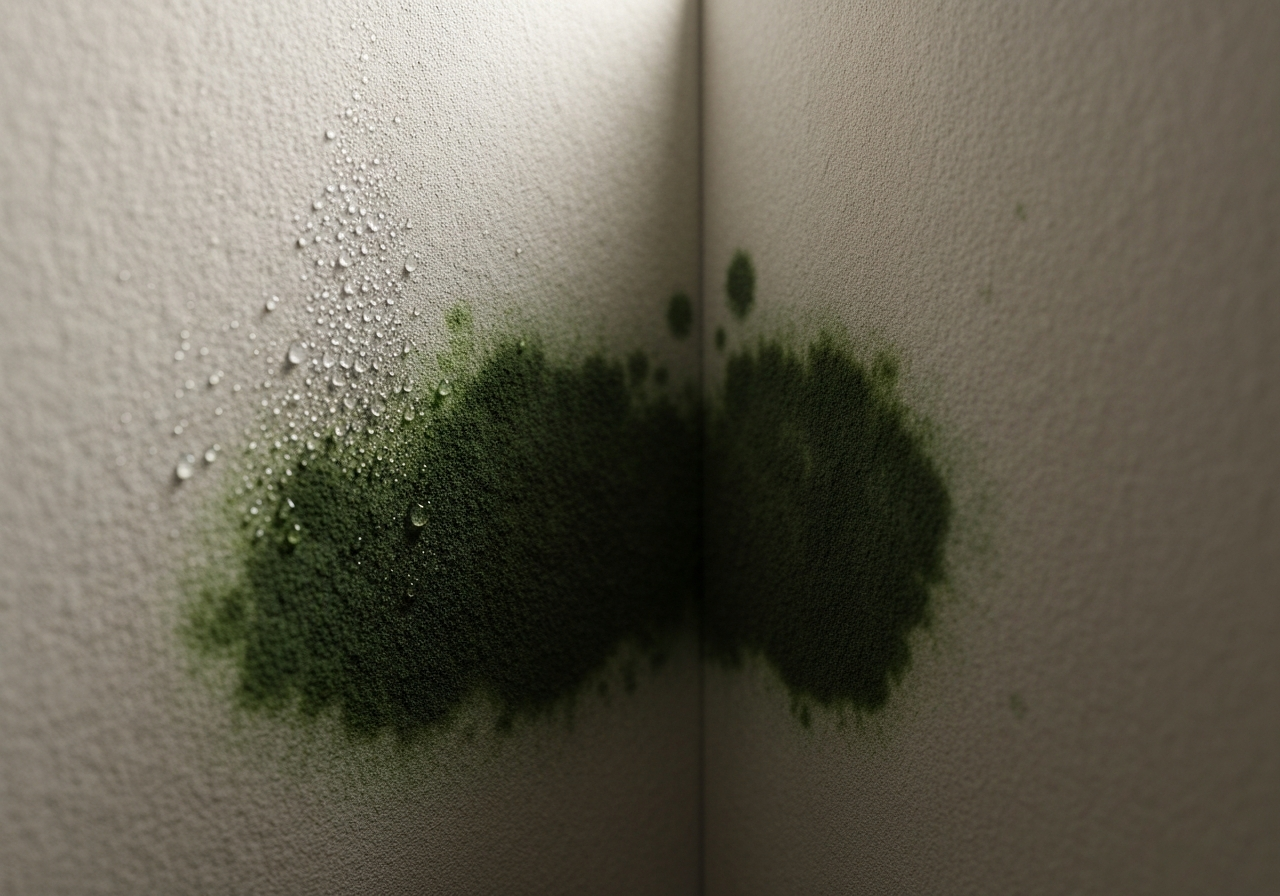
Mold, a ubiquitous type of fungus, is a silent invader that can significantly compromise the health and structural integrity of your home. These microscopic organisms are naturally present in the environment, both indoors and outdoors, but become problematic when they find ideal conditions to grow inside buildings. Mold thrives on moisture, a food source (like wood, drywall, or fabric), and moderate temperatures, often flourishing in dark, hidden spaces away from direct sunlight and proper air circulation.
In humid climates, such as South Carolina’s, the risk of mold growth is particularly high. Factors like coastal proximity, frequent rainfall, and high humidity levels create an environment where mold spores, which enter homes through open windows, doors, HVAC systems, or on clothing, can quickly colonize. Common areas where mold often goes undetected include behind walls, under flooring, in attics, and especially in damp crawl spaces. Once established, mold begins to digest the materials it grows on, leading to both aesthetic and structural damage if left unaddressed. Early identification and prompt action are crucial to prevent minor issues from escalating into major infestations that require intervention from Mold Remediation Professionals.
Beyond the Surface: Health and Structural Risks of Untreated Mold
The dangers of mold extend far beyond unsightly stains and musty odors. Untreated mold infestations pose significant health risks to occupants and can cause considerable structural damage to a property. Exposure to mold can trigger a range of adverse health effects, varying in severity depending on the individual’s sensitivity, the type of mold, and the extent of exposure.
Common health issues associated with mold exposure include:
- Allergic Reactions: Symptoms akin to hay fever, such as sneezing, runny nose, itchy eyes, and skin rashes. Mold can also trigger or exacerbate asthma attacks in sensitized individuals.
- Respiratory Problems: Coughing, wheezing, and difficulty breathing can occur, particularly for those with pre-existing respiratory conditions or compromised immune systems.
- Irritation: Direct contact with mold or inhalation of spores can irritate the eyes, skin, nose, and throat.
While most indoor mold exposures do not cause severe systemic infections, certain species can produce mycotoxins, which are toxic substances that may lead to more serious health problems, especially with prolonged exposure. Vulnerable populations, including infants, the elderly, and individuals with weakened immune systems, are particularly susceptible to these effects. The National Institute of Environmental Health Sciences (NIEHS) highlights the potential for mold exposure to contribute to conditions like short-term memory loss and “brain fog.”
Structurally, mold continuously feeds on organic building materials such as drywall, wood, insulation, and carpeting. Over time, this degradation can weaken structural components, leading to costly repairs and potentially compromising the safety of the building. It’s important to understand that simply killing mold, for instance with biocides, is not enough; the dead mold and the materials it has contaminated must be safely removed because they remain allergenic and potentially toxigenic.
Why Professional Help Matters: The Limitations of DIY Mold Removal
When confronted with mold, homeowners often consider do-it-yourself (DIY) removal. However, for anything beyond small, superficial patches (less than 10 square feet), DIY mold removal can be ineffective and even hazardous. Disturbing mold without proper containment and personal protective equipment (PPE) can release millions of spores into the air, spreading contamination to previously unaffected areas of the home and increasing the risk of exposure to occupants. The EPA advises consulting professionals for mold problems exceeding approximately 10 square feet.
Mold remediation is a complex process that requires specialized knowledge and equipment to identify the full extent of the problem, locate hidden moisture sources, and safely remove contaminated materials. Without addressing the underlying moisture issue, mold will almost certainly return. Furthermore, distinguishing between different types of mold and understanding their potential health implications requires expert assessment. Relying on unprofessional or incomplete remediation can lead to ongoing problems, continued health risks, and further property damage, making the initial attempt at saving money far more costly in the long run. Professional Mold Remediation Professionals ensure that the work is done thoroughly and safely, adhering to industry best practices.
Our Approach: What Mold Remediation Professionals Do
Professional Mold Remediation Professionals employ a systematic, multi-step approach designed to safely and effectively eliminate mold and prevent its recurrence. This process goes far beyond simple cleaning and is crucial for restoring a healthy indoor environment. Piedmont Quality Air’s approach aligns with leading industry standards, ensuring comprehensive and lasting solutions.
The typical professional mold remediation process includes:
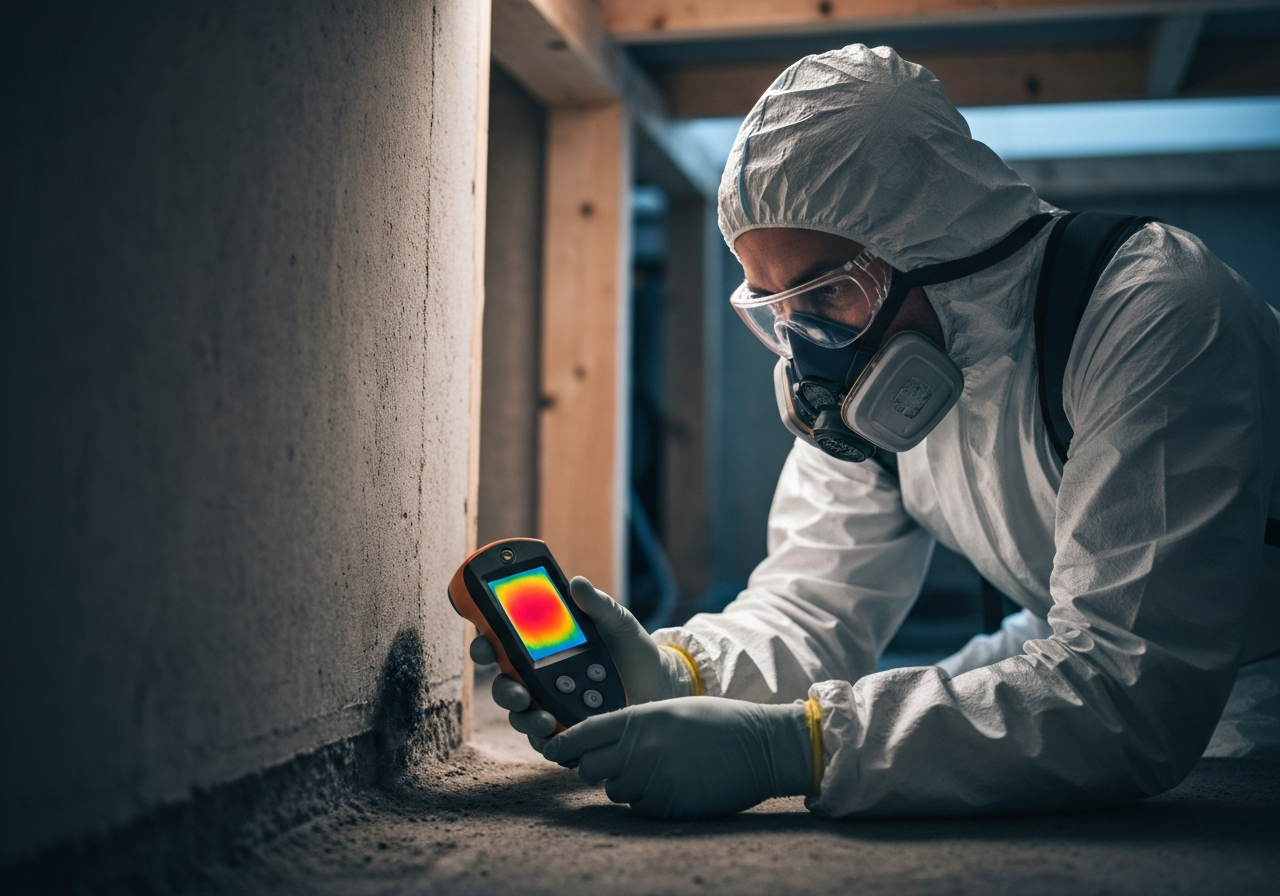
- Assessment and Inspection: This initial phase involves a thorough evaluation of the property to determine the extent of mold growth, identify the types of mold present, and, most critically, pinpoint the underlying moisture source. Specialists use tools like moisture meters and thermal imaging cameras to detect hidden water intrusion within walls or under flooring. Our professional mold inspection services in South Carolina are designed for this crucial first step.
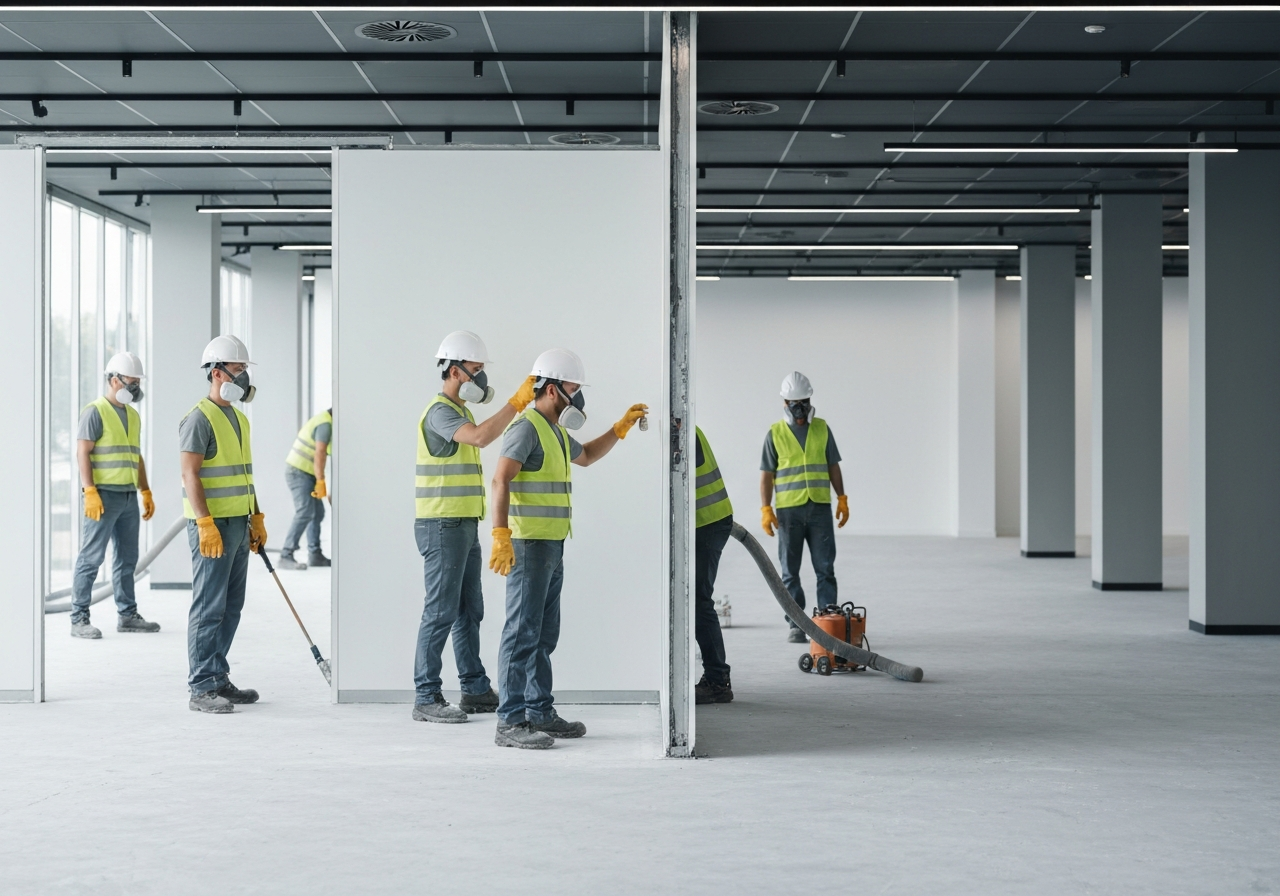
- Containment: To prevent the spread of mold spores to unaffected areas of the home, strict containment zones are established. This involves sealing off the work area with physical barriers (e.g., plastic sheeting) and utilizing negative air pressure machines equipped with High-Efficiency Particulate Air (HEPA) filters. This ensures that air flows into the contaminated area, trapping spores within the work zone.
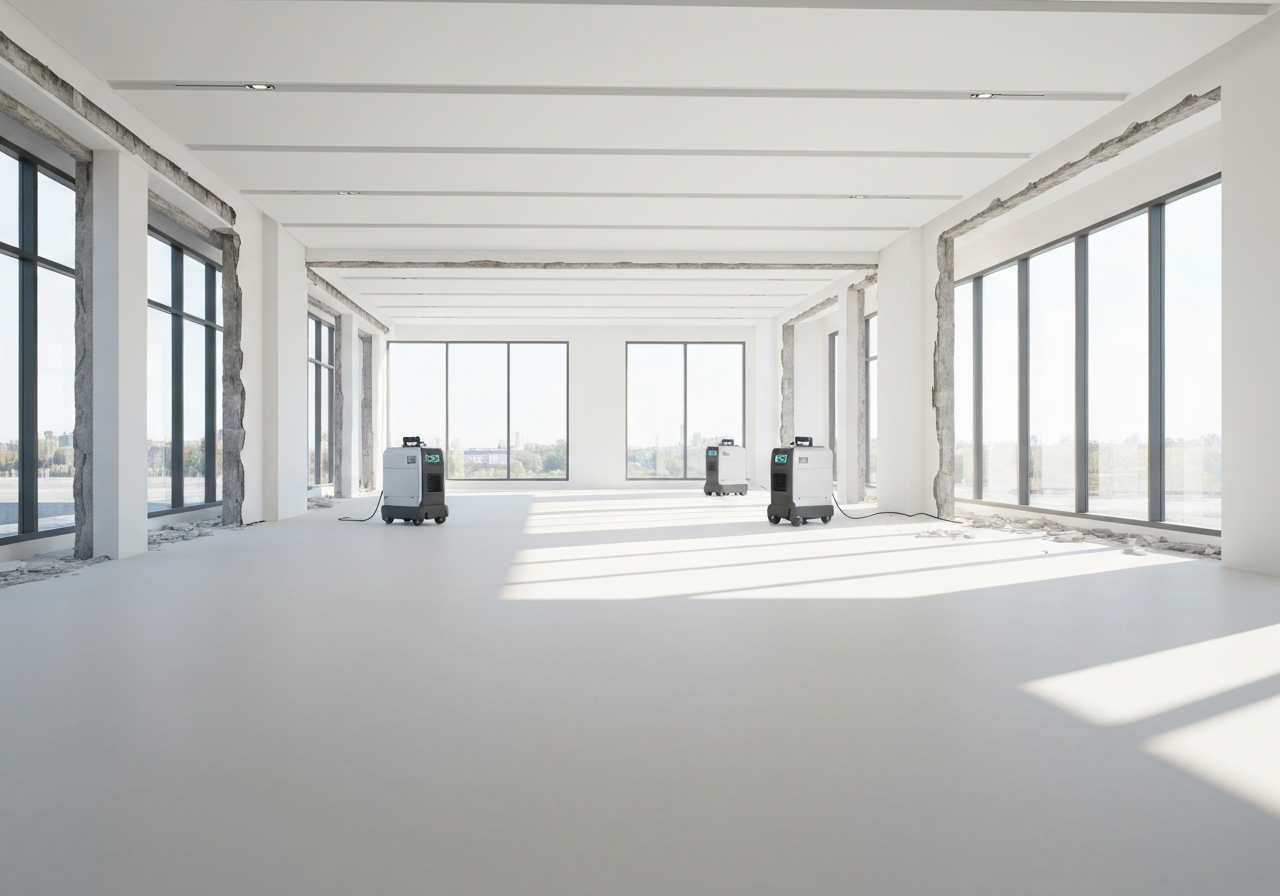
- Air Filtration: Throughout the remediation, HEPA air scrubbers and negative air machines continuously clean the air within and around the containment, capturing airborne mold spores and other particulates to improve overall air quality.
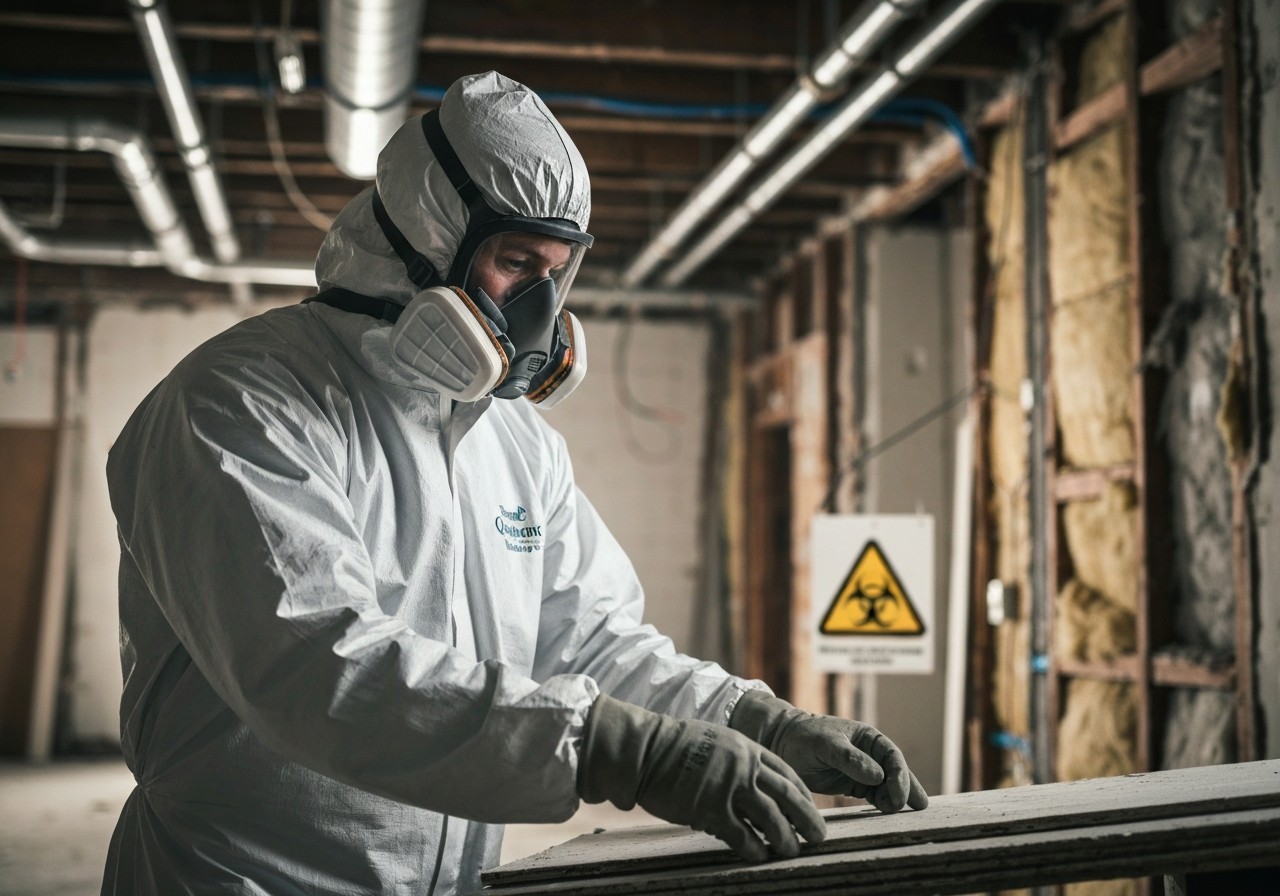
- Removal of Mold-Infested Materials: Mold deeply penetrates porous materials like drywall, insulation, carpeting, and some wood. These materials cannot be simply cleaned and must be safely removed and properly disposed of. Technicians wear specialized personal protective equipment (PPE) to prevent exposure. Materials are double-bagged and sealed within the containment area before removal to an approved disposal site, adhering to regulations for removing hazardous materials safely.
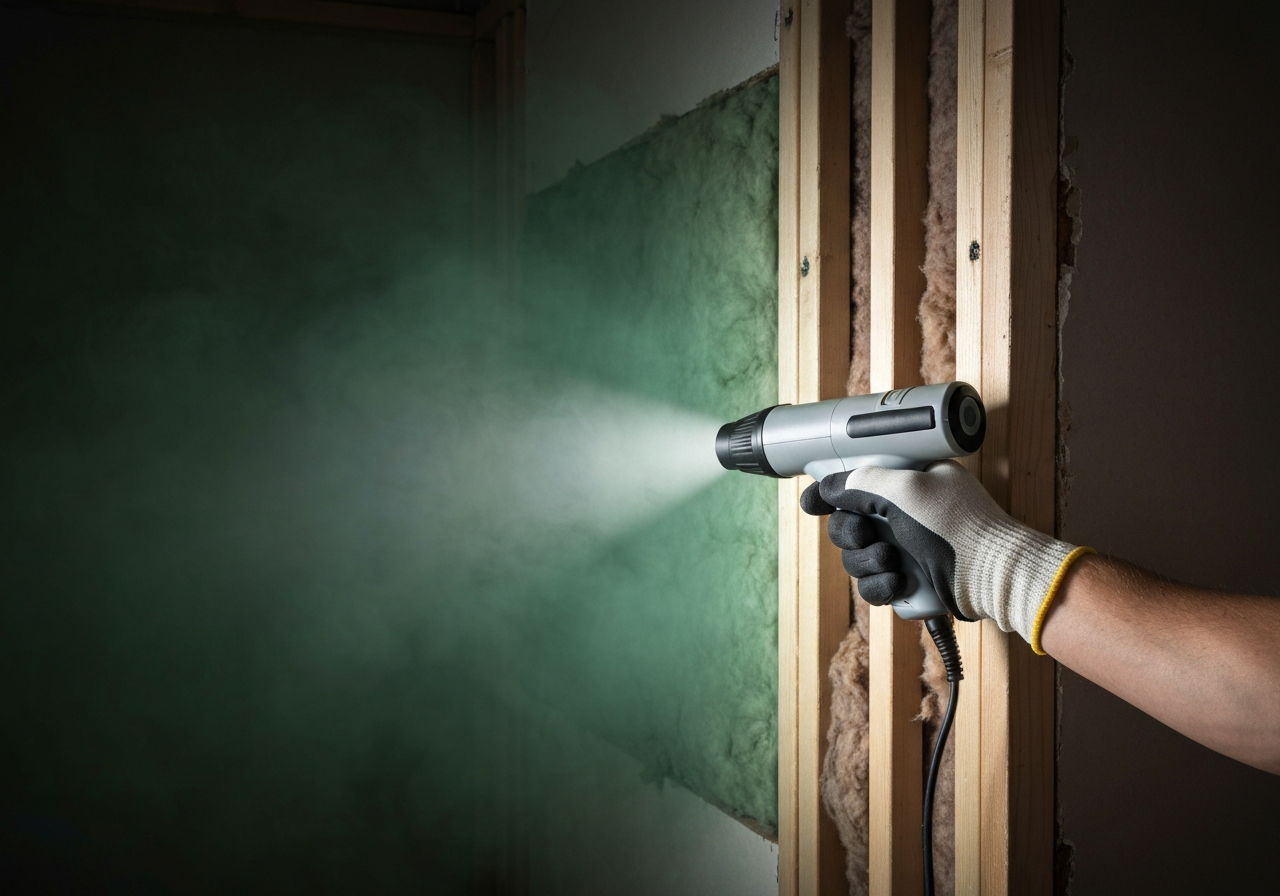
- Cleaning and Disinfection: Non-porous and semi-porous materials affected by mold can often be cleaned. This involves scrubbing surfaces with antimicrobial and antifungal agents specifically designed for mold removal, followed by thorough wiping and treatment to eliminate residues and disinfect the area.
- Drying and Dehumidification: Complete drying of the affected area and remaining materials is paramount to prevent future mold growth. Industrial-grade dehumidifiers and air movers are used to reduce moisture levels, and moisture readings are continuously monitored to confirm optimal dryness.
- Restoration: Once mold is removed, the area is dry, and testing confirms remediation success, restoration begins. This includes repairing or replacing damaged building materials to return the property to its pre-mold condition. For businesses, this includes commercial mold remediation in South Carolina that minimizes downtime.
- Post-Remediation Verification: A final inspection and testing, often by an independent third party, are conducted to confirm that mold levels have returned to acceptable standards, ensuring the area is safe for reoccupation.
Adherence to rigorous safety protocols, including appropriate PPE and containment strategies, is a hallmark of professional mold remediation. This protects both the remediation team and the building’s occupants from the hazards associated with mold exposure during cleanup.
Piedmont Quality Air: Your Trusted Partner for a Mold-Free Home
When it comes to addressing mold in your South Carolina property, choosing experienced Mold Remediation Professionals is a decision that safeguards your health and investment. Piedmont Quality Air stands as a trusted partner, bringing unparalleled expertise and a commitment to safety and quality in every project.
Our team comprises highly trained and certified professionals who understand the unique challenges posed by mold in South Carolina’s climate. We leverage state-of-the-art equipment and adhere strictly to federal and state regulations for hazardous material removal, ensuring that every remediation project is executed to the highest standards. Our local knowledge means we are intimately familiar with common moisture intrusion points specific to regional architecture and environmental factors, allowing for more accurate assessments and tailored solutions. For instance, addressing mold in crawl spaces, a prevalent issue in the state, is one of our specialties, offering comprehensive crawl space mold removal services in SC.
Beyond effective remediation, Piedmont Quality Air emphasizes proactive prevention. We provide solutions such as crawl space encapsulation and professional dehumidification to control indoor humidity levels, drastically reducing the risk of future mold growth. Our comprehensive approach not only removes existing mold but also addresses its root causes, ensuring the long-term health and value of your property. We are dedicated to delivering personalized service, clear communication, and a level of accountability that only a locally invested company can offer. This commitment ensures peace of mind for homeowners, knowing their properties are in expert hands and their home’s value is being protected, leading to successfully restoring SC home value after mold.
Reclaim Your Safer Home: Get a Free Estimate from Piedmont Quality Air
Ignoring a mold problem, or attempting inadequate DIY fixes, can lead to escalating damage and increased health risks. The longer mold is allowed to grow, the more extensive and costly the remediation becomes. If you suspect mold in your home or business, acting quickly is paramount to containing the issue and protecting your property and health.
Piedmont Quality Air is ready to assist you in reclaiming a healthier, mold-free environment. As experienced Mold Remediation Professionals, we offer comprehensive services designed to accurately assess, safely remove, and effectively prevent mold recurrence. Our dedication to superior service, combined with our expertise in navigating South Carolina’s specific environmental challenges, makes us the ideal choice for your remediation needs.
Don’t let mold undermine your peace of mind or the value of your property. Take the first step towards a safer home today. We offer free, no-obligation estimates to help you understand the scope of work and the solutions available. Trust Piedmont Quality Air to provide the professional, reliable service you need to ensure your living or working space is healthy and protected.
Don’t let mold undermine your peace of mind or the value of your property. Take the first step towards a safer home today. Get a free, no-obligation estimate from Piedmont Quality Air to reclaim a healthier, mold-free environment.