
Mastering Compliance: Why Understanding NC Asbestos Rules is Crucial
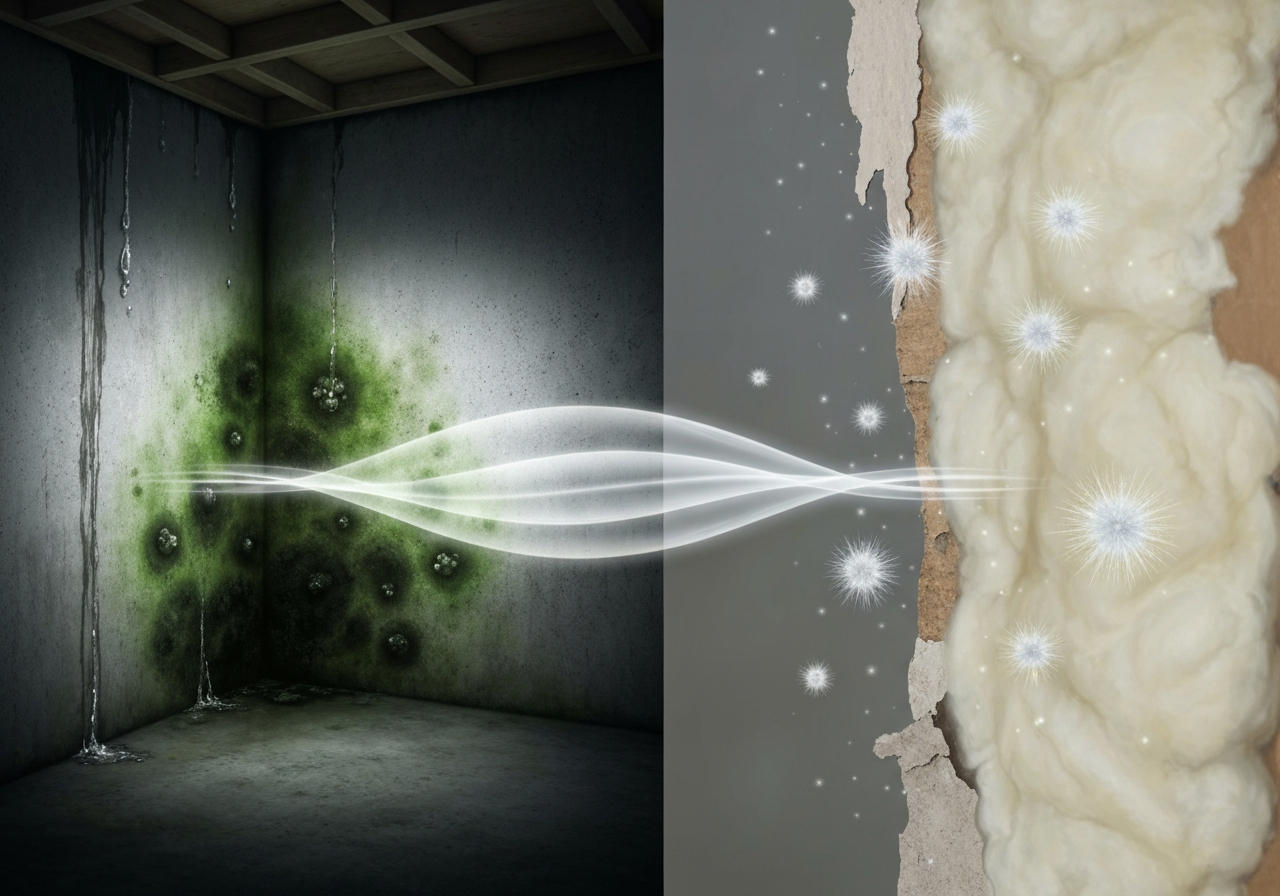
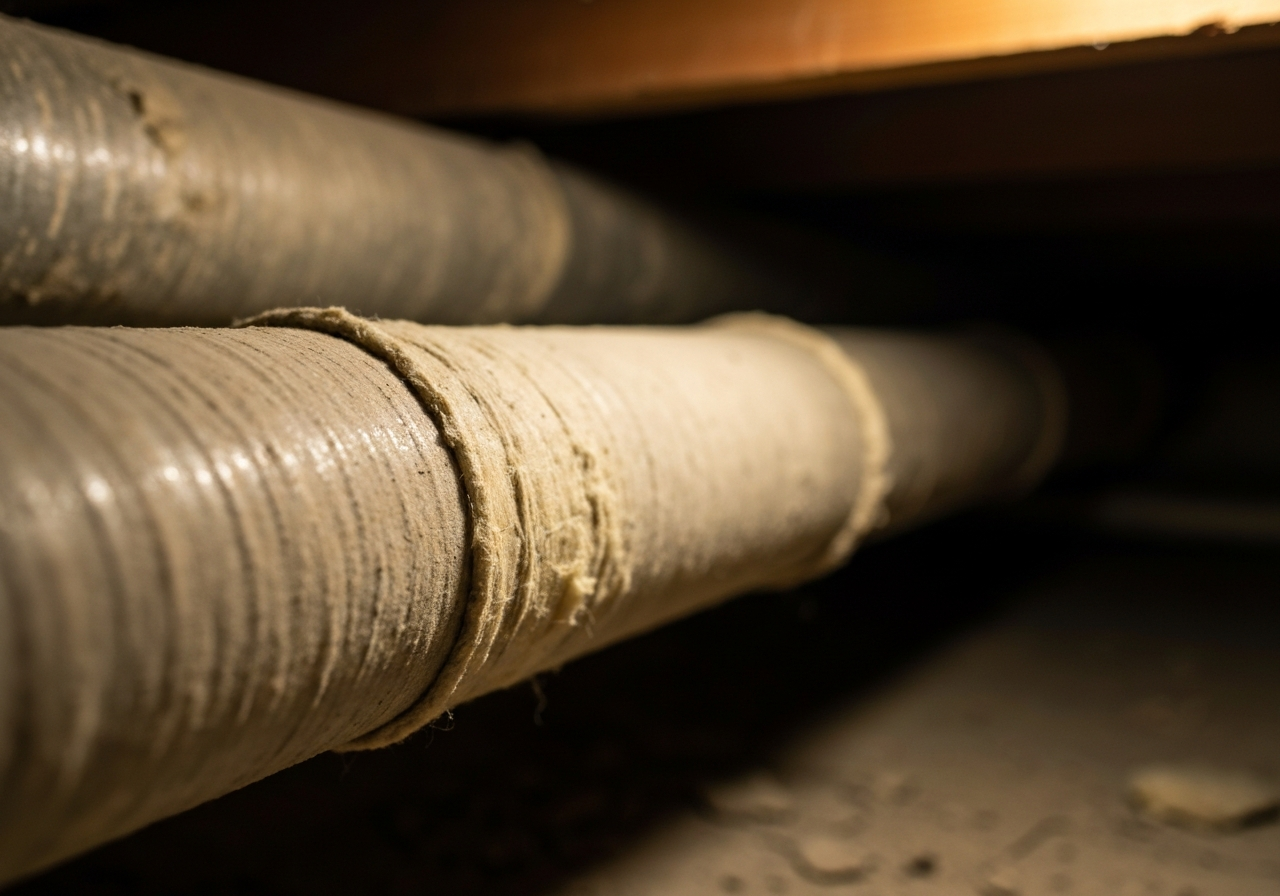
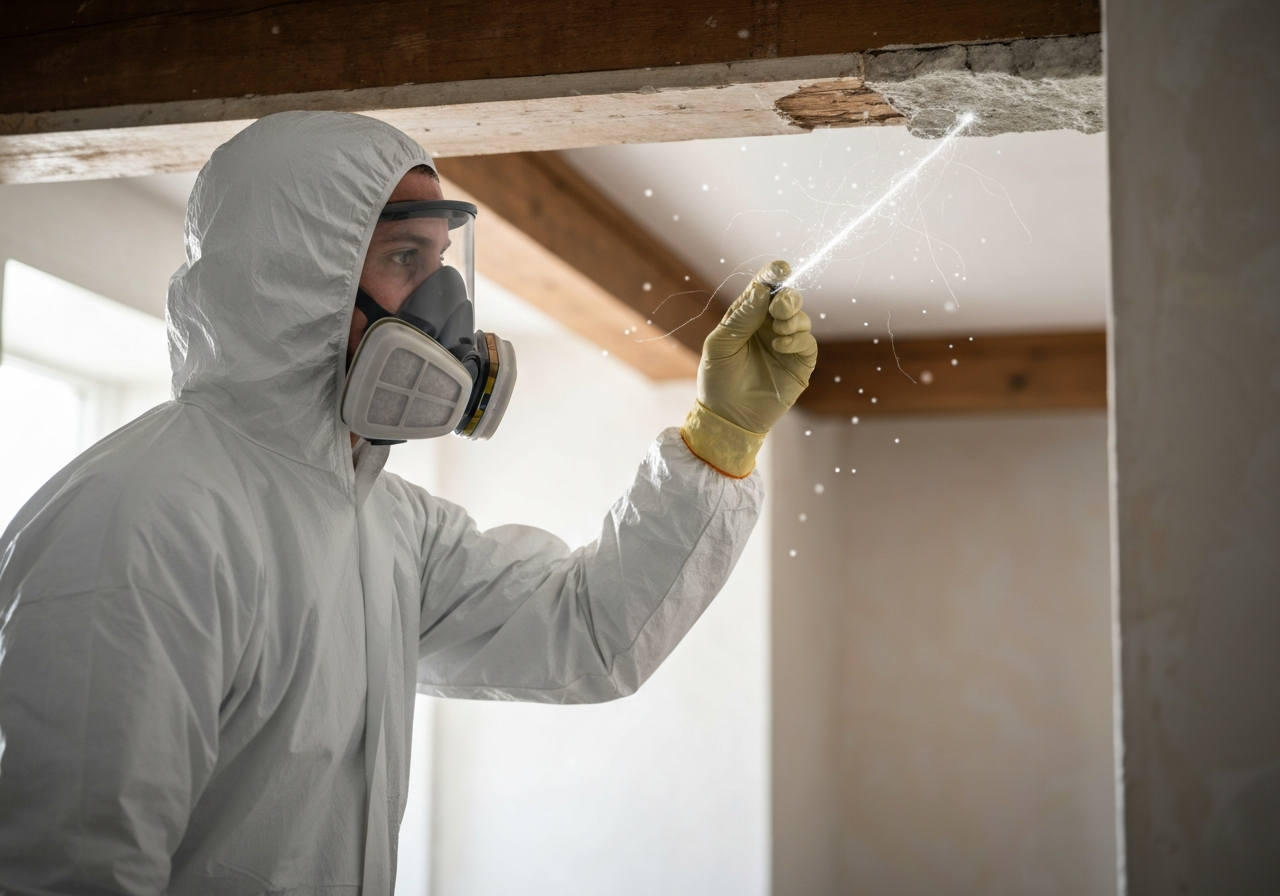
Understanding the complex landscape of NC Asbestos Rules, Regulations & Ordinances is critical for homeowners, property managers, and contractors across North Carolina. Asbestos, a naturally occurring mineral fiber, was once widely used in construction due to its remarkable resistance to heat, fire, and insulating properties. However, when disturbed, its microscopic fibers can become airborne, posing severe health risks, including debilitating lung diseases like asbestosis, lung cancer, and mesothelioma. North Carolina has established stringent guidelines to manage asbestos-containing materials (ACMs), ensuring public safety during renovations, demolitions, and general maintenance activities. Ignorance of these rules is not an excuse, and non-compliance can lead to significant penalties, health hazards, and legal issues. Therefore, adherence to these regulations is paramount for protecting both workers and the wider community.
The Health and Legal Imperatives of Asbestos Compliance in North Carolina
Adhering to North Carolina’s asbestos regulations is a fundamental commitment to public health and safety. The severe and often fatal diseases caused by inhaling or ingesting asbestos fibers underscore the critical importance of proper management. These diseases often manifest years, even decades, after exposure, making prevention through strict compliance the only effective safeguard. For property owners, compliance also significantly mitigates legal and financial liabilities associated with asbestos exposure claims. The long-term health consequences for individuals and the potential legal ramifications for property owners make diligent adherence to NC Asbestos Rules, Regulations & Ordinances an absolute necessity. The most convincing evidence for credibility in asbestos management is a perfect safety record achieved through unwavering adherence to established protocols and regulations. It’s not just about what you do, but how meticulously you do it, ensuring every fiber is contained.
Demystifying NC General Statutes on Asbestos Management
North Carolina’s legislative framework for asbestos management is firmly rooted in its General Statutes, primarily found within Article 19 of Chapter 130A. These statutes establish the legal foundation for the state’s comprehensive asbestos program, granting authority to key state agencies such as the North Carolina Department of Health and Human Services (NCDHHS) and the North Carolina Department of Labor (NCDOL) to develop and enforce detailed regulations. Key provisions within these statutes address definitions of asbestos-containing materials, outline responsibilities for various parties involved in asbestos-related work, and detail enforcement mechanisms. These foundational laws mandate the certification of asbestos professionals and adherence to safe work practices, all aimed at protecting both workers and the general public from hazardous asbestos exposure.
Navigating NC Asbestos Rules, Regulations & Ordinances: A Closer Look
North Carolina’s approach to asbestos management involves a multi-layered system, integrating both state and federal requirements. The overarching goal is the prevention of asbestos exposure through strict adherence to established protocols. This involves several critical components:
- Inspection Requirements: Before any renovation or demolition activities begin, particularly in commercial and public buildings, and sometimes even in residential properties, an accredited asbestos professional must conduct a thorough inspection to identify the presence, type, location, and quantity of asbestos.
- Notification Procedures: Specific state and federal agencies require prior notification before commencing asbestos abatement or demolition projects. This notification typically must be submitted within a defined timeframe before work can begin.
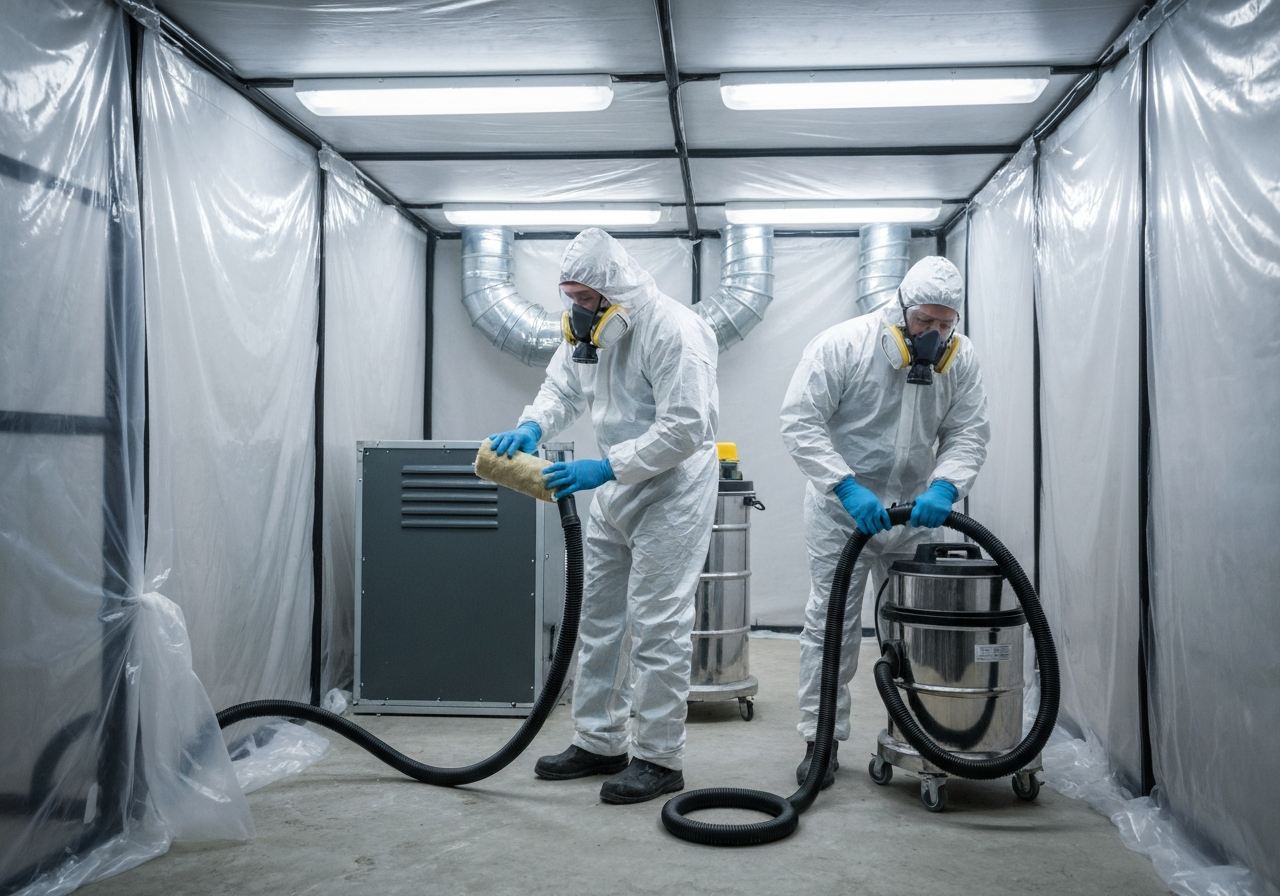
- Work Practices: To minimize the release of airborne fibers during the removal or disturbance of ACMs, stringent work practices are mandated. These include keeping materials wet during removal, utilizing HEPA-filtered vacuums for cleanup, and establishing proper containment areas.
- Disposal: Asbestos waste, categorized as a hazardous material, must be handled and disposed of in specially designated landfills that are authorized to accept such materials, following strict guidelines to prevent environmental contamination.
The state’s specific administrative rules, detailed in 10A NCAC 41C .0600-.0611, directly implement these statutes and often mirror or exceed federal standards to provide a more robust framework for protection.
Federal Influence: NESHAP and AHERA’s Role in North Carolina Asbestos Control
North Carolina’s asbestos control framework is significantly shaped by federal environmental and occupational health regulations. Two primary federal acts play a crucial role:
- National Emission Standards for Hazardous Air Pollutants (NESHAP): Under the Clean Air Act, the U.S. Environmental Protection Agency (EPA) enforces NESHAP, which specifically targets airborne emissions of asbestos during demolition and renovation activities. These regulations mandate specific work practices and notification requirements to prevent asbestos fibers from becoming airborne and affecting public health.
- Asbestos Hazard Emergency Response Act (AHERA): Enforced by the EPA, AHERA addresses asbestos-containing materials in schools. It mandates comprehensive inspections, development of management plans, and specific response actions for asbestos found in educational facilities.
North Carolina actively incorporates these federal guidelines, often adopting them by reference into state regulations or developing complementary rules that impose even more stringent requirements. For instance, while NESHAP outlines federal requirements for demolition and renovation of various facilities, North Carolina’s specific rules may expand to cover a broader array of structures or necessitate more detailed notification procedures. Similarly, the NCDOL’s Occupational Safety and Health Division ensures that workplace asbestos standards align with OSHA requirements, protecting employees who directly handle asbestos-containing materials. A thorough understanding of these interconnected federal and state mandates is essential for comprehensive compliance.
Asbestos, Demolition, and Open Burning Regulations in NC
Demolition and renovation activities in North Carolina carry strict requirements regarding asbestos-containing materials. Before any demolition or renovation project begins, particularly those involving public or commercial buildings, an inspection by an accredited asbestos professional is mandatory. This inspection determines the presence, type, location, and amount of asbestos, informing which state and federal rules apply. For projects involving the removal of regulated asbestos-containing material exceeding certain thresholds (e.g., 35 cubic feet, 160 square feet, or 260 linear feet), a state permit from the Health Hazards Control Unit (HHCU) is required. Additionally, notification to the HHCU is mandatory for any building demolition, irrespective of asbestos presence. Materials confirmed to contain asbestos must be kept wet at all times during demolition and renovation to prevent fiber release, ensuring no visible emissions occur. Improper asbestos removal techniques, such as pounding on asbestos-containing siding, can significantly increase the risk of fiber release.
North Carolina also has specific air quality regulations concerning the intentional burning of structures for firefighting training. While these regulations permit controlled burns for training purposes, they must be conducted in a manner that prevents the release of hazardous air pollutants, including asbestos. Therefore, any structure slated for open burning must first undergo a thorough asbestos inspection and, if asbestos is present, a complete asbestos abatement procedure must be performed to ensure compliance with both demolition and air quality regulations. For detailed information on these procedures, it is advisable to consult the North Carolina Department of Health and Human Services’ guidelines on demolition.
County-Specific Asbestos Ordinances: What You Need to Know in Buncombe, Forsyth, and Mecklenburg
Beyond state and federal regulations, certain North Carolina counties and municipalities have established their own asbestos-related ordinances. These local rules often introduce additional layers of requirements, addressing specific community concerns or unique local conditions. It is crucial for property owners and contractors operating in these areas to consult with local authorities to ensure full compliance. For instance, county air quality agencies may enforce stricter notification requirements or implement specialized procedures for smaller residential projects that might not be fully covered by federal NESHAP regulations. Ignoring these local mandates can result in significant penalties, project delays, and potential legal action.
Three prominent North Carolina counties with their own asbestos-related ordinances include:
- Buncombe County: The Asheville-Buncombe Air Quality Agency frequently imposes specific regulations concerning asbestos management and demolition activities.
- Forsyth County: The Forsyth County Office of Environmental Assistance and Protection (EAP) is responsible for enforcing NESHAP regulations within its jurisdiction and may have additional permitting and notification requirements. Non-compliance in Forsyth County can incur substantial penalties, up to $25,000 per day per violation.
- Mecklenburg County: The Mecklenburg County Air Quality (MCAQ) also enforces local asbestos NESHAP requirements, often with specific procedures for various types of projects.
Always contact the relevant local health departments or building code enforcement offices to determine any applicable local asbestos ordinances for your specific project. This is a crucial step for preventing unforeseen issues and ensuring complete regulatory adherence.
Partnering for Safety: How Piedmont Quality Air Ensures NC Asbestos Compliance
Navigating the complex and ever-evolving landscape of NC Asbestos Rules, Regulations & Ordinances requires specialized expertise and unwavering dedication to safety. This is precisely where partnering with experienced professionals like Piedmont Quality Air becomes indispensable. Piedmont Quality Air is committed to upholding the highest standards of safety and environmental protection, ensuring full compliance with all federal, state, and local asbestos regulations for every project undertaken. Their team comprises highly trained and certified asbestos abatement specialists who possess a deep understanding of North Carolina’s specific requirements.
Piedmont Quality Air employs rigorous safety protocols and utilizes advanced equipment to manage asbestos-containing materials effectively. Their comprehensive services span the entire process, from initial inspection and meticulous sampling to precise containment strategies, safe removal techniques, and proper disposal at licensed facilities. They emphasize minimizing fiber release through wet removal methods and the use of HEPA-filtered vacuums, ensuring thorough decontamination of work areas. By choosing Piedmont Quality Air, clients receive peace of mind, knowing that their asbestos concerns are handled with the utmost professionalism, safeguarding both human health and the environment. For residential and commercial clients across North Carolina, Piedmont Quality Air provides comprehensive asbestos abatement services.
Protecting Your Property and Health: Your Next Steps with Asbestos
The presence of asbestos in your North Carolina property necessitates a proactive, informed, and professional approach. Understanding and meticulously complying with NC Asbestos Rules, Regulations & Ordinances is not merely a legal obligation; it is a critical measure to protect the long-term health of your family, employees, or tenants, and to preserve the value and integrity of your investment. Do not underestimate the inherent risks associated with asbestos exposure. Instead, empower yourself with accurate information and recognize the invaluable benefits of engaging professional assistance. By choosing a reputable and compliant expert in asbestos management, like Piedmont Quality Air, you ensure that any asbestos-related challenges on your property are addressed with the highest levels of professionalism, safety, and strict adherence to all applicable laws and regulations. Prioritizing expert asbestos management is the definitive step toward safeguarding your property and overall well-being. For comprehensive asbestos removal and related services, learn more about Piedmont Quality Air’s offerings in Charlotte, Concord, and Hickory, NC.
Don’t navigate the complexities of NC Asbestos Rules alone. Protect your property and health by partnering with certified professionals. Contact Piedmont Quality Air today for expert asbestos management and compliance services.