Understanding Mold & Asbestos: A Homeowner’s Guide to a Safer NC Home
For homeowners in North Carolina, safeguarding your property and the health of your family involves being vigilant about unseen threats. Among the most concerning are mold and asbestos, two distinct hazards that, if left unaddressed, can lead to significant health issues and property damage. Effectively understanding Mold & Asbestos is the first step toward creating a safer living environment.
Mold vs. Asbestos: Key Differences and Why They Matter for Your Property
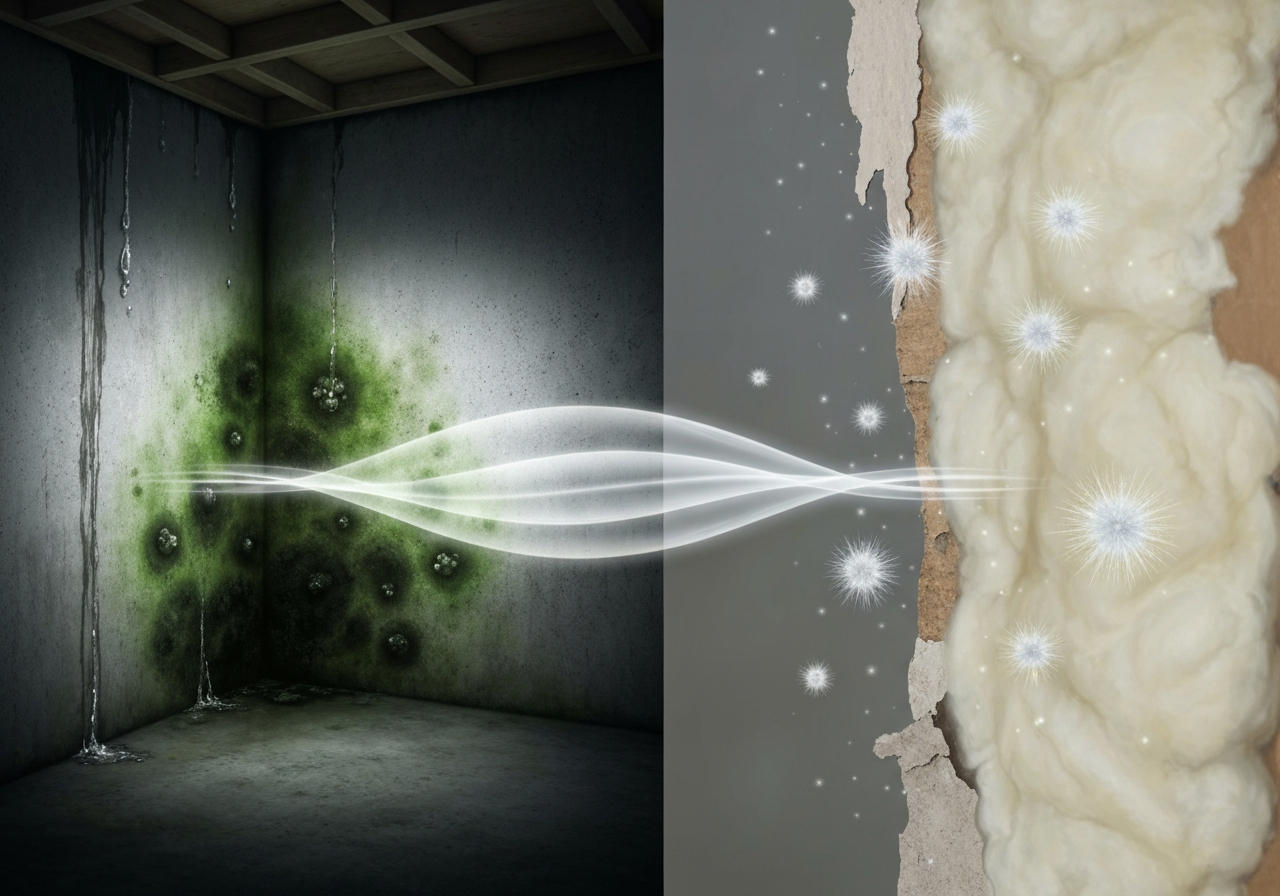
While both mold and asbestos pose serious health risks, they are fundamentally different in origin and behavior. Mold is a biological organism, a type of fungus that thrives in damp, humid conditions. It grows, reproduces through spores, and spreads, often indicated by visible patches and a musty odor. Asbestos, on the other hand, is a naturally occurring mineral fiber. It was widely used in construction materials for its heat resistance and insulating properties until the late 20th century. Unlike mold, asbestos does not grow or spread on its own; its danger arises when its microscopic fibers become airborne due to disturbance.
Understanding this distinction is crucial for proper identification and remediation. A key difference highlighted by experts is that while mold is a living organism requiring moisture and oxygen to grow, asbestos is a mineral whose amount remains static in a structure unless physically introduced. However, if asbestos-containing materials are disturbed, the dormant fibers can become highly dangerous, posing significant health risks without any visible spread. Therefore, while both require attention, the approach to managing each differs significantly.
Common Hiding Spots: Identifying Mold and Asbestos in North Carolina Properties
Identifying potential hazards often means knowing where they commonly hide. Mold thrives in areas with excessive moisture and poor ventilation. Common places to find mold in North Carolina homes include:
- Basements and Crawl Spaces: Prone to dampness and humidity.
- Bathrooms and Kitchens: Areas with high moisture from plumbing leaks, showers, and cooking.
- Attics: Often suffer from roof leaks or condensation issues.
- Around Leaky Pipes or Fixtures: Any area with water damage is a prime breeding ground.
- Window Sills and Seals: Where condensation can accumulate.
Asbestos, due to its historical use, is typically found in homes built before 1980. Its presence is often concealed within structural components or finishing materials. Common locations for asbestos include:
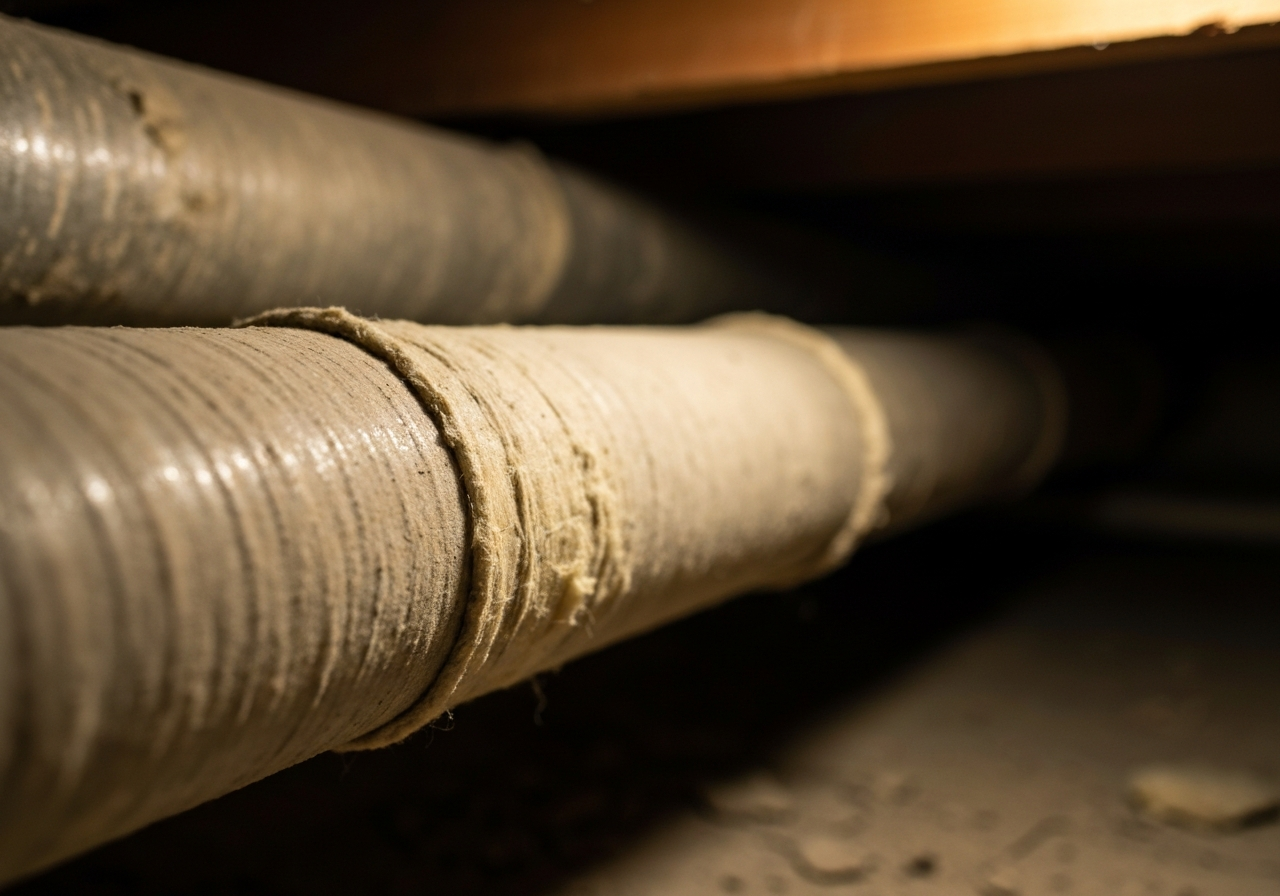
- Insulation: Attic insulation (vermiculite), pipe insulation, boiler insulation.
- Roofing and Siding: Asbestos-cement shingles and siding panels.
- Flooring: Vinyl floor tiles, linoleum, and the adhesives used for installation.
- Ceiling Materials: Popcorn ceilings and ceiling tiles.
- Drywall and Joint Compound: Found extensively in older homes.
- Around Furnaces and Wood Stoves: Cement sheet, millboard, and paper used as insulation.
If you suspect the presence of asbestos, particularly in these common areas or after events like storm damage, it’s critical to exercise extreme caution and avoid disturbing the materials. Piedmont Quality Air specializes in asbestos abatement and can help identify these hidden dangers.
The Health Hazards of Mold Exposure: What North Carolina Residents Need to Know
Exposure to mold can lead to a variety of health issues, with symptoms ranging from mild to severe, depending on the individual’s sensitivity and the extent of exposure. Mold releases spores and microbial volatile organic compounds (mVOCs) into the air, which can trigger adverse reactions. Common symptoms of mold exposure include:
- Allergic reactions such as sneezing, runny nose, and red, itchy eyes.
- Skin rashes and irritation.
- Coughing, wheezing, and shortness of breath.
- Headaches and fatigue.
Individuals with existing respiratory conditions like asthma, or those with compromised immune systems, may experience more severe reactions. While “black mold” (*Stachybotrys chartarum*) often receives significant media attention, it’s important to understand that all types of mold have the potential to cause health problems if present in significant quantities indoors. Health organizations like the EPA and CDC emphasize that the presence of *any* mold, regardless of type, requires remediation. The focus should be on identifying and addressing the moisture problem and safely removing the mold, rather than costly and often unnecessary testing to identify specific mold species.
According to the CDC, exposure to damp and moldy environments may cause a variety of health effects, or none at all. Similarly, the EPA notes that molds produce allergens and irritants, and inhaling or touching mold or mold spores may cause allergic reactions or asthma attacks in sensitive individuals. Prolonged indoor mold exposure has also been linked to mood changes and immune system alterations.
Asbestos and Your Health: Understanding the Long-Term Dangers
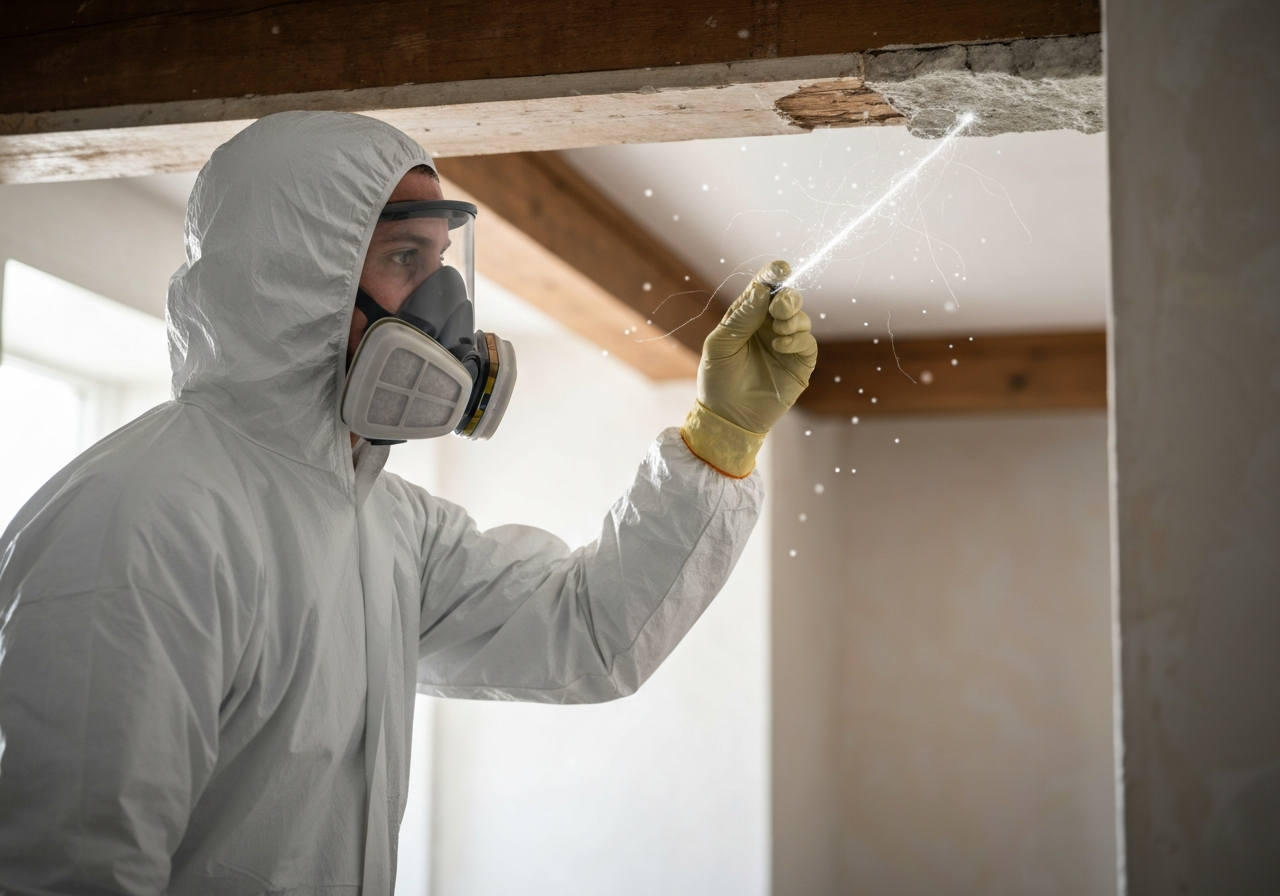
Asbestos is a known human carcinogen, and exposure to its microscopic fibers can lead to severe and often fatal diseases. When asbestos-containing materials are disturbed, these fibers become airborne and can be inhaled, lodging in the lungs and causing scarring and inflammation over time. The health effects of asbestos exposure typically have a long latency period, meaning symptoms may not appear for 10 to 40 years or even more after initial exposure.
Key asbestos-related diseases include:
- Asbestosis: A serious, chronic lung disease characterized by scarring of the lung tissue, leading to shortness of breath and permanent lung damage.
- Lung Cancer: Asbestos exposure significantly increases the risk of lung cancer, especially when combined with smoking.
- Mesothelioma: A rare and aggressive cancer that affects the lining of the lungs, abdomen, or heart. It is almost exclusively linked to asbestos exposure.
- Pleural Thickening: A condition where the lining of the lungs thickens and swells, potentially causing shortness of breath and chest discomfort.
The U.S. Department of Health and Human Services (HHS), EPA, and International Agency for Research on Cancer (IARC) have classified asbestos as a known human carcinogen. The World Health Organization (WHO) states that all forms of asbestos are carcinogenic and responsible for over 200,000 deaths globally each year due to occupational exposure alone. There is no safe level of asbestos exposure; even brief encounters with high concentrations of fibers can be dangerous.
Symptoms such as persistent cough, shortness of breath, chest pain, and unexplained weight loss can indicate asbestos-related disease. For instance, asbestosis symptoms may not appear for 20 to 30 years after exposure, often beginning with difficulty breathing during physical activity, as noted by Cleveland Clinic. The Health and Safety Executive (HSE) reports that asbestos still kills around 5,000 workers each year in the UK, underscoring the ongoing danger of legacy asbestos materials.
When to Act: Signs You Might Have Mold or Asbestos in Your Property
Recognizing the signs of mold or asbestos presence is crucial for prompt action. For mold, visual cues are often the most obvious. Look for:
- Visible Growth: Fuzzy, slimy, or discolored patches on walls, ceilings, floors, or other surfaces. Mold can be black, green, brown, white, or even orange.
- Musty Odors: A distinct, earthy, or musty smell, even if mold is not visible. This often indicates hidden mold growth behind walls, under flooring, or in crawl spaces.
- Water Stains or Damage: Discoloration, peeling paint, warped wood, or damp spots on surfaces can signal a moisture problem that is feeding mold growth.
For asbestos, identification is more challenging as it’s often encapsulated within building materials and is not visible to the naked eye. However, certain situations warrant immediate concern:
- Age of Property: Homes built before the 1980s are more likely to contain asbestos-containing materials.
- Disturbance of Materials: If renovation, demolition, or even minor repairs disturb older materials like insulation, floor tiles, roofing, or drywall, asbestos fibers may be released.
- Storm Damage: Severe weather can compromise building integrity, tearing apart materials that may contain asbestos and releasing fibers into the air. This necessitates immediate attention for North Carolina asbestos storm damage cleanup.
- Material Degradation: Deteriorating, crumbly, or damaged materials that are suspected to contain asbestos.
If you observe any of these signs, particularly after a disturbance, it’s vital to avoid further contact and seek professional assessment.
The Importance of Professional Inspection and Testing in Charlotte, NC
Attempting DIY remediation for mold, and especially asbestos, can exacerbate the problem and put your health at severe risk. Professional inspection and testing are paramount for accurate identification and safe management. For mold, while small areas can sometimes be cleaned by homeowners, professional assessment is recommended for larger infestations (greater than 10 square feet), recurrent mold, or if residents experience health symptoms. Professionals can pinpoint the source of moisture and recommend comprehensive solutions.
For asbestos, professional intervention is non-negotiable. There is no safe level of asbestos exposure, and disturbing asbestos-containing materials without proper training and equipment can release dangerous fibers into the air, leading to long-term health consequences. In North Carolina, specific regulations govern asbestos abatement to protect public health and the environment. These regulations necessitate licensed and accredited professionals for inspection, project design, supervision, and abatement work.
Expert insight highlights that for mold, identifying the specific type through testing is generally not recommended by health authorities like the CDC, as the health effects vary by individual, and the primary objective is always safe removal and moisture control. However, for asbestos, laboratory testing of suspect materials is essential to confirm its presence before any remediation begins.
Safe Remediation: Piedmont Quality Air’s Expert Approach to Mold Removal
When dealing with mold, effective remediation goes beyond surface cleaning; it requires addressing the root cause—the moisture source—to prevent recurrence. Piedmont Quality Air offers comprehensive mold removal services in Charlotte, Concord, and Hickory, NC. Our expert approach includes:
- Full Assessment: We thoroughly inspect the affected area and surrounding spaces to identify the mold growth and, critically, its underlying moisture source.
- Source Elimination: We address and repair the moisture problem, whether it’s a plumbing leak, roof leak, or humidity issue, to stop mold from returning.
- Careful Mold Removal: Our trained professionals safely remove mold-infested materials using industry-standard techniques to prevent cross-contamination.
- Thorough Cleaning and Disinfection: After removal, the area is meticulously cleaned and disinfected to eliminate any lingering mold spores and ensure a healthy environment.
We understand that mold can be damaging to your respiratory system and health, making professional inspection and remediation a recommended course of action.
Asbestos Abatement in North Carolina: A Regulated and Professional Process
Due to the severe health risks associated with asbestos exposure, asbestos abatement is a highly regulated and specialized process that must only be performed by certified professionals. In North Carolina, Piedmont Quality Air provides expert asbestos abatement services, adhering strictly to federal and state regulations. Our procedure for safe asbestos removal includes:
- HVAC System Shutdown: To prevent the spread of fibers through ventilation systems.
- Electrical System Securement: Ensuring safety during the abatement process.
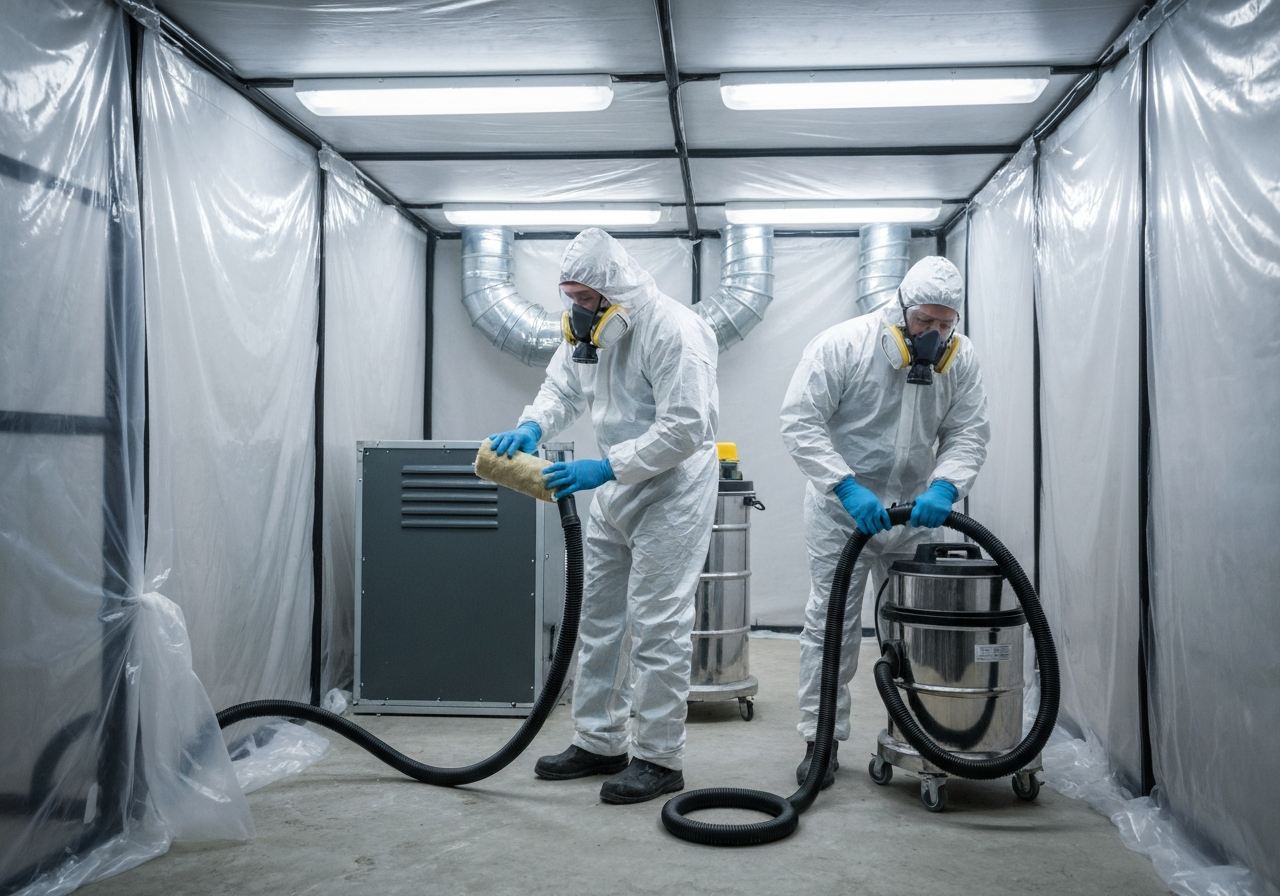
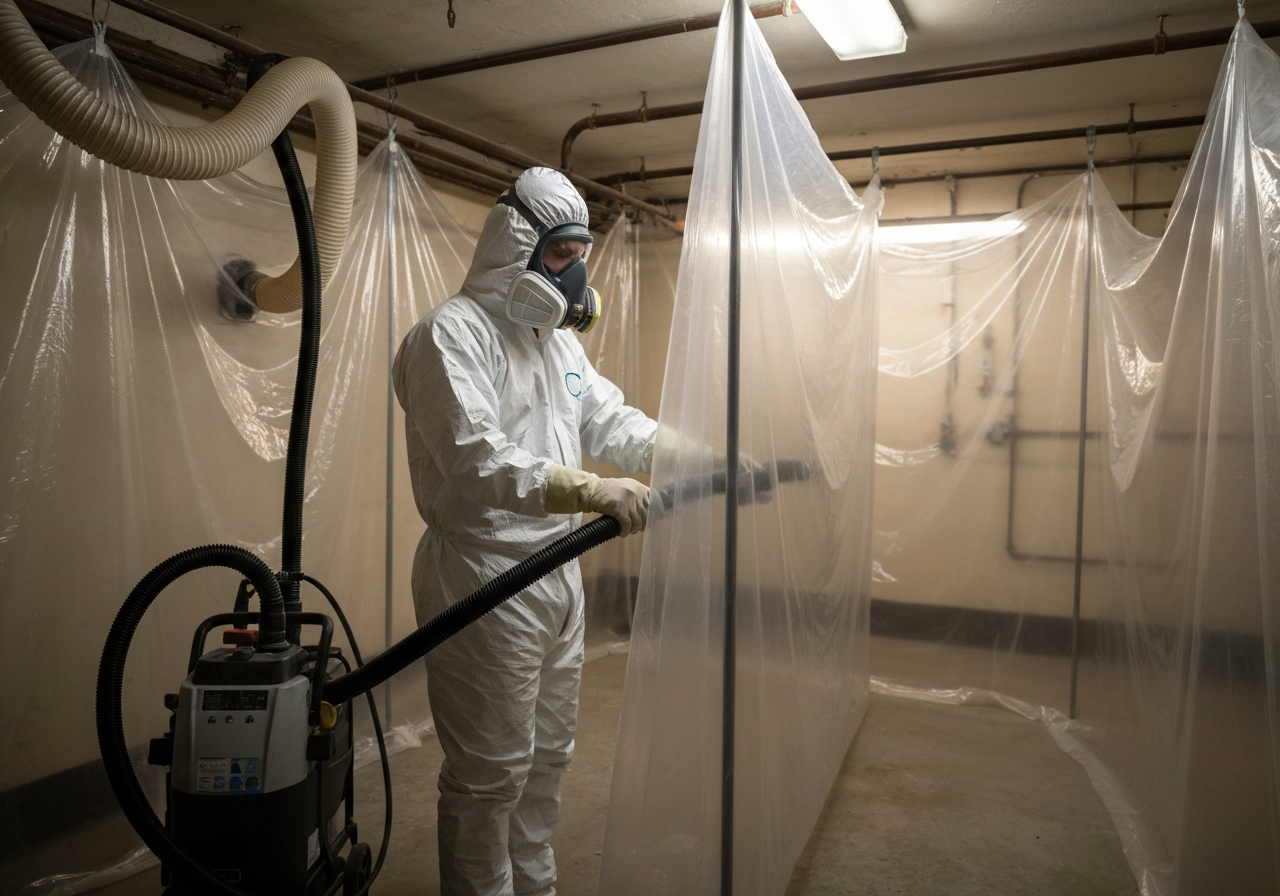
- Containment and Negative Pressure: Sealing off the work area with critical barriers and establishing negative air pressure systems to prevent fiber release into other parts of the building.
- Wet Removal Techniques: Using wet methods to minimize airborne fiber generation during material removal.
- HEPA Vacuuming: Employing specialized HEPA-filtered vacuums for thorough cleanup of microscopic fibers.
- Proper Waste Disposal: All asbestos waste is securely packaged, labeled, and transported to licensed landfills authorized to accept hazardous materials, following strict federal and state laws.
Our team wears specialized personal protective equipment (PPE) and is committed to ensuring the safety of our workers and clients throughout the entire process.
Preventative Measures: Keeping Your North Carolina Home Free from Mold and Asbestos
Proactive measures are key to preventing both mold and asbestos issues in your North Carolina home. For mold prevention, the primary focus is moisture control:
- Control Humidity Levels: Keep indoor humidity below 50% using air conditioners or dehumidifiers.
- Ensure Proper Ventilation: Use exhaust fans in bathrooms and kitchens, and ensure clothes dryers vent outdoors.
- Fix Leaks Promptly: Repair any roof, plumbing, or window leaks immediately to prevent water accumulation.
- Clean and Dry After Floods: Thoroughly clean and dry water-damaged areas within 24-48 hours.
- Avoid Carpeting in Damp Areas: Do not install carpet in bathrooms or basements that are prone to moisture.
- Routine Cleaning: Regularly clean high-moisture areas like shower stalls and refrigerator seals with mold-killing products.
The New York State Department of Health emphasizes that the key to preventing mold growth is to identify and control moisture and water problems.
For asbestos prevention, awareness and caution are paramount:
- Know Your Home’s Age: Be aware that homes built before the 1980s may contain asbestos.
- Avoid Disturbing Suspect Materials: Never cut, drill, sand, or break materials that you suspect contain asbestos.
- Professional Inspection Before Renovation: Before undertaking any renovation or demolition project in an older home, have materials tested for asbestos by a licensed professional.
- Limit Access to Damaged Areas: If asbestos-containing materials are damaged, seal off the area and prevent entry.
Your Trusted Partner for a Healthy Home: Contact Piedmont Quality Air Today
Ensuring the health and safety of your North Carolina home from hazards like mold and asbestos requires expertise, precision, and adherence to stringent regulations. Piedmont Quality Air is your trusted partner, dedicated to providing professional and compliant mold remediation and asbestos abatement services. Our experienced team is equipped with the knowledge and tools to handle these challenging situations, giving you peace of mind and a healthier living environment. For any concerns regarding mold or asbestos in your property, we encourage you to consult with experts who prioritize your well-being. By choosing a reputable and compliant expert like Piedmont Quality Air, you ensure that any mold or asbestos-related challenges on your property are handled with the utmost professionalism, safety, and adherence to all applicable laws. Safeguard your property and well-being by prioritizing compliant and expert management.
Concerned about mold or asbestos in your North Carolina home? Don’t wait! Contact Piedmont Quality Air today for expert remediation and abatement services, and ensure a healthier living environment for your family.