The Invisible Threat: Why Commercial Mold Remediation is Crucial for North Carolina Businesses
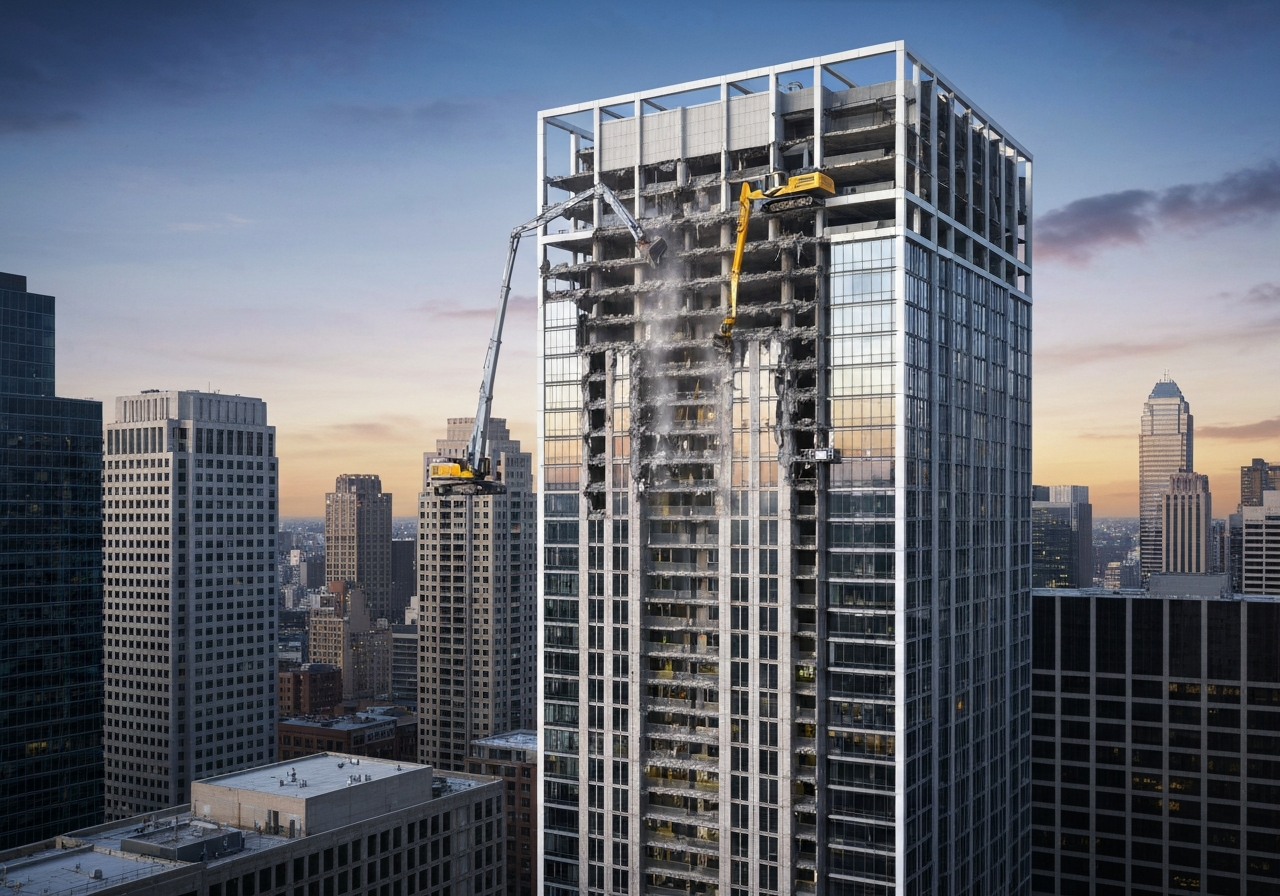
Mold often operates as a silent intruder within commercial properties, posing significant risks that extend far beyond aesthetics. In the humid climate prevalent across North Carolina, the conditions are particularly conducive to mold growth, making commercial mold remediation not just a preventative measure, but a critical necessity. Unlike residential mold issues, commercial infestations are typically larger in scale, involve more complex structural considerations, and carry substantial liability implications. Ignoring this pervasive threat can lead to severe health consequences for occupants, compromise building integrity, and inflict considerable financial and reputational damage upon a business.
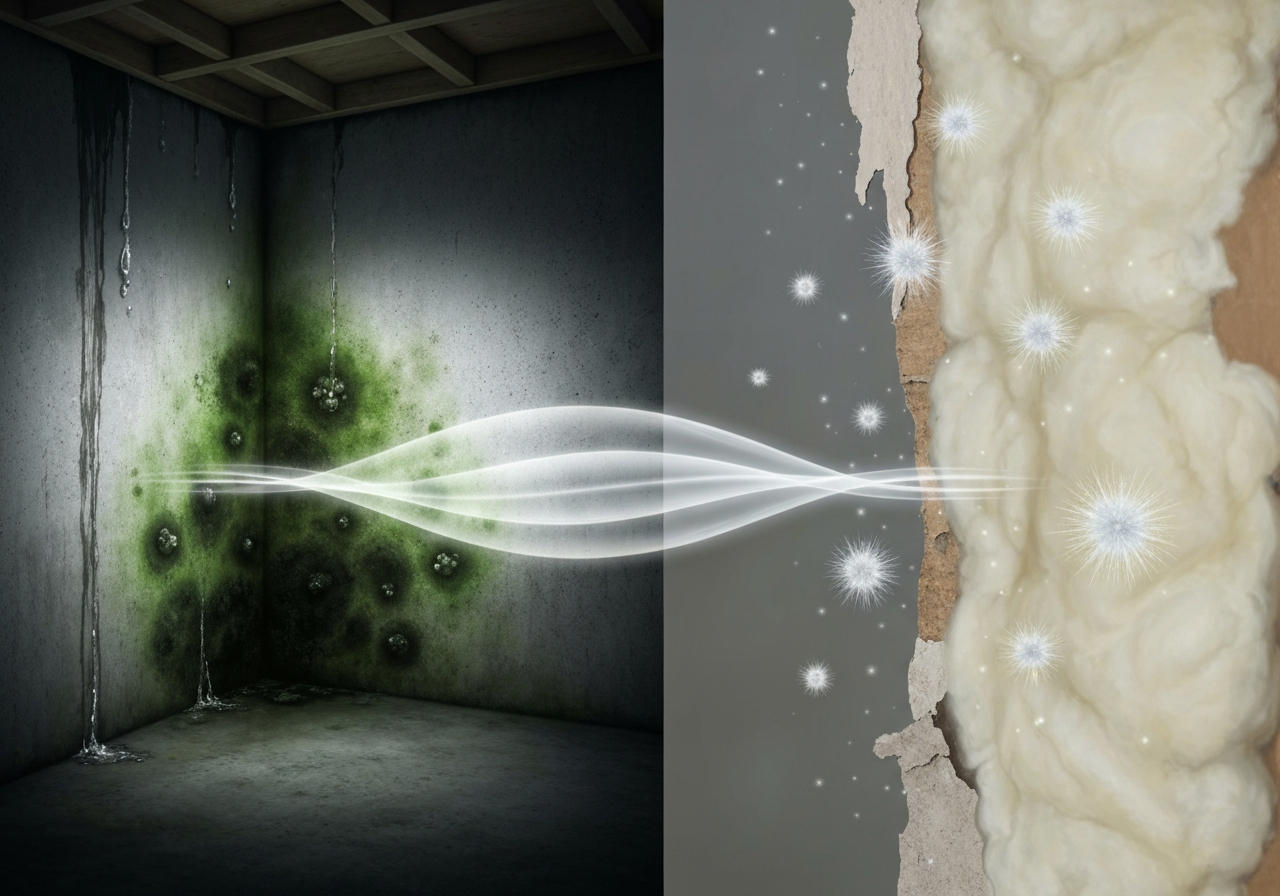
The ubiquity of mold spores means they are constantly present in the environment. However, when these spores encounter a damp indoor environment with an available food source—common in commercial buildings due to potential leaks, poor ventilation, or high humidity—they can rapidly proliferate. This underscores the urgent need for prompt and professional intervention to mitigate risks and maintain a healthy, safe operational environment.
Understanding the Risks: How Mold Harms Your Business and Bottom Line
The presence of mold in a commercial setting introduces a dual threat: it directly impacts human health and severely compromises the structural integrity of the property. Both factors contribute to significant negative repercussions for a business’s bottom line and reputation.
Health Risks of Mold Exposure
Exposure to mold spores can trigger a variety of adverse health effects in individuals, varying in severity based on the type of mold, the concentration of spores, and individual sensitivities. Common symptoms include allergic reactions such as sneezing, runny nose, red eyes, skin rashes, and exacerbated asthma attacks. For individuals with compromised immune systems, certain molds (like Aspergillus and Penicillium) produce mycotoxins that can lead to more serious respiratory infections and other severe health complications. As detailed by Omega Environmental Services, these mycotoxins can cause mold toxicity, presenting symptoms like persistent coughing, chronic sinus congestion, brain fog, and fatigue. Protecting employees and customers from these health hazards is a fundamental responsibility for any business.
Structural and Financial Impact
Beyond health concerns, mold actively consumes and degrades organic building materials such as drywall, wood, carpeting, and insulation. This destructive process can lead to:
- Weakened structural components, potentially necessitating costly repairs and extensive reconstruction.
- Compromised indoor air quality, which can lead to decreased employee productivity and increased absenteeism.
- Damage to valuable inventory, equipment, and furnishings.
- Significant devaluation of the property itself.
Furthermore, unaddressed mold issues can result in tenant complaints, lease terminations, potential legal liabilities, and irreparable harm to a business’s reputation. The Occupational Safety and Health Administration (OSHA) emphasizes proactive moisture control to prevent mold growth, highlighting the long-term financial consequences of inaction.
Detecting the Problem: Common Sources and Signs of Mold in Commercial Buildings
Effective mold remediation begins with accurate detection and identification of the underlying moisture source. Mold often thrives in hidden areas, making early detection challenging but crucial for minimizing damage and remediation costs.
Common Sources of Moisture that Fuel Mold Growth:
- Plumbing and Roof Leaks: Even minor, undetected leaks can saturate building materials over time.
- High Humidity Levels: North Carolina’s humid climate often leads to elevated indoor humidity, creating an ideal environment for mold spores, particularly if HVAC systems are not adequately controlling moisture.
- Condensation: Poor insulation or thermal bridging can cause warm, moist air to condense on cooler surfaces (walls, windows), providing a water source.
- Poor Ventilation: Areas with inadequate airflow, such as basements, attics, or poorly ventilated bathrooms, trap moisture and promote mold growth.
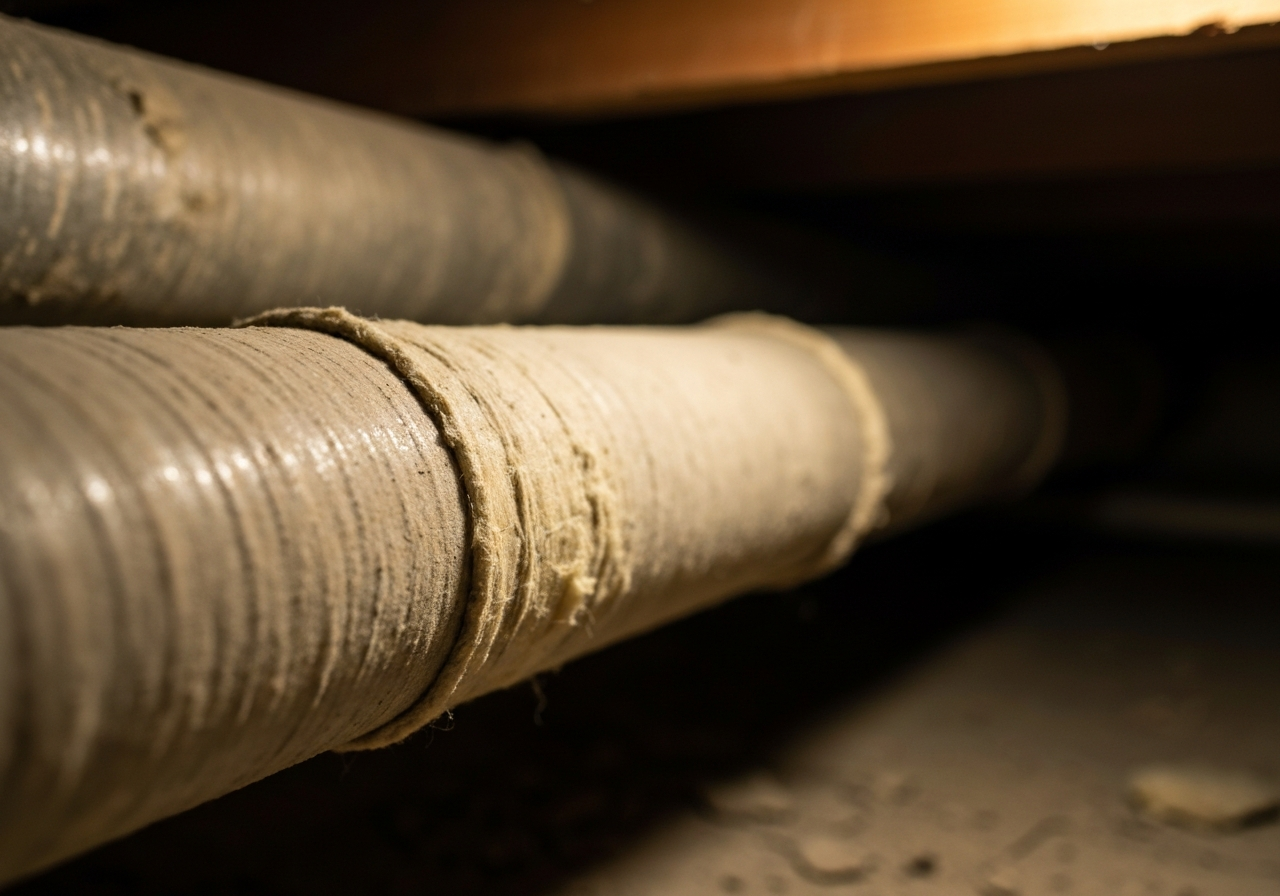
- Flooding and Water Damage: Major water intrusion events from storms or burst pipes create immediate and widespread mold risks if not dried and treated swiftly. Post-flood scenarios frequently necessitate specialized attention, as discussed in detail regarding Asbestos Mold Remediation in South Carolina after floods.
As noted by St. James Commercial Property Inspections, neglecting maintenance of gutters, roofing, and HVAC systems can also directly contribute to mold problems.
Signs of Mold in Commercial Buildings:
- Visible Growth: Discolored patches (green, black, white, or orange) on walls, ceilings, floors, or furnishings.
- Musty or Damp Odors: A distinctive earthy or stale smell, often the first indicator of hidden mold, especially near HVAC systems or water sources.
- Water Stains or Discoloration: On ceilings or walls, suggesting past or ongoing moisture issues.
- Warped or Peeling Materials: Water-damaged drywall, peeling paint, or warped flooring can indicate moisture intrusion and subsequent mold growth.
Because mold can hide behind walls, under flooring, or within HVAC systems, professional inspection is often required. Specialists utilize advanced tools like infrared cameras and moisture meters to detect hidden moisture and potential mold growth without destructive testing. For instance, IRIS Laboratories emphasizes the critical role of HVAC mold inspections, as these systems can quickly circulate spores throughout an entire building if contaminated.
Commercial Mold Remediation: A Step-by-Step Professional Approach
When mold contamination is identified in a commercial building, a structured and meticulous remediation process is essential to ensure complete removal and prevent recurrence. This process goes beyond simple cleaning and requires specialized expertise and equipment.
The U.S. Environmental Protection Agency (EPA) outlines key steps for mold remediation in commercial buildings and schools. These steps are critical for protecting occupants and workers alike. A professional commercial mold remediation service, such as Piedmont Quality Air, typically follows these stages:
- Thorough Assessment and Source Identification: The initial and most crucial step involves a comprehensive inspection to determine the full extent of the mold growth, identify the specific types of mold present, and, most importantly, pinpoint the underlying moisture source. This often incorporates advanced diagnostic tools like moisture meters and thermal imaging, along with air and surface sampling for laboratory analysis. Addressing the moisture source permanently is paramount; without it, mold will inevitably return.
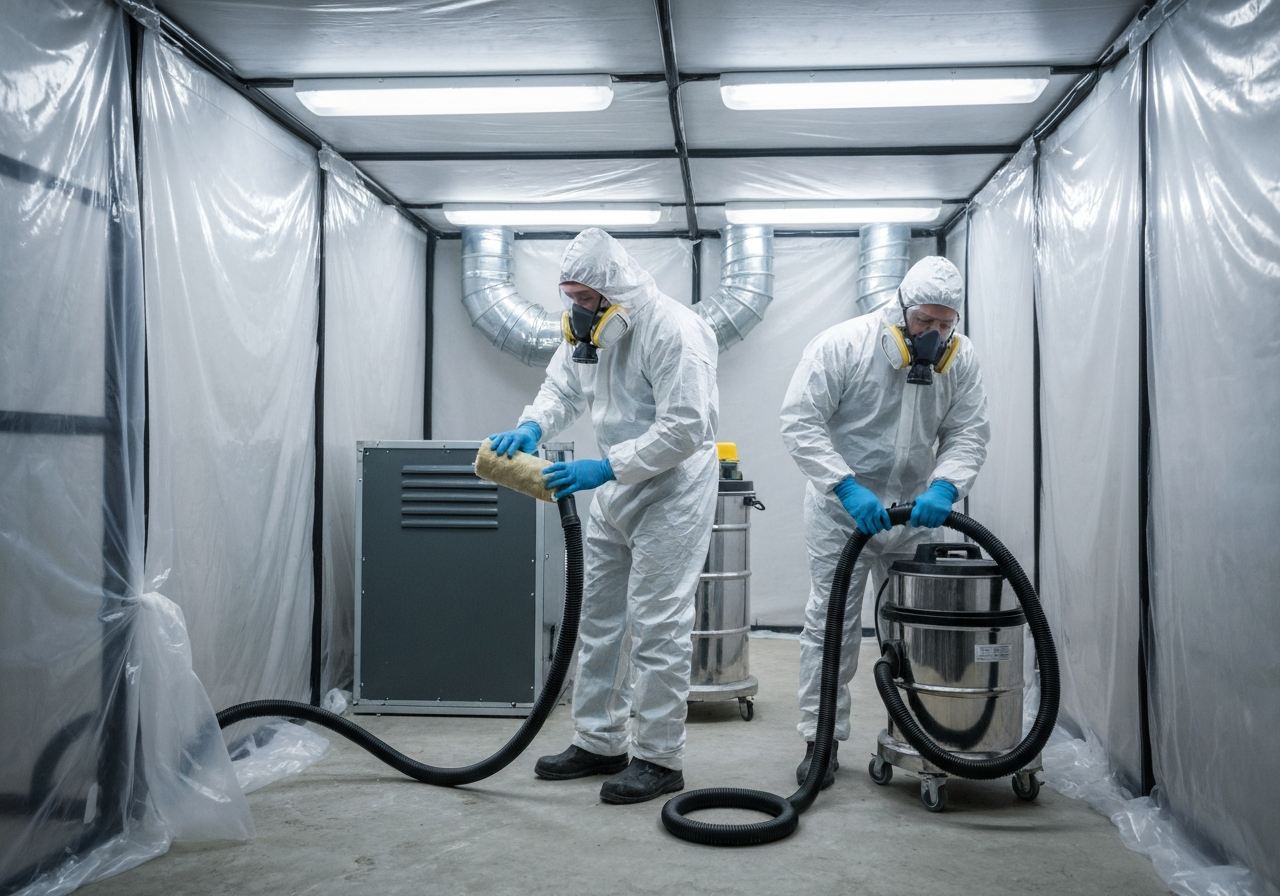
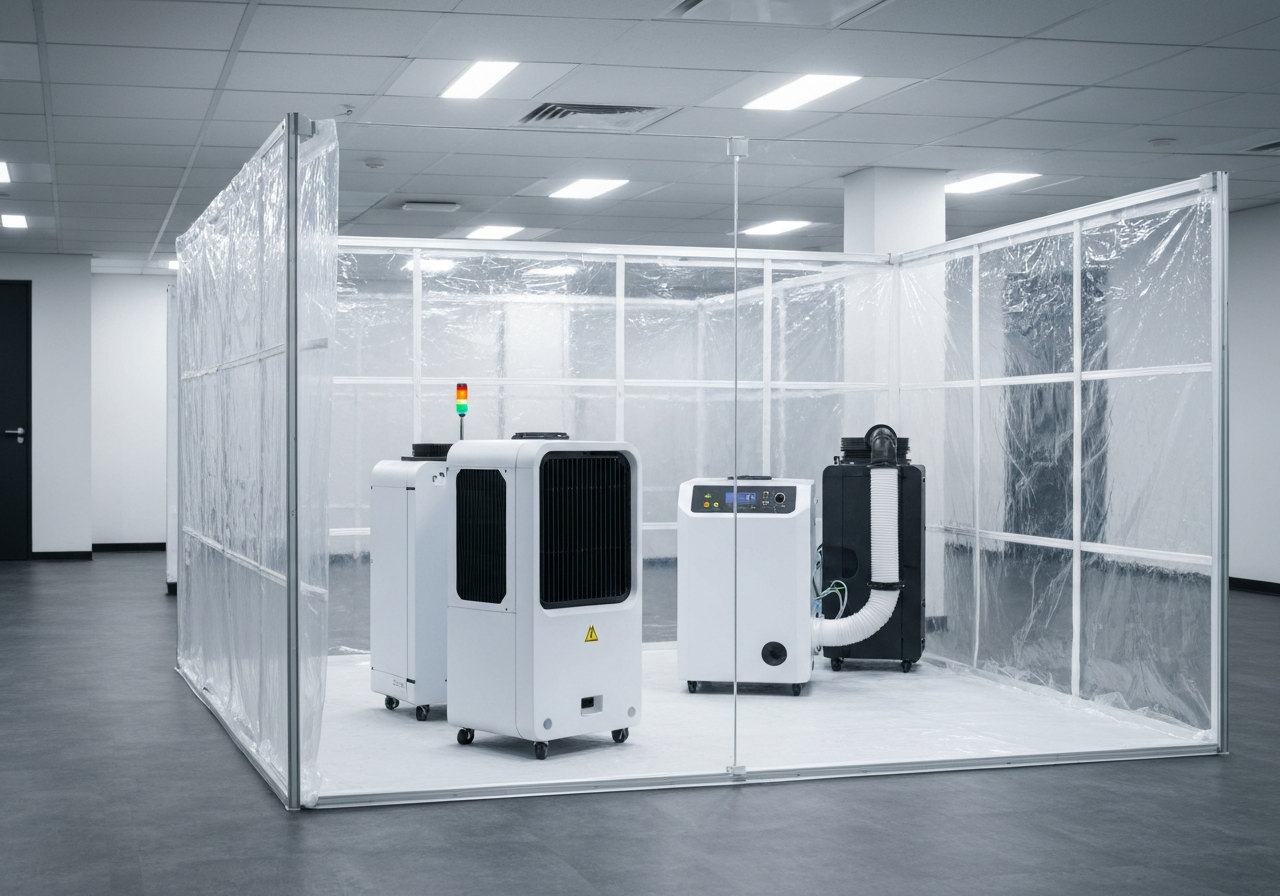
- Containment: To prevent the spread of airborne mold spores to unaffected areas of the building during remediation, strict containment zones are established. This typically involves using physical barriers (e.g., plastic sheeting) and negative air pressure machines equipped with High-Efficiency Particulate Air (HEPA) filters. Negative air pressure ensures that air flows into the contaminated area, trapping spores within the containment zone.
- Air Filtration: High-efficiency particulate air (HEPA) filters and air scrubbers are continuously operated within the containment area and often in adjacent spaces. These devices actively capture airborne mold spores and other particulates, significantly improving indoor air quality during and after the remediation work.
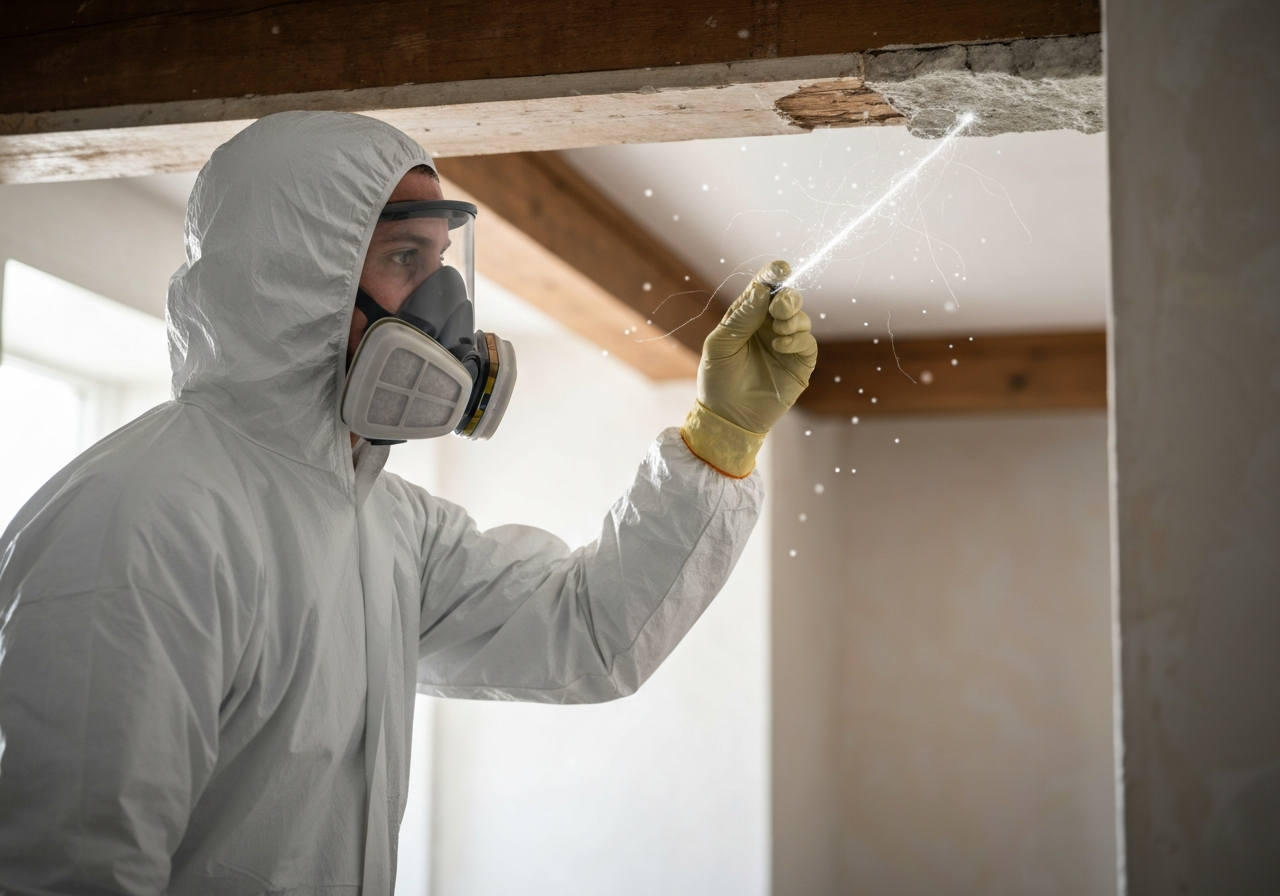
- Removal of Mold-Infested Materials: Mold growing on porous materials such as drywall, insulation, carpeting, and ceiling tiles generally cannot be effectively cleaned and must be safely removed and disposed of. Trained technicians wear appropriate personal protective equipment (PPE) to prevent exposure. Contaminated materials are double-bagged and sealed within the containment area before being removed from the building for proper disposal as ordinary construction waste.
- Cleaning and Disinfection: Non-porous and semi-porous surfaces that have been affected by mold are thoroughly cleaned and treated. This involves scrubbing with antimicrobial and antifungal solutions specifically designed for mold removal, followed by wiping down and disinfecting the area to eliminate any remaining mold residues.
- Drying: Complete drying of the affected area and all remaining building materials is absolutely critical to prevent future mold growth. Industrial-grade dehumidifiers, air movers, and specialized structural drying techniques are used. Moisture levels are rigorously monitored to ensure that all materials are fully dry.
- Restoration: Once mold has been successfully removed, the area cleaned and dried, and post-remediation testing confirms the issue is resolved, the restoration phase begins. This involves repairing or replacing damaged building materials, repainting, installing new flooring, and any other necessary reconstruction to return the property to its pre-mold condition.
- Post-Remediation Verification (Clearance Testing): A final, independent inspection and air sampling (clearance testing) are conducted by a third-party industrial hygienist. This crucial step verifies that mold levels have been successfully reduced to acceptable standards and that the environment is safe for re-occupancy, providing peace of mind and essential documentation.
- Comprehensive Assessment: Professionals utilize advanced tools such as infrared cameras and moisture meters to accurately assess the full extent of mold growth, including hidden colonies, and precisely identify the moisture source. This thorough diagnostic phase is beyond the scope of untrained personnel.
- Specialized Equipment and Techniques: Commercial remediation requires industrial-grade equipment like HEPA air scrubbers, negative air machines, and large-capacity dehumidifiers. These tools are essential for effective containment, air filtration, and rapid drying, preventing cross-contamination and ensuring complete moisture removal.
- Adherence to Safety Protocols and Regulations: Commercial properties often fall under stricter regulations concerning indoor air quality and hazardous material handling. Professionals are trained in proper personal protective equipment (PPE) usage and follow guidelines established by organizations like OSHA and EPA to protect workers and occupants from exposure to mold spores and mycotoxins. The OSHA guide to mold in the workplace provides extensive recommendations for prevention and remediation, highlighting the complexity involved.
- Preventing Cross-Contamination: A critical aspect of commercial mold remediation is preventing the spread of spores to unaffected areas. Professionals implement stringent containment strategies, including negative air pressure, to ensure spores are not dispersed throughout the building during cleanup.
- Minimizing Business Disruption: Experienced remediation teams understand the importance of minimizing interruption to business operations. They can implement phased remediation plans or work during off-peak hours to reduce impact on productivity and customer access.
- Ensuring Long-Term Solutions: Beyond merely removing visible mold, professionals focus on identifying and rectifying the root cause of moisture intrusion. This proactive approach helps prevent future mold recurrence, safeguarding the property long-term.
- Post-Remediation Verification: Professional services include independent third-party testing to confirm that mold levels have returned to normal and that the remediation efforts were successful. This critical step provides official documentation and peace of mind.
- Phased Remediation: We work closely with your team to schedule remediation in sections or during off-peak hours. This strategic planning minimizes interruption to your daily business activities, allowing operations to continue as smoothly as possible.
- Clear and Consistent Communication: Maintaining open lines of communication throughout the project is fundamental. We ensure that you are fully informed at every stage, from initial assessment to final clearance, fostering transparency and trust.
- Strict Adherence to Industry Protocols: Our certified technicians strictly follow industry best practices and regulatory guidelines, including those from the EPA and OSHA. This rigorous adherence ensures that every aspect of the remediation process is performed to the highest standards of safety and effectiveness.
- Advanced Containment and Air Filtration: Utilizing state-of-the-art equipment such as negative air pressure systems and HEPA-filtered air scrubbers, we create robust containment zones. This advanced technology prevents the spread of mold spores and other airborne contaminants, maintaining a healthy indoor environment throughout the remediation. Our expertise extends to addressing complex post-disaster scenarios, such as asbestos and mold remediation following floods, ensuring comprehensive safety.
- Prioritizing Health and Safety: The well-being of building occupants and our remediation team is our top priority. We implement stringent infection control measures and safety protocols, particularly crucial in facilities with vulnerable populations.
Adhering to these rigorous steps ensures effective mold cleanup and protects the health of all individuals within the commercial property. It is a process that demands expertise, precision, and adherence to industry-established protocols, such as those detailed in the NIH/ORS Standard Operating Procedures for Moisture and Mold Remediation.
Why Professional Expertise Matters for Commercial Mold Removal
Commercial mold removal is a complex undertaking that requires specialized knowledge and equipment, differentiating it significantly from simpler residential cleanups. Attempting to manage extensive mold growth in a commercial property without professional expertise can lead to incomplete remediation, recurrence, and amplified health and structural risks.
Professional mold remediation companies, like Piedmont Quality Air, bring a depth of expertise critical for addressing commercial challenges:
For those interested in contributing to these high standards, pursuing a South Carolina mold remediator certification aligns with the industry’s drive for enhanced quality and professionalism, ensuring that commercial properties receive the expert care they need.
Piedmont Quality Air: Minimizing Disruption, Maximizing Safety for Your Business
At Piedmont Quality Air, we understand that commercial mold remediation is not just about removing mold; it’s about safeguarding your business operations, protecting your employees and customers, and preserving your investment. Our approach is meticulously designed to deliver comprehensive solutions with minimal disruption and maximum safety, setting us apart as a trusted partner in environmental remediation.
We pride ourselves on a strategic and coordinated effort with property owners and facility managers, especially in sensitive environments like South Carolina hospitals, where patient and staff well-being are paramount. Our key commitments include:
Whether you require mold removal in Charlotte, Concord, or Hickory, NC, or comprehensive solutions across South Carolina, Piedmont Quality Air is dedicated to providing expert, efficient, and safe services. Our goal is to quickly and effectively restore your commercial property to a clean, healthy, and mold-free condition, allowing you to focus on your business with confidence.
Secure Your Commercial Property: Partner with Piedmont Quality Air Today
The integrity of your commercial property and the health of its occupants are non-negotiable. Mold infestations present a serious threat that demands immediate, professional attention. Choosing the right partner for commercial mold remediation is a critical decision that impacts your business’s operational continuity, financial stability, and reputation.
Piedmont Quality Air offers unparalleled expertise, state-of-the-art technology, and a steadfast commitment to safety and quality. We specialize in comprehensive mold remediation services designed to address the unique challenges of commercial properties, ensuring that every project is handled with the highest degree of professionalism. Our meticulous process, from initial assessment and containment to thorough removal and post-remediation verification, guarantees an effective and lasting solution. Furthermore, our dedication to minimizing disruption ensures that your business can continue to operate with as little interruption as possible.
Proactive mold prevention is also paramount. By partnering with Piedmont Quality Air, you gain access to expert guidance on identifying and mitigating moisture sources, maintaining optimal indoor humidity levels, and implementing robust HVAC maintenance strategies to prevent future mold growth. Our team stays informed about evolving industry standards and legislative developments, including ongoing discussions around South Carolina mold remediator certification, ensuring that our practices are always at the forefront of environmental safety.
Protect your commercial property, your employees, and your customers from the hidden dangers of mold. Invest in the long-term health and stability of your business by choosing a partner renowned for its integrity, reliability, and exceptional service.
Don’t let mold compromise your business. Protect your property, employees, and customers with professional commercial mold remediation from Piedmont Quality Air. Contact us today for a comprehensive assessment.