Beyond Traditional: Why High-Rise Demolition Needs a New Approach
The rise of towering urban structures has reshaped skylines, but the lifecycle of these buildings eventually includes their deconstruction. Traditional demolition methods, often involving explosives or uncoordinated mechanical wrecking, present significant challenges, particularly in densely populated urban environments. Concerns range from public safety and noise pollution to environmental impact and waste generation. This growing complexity underscores the critical need for a new demolition method designed for safer high-rise demolition, one that prioritizes precision, containment, and sustainability over brute force. The BBC notes the difficulty in felling tall structures, especially in closely-packed urban districts where implosions are often not permitted, forcing engineers to devise innovative dismantling approaches.
The Risks and Limitations of Conventional Urban Deconstruction
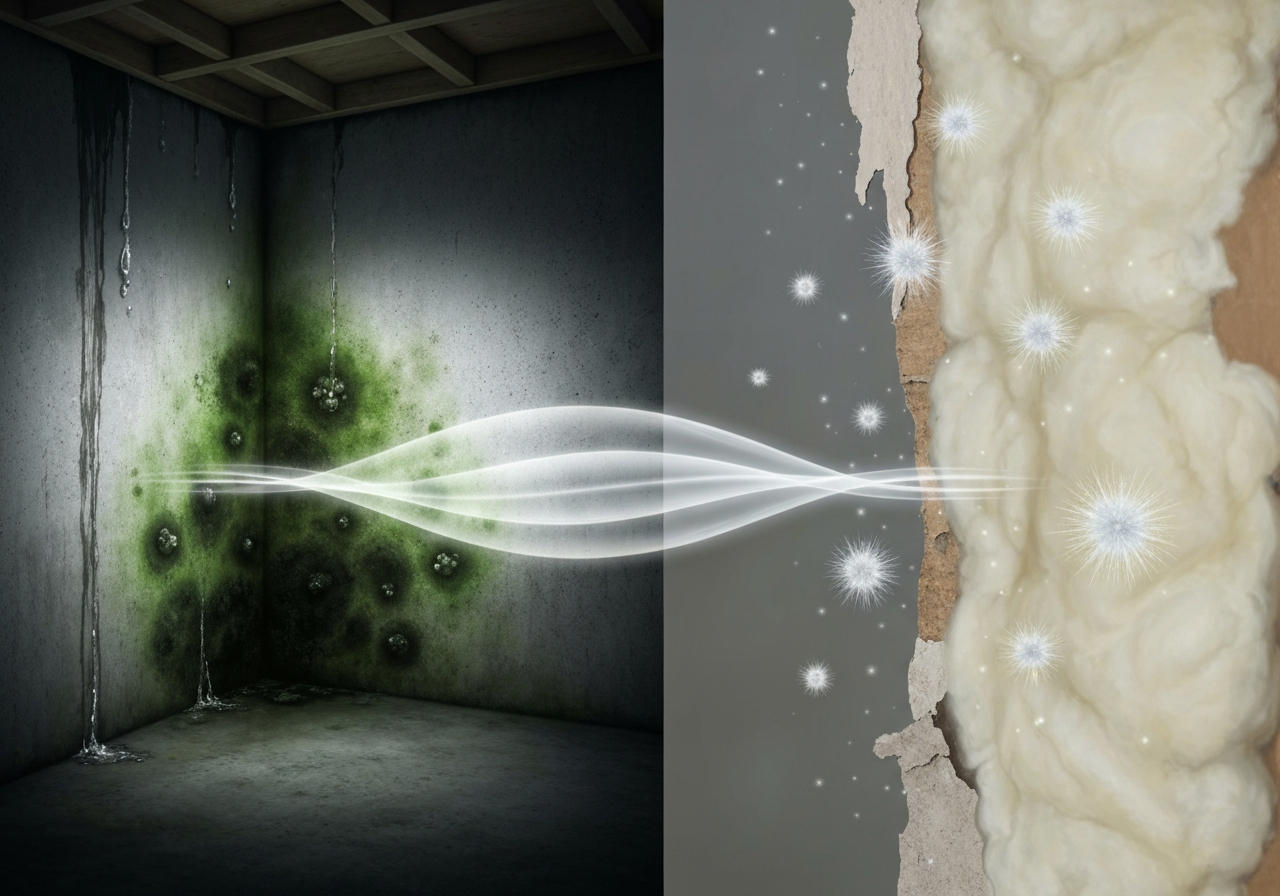
Conventional urban deconstruction methods come with inherent risks and limitations. Implosion, while visually spectacular, is rarely feasible in urban centers due to the close proximity of other buildings and infrastructure, as highlighted by the BBC. The uncontrolled collapse can lead to widespread dust, debris, and potential structural damage to adjacent properties, and can have significant environmental disruptions. Manual top-down deconstruction, while safer in terms of immediate collapse, is labor-intensive and time-consuming, as noted by NPR, often increasing project costs and timelines. Without meticulous planning, it can still generate substantial waste and pose risks to workers handling materials at height. Furthermore, hazardous materials like asbestos and lead paint, common in older high-rises, complicate conventional demolition, requiring careful pre-demolition abatement to prevent dangerous exposures. Removing hazardous materials before demolition is a fundamental safety requirement, especially in structures built before the late 20th century.
Introducing a New Demolition Method Designed for Safer High-Rise Demolition
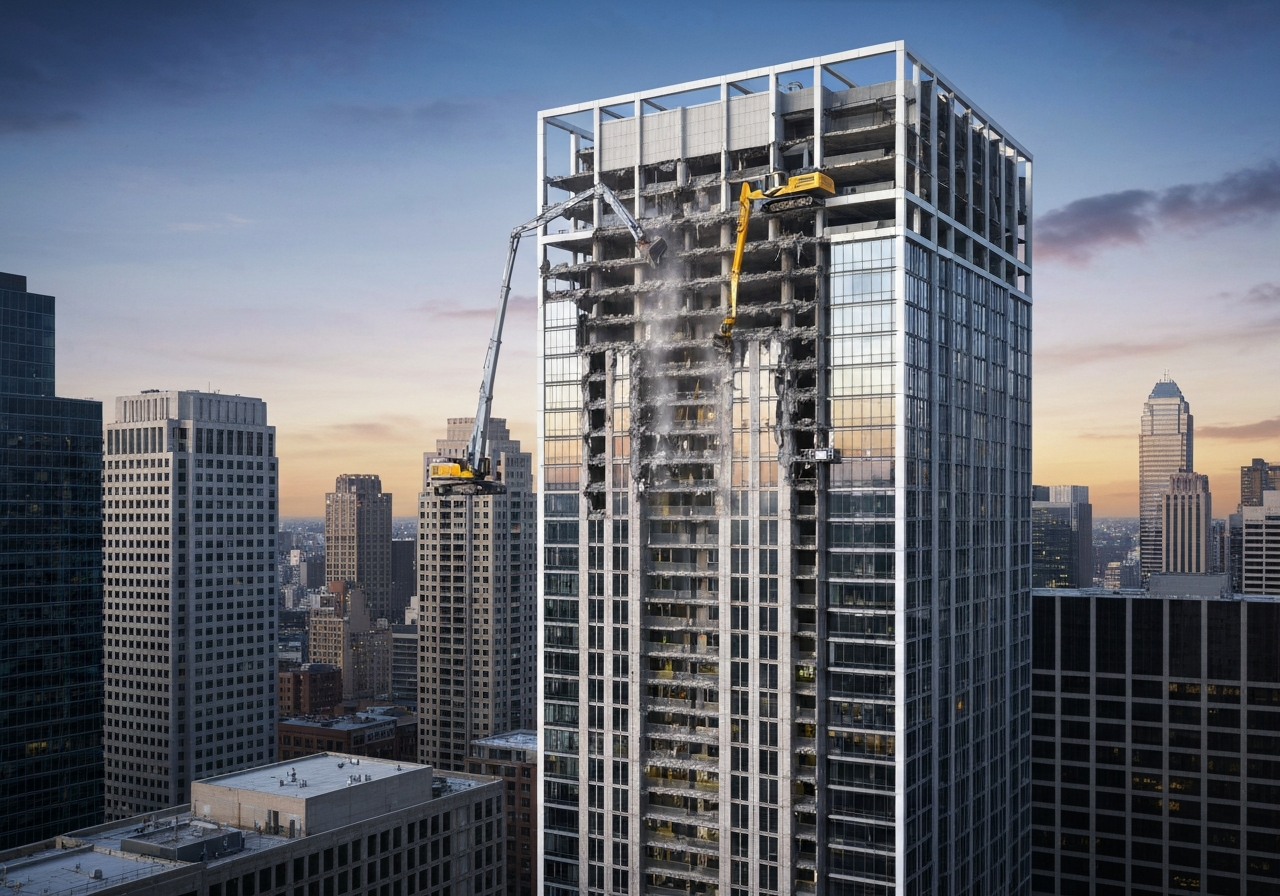
An innovative approach to high-rise deconstruction is redefining safety and efficiency in urban settings. This new demolition method designed for safer high-rise demolition involves a systematic, top-down dismantling process utilizing heavy machinery on the rooftop, combined with strategic partial cutting of structural elements. The method described in a Japanese patent application, for example, outlines lifting demolition machines onto the roof, removing the highest floor, and then proceeding downwards. This contrasts sharply with traditional methods, offering a more controlled and predictable outcome. The process involves reinforcing floors to support the heavy equipment and using specialized tools for precision cutting. This meticulous planning and execution minimize uncontrolled collapses and significantly reduce the environmental footprint associated with demolition.
Precision, Containment, and Speed: The Engineering Behind Modern Demolition
Strategic Floor Reinforcement and Equipment Deployment
The method begins by carefully lifting heavy demolition machinery onto the building’s roof using cranes. Once in place, floors are systematically reinforced with specialized members to safely support the weight of the equipment, which can be substantial (e.g., 20-ton excavators). This prevents premature structural failure and ensures the stability of the working platform as the building is deconstructed downwards.
Precision Cutting with Gas and Mechanical Tools
A key innovation lies in the synchronized use of gas cutting machines and heavy-duty cutters. Beams and columns are partially cut with gas cutting machines, creating strategic openings that allow the demolition machine’s cutter to engage the remaining sections without issues like “cutting failure” often seen with traditional methods. This two-step process ensures clean, efficient cuts. For H-steel beams, specifically calculated opening holes in the web prevent cutting errors and maintain temporary structural integrity.
Controlled Waste Management and Scrap Removal
Debris and scrap materials are not simply dropped indiscriminately. The new method leverages the building’s existing infrastructure, such as elevator shafts, by converting them into controlled scrap removal pathways. These pathways are equipped with impact-absorbing materials at the bottom, allowing for safe and efficient vertical transport of debris to the ground level. This containment strategy significantly reduces dust and noise pollution, which are major concerns in urban environments. The controlled demolition also allows for better segregation of materials for recycling and reuse, aligning with sustainable deconstruction principles outlined by sources like the EPA, which promotes best practices for reducing, reusing, and recycling construction and demolition materials. The Volvo EC950 High Reach excavator exemplifies the kind of advanced, purpose-built machinery contributing to these safer and more controlled demolition solutions, offering exceptional stability and advanced safety features.
Transforming Urban Landscapes: The Impact on North Carolina’s City Skylines
The adoption of a new demolition method designed for safer high-rise demolition has significant implications for transforming urban landscapes, particularly in areas like North Carolina where development is constant. By minimizing the uncontrolled scattering of debris and reducing noise and dust, these advanced techniques allow for demolition projects to proceed with far less disruption to surrounding neighborhoods. This is crucial for maintaining the character and quality of life in bustling cities.
Environmental Benefits
Beyond immediate site impact, modern demolition strategies contribute to broader sustainability goals. The ability to precisely dismantle structures facilitates material recovery and recycling. Instead of landfilling entire buildings, valuable components can be salvaged and repurposed. This aligns with the “design for deconstruction” movement, which aims to optimize materials removed during demolitions for reuse in other projects, as discussed by ArchDaily. This approach dramatically reduces the embodied carbon associated with construction materials and supports a circular economy for building materials, a concept increasingly emphasized in sustainable urban development.
Enhanced Safety and Planning
For North Carolina’s evolving city skylines, the emphasis on safety in high-rise demolition cannot be overstated. With a controlled top-down approach, the risks to nearby buildings, infrastructure, and the public are significantly reduced. This meticulous planning is particularly vital when dealing with older structures that may contain hazardous materials. Understanding and complying with regulations, such as those governing N.C. asbestos rules, regulations, and ordinances, is paramount to protect public health and the environment during such complex projects.
Embracing Innovation: Piedmont Quality Air’s Expertise in Safe and Efficient Demolition
In North Carolina, embracing innovative demolition technologies and sustainable practices is critical for responsible urban development. Piedmont Quality Air stands at the forefront of this evolution, offering specialized expertise in safe and efficient demolition, particularly where hazardous materials are a concern. Their comprehensive approach ensures that projects adhere to the highest standards of safety and environmental compliance.
Expertise in Hazardous Material Abatement
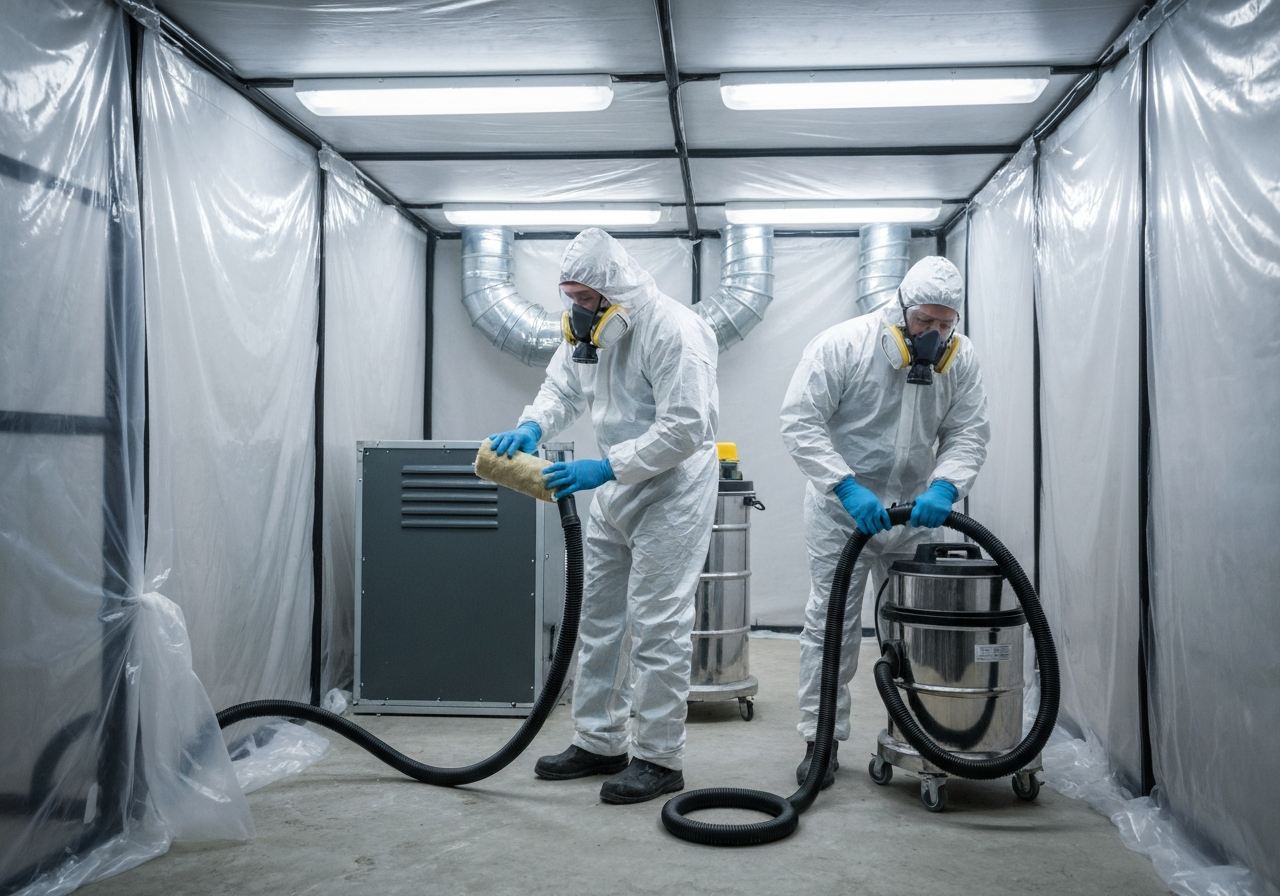
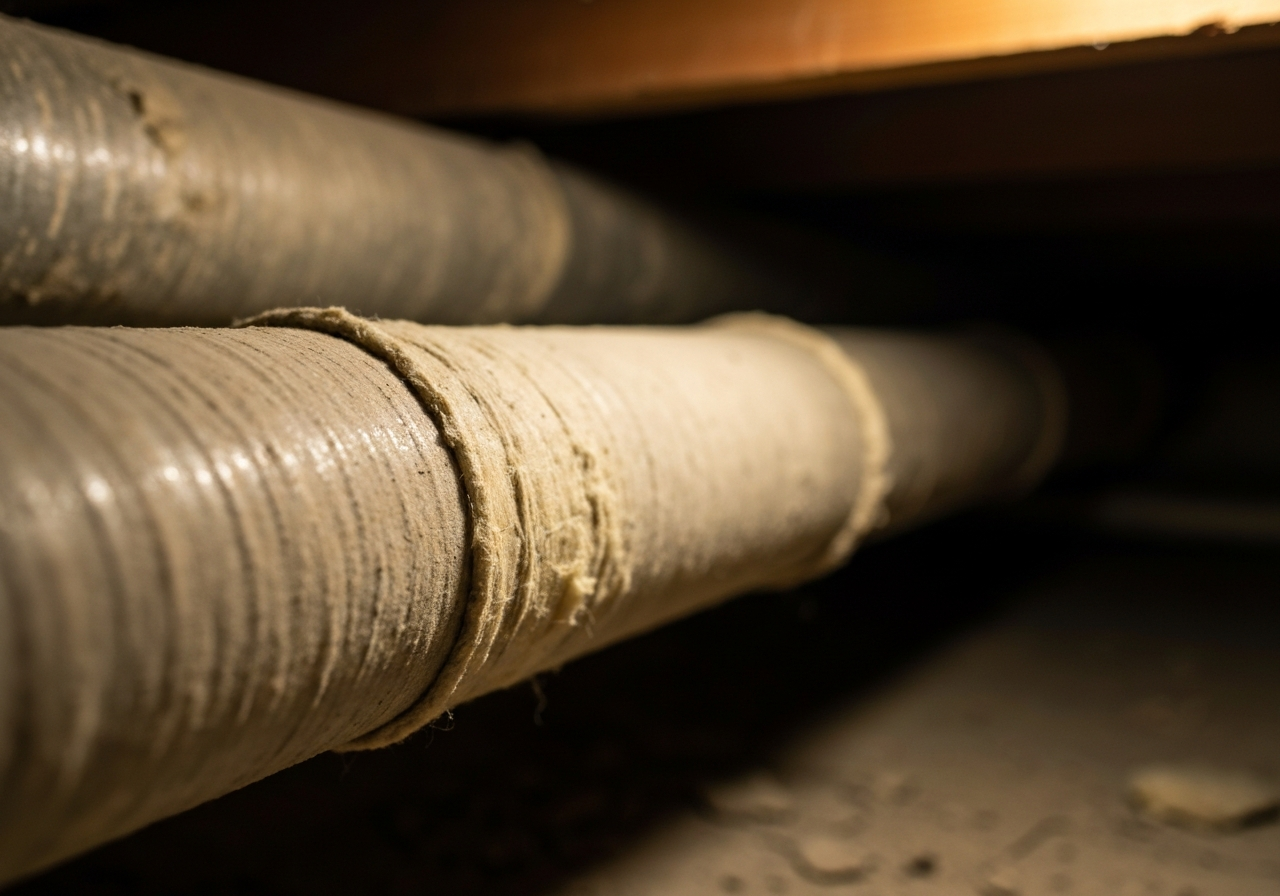
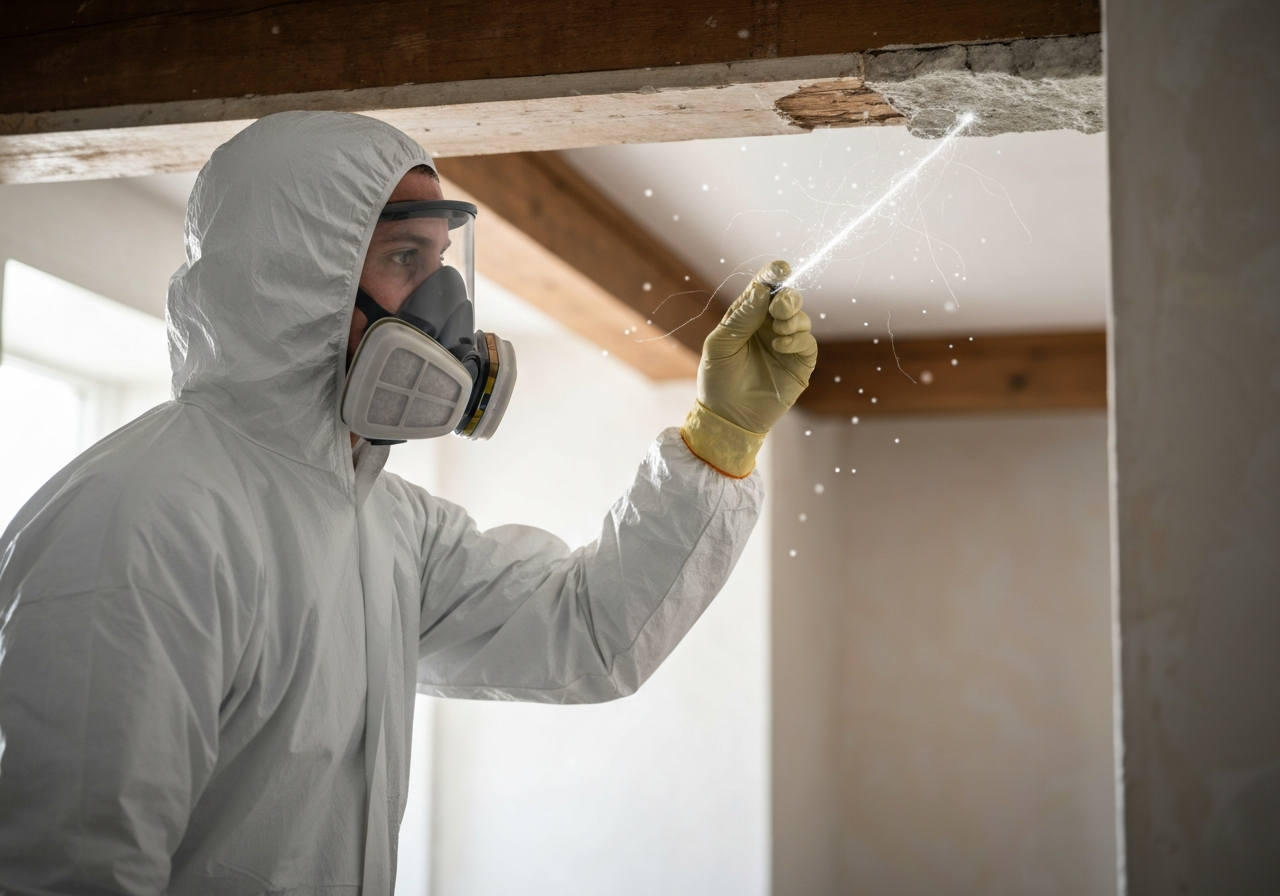
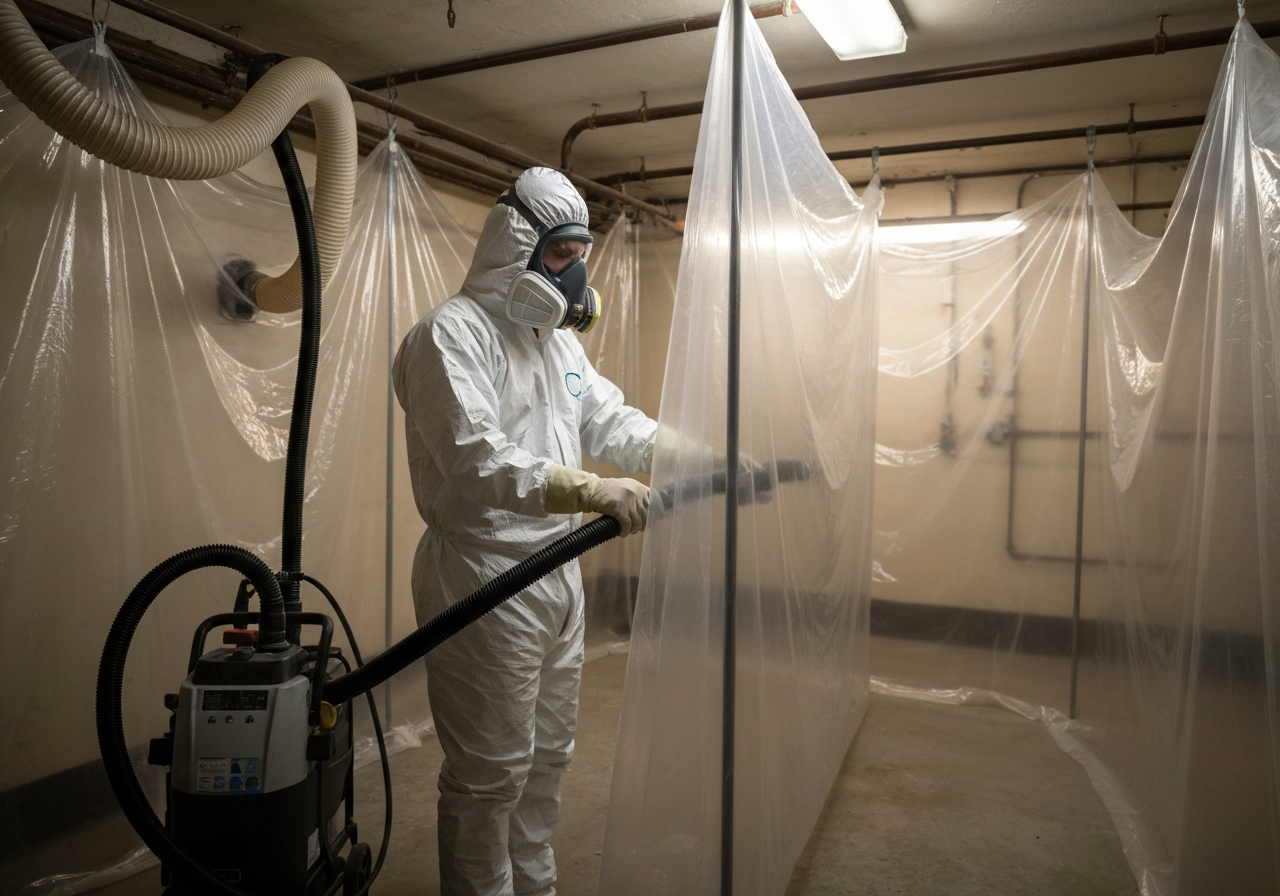
Before any demolition can safely commence, thorough identification and removal of hazardous materials are essential. Piedmont Quality Air’s experience in asbestos removal in Charlotte, NC, and surrounding areas is invaluable. They understand the intricacies of detecting and safely abating asbestos-containing materials (ACMs), preventing the release of dangerous fibers during demolition. This pre-demolition hazardous material removal is not just a recommendation but a legal requirement designed to protect workers, building occupants, and the wider community from severe health risks.
Minimizing Disruption in Occupied Spaces
Piedmont Quality Air also excels in managing complex projects in occupied spaces, such as office buildings or shopping malls. Their interior demolition crews are trained to work with minimal disruption, a crucial factor when a new demolition method designed for safer high-rise demolition is employed in a functional urban environment. This focus on meticulous planning, controlled procedures, and efficient debris removal (often utilizing specialized load-out arrangements for high-rise buildings) underscores their commitment to client satisfaction and public safety.
Building a Safer Future: Partnering for Advanced Demolition in North Carolina
Building a safer future for North Carolina’s urban environments means embracing advanced demolition techniques and partnering with professionals who prioritize safety, efficiency, and sustainability. The integration of a new demolition method designed for safer high-rise demolition with expertise in hazardous material handling offers a compelling path forward.
- Enhanced Safety: Precision cutting, controlled dismantling, and rigorous containment protocols significantly reduce risks to workers and the public.
- Environmental Stewardship: Increased material recovery, recycling, and reduced waste align with global efforts to decarbonize architecture and promote a circular economy.
- Reduced Urban Impact: Minimized noise, dust, and traffic disruption contribute to a better quality of life for urban residents during demolition projects.
- Regulatory Compliance: Expert teams navigate complex federal, state, and local regulations, ensuring projects meet all legal requirements, especially concerning hazardous materials.
Piedmont Quality Air is poised to be your partner in advanced demolition, combining cutting-edge methods with unparalleled expertise in safe operations. Their dedication to understanding and adhering to regulations, as well as their proven track record in interior and hazardous material demolition, makes them an indispensable asset for any high-rise deconstruction project in North Carolina. Collaborating with such a specialized firm ensures that even the most challenging projects are executed with the utmost care, transforming urban spaces responsibly and safely for generations to come.
Ready to embrace innovation for your next high-rise demolition project in North Carolina? Partner with Piedmont Quality Air for safe, efficient, and compliant solutions. Contact us today to learn more.