
Piedmont Quality Air: Protecting Your Environment in North Carolina
Ensuring the safety and health of your property in North Carolina is paramount, especially when facing environmental hazards like asbestos, lead, and mold. These silent threats can compromise indoor air quality, pose significant health risks, and diminish property value if left unaddressed. At Piedmont Quality Air, we specialize in comprehensive Asbestos, Lead and Mold Abatement & Remediation services, offering expert solutions to protect homes and businesses across the region. Our commitment is to restore your environment to a clean, safe, and healthy state, adhering to the highest standards of safety and compliance.
Understanding the Threat: Asbestos, Lead and Mold Abatement & Remediation
Asbestos, lead, and mold are three distinct yet equally dangerous environmental hazards commonly found in older structures throughout North Carolina. Each requires specialized knowledge and techniques for safe management and removal. Understanding their nature and potential impact is the first step in effective mitigation.
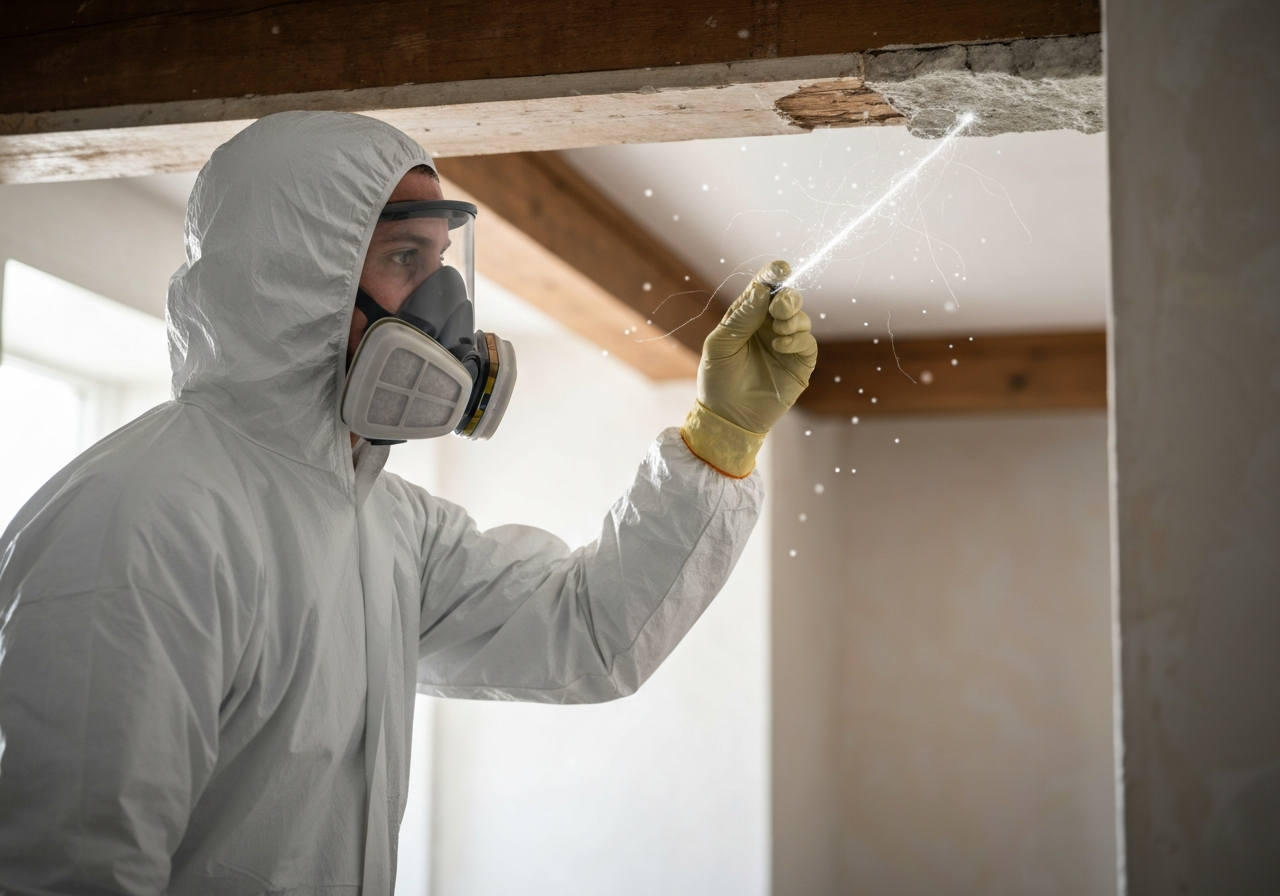
- Asbestos: Once praised for its fire resistance and insulating properties, asbestos was a common building material until the late 20th century. When disturbed, its microscopic fibers become airborne, and inhalation can lead to severe respiratory diseases, including mesothelioma and lung cancer. Asbestos can be found in a variety of products, including insulation, flooring, roofing, and textured paints.
- Lead: Lead-based paint was widely used in homes built before 1978. As this paint deteriorates, it creates hazardous dust and chips. Ingestion or inhalation of lead dust, particularly by young children, can cause serious developmental and neurological problems. Lead is also found in pipes and other building materials.
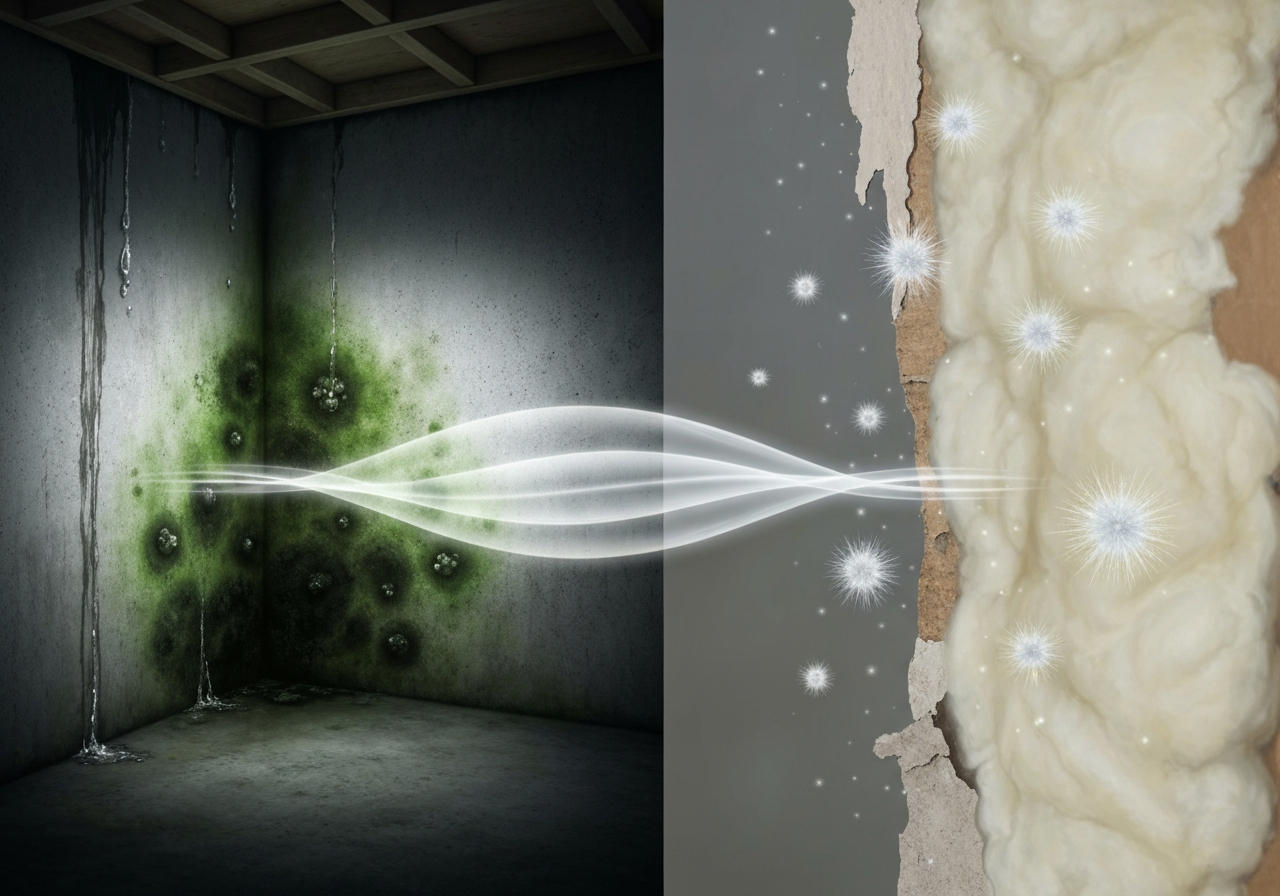
- Mold: Mold thrives in damp, humid environments, a common characteristic of North Carolina’s climate. It reproduces through spores that, when inhaled, can trigger allergies, asthma attacks, and other respiratory issues. Mold often indicates an underlying moisture problem and can cause significant structural damage to materials like drywall, wood, and insulation. The Centers for Disease Control and Prevention (CDC) notes that if you see or smell mold, you should remove it and fix the moisture problem. The best way to control mold growth is to control moisture.
Addressing these hazards requires more than a simple cleanup; it demands a professional and integrated approach to Asbestos, Lead and Mold Abatement & Remediation.
Asbestos Abatement: Identifying and Safely Removing This Hidden Danger
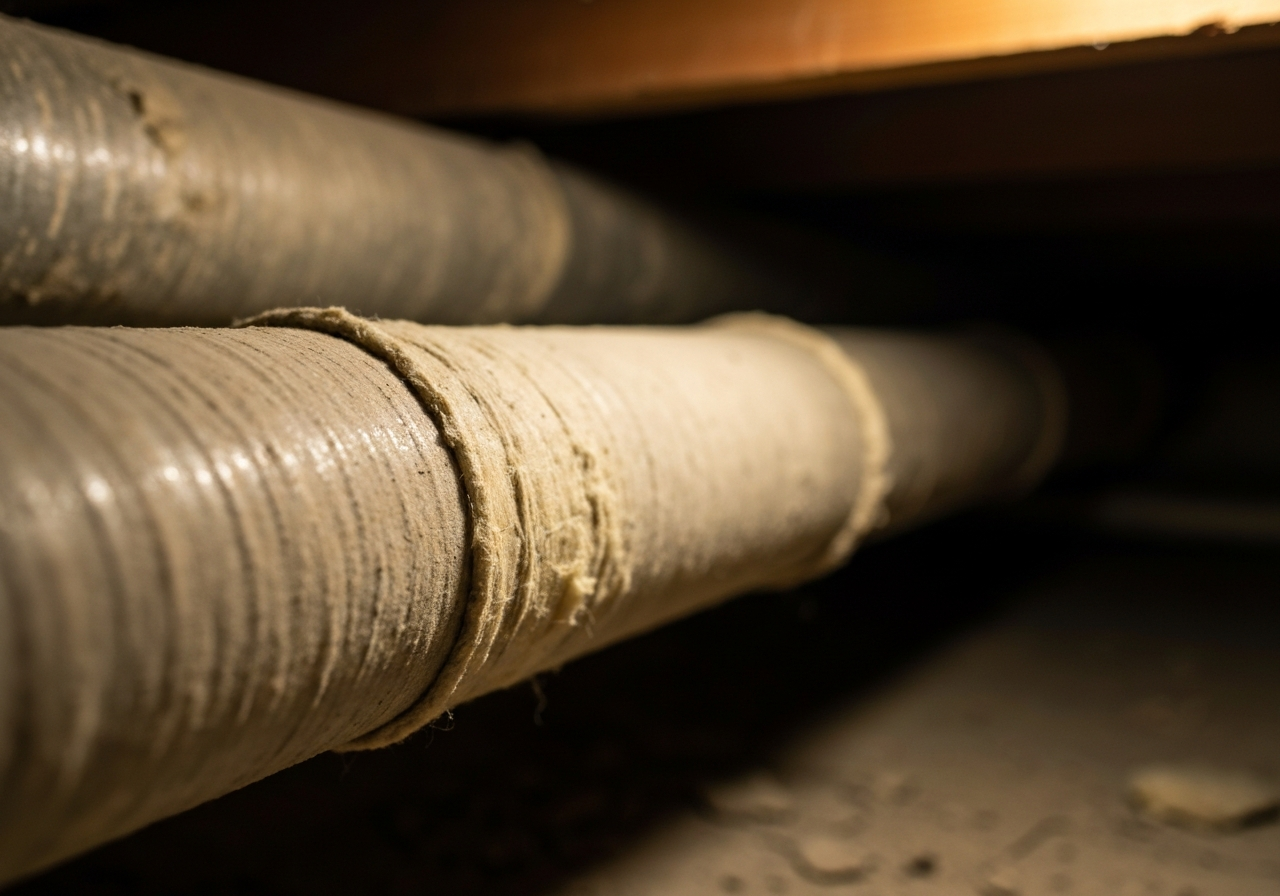
Asbestos abatement is a highly specialized process crucial for protecting occupants from the carcinogenic fibers of asbestos. Identifying asbestos-containing materials (ACMs) is the first critical step, though visual inspection alone is insufficient. Materials like pipe insulation, ceiling tiles, and textured paints in buildings constructed before the 1980s are prime suspects. The key distinction lies between “friable” asbestos, which crumbles easily and readily releases fibers, and “non-friable” asbestos, which is more stable but can still become hazardous if disturbed.
Professional abatement involves a series of stringent procedures:
- Inspection and Testing: Certified inspectors collect samples for laboratory analysis to confirm asbestos presence.
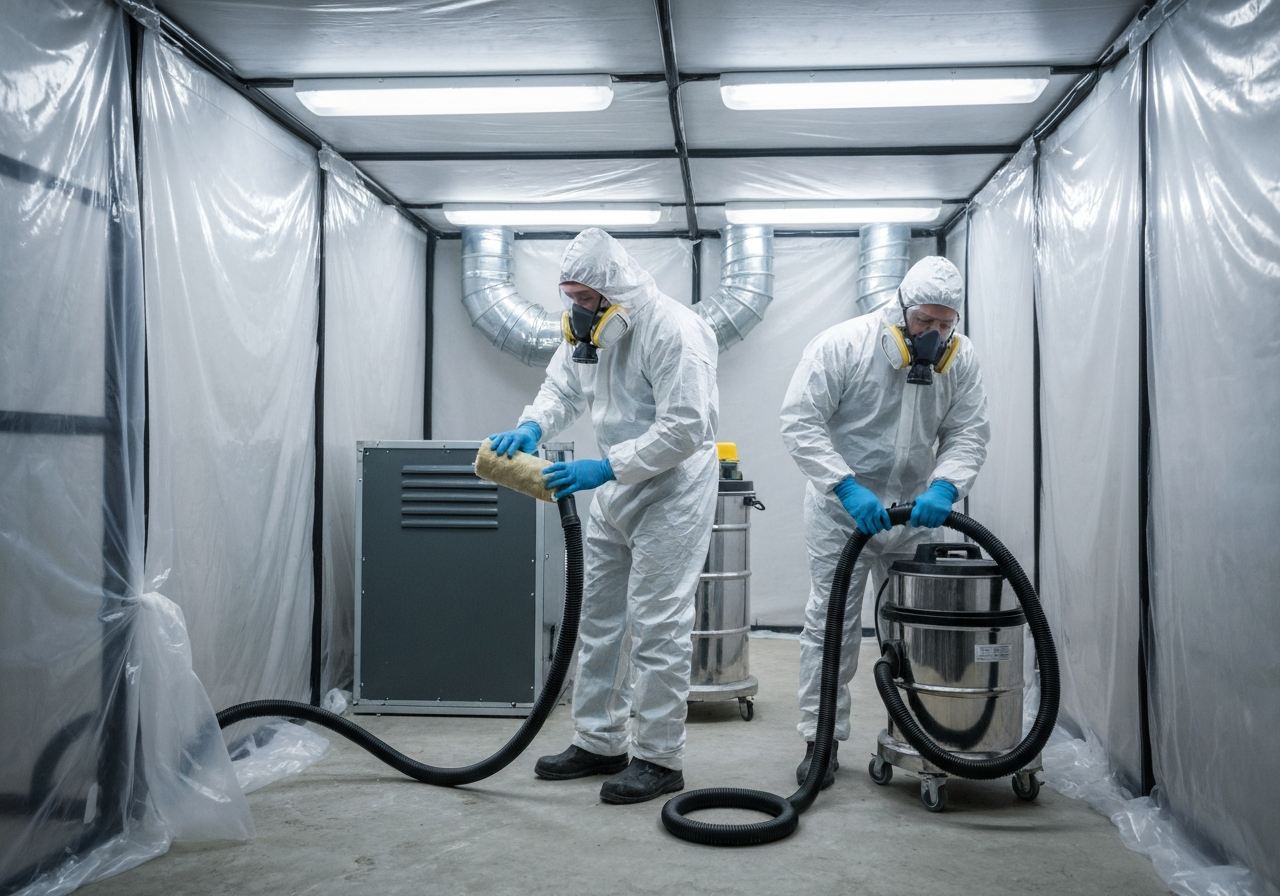
- Containment: The work area is meticulously sealed off using plastic sheeting and negative air pressure systems to prevent fiber release into other areas.
- Wet Methods: ACMs are typically wetted with a specialized liquid during removal to minimize airborne fibers.
- Safe Removal and Disposal: Trained technicians wearing personal protective equipment (PPE) carefully remove the materials, which are then double-bagged, sealed, and transported to licensed asbestos waste disposal sites. The Environmental Protection Agency (EPA) provides extensive regulations and laws for asbestos handling and disposal.
In North Carolina, adherence to specific state and federal regulations is paramount. The North Carolina Department of Health and Human Services (NCDHHS) and the North Carolina Department of Environmental Quality (NCDEQ) enforce rigorous standards for asbestos management, including licensing, notification, work practices, and disposal protocols. For example, understanding N.C. asbestos rules, regulations, and ordinances is essential for compliance. Our team is well-versed in these requirements, ensuring safe and compliant asbestos abatement in Charlotte, Concord, and Hickory, NC, minimizing risks to workers and the public.
Lead Remediation: Safeguarding Older Homes and Businesses in NC
Lead-based paint presents a significant health hazard, particularly in homes and businesses built before 1978. Children under six are especially vulnerable to lead poisoning, which can cause severe developmental and neurological damage. Even if a home has been repainted, underlying layers of lead paint can still pose a risk if disturbed.
Effective lead remediation in North Carolina focuses on identifying and safely addressing lead hazards:
- Professional Testing: While home test kits exist, professional testing using X-ray fluorescence (XRF) devices or laboratory analysis of paint chip samples provides the most accurate assessment of lead presence and risk. The North Carolina Health Hazards Control Unit certifies individuals and firms for lead-based paint activities, including inspections and abatement, as detailed by NC’s lead abatement regulations.
- Remediation Strategies:
- Encapsulation: This involves covering lead paint with a specialized sealant or durable barrier, preventing lead dust from becoming airborne without removing the paint.
- Component Removal: In cases of severe deterioration or during extensive renovations, lead-painted components may be carefully removed and replaced.
- Wet Scraping/Sanding: These methods minimize dust generation during paint removal, which is critical for preventing lead contamination.
North Carolina requires certification and permits for renovation, repair, and painting (RRP) projects that disturb lead-based paint, especially in child-occupied facilities and housing built before 1978. The North Carolina Department of Health and Human Services Lead Hazard Management Program provides essential guidance for these activities. Property owners must ensure compliance with these regulations to protect occupants and avoid legal repercussions. North Carolina’s Childhood Lead Exposure Control Act, for example, established a Preventative Maintenance Program to encourage lead-safe practices in older rental housing.
Mold Removal and Prevention: Restoring Healthy Indoor Air Quality
Mold is a ubiquitous fungus that, when given moisture and a food source, can rapidly colonize indoor environments. Beyond its unsightly appearance and musty odor, mold can significantly impact indoor air quality and trigger a range of health issues, from allergic reactions and asthma attacks to more severe respiratory problems, particularly in sensitive individuals. In North Carolina’s humid climate, effective mold removal and prevention are ongoing concerns for homeowners and businesses alike.
The process of professional mold remediation involves several key steps:
- Source Identification & Containment: Locating and rectifying the moisture source is paramount. The affected area is then sealed off to prevent spores from spreading.
- Air Filtration: HEPA (High-Efficiency Particulate Air) filters and air scrubbers are used to capture airborne mold spores.
- Mold Removal: Moldy materials, especially porous ones like drywall and insulation, are safely removed and disposed of. Non-porous surfaces are cleaned and disinfected.
- Drying: Industrial dehumidifiers and air movers are used to thoroughly dry the affected area and prevent recurrence.
- Post-Remediation Verification: Inspections and, if necessary, air sampling confirm that mold levels are safe for re-occupancy.
Preventative measures are equally critical to maintain healthy indoor air quality:
- Moisture Control: Promptly repair leaks, ensure proper drainage around foundations, and maintain indoor humidity levels between 30-50%.
- Ventilation: Use exhaust fans in bathrooms and kitchens. Ensure attics and crawl spaces are adequately ventilated.
- Quick Drying: After any water intrusion, dry affected areas within 24-48 hours to prevent mold growth.
- Regular Maintenance: Inspect and clean HVAC systems, and insulate pipes to prevent condensation.
For extensive mold growth or in sensitive environments like hospitals, professional mold remediation is essential to ensure safety and prevent cross-contamination. NC State University’s mold remediation guidelines emphasize that controlling moisture indoors is the key to mold control. Our team provides comprehensive mold removal services in Charlotte, Concord, and Hickory, NC, including crawl space mold removal in SC, safeguarding your property and health.
The Piedmont Quality Air Advantage: Our Expert Process & Commitment to Safety
At Piedmont Quality Air, our approach to Asbestos, Lead and Mold Abatement & Remediation is built on a foundation of extensive experience, specialized expertise, and an unwavering commitment to safety. We understand that dealing with these hazardous materials requires a meticulous process and highly trained professionals.
Our expert process includes:
- Thorough Assessment: We begin with a detailed inspection to accurately identify the presence, extent, and type of hazardous materials, utilizing advanced diagnostic tools and laboratory testing when necessary.
- Customized Remediation Plan: Based on the assessment, we develop a tailored plan that outlines specific containment strategies, removal methods, and safety protocols for your unique situation.
- Advanced Equipment & Techniques: Our certified technicians utilize state-of-the-art equipment, including HEPA-filtered air scrubbers, negative air pressure machines, and specialized cleaning agents, to ensure effective and safe removal.
- Strict Adherence to Regulations: We operate in strict compliance with all federal, state, and local regulations governing asbestos, lead, and mold abatement. “The most convincing evidence for credibility in asbestos management is a perfect safety record achieved through unwavering adherence to established protocols and regulations. It’s not just about what you do, but how meticulously you do it, ensuring every fiber is contained.” This expert insight guides every project we undertake.
- Comprehensive Cleanup & Disposal: After removal, the area undergoes thorough cleaning and decontamination. All hazardous waste is properly packaged, labeled, and transported to authorized disposal facilities, preventing further environmental contamination.
Our team members are continuously trained and certified in the latest remediation techniques and safety standards, ensuring that every project, from North Carolina asbestos storm damage cleanup to commercial mold remediation in South Carolina, is executed with the utmost professionalism and care. Our dedication to a perfect safety record and compliance ensures peace of mind for our clients.
Why Professional Abatement is Essential for Your Property’s Health
Attempting DIY removal of asbestos, lead, or extensive mold can be far more dangerous and costly in the long run than engaging professional abatement services. The real-world lesson often overlooked by others is the complex interdependency of these hazardous materials. For instance, what starts as a mold remediation project can easily uncover hidden asbestos or lead, requiring entirely different and more stringent protocols. Mold remediation professionals who only focus on mold in the structure put themselves at significant personal and legal risk when a project involves more than mold.
Professional abatement is essential for several reasons:
- Health & Safety: Professionals are equipped with the knowledge, training, and specialized PPE (Personal Protective Equipment) to safely handle and contain hazardous materials, minimizing exposure risks to occupants and workers.
- Regulatory Compliance: Navigating the complex web of federal, state, and local regulations for asbestos, lead, and mold is challenging. Certified professionals ensure all work is compliant, preventing hefty fines and legal liabilities. For example, specific notifications are often required for demolition and renovation projects involving asbestos, as highlighted by SCDES asbestos demolition regulations in South Carolina.
- Effective & Complete Removal: Unlike superficial DIY efforts, professional remediation thoroughly removes the hazard and addresses its underlying cause, preventing recurrence and ensuring long-term property health. This proactive approach helps in successfully restoring SC home value after mold.
- Property Value Protection: A professionally abated property with documentation of safe removal can maintain or even increase its market value, as potential buyers are reassured of a healthy environment.
- Peace of Mind: Knowing that trained experts have safely managed these dangerous substances provides invaluable peace of mind for property owners.
Ultimately, investing in professional Asbestos, Lead and Mold Abatement & Remediation is an investment in the health of your family, employees, and the longevity of your property. Whether you’re dealing with post-hurricane asbestos or mold remediation in SC or addressing lead hazards in an older building, expert intervention is the definitive solution.
Ready for a Healthier Environment? Contact Piedmont Quality Air for a Free Estimate
Ensuring your property is free from the dangers of asbestos, lead, and mold is a critical step towards a healthier living or working environment. Piedmont Quality Air stands ready to provide expert Asbestos, Lead and Mold Abatement & Remediation services with unparalleled professionalism and dedication to safety. Our experienced team is equipped to handle the complexities of these hazardous materials, ensuring comprehensive solutions that adhere to all regulatory standards. We understand the unique challenges properties in North Carolina face and offer tailored strategies to protect your investment and well-being. For a thorough assessment and a free, no-obligation estimate, we invite you to connect with our specialists today.
Is your property at risk? Don’t wait to address asbestos, lead, or mold. Contact Piedmont Quality Air today for a free estimate and ensure a safe, healthy environment in North Carolina.