Piedmont Quality Air: Your Professional Guide to Safely Handling & Disposing Asbestos
Asbestos, a once-lauded mineral fiber, saw widespread use in construction throughout North Carolina properties due to its exceptional resistance to heat and corrosion. However, its microscopic fibers, when disturbed, pose severe health risks, including debilitating lung diseases and various cancers. The crucial process of Handling & Disposing Asbestos is not merely a task; it’s a critical safety and legal imperative for property owners and professionals alike. Ignoring this hidden danger can lead to long-term health consequences and significant regulatory penalties, making expert intervention non-negotiable for safeguarding indoor environments.
The Hidden Danger: Why Safe Asbestos Management Matters for North Carolina Properties
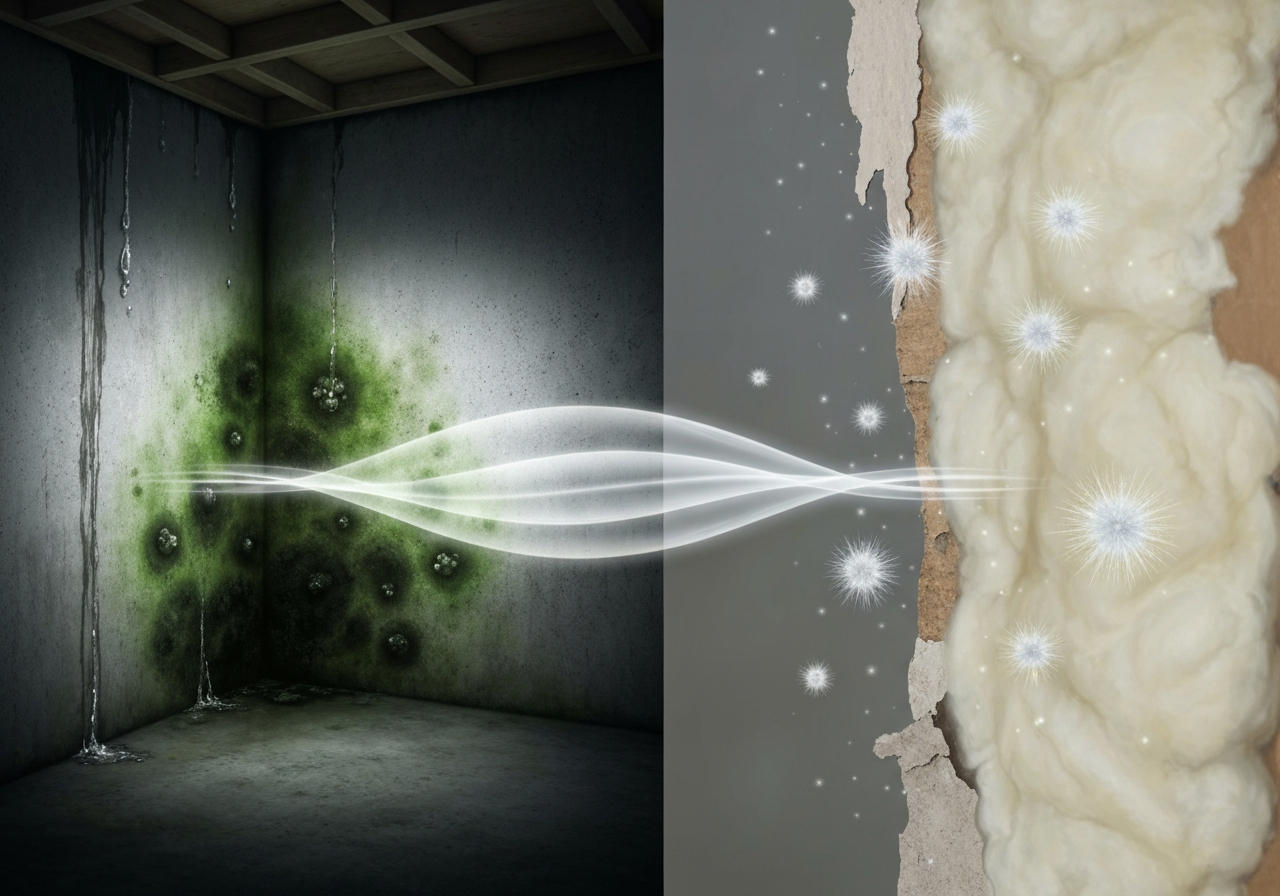
The legacy of asbestos in construction means countless older homes and commercial buildings in North Carolina may still harbor this hazardous material. While undisturbed asbestos-containing materials (ACMs) generally pose a low risk, any renovation, demolition, or damage can release invisible, deadly fibers into the air. The insidious nature of asbestos-related diseases, such as asbestosis, lung cancer, and mesothelioma, is their long latency period, often manifesting decades after initial exposure. This delayed impact means that the threat from past construction practices continues to endanger current and future occupants. Proactive and safe asbestos management is paramount to prevent exposure and protect public health, making compliance with strict regulations a vital responsibility for all North Carolina property owners.
Understanding the Risks: Why Professional Asbestos Handling is Non-Negotiable
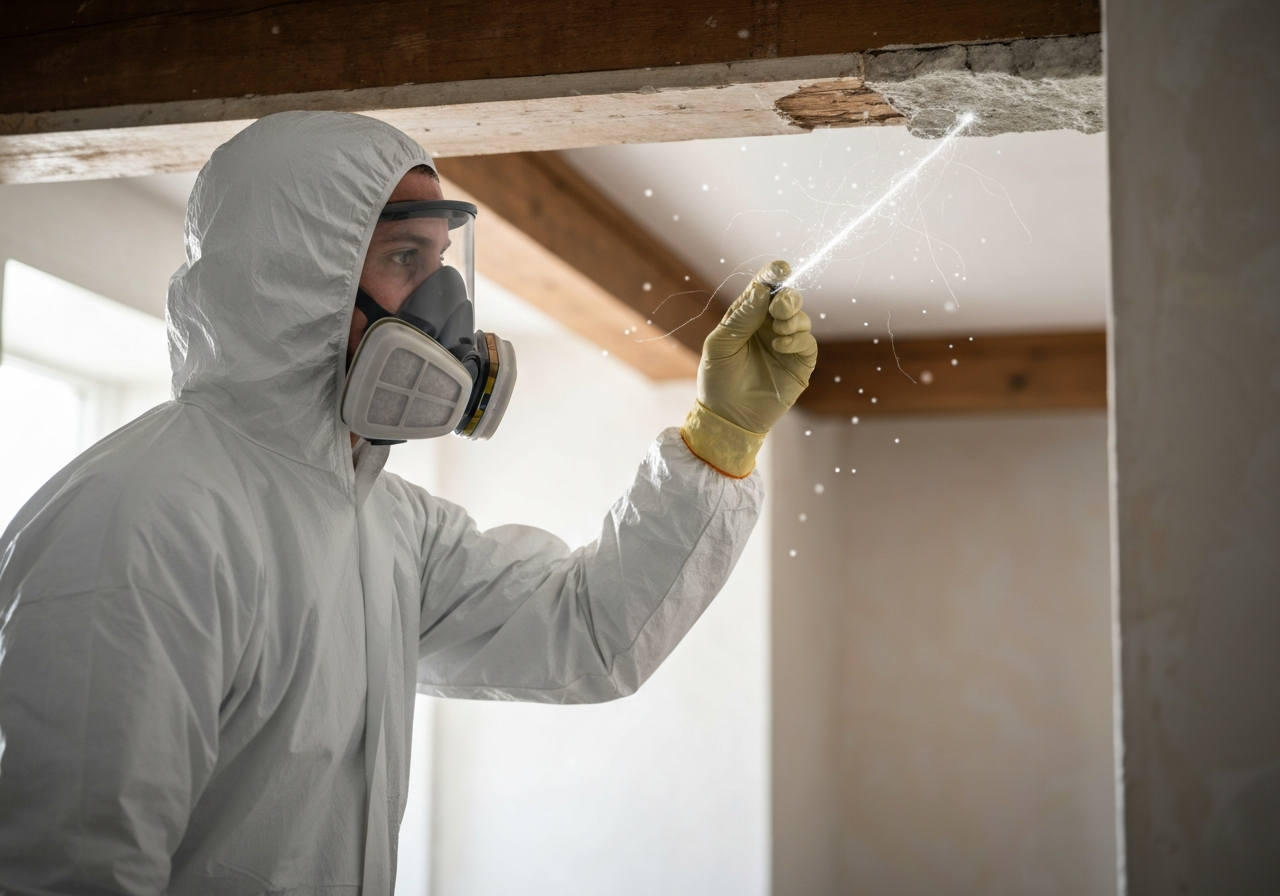
Disturbing asbestos, even minimally, can release tiny, sharp fibers that, when inhaled, become lodged in the lungs, leading to severe health complications. The Agency for Toxic Substances and Disease Registry outlines the profound health effects, including various cancers and non-cancerous lung diseases like asbestosis. These microscopic fibers are imperceptible to the naked eye, making DIY removal incredibly dangerous and ineffective. The Mayo Clinic details the symptoms and causes of asbestosis, a chronic lung disease, further underscoring the severity of exposure. The American Cancer Society emphasizes that there is no safe level of asbestos exposure in terms of mesothelioma risk, highlighting why only certified and accredited professionals should manage asbestos. These experts possess the specialized training, equipment, and protocols necessary to safely contain and remove ACMs, drastically minimizing the risk of fiber release and protecting both workers and building occupants.
Handling & Disposing Asbestos: Piedmont Quality Air’s Certified Process
Piedmont Quality Air employs a meticulous, multi-step process for Handling & Disposing Asbestos that strictly adheres to all federal, state, and local regulations. Our certified approach ensures maximum safety and effectiveness at every stage:
- Thorough Inspection and Testing: Before any work begins, our NC-accredited asbestos inspectors conduct a comprehensive assessment to identify the presence, type, location, and condition of ACMs. This critical step informs our tailored abatement plan.
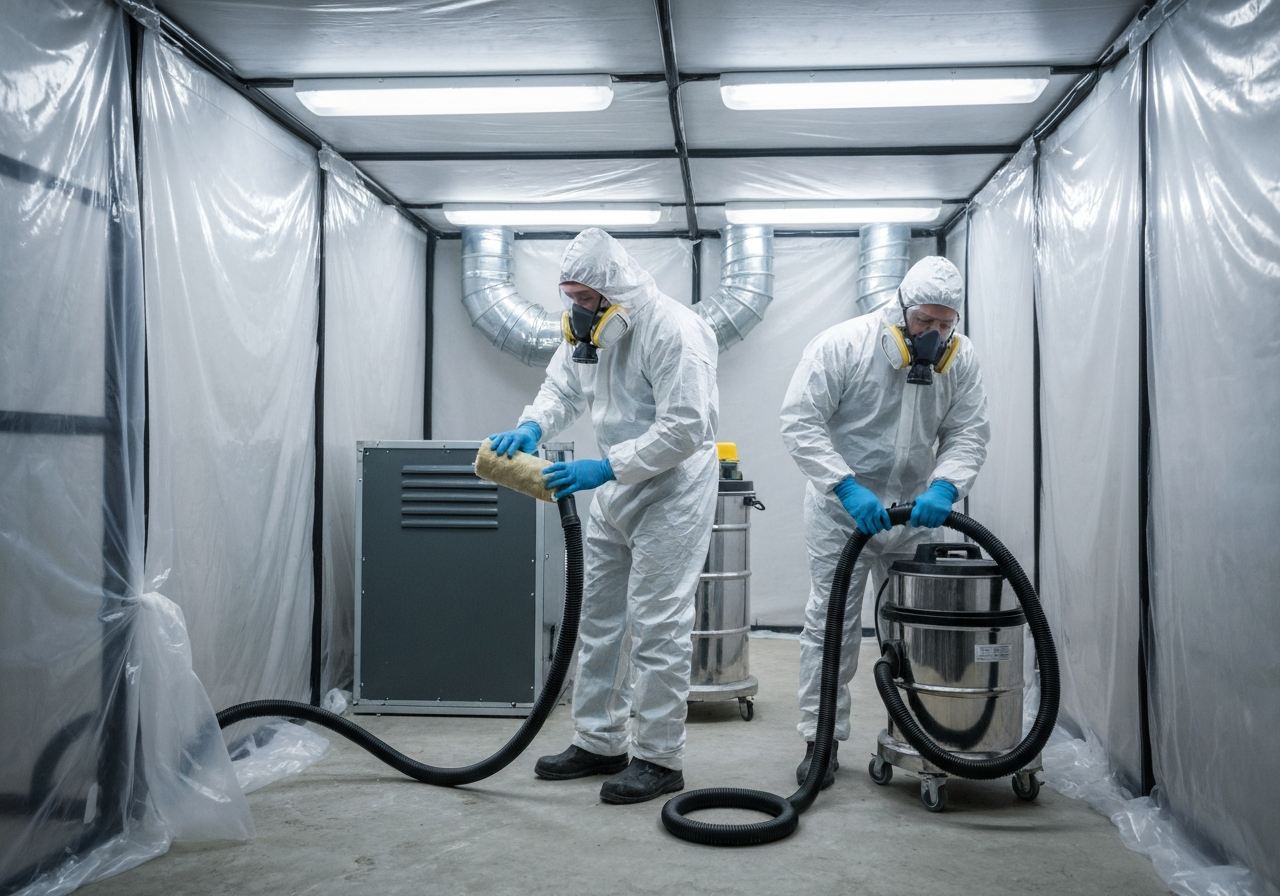
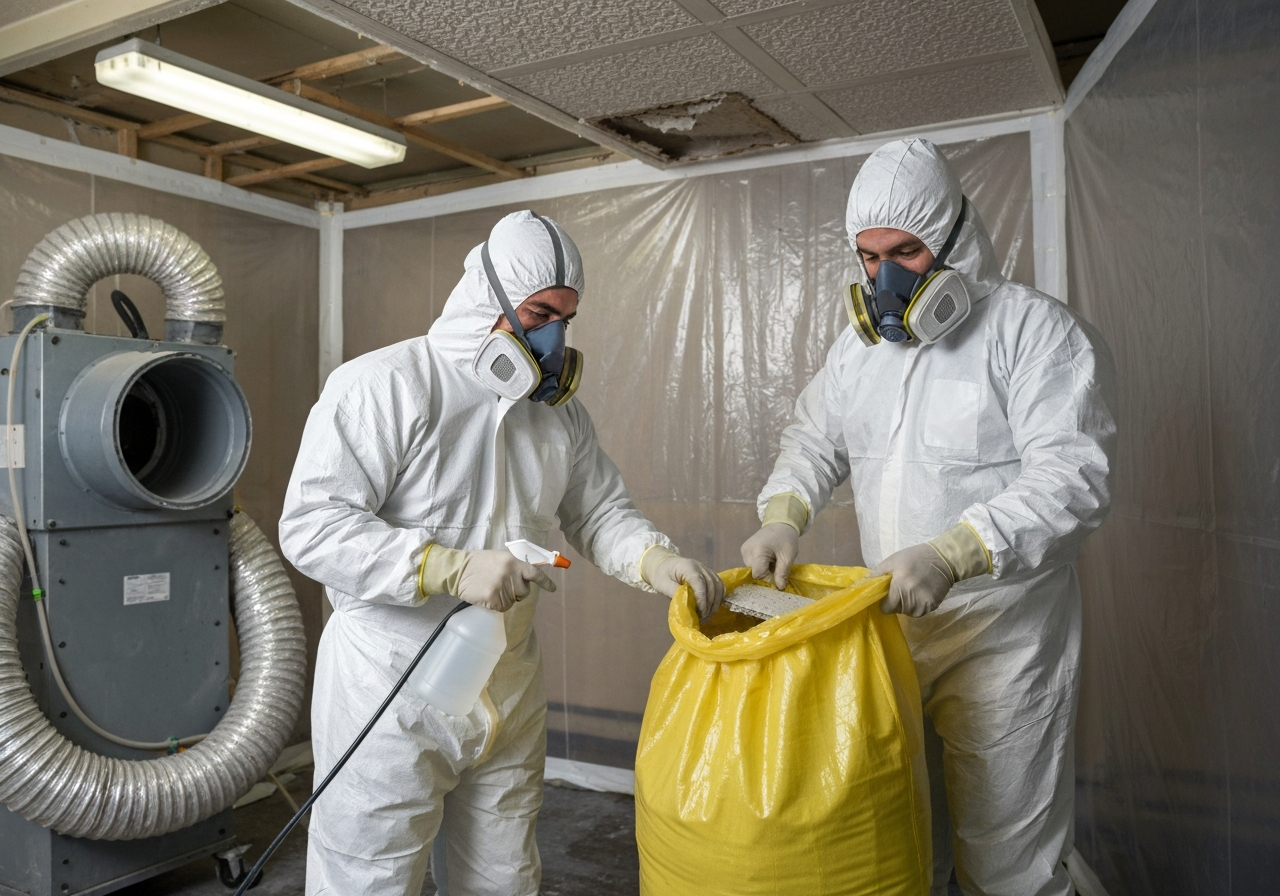
- Advanced Containment Procedures: To prevent the spread of asbestos fibers, affected areas are rigorously sealed off. We establish critical barriers, employ negative air pressure systems with HEPA filtration, and set up decontamination units, creating a controlled work environment.
- Safe Abatement Practices: Our trained and certified asbestos removal specialists use wet methods to suppress airborne fibers during removal. This involves carefully wetting, detaching, and bagging ACMs to minimize disturbance.
- Rigorous Cleanup and Decontamination: Following removal, the work area undergoes extensive cleaning using HEPA-filtered vacuums and wet-wiping techniques to eliminate any residual fibers.
- Independent Air Clearance Testing: To confirm the area is safe for re-occupancy, an independent third-party industrial hygienist conducts air sampling, ensuring airborne asbestos fiber levels are below regulatory limits. Virginia Tech’s EHS department provides an excellent overview of the various types of air sampling used in asbestos operations.
- Compliant Waste Disposal: All asbestos waste is meticulously packaged, labeled, and transported to licensed landfills authorized to accept hazardous materials, adhering strictly to EPA NESHAP regulations, specifically 40 CFR Part 61, Subpart M, for proper disposal.
Our commitment to these detailed procedures ensures that your property is returned to a safe and healthy condition, reflecting the highest standards of environmental protection and regulatory compliance, as detailed in our asbestos removal services.
Spotting the Silent Threat: Identifying Asbestos in Your NC Home or Business
Identifying asbestos in older properties often requires a trained eye, as the material was integrated into a vast array of building products. In North Carolina, properties built before the 1980s are particularly susceptible to containing ACMs. Common locations where asbestos may be found include:
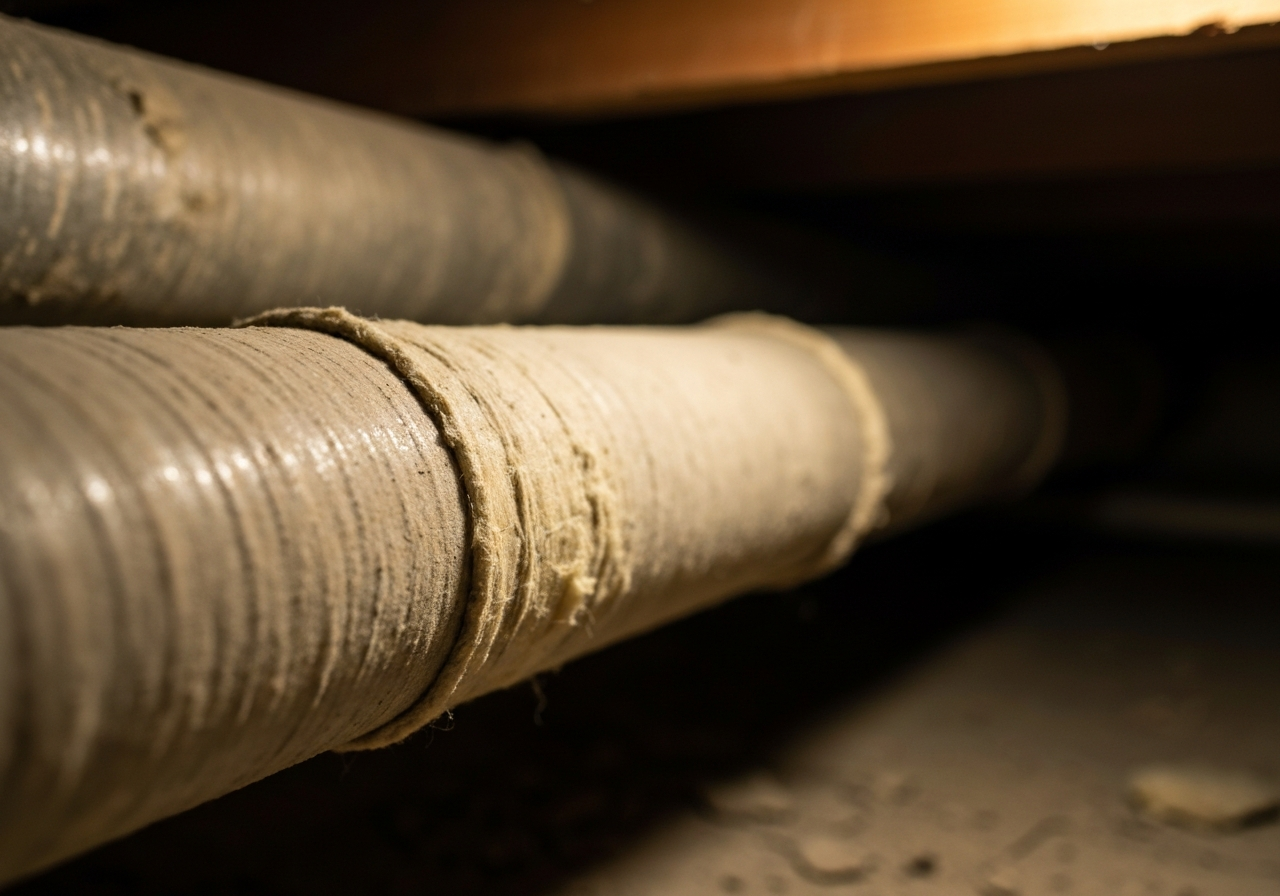
- Insulation: Attic insulation (vermiculite), pipe insulation, boiler insulation, and around furnace ducts.
- Flooring: Vinyl floor tiles, linoleum, and the adhesives used for installation.
- Roofing: Shingles, felt, and mastic.
- Siding: Asbestos-cement siding panels.
- Ceiling Materials: Popcorn ceilings, ceiling tiles, and joint compound.
- Drywall and Joint Compound: Used extensively in many older homes and commercial buildings.
The danger arises when these materials are damaged, disturbed, or begin to deteriorate. For instance, sanding vinyl tiles, tearing down popcorn ceilings, or breaking asbestos-cement siding can release hazardous fibers. It’s crucial to understand that you cannot visually confirm the presence of asbestos; only professional testing can accurately identify it. If you suspect asbestos in your home or business, it is vital to avoid disturbing the material and to contact a qualified professional for an inspection. Piedmont Quality Air can help you assess and manage any potential asbestos hazards in your property.
Navigating Regulations: Asbestos Compliance in North Carolina
North Carolina’s regulatory framework for asbestos is comprehensive, integrating both state-specific rules and federal mandates to ensure public safety. The North Carolina Department of Health and Human Services (NCDHHS) oversees the Asbestos Hazard Management Program, which issues permits for asbestos removal projects and accredits professionals. Their website offers essential information on asbestos hazard management, including detailed rules and regulations. The NCDHHS also provides guidance on what to know before you demolish or renovate, emphasizing the need for professional inspection and notification.
Key regulations include:
- Federal NESHAP: The EPA’s National Emission Standards for Hazardous Air Pollutants (NESHAP) for asbestos, found in 40 CFR Part 61, Subpart M, dictates work practices for demolition and renovation of all facilities, with specific rules for inspection, notification, and waste disposal.
- NC State Rules: North Carolina’s administrative code (10A NCAC 41C .0600-.0611) complements NESHAP, outlining specific requirements for accreditation, permitting, and safe work practices. More information can be found on the NCDHHS asbestos rules page.
- OSHA Standards: The North Carolina Department of Labor (NCDOL) enforces OSHA standards (29 CFR 1910.1001 and 1926.1101), which regulate occupational exposure to asbestos, covering worker training, permissible exposure limits, and personal protective equipment.
- County-Specific Ordinances: Three North Carolina counties—Buncombe, Forsyth, and Mecklenburg—have their own asbestos-related ordinances. For example, Mecklenburg County Air Quality (MCAQ) enforces local NESHAP requirements, including specific notification forms and fees.
Compliance with these intricate layers of regulations is critical. Property owners and contractors must obtain necessary permits, provide timely notifications, and ensure all asbestos-related work is performed by NC-accredited professionals to avoid significant penalties and ensure safety. Piedmont Quality Air’s comprehensive understanding of these rules ensures that every project meets or exceeds regulatory standards.
Beyond Removal: Ensuring Long-Term Safety and Air Quality with Piedmont Quality Air
Effective asbestos management extends far beyond the physical removal of hazardous materials. Ensuring long-term safety and superior indoor air quality is the ultimate goal. After abatement, air clearance testing is conducted by independent third-party industrial hygienists to verify that airborne asbestos fiber levels are well below regulatory limits, confirming the environment is safe for re-occupancy. This meticulous post-remediation validation provides peace of mind, knowing that the immediate threat has been neutralized.
Piedmont Quality Air’s commitment doesn’t end there. We understand the importance of comprehensive environmental solutions that contribute to overall indoor air quality. Our expertise in mold removal and interior demolition further supports our holistic approach to creating healthy and safe spaces. By minimizing disruption and adhering to stringent protocols, we ensure that your property remains a safe haven, protected from both visible and invisible environmental hazards. Our clients’ testimonials reflect this dedication to thoroughness and long-term well-being.
Your Trusted Partner: Get a Free Asbestos Estimate from Piedmont Quality Air
When confronted with the complexities of Handling & Disposing Asbestos, partnering with a proven expert is crucial. Piedmont Quality Air stands as your trusted local authority in North Carolina, offering unparalleled expertise and a steadfast commitment to safety, compliance, and your peace of mind. Our team of certified professionals is equipped with the knowledge, experience, and advanced equipment necessary to manage even the most challenging asbestos abatement projects, from initial inspection to final air clearance and proper waste disposal. We navigate the intricate landscape of federal, state, and local regulations so you don’t have to, ensuring every step is executed with precision and care. Protect your property, your family, and your business by choosing a partner dedicated to the highest standards of environmental remediation. Experience the difference that professional integrity and local expertise can make. For a free, no-obligation asbestos estimate and to discuss your specific needs, please visit our Contact Us page today.
Concerned about asbestos in your property? Don’t wait. Contact Piedmont Quality Air today for a free, no-obligation asbestos estimate and ensure your peace of mind.