Mastering Building Safety: The Importance of Hazardous Materials Assessments
Ensuring the safety and longevity of any building, especially older structures, begins long before any renovation or demolition work commences. A critical, often underestimated, step in this process is conducting a comprehensive hazardous materials assessment. This proactive approach is essential for identifying and mitigating risks associated with hidden dangers like asbestos, lead-based paint, and mold. By understanding how to conduct a hazardous materials assessment in buildings, property owners, managers, and contractors can protect human health, prevent environmental contamination, and avoid costly legal repercussions.
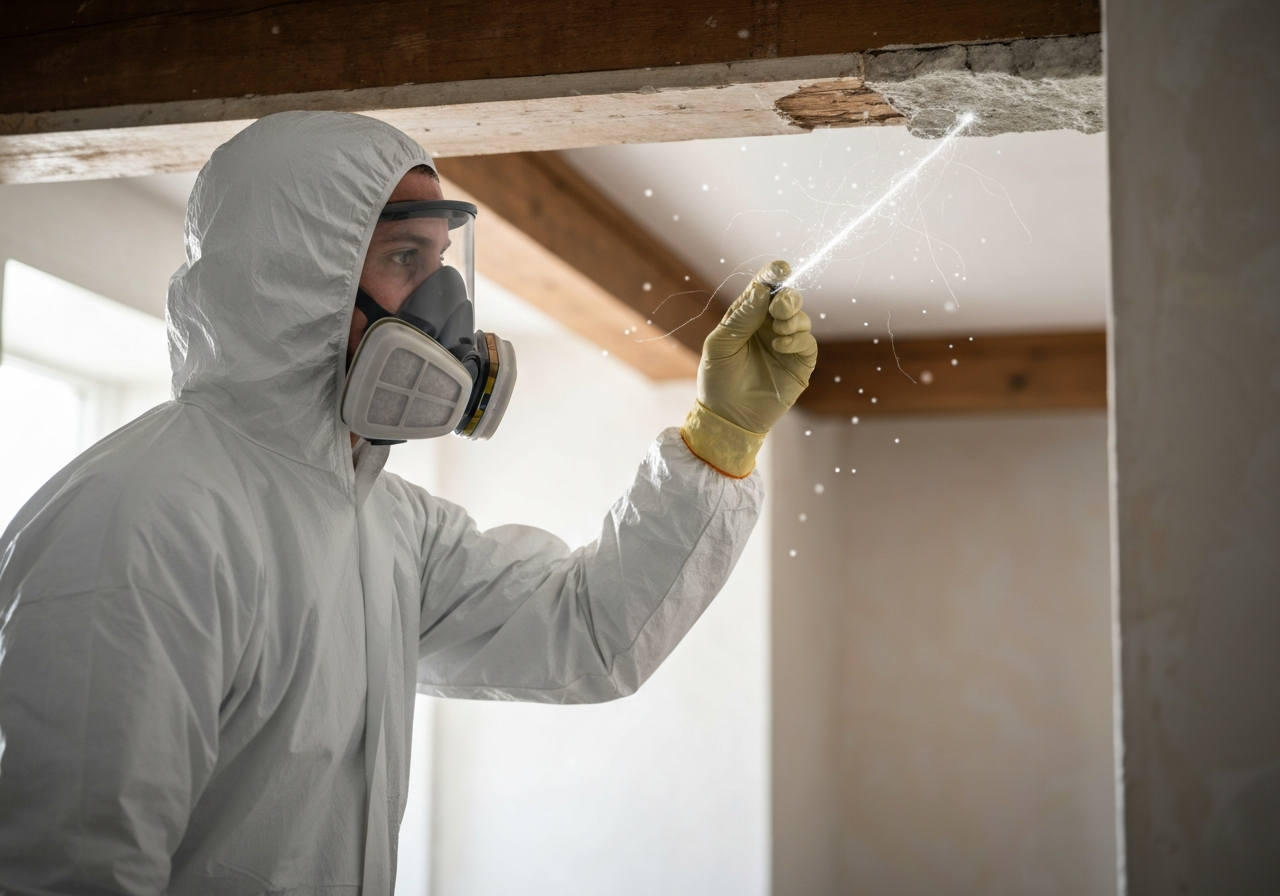
Many structures, particularly those built before the late 20th century, contain materials that were once standard but are now known to be toxic. Disturbing these without proper identification and handling can release harmful fibers or particles, posing immediate and long-term health hazards. Ignoring these hidden dangers can lead to severe health risks, environmental damage, and significant legal and financial repercussions, a real-world lesson often overlooked by those without expert foresight.
Understanding Common Hazardous Building Materials in North Carolina Properties
A thorough hazardous materials assessment begins with recognizing the most common culprits lurking within older buildings. In North Carolina, properties often house a variety of materials classified as physical or health hazards under regulations like the North Carolina Fire Code (IFC 2015) Chapter 50 and definitions found in the International Building Code (IBC 2009).
Some of the most frequently encountered hazardous materials include:
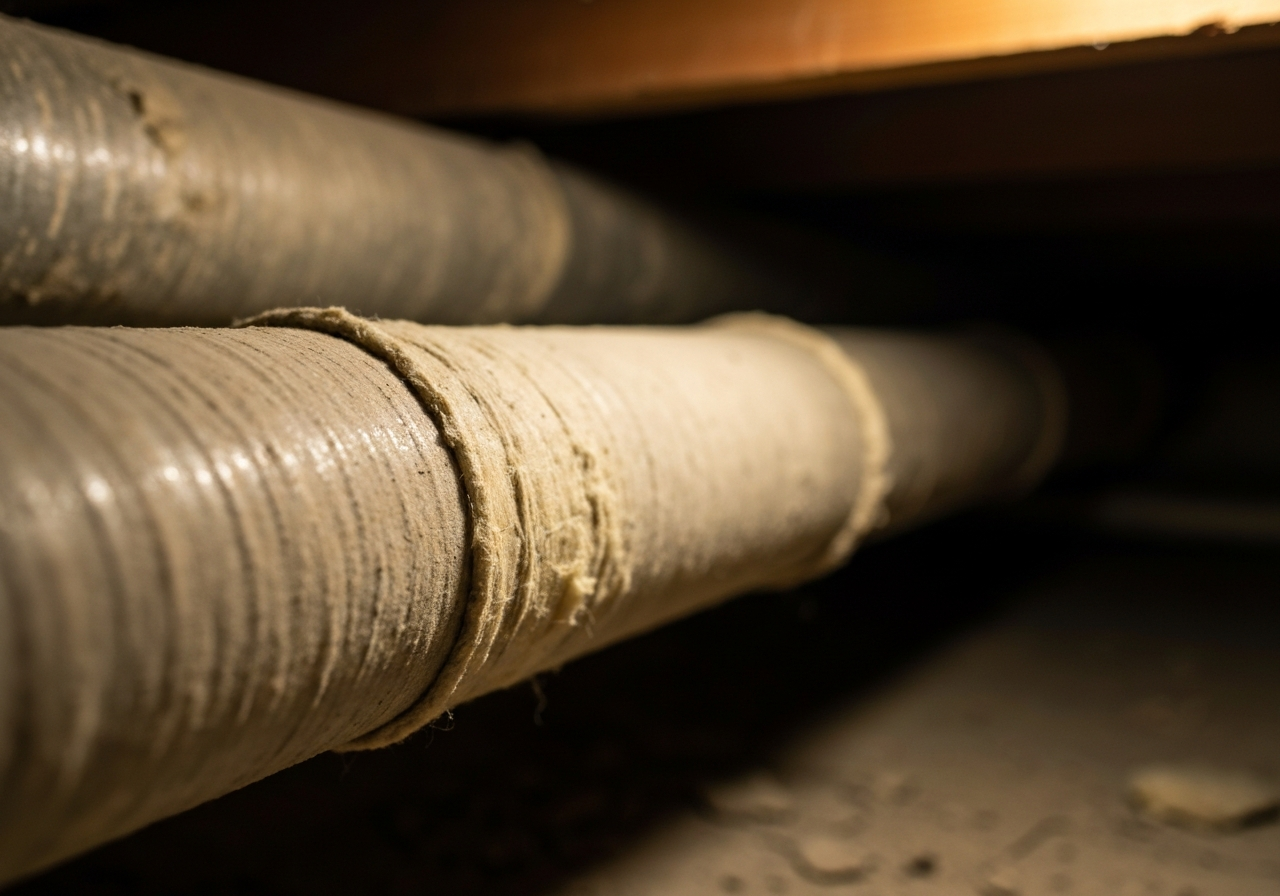
- Asbestos: Once a ubiquitous material for its fire-resistant and insulating properties, asbestos can be found in ceiling tiles, floor tiles, pipe insulation, roofing materials, siding, and joint compounds. When disturbed, it releases microscopic fibers that can cause severe respiratory diseases, including mesothelioma and lung cancer, often decades after exposure. Detailed information on managing this can be found in resources addressing asbestos removal services.
- Lead-Based Paint: Common in homes and buildings constructed before 1978. Chipping, peeling, or sanding lead paint generates hazardous dust, which can lead to lead poisoning, particularly harmful to children.
- Mold: A pervasive issue in humid climates like North Carolina’s, excessive mold growth due to moisture intrusion can produce allergens, irritants, and mycotoxins, affecting respiratory health. As highlighted by crawl space mold removal services, it’s a critical and often hidden problem.
- Polychlorinated Biphenyls (PCBs): Used in building materials such as caulk, sealants, and fluorescent light ballasts until banned in the late 1970s, PCBs are persistent environmental pollutants toxic to humans.
- Mercury: Found in some older thermostats, fluorescent light bulbs, and electrical switches, mercury is a neurotoxin requiring careful handling.
- Radon: While naturally occurring and not a building material, demolition can sometimes disturb the ground and affect radon levels, which is a radioactive gas.
An expert insight to add for authority is that “a thorough understanding of these materials, their common locations, and their potential to become airborne is paramount. This knowledge forms the bedrock of any credible hazardous materials assessment, informing the scope and methodology of testing to prevent accidental exposure.”
How to Conduct a Hazardous Materials Assessment in Buildings: Key Steps & Regulations
The process of conducting a hazardous materials assessment is a multi-step endeavor guided by stringent federal and state regulations. In North Carolina, the North Carolina Asbestos Rules, Regulations & Ordinances, enforced by agencies like the NCDHHS and NCDEQ, dictate many of these procedures. The goal is to accurately identify, quantify, and assess the risk posed by hazardous substances before they can cause harm.
Key steps include:
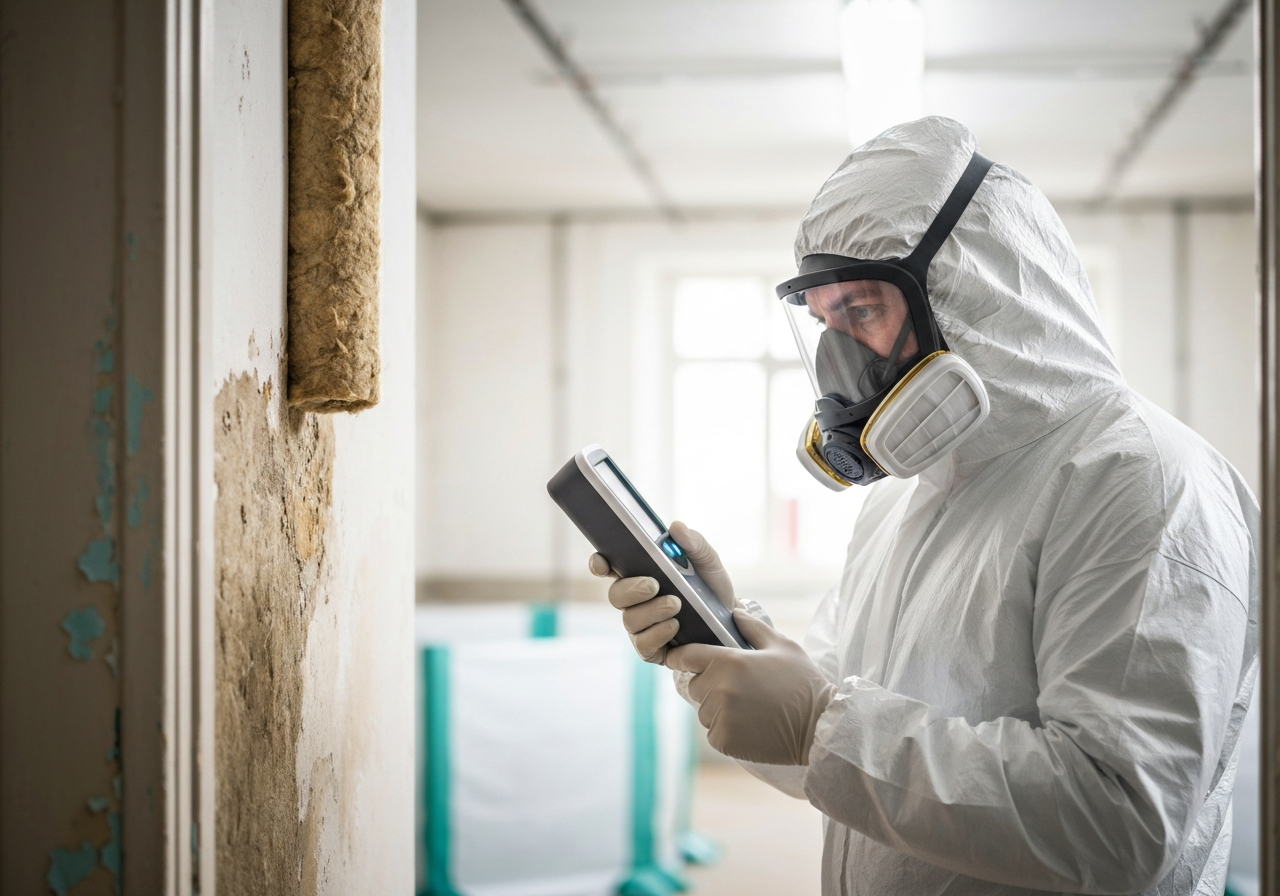
- Initial Survey and Planning: This involves a thorough review of building blueprints, past renovation records, and a visual inspection by a certified professional to identify potential ACMs or other hazardous materials. A detailed work plan is developed, outlining the scope of work and assessment methods.
- Sampling and Laboratory Analysis: Suspect materials are carefully collected by accredited inspectors and sent to certified laboratories for precise analysis. This is crucial for confirming the presence, type, and concentration of hazardous substances like asbestos or lead.
- Risk Assessment: Based on the laboratory results and the condition of the materials, a risk assessment is conducted. This evaluates the likelihood of fiber or particle release and the potential for human exposure.
- Hazardous Materials Management Plan (HMMP): For properties requiring permits for hazardous materials, an HMMP is often required, detailing access, emergency equipment, and hazard classes, as outlined in the IFC 2015, Section 5001.5.1. This plan helps streamline response protocols and ensure compliance.
- Hazardous Materials Inventory Statement (HMIS): An HMIS, similar to a SARA Title III, Tier II Report, provides a detailed list of hazardous materials, their location, quantity, and hazard classification, aiding in emergency preparedness as per IFC 2015, Section 5001.5.2.
- Regulatory Notifications and Permits: Before any disturbance or removal, the relevant state and local authorities (e.g., NCDEQ or SC DHEC) must be notified, and necessary permits obtained. This is a non-negotiable step to ensure compliance with federal and state laws.
The most convincing evidence for credibility in hazardous materials management is a track record of meticulous adherence to these established protocols. This not only ensures safety but also builds trust with clients and regulatory bodies.
Managing and Mitigating Risks: Professional Remediation and Safe Disposal
Once hazardous materials are identified, the focus shifts to safe management and, if necessary, professional remediation and disposal. This phase demands extreme precision and adherence to strict protocols to prevent further contamination and protect health. The expertise required for these tasks is extensive, spanning from asbestos abatement to mold remediation, often in challenging scenarios like North Carolina asbestos storm damage cleanup or post-flood asbestos and mold remediation.
Key aspects of risk management and mitigation include:
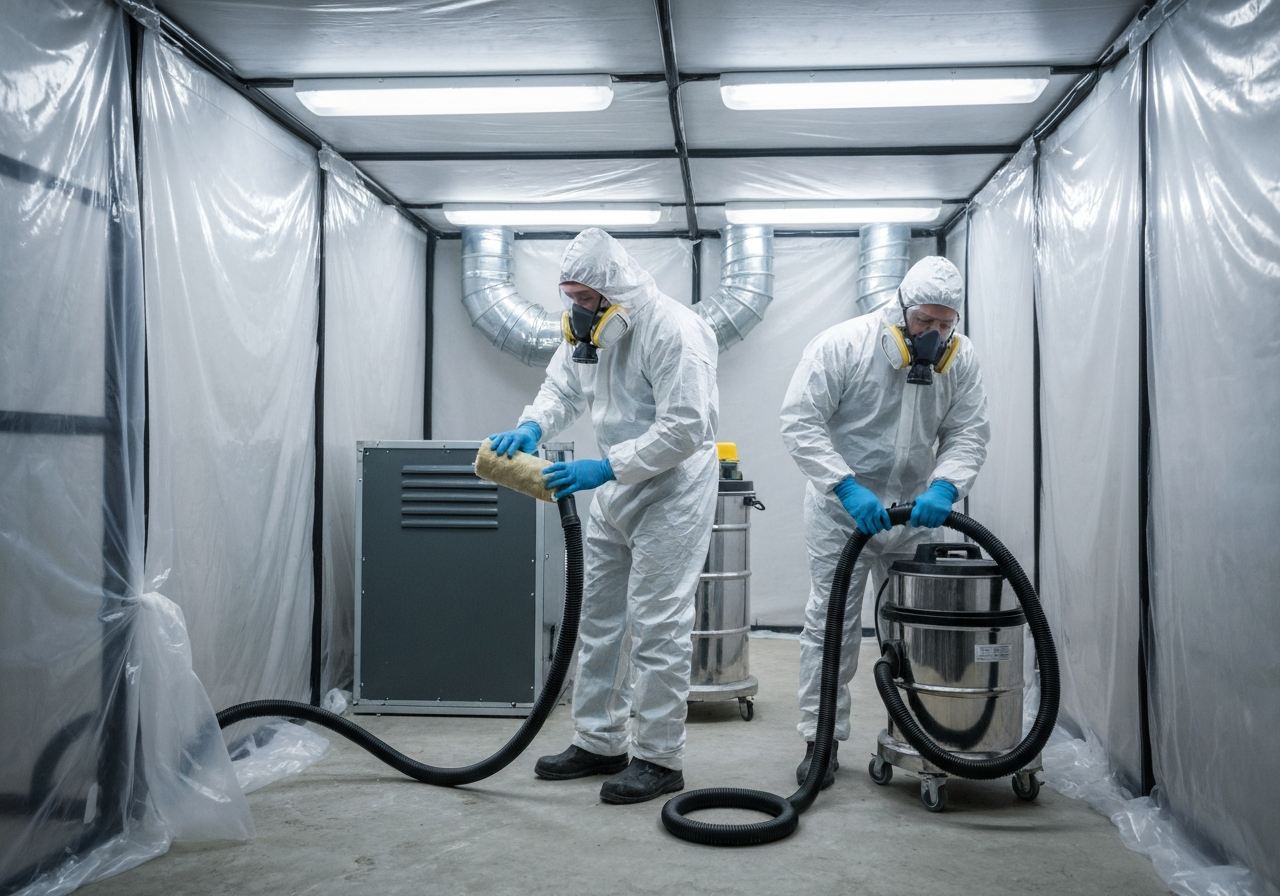
- Containment: Specialized containment areas are constructed around the work zone using plastic sheeting, negative air pressure machines (with HEPA filters), and decontamination units for workers. This prevents the spread of contaminants during removal.
- Worker Protection: Abatement workers wear extensive personal protective equipment (PPE), including full-body suits, gloves, and respirators, and undergo rigorous training and medical surveillance.
- Safe Removal Techniques: Materials are carefully removed using methods that minimize disturbance, such as wetting asbestos to reduce fiber release or using HEPA-filtered vacuums for lead dust. Mold remediation focuses on identifying and eliminating the moisture source, physically removing mold, and applying antimicrobial treatments.
- Air Monitoring: Continuous or periodic air monitoring is conducted inside and outside containment areas to ensure contaminant levels remain below regulatory limits.
- Proper Packaging and Labeling: Removed hazardous materials are immediately sealed in clearly labeled, leak-tight containers (e.g., double-bagged for asbestos) to prevent exposure during transport and disposal.
- Specialized Disposal: Hazardous waste must be transported by licensed haulers to approved disposal sites capable of handling such materials safely. This ensures environmental protection and compliance with regulations like those enforced by the EPA’s Hazardous Waste Cleanup Program. The BLM also deals with hazardous materials management at abandoned sites.
- Post-Remediation Clearance Testing: Independent testing (e.g., air sampling for asbestos, dust wipe sampling for lead) verifies that the area is safe for re-occupancy or further construction.
This comprehensive approach ensures that hazardous materials are not merely removed but are managed through a process that protects all stakeholders and the environment. “The true expertise lies in foreseeing potential pathways of contamination and meticulously sealing them off, a task that demands a deep understanding of material science and environmental engineering, beyond just following a checklist.”
Why Choose Piedmont Quality Air for Your Hazardous Material Needs in NC
When it comes to hazardous materials in your property, choosing the right partner is paramount. Piedmont Quality Air stands out as a leader in comprehensive hazardous material management in North Carolina. With over a decade of experience, we offer a unique blend of expertise, rigorous safety protocols, and a deep understanding of local and federal regulations.
Our commitment to safety and compliance is unwavering:
- Certified and Experienced Professionals: Our team consists of highly trained, licensed, and certified technicians in asbestos and mold abatement, ensuring that every project adheres to the highest industry standards. As stated on our About Us page, we have over 10 years of experience.
- Adherence to Regulations: We are intimately familiar with all N.C. Asbestos Rules, Regulations & Ordinances, as well as federal EPA and OSHA guidelines. This ensures your project is fully compliant, avoiding potential fines and legal complications.
- Specialized Equipment and Techniques: We utilize state-of-the-art equipment for containment, air filtration (HEPA), and removal, guaranteeing the safest and most effective abatement process. Our methods are designed to minimize disturbance and prevent cross-contamination.
- Comprehensive Service Offerings: From initial professional mold inspections to full-scale asbestos removal and interior demolition, we provide end-to-end solutions tailored to your specific needs. This integrated approach is particularly beneficial for complex projects like interior demolition that may involve multiple hazardous materials.
- Focus on Occupant and Environmental Safety: We prioritize the health of building occupants and the protection of the surrounding environment, even when working in occupied spaces. Our strict containment and disposal procedures ensure minimal disruption and maximum safety.
The most convincing evidence for credibility in hazardous materials management is a perfect safety record achieved through unwavering adherence to established protocols and regulations. Our 10+ years of dedicated service in the region attest to this commitment. Choosing Piedmont Quality Air means partnering with a company that deeply values safety, compliance, and peace of mind for every client.
Ensuring a Safer Future: The Value of Expert Hazardous Material Management
The ultimate goal of mastering hazardous materials assessment and management is to create safer, healthier, and more sustainable built environments. By meticulously addressing potential dangers upfront, we lay the groundwork for demolition and renovation projects that are not only compliant but also responsible and efficient. The value of expert hazardous material management extends far beyond simply meeting regulatory requirements; it’s an investment in future well-being and structural integrity.
Expert management ensures:
- Enhanced Health and Safety: Protecting workers, building occupants, and the wider community from exposure to harmful substances, preventing long-term health issues.
- Environmental Stewardship: Preventing the release of pollutants into soil, water, and air, adhering to strict disposal guidelines, and contributing to a healthier ecosystem, reflecting the importance of environmental responsibility discussed by the SCDES impact on SC hazardous removal efficiency.
- Financial Predictability and Risk Mitigation: Proactive assessment and removal prevent costly delays, emergency remediation expenses, and potential legal liabilities that can arise from unexpected discoveries during construction.
- Preservation of Property Value: Ensuring a building is free from hazardous materials increases its market value and desirability, providing confidence to future owners and occupants.
In conclusion, embracing a comprehensive strategy for hazardous materials assessment, and partnering with experienced professionals like Piedmont Quality Air, is crucial for anyone involved in building projects in North Carolina. It ensures that every step, from initial inspection to final disposal, is handled with the utmost care, expertise, and adherence to regulations, leading to a safer and more sustainable future for our communities.
Ensure the safety of your property and its occupants. Contact Piedmont Quality Air today for expert hazardous materials assessments and remediation services.