Uncovering the Dangers: Navigating Hazardous Materials in Old Buildings
Older buildings possess a unique charm and historical significance, but they often conceal invisible dangers within their very fabric. As structures age, the materials used in their original construction, once considered innovative, can degrade and become significant health hazards. Understanding and addressing these hazardous materials in old buildings is paramount for protecting occupants, workers, and the environment, particularly during renovations, demolitions, or even routine maintenance.
The Silent Threat: Asbestos in Older Structures and Why it’s Dangerous
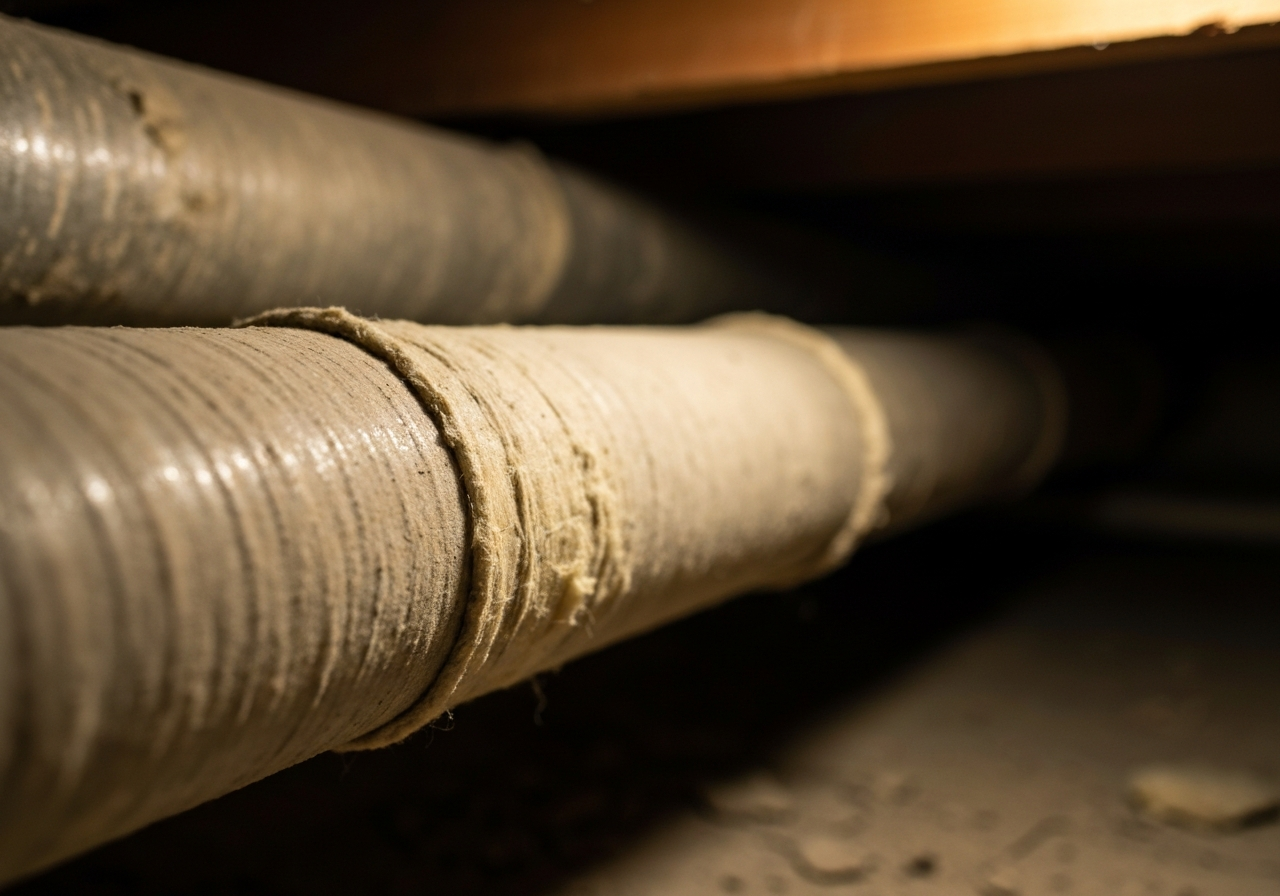
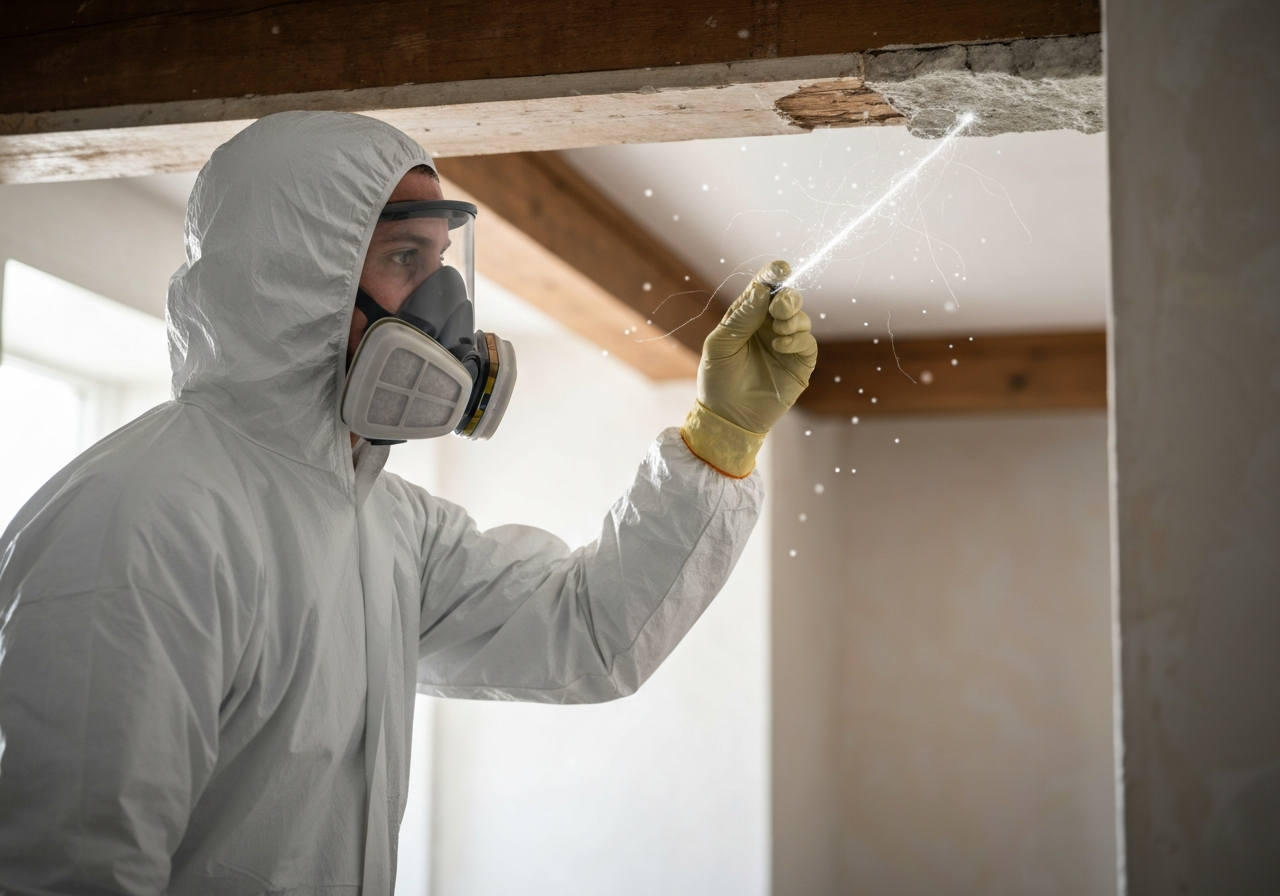
Asbestos, a naturally occurring fibrous mineral, was a widespread building material for much of the 20th century due to its excellent fire resistance, insulation properties, and strength. It was commonly found in everything from pipe and boiler insulation to ceiling and floor tiles, roofing materials, and even joint compounds. However, when these materials are disturbed—through wear and tear, renovations, or demolition—they release microscopic asbestos fibers into the air. Inhaling these fibers can lead to severe and often fatal respiratory diseases, including asbestosis, lung cancer, and mesothelioma, which can manifest decades after exposure. As the Cleveland Clinic highlights, there is no safe level of asbestos exposure, emphasizing the critical need for caution.
Identifying asbestos-containing materials (ACMs) is complex as they often blend seamlessly into other building components. For instance, homes built before 1978 are highly likely to contain asbestos in various forms. While intact, non-friable (non-crumbly) asbestos generally poses a lower risk, any disturbance can make it friable and dangerous. This is why professional assessment and strict adherence to regulations, such as those governing South Carolina asbestos removal laws, are crucial.
Beyond the Surface: Understanding Mold Growth in Historic Properties
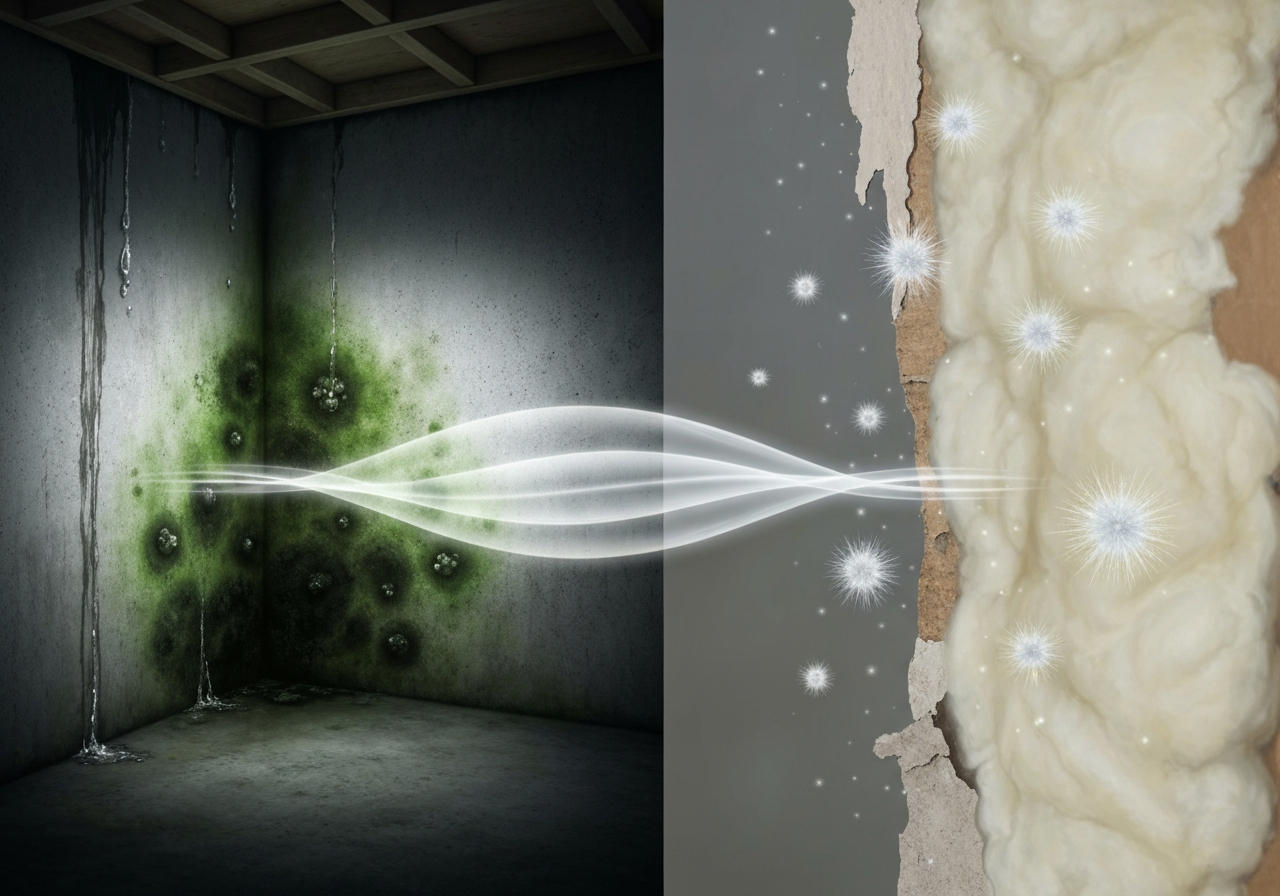
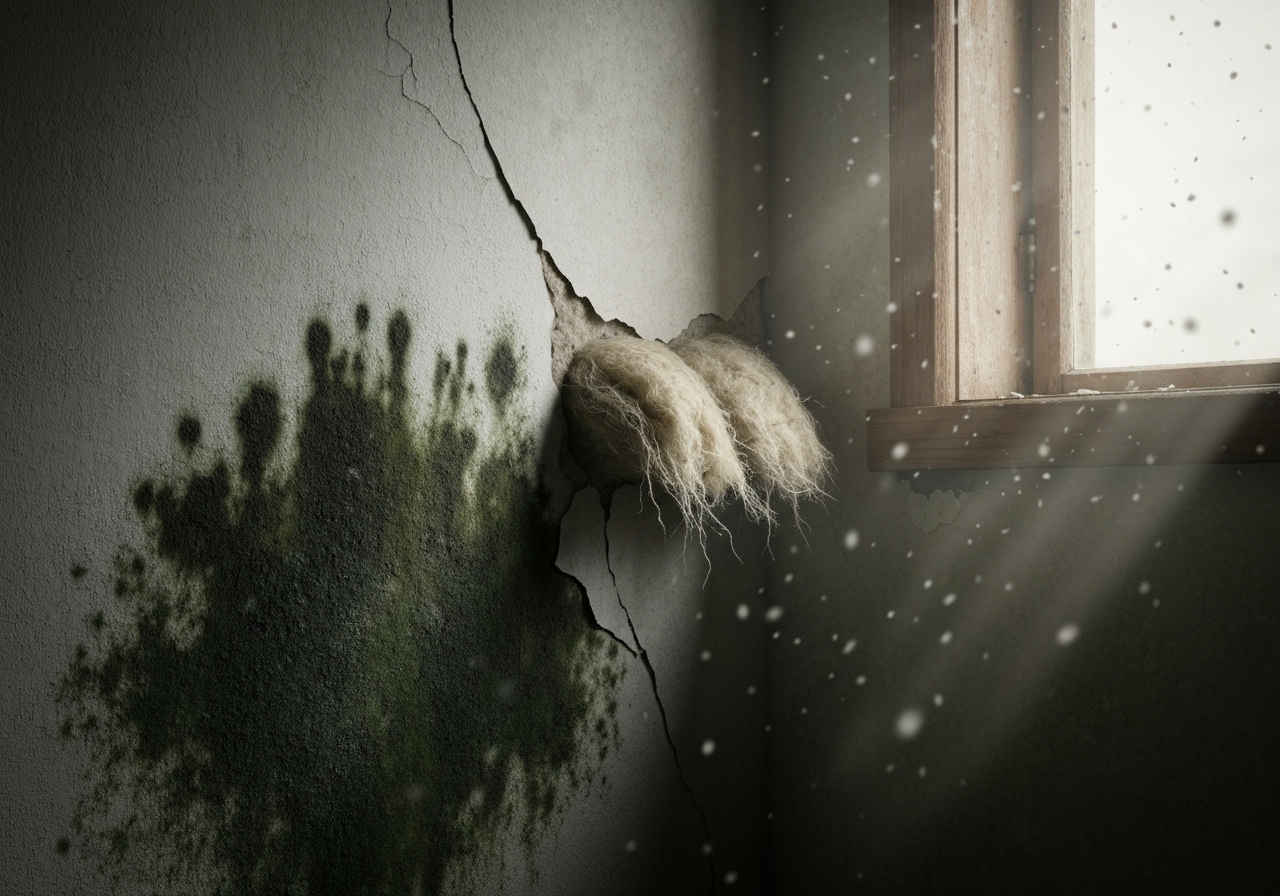
Beyond synthetic hazards, older and historic properties are particularly susceptible to mold growth. Mold, a type of fungus, thrives in damp, humid environments, reproducing through microscopic spores. South Carolina’s climate, with its high humidity, provides an ideal breeding ground for mold, especially after water leaks, flooding, or persistent moisture intrusion. Mold can grow rapidly on organic materials like wood, drywall, and fabric, often in hidden areas such as wall cavities, attics, and crawl spaces.
Exposure to mold can cause a range of health issues, including allergic reactions, asthma attacks, and respiratory problems. For sensitive individuals, prolonged exposure can lead to chronic conditions. The National Park Service emphasizes the importance of safety measures when dealing with moldy materials due to potential health hazards. Unlike asbestos, which is largely regulated by specific federal and state laws, mold regulations can be less explicit, though its presence can still significantly impact indoor air quality and property value. Professional mold inspection is vital to protect your home and its occupants.
Identifying the Risk: When to Suspect Hazardous Materials in Your Property
Recognizing the potential for hazardous materials is the first step in safeguarding your property. While visual inspection can offer clues, definitive identification and assessment of Hazardous Materials in Old Buildings require professional expertise. Key indicators that might suggest the presence of asbestos, lead-based paint, or significant mold include:
- Age of the Building: Structures built before the late 1970s or early 1980s are at a higher risk of containing asbestos and lead-based paint. For instance, lead-based paint was banned in consumer uses in 1978, yet it remains in millions of older homes, often beneath layers of newer paint, as highlighted by the EPA.
- Material Type and Location: Look for materials commonly known to contain hazards:
- Asbestos: Popcorn ceilings, vinyl floor tiles, pipe insulation, cement siding, roofing shingles, and old furnace ducts.
- Lead: Chipping or peeling paint on walls, windows, doors, and exterior surfaces, especially in homes built before 1978.
- Mold: Musty odors, water stains on walls or ceilings, visible discoloration, or recurring respiratory issues among occupants, often linked to unresolved leaks or high humidity.
- Planned Disturbances: Renovation, remodeling, or demolition activities are particularly high-risk scenarios, as they can disturb previously stable materials and release harmful particles or fibers. The University of Washington’s Environmental Health & Safety office notes that do-it-yourself repairs that disturb building materials can expose you to serious health risks.
- Water Damage History: Past floods, persistent leaks, or high indoor humidity levels significantly increase the likelihood and severity of mold growth.
If any of these indicators are present, especially if you are planning to disturb building materials, it is crucial to avoid a do-it-yourself approach. Professionals are trained to identify, test, and safely manage these materials, preventing unintended exposure and ensuring compliance with all regulations.
Piedmont Quality Air’s Expert Process for Safe Remediation and Demolition
At Piedmont Quality Air, we understand the complexities and inherent risks associated with Hazardous Materials in Old Buildings. Our expert process is designed to ensure the safest and most compliant remediation and demolition services, protecting both property owners and the community. Our approach integrates thorough assessment, stringent safety protocols, and adherence to all federal, state, and local regulations.
Our process typically includes:
- Initial Assessment and Testing: Certified inspectors conduct comprehensive surveys to accurately identify all hazardous materials, including asbestos and lead-based paint, and assess the extent of mold growth. Samples are sent to accredited laboratories for precise analysis.
- Detailed Work Plan Development: Based on the assessment, a customized work plan is created, outlining the scope of work, chosen abatement methods, safety procedures, containment strategies, and waste disposal protocols. For projects in South Carolina, this plan often includes necessary notifications to agencies like SCDES, as detailed in guides for navigating SCDES asbestos demolition regulations.
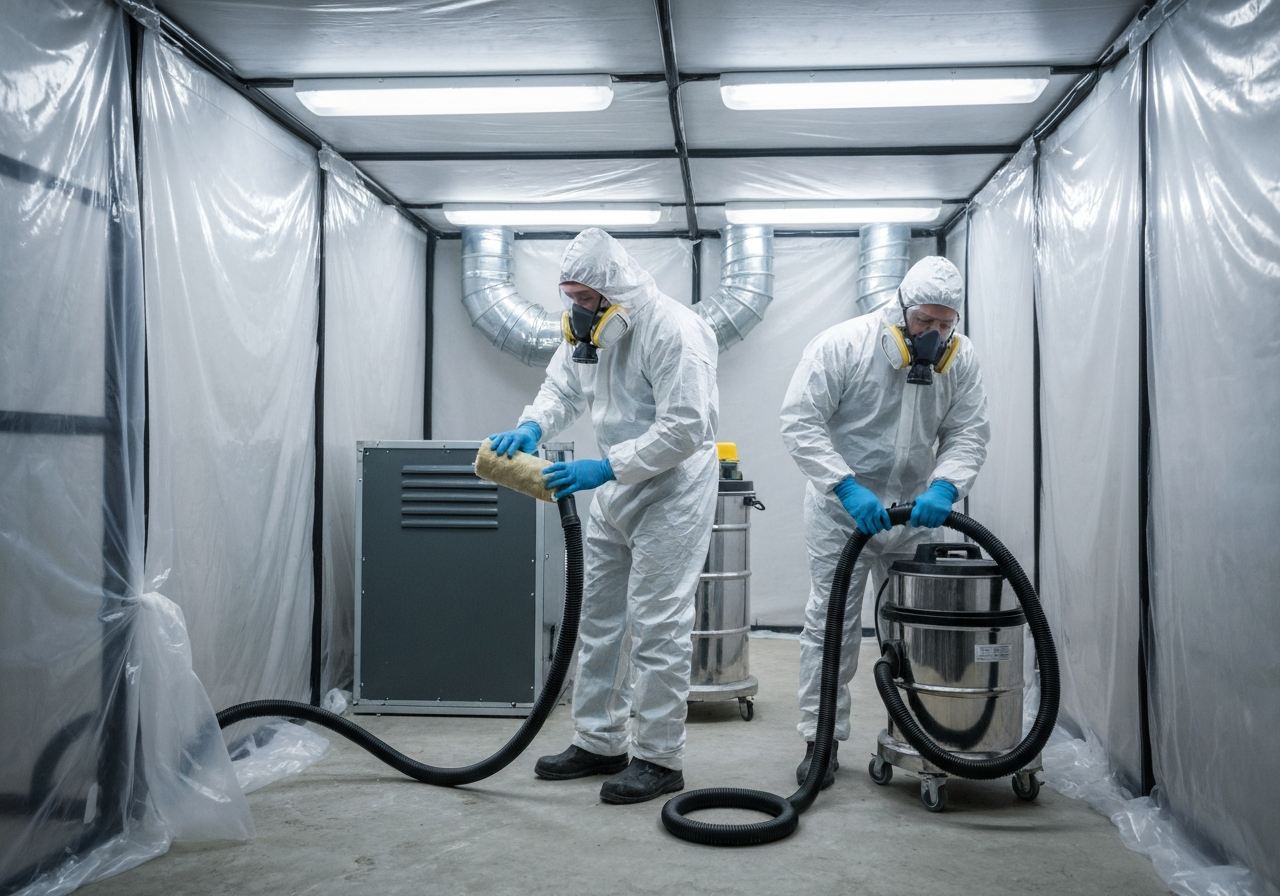
- Rigorous Containment and Air Filtration: We establish sealed containment zones using specialized barriers and negative air pressure systems equipped with HEPA filters. This prevents the spread of airborne contaminants to unaffected areas, ensuring a controlled work environment.
- Safe Removal and Abatement Techniques: Our trained and licensed professionals use industry-best practices and specialized equipment to safely remove hazardous materials. For asbestos, this often involves wetting materials to prevent fiber release. For mold, it includes identifying and rectifying moisture sources before removal.
- Thorough Cleaning and Decontamination: After removal, the work area undergoes meticulous cleaning with HEPA-filtered vacuums and wet-wiping techniques. Workers and equipment go through a multi-stage decontamination process before leaving the containment zone.
- Post-Remediation Verification: Independent clearance testing, including aggressive air sampling for asbestos and dust wipe sampling for lead, is conducted to ensure that all hazardous substances have been successfully removed and that the environment meets regulatory safety standards.
- Proper Waste Management and Disposal: All hazardous waste is carefully packaged, clearly labeled, and transported by licensed haulers to approved disposal facilities, ensuring compliance with all environmental regulations.
Our commitment to these steps minimizes risks, avoids costly delays, and provides peace of mind for our clients.
Ensuring Safety and Compliance: Your Trusted Partner in the Southeast
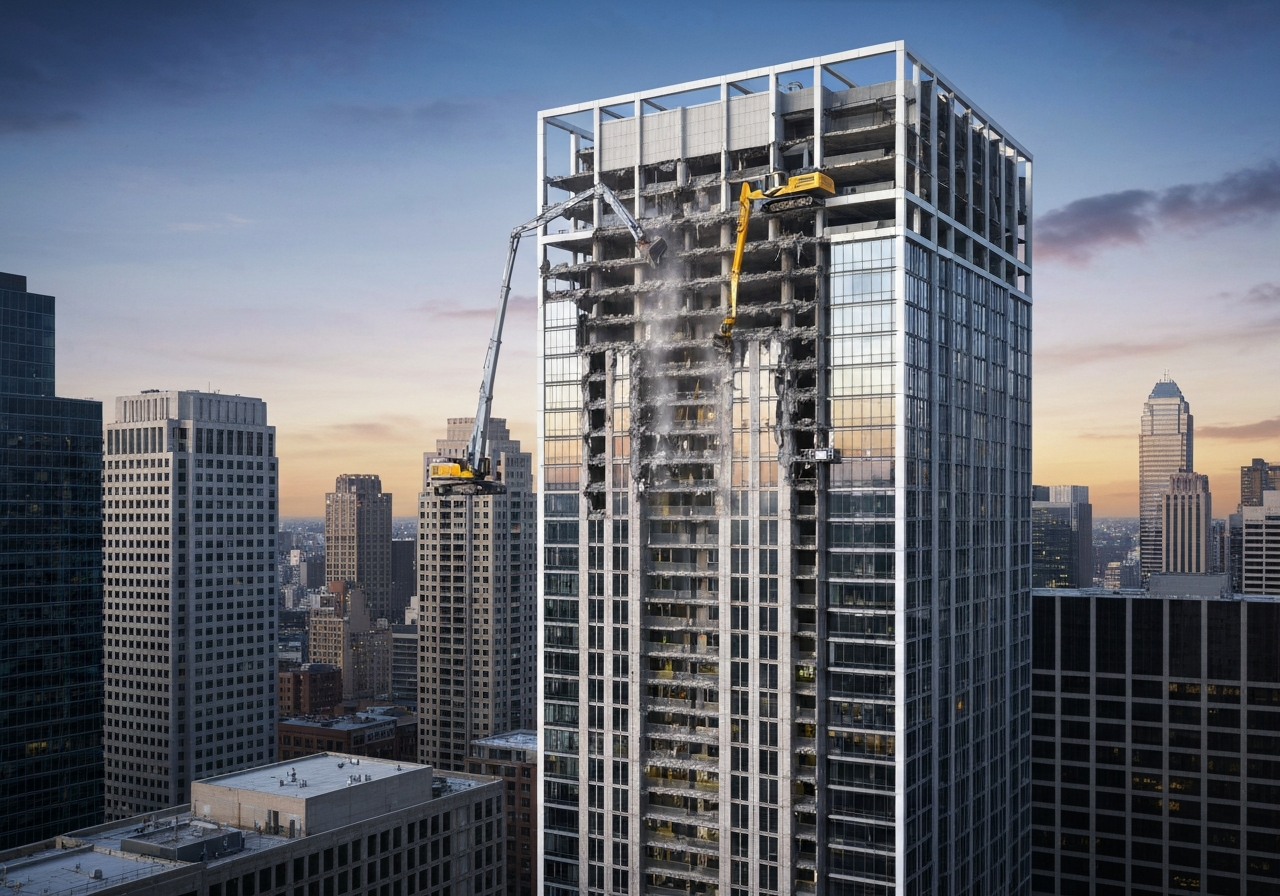
Navigating the complex regulatory landscape surrounding Hazardous Materials in Old Buildings requires a partner with deep expertise and an unwavering commitment to compliance. Piedmont Quality Air operates with the highest standards of safety and regulatory adherence, ensuring that every project, from hazardous material removal to interior demolition, is conducted legally and responsibly. Our team is intimately familiar with federal regulations from agencies like the EPA and OSHA, as well as specific state regulations across the Southeast, including those set by the South Carolina Department of Health and Environmental Control (SC DHEC) and North Carolina’s environmental and labor divisions.
Choosing a licensed and accredited professional is not just a recommendation; it’s an ethical and often legal imperative. Our certifications and training ensure that our personnel are equipped with the latest knowledge and techniques to manage hazardous materials effectively, minimizing risk to workers, building occupants, and the surrounding community. We understand that transparency and clear communication are key, and we strive to keep our clients informed throughout every stage of the project.
Take the Next Step: Secure a Safer Future for Your Old Building
The presence of Hazardous Materials in Old Buildings is a reality that demands professional attention. Ignoring these potential dangers can lead to severe health consequences, environmental damage, and significant legal and financial liabilities. Whether you are planning a renovation, dealing with storm damage, or simply concerned about the safety of an older property, proactive assessment and professional remediation are essential.
Piedmont Quality Air is your trusted partner for navigating these challenges. Our experienced and certified team is dedicated to providing comprehensive, safe, and compliant hazardous material removal, asbestos abatement, mold remediation, and interior demolition services. By choosing a qualified expert, you invest in the long-term health and safety of your property and everyone who interacts with it. We invite you to take the next crucial step toward a safer future for your old building.
Ready to secure a safer future for your old building? Contact Piedmont Quality Air today for expert hazardous material assessment and remediation.