Ensuring Absolute Safety: Why Air Monitoring is Non-Negotiable During Asbestos Removal
When undertaking asbestos removal projects, the invisible nature of asbestos fibers makes stringent safety measures absolutely critical. One of the most vital components of these safety protocols is comprehensive Air Monitoring During Asbestos Removal Projects. This process isn’t merely a regulatory formality; it’s the frontline defense against hazardous exposure, ensuring that the air remains safe for workers, occupants, and the surrounding community. Ignoring the importance of air monitoring can lead to severe health consequences, including debilitating respiratory diseases like asbestosis, lung cancer, and mesothelioma, which can manifest decades after exposure.
The risks associated with asbestos are well-documented, and professional vigilance, supported by precise air quality assessments, is the only way to guarantee a truly safe abatement. This commitment to safety goes beyond simply removing the visible material; it involves a scientific approach to ensure that airborne fiber concentrations are kept below permissible limits throughout the entire removal process and beyond.
The Invisible Danger: Understanding Asbestos and the Risks of Improper Removal
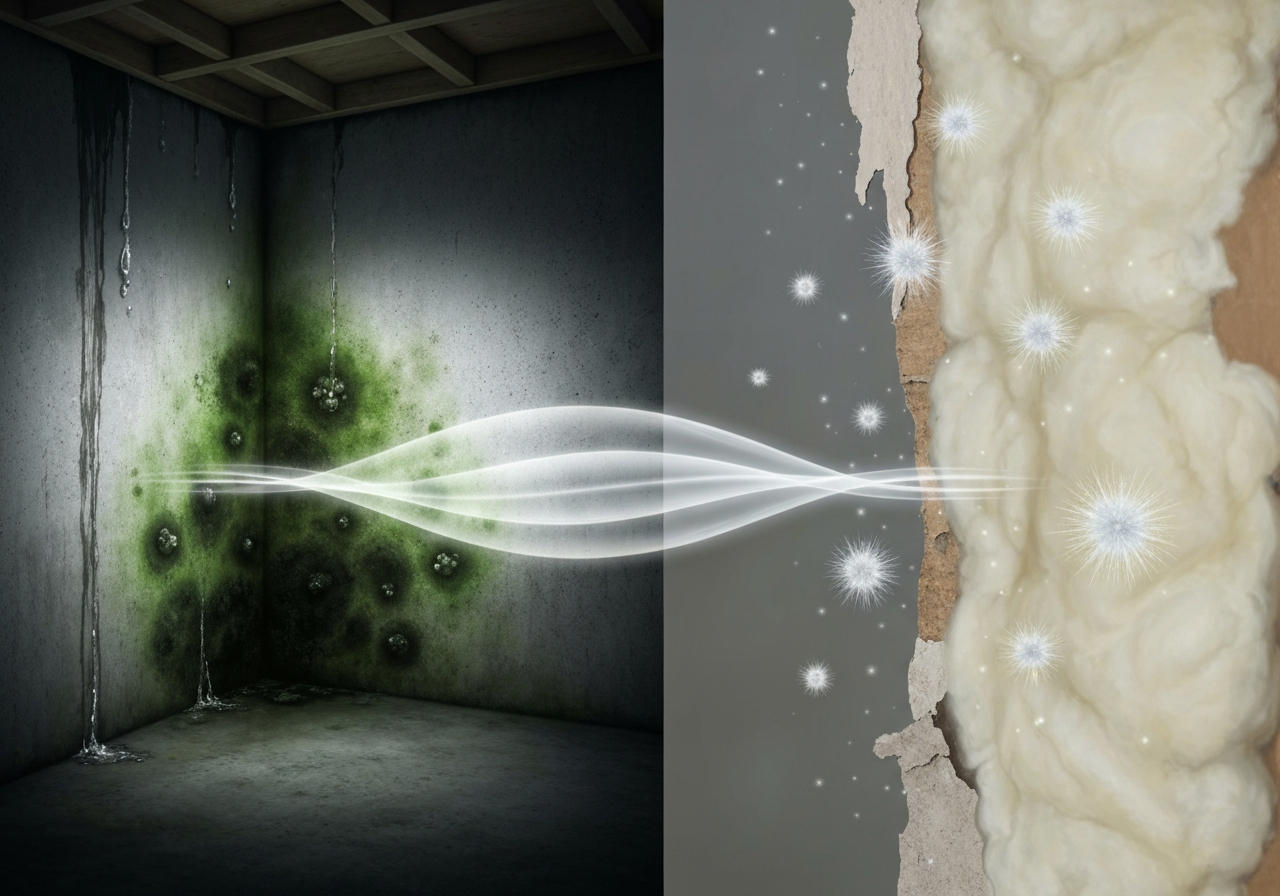
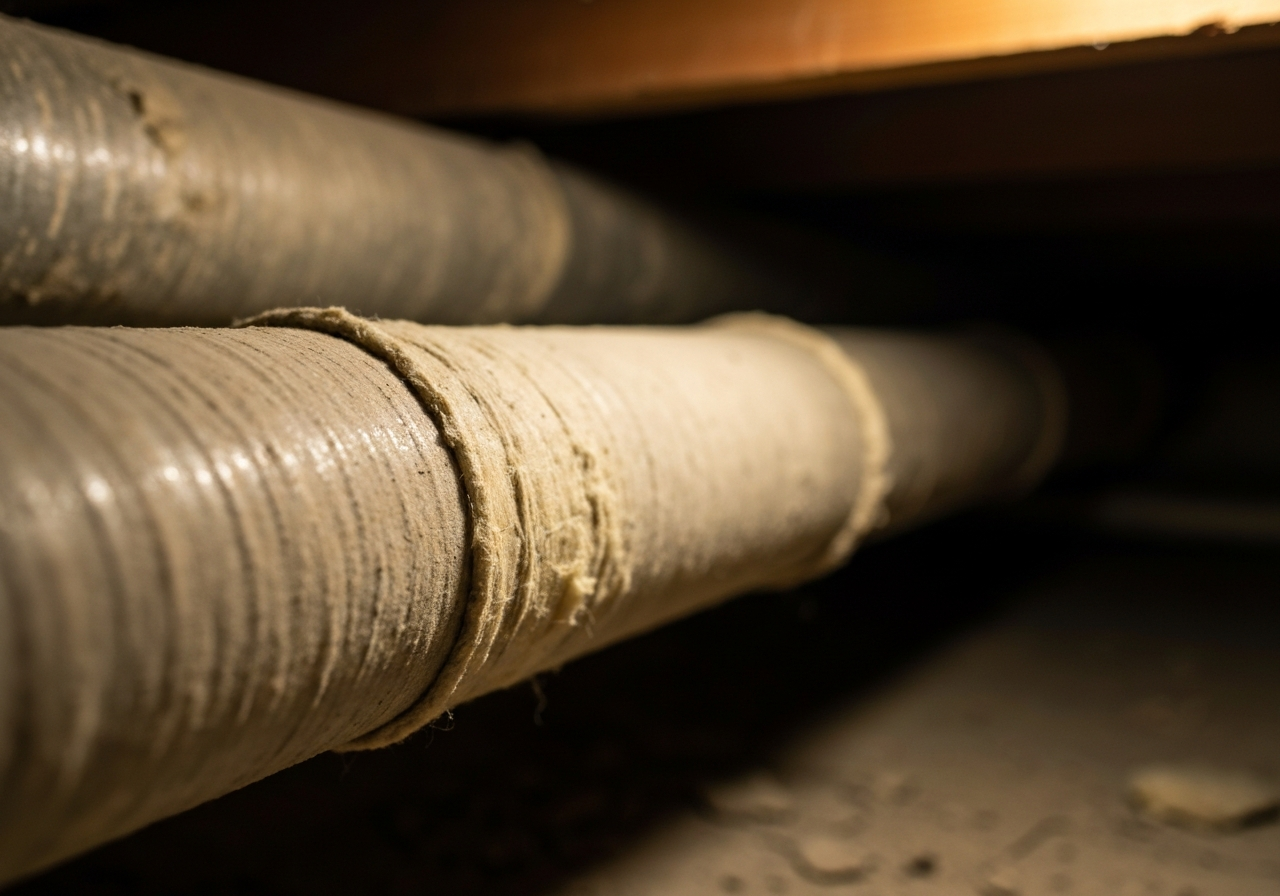
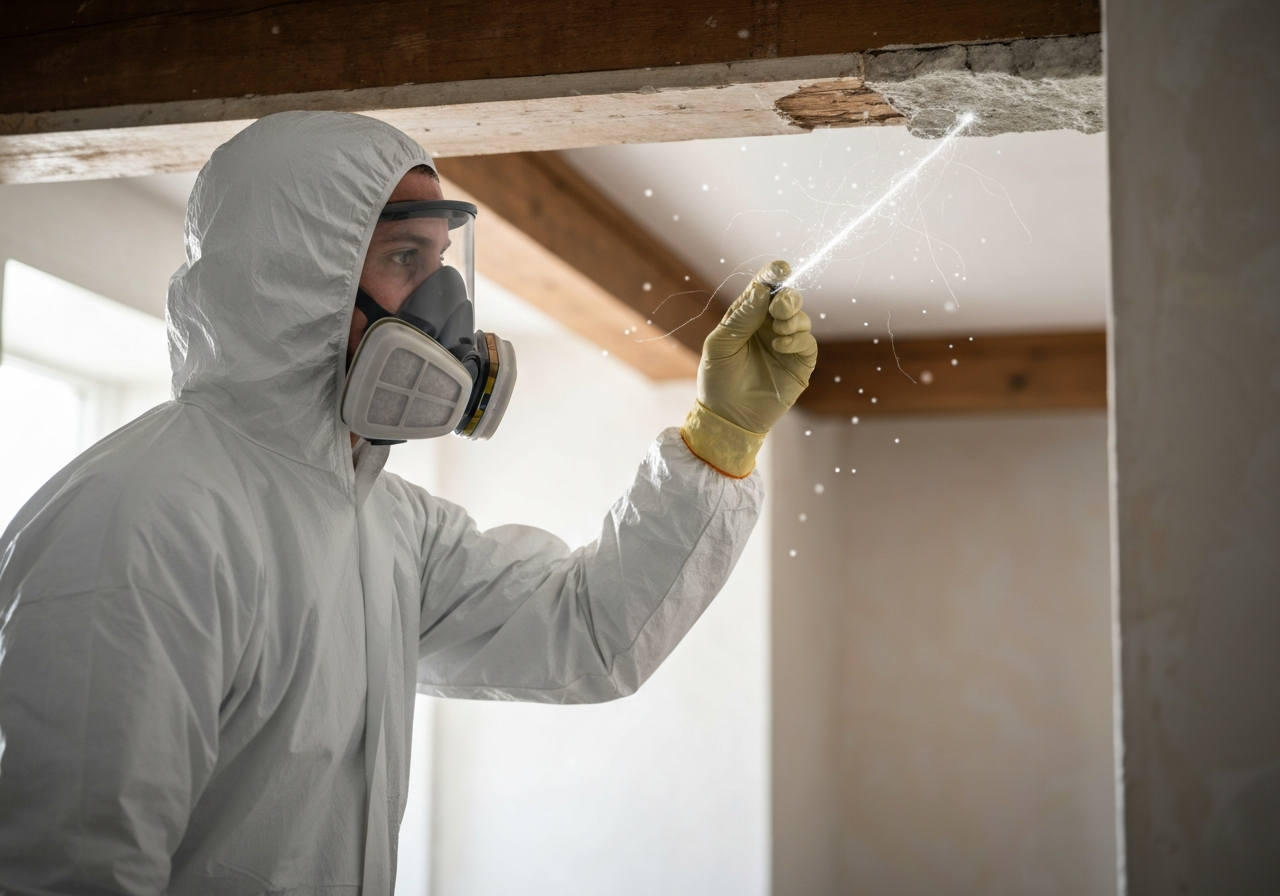
Asbestos, once hailed as a “miracle mineral” for its heat resistance, strength, and insulating properties, was widely incorporated into countless building materials until the late 20th century. While intact asbestos-containing materials (ACMs) generally pose a low risk, their disturbance during renovation, demolition, or even routine maintenance can release microscopic fibers into the air. These fibers, invisible to the naked eye, are the silent threat. Once inhaled, they can become lodged in the lungs, leading to severe and often fatal illnesses with long latency periods.
The allure of DIY asbestos removal often stems from a desire to save costs, but this approach carries significant and often catastrophic consequences. Without the specialized training, equipment, and rigorous protocols of certified professionals, asbestos fibers can easily spread, contaminating entire properties and exposing individuals to undue risk. This improper handling not only jeopardizes health but can also result in substantial legal penalties and increased remediation costs.
What is Air Monitoring During Asbestos Removal Projects?
Air monitoring during asbestos removal projects is the systematic collection and analysis of air samples to measure the concentration of airborne asbestos fibers. It serves several critical purposes throughout the abatement process:
- Baseline Assessment: Establishing pre-abatement fiber levels.
- Worker Protection: Ensuring that asbestos workers are not exposed to fiber concentrations exceeding permissible exposure limits (PELs).
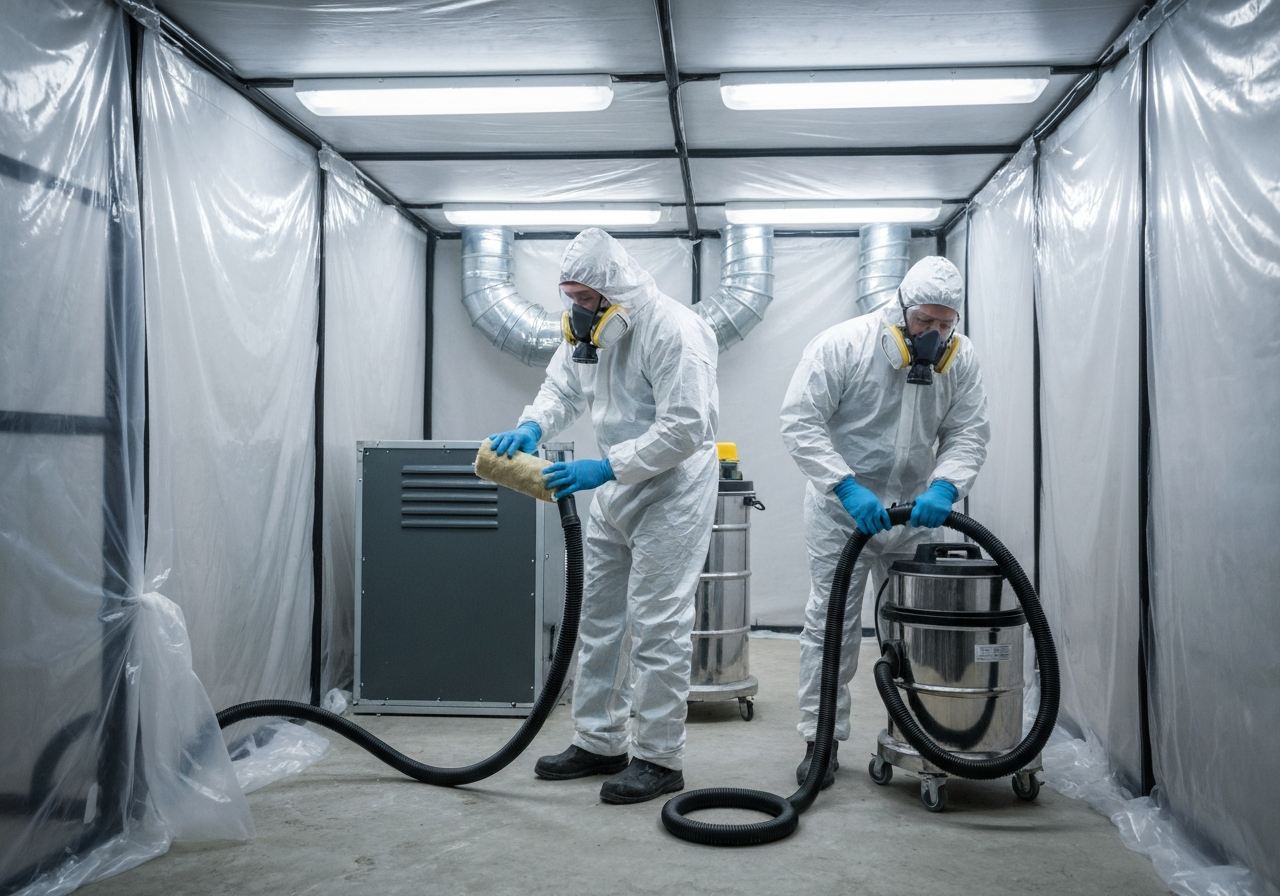
- Containment Verification: Confirming that containment barriers are effective in preventing fiber release into adjacent areas.
- Clearance Testing: Verifying that an area is safe for re-occupancy after the removal and cleaning are complete.
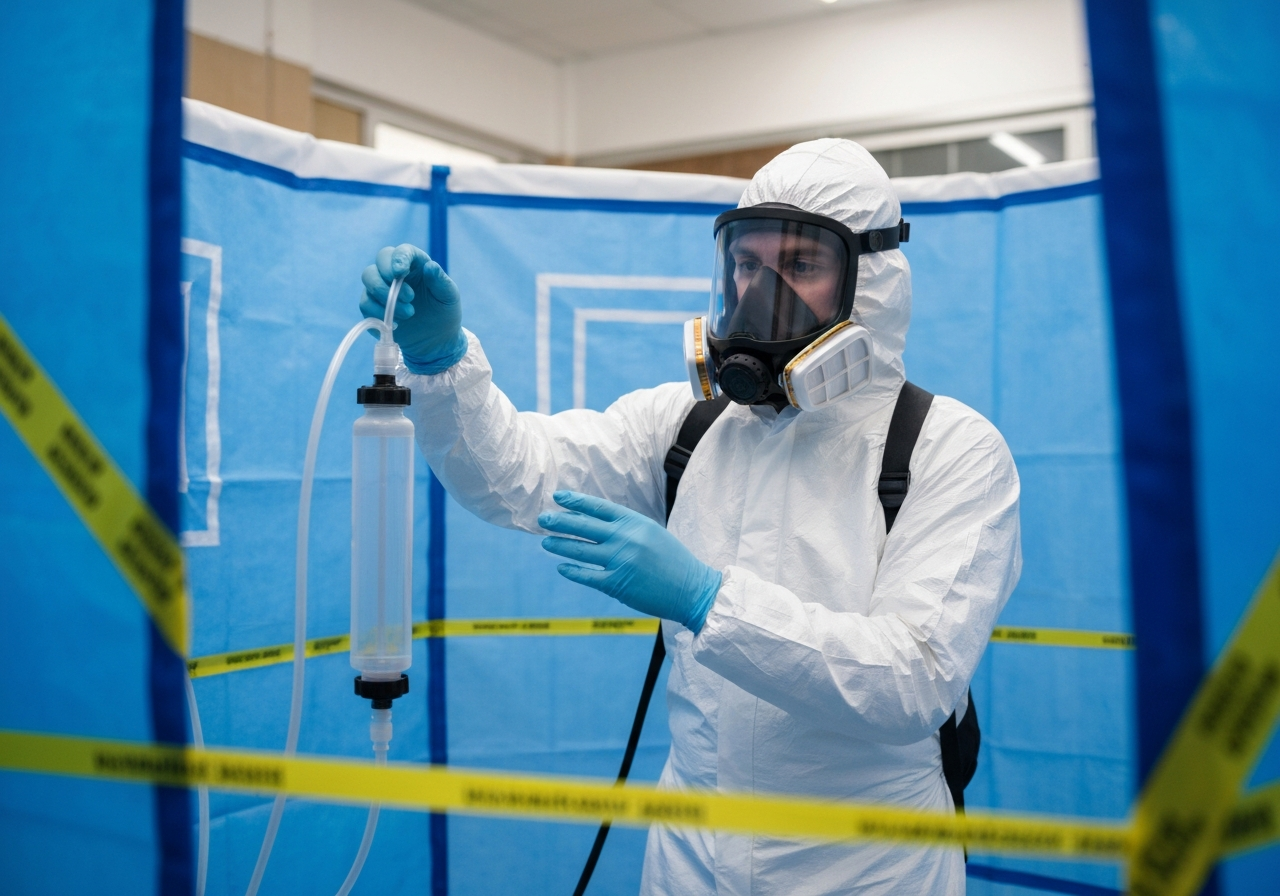
This process typically involves specialized equipment, such as air pumps that draw air through filters, which are then analyzed in a laboratory. The results provide quantitative data on airborne asbestos levels, guiding decision-making and ensuring compliance with strict safety regulations.
The Science of Safety: How Air Monitoring Works During Abatement
The operational aspects of air monitoring are a testament to the scientific rigor required in asbestos abatement. It involves various types of air sampling, each with a specific objective:
- Background Air Monitoring: Conducted before any abatement begins, this establishes the baseline fiber levels in the ambient environment. This is crucial for comparison with levels recorded during and after the project to ensure no significant release has occurred.
- Perimeter Air Monitoring: Performed around the asbestos work area, particularly for projects requiring negative pressure enclosures. This type of monitoring ensures that asbestos fibers are not escaping the containment zone and migrating into adjacent occupied areas. Results should be available promptly to allow for immediate corrective action if a breach is detected.
- Employee Exposure Monitoring: This involves personal air sampling in the breathing zone of workers. Its primary goal is to determine individual exposure levels and confirm the effectiveness of personal protective equipment (PPE), like respirators. This is a crucial aspect of worker safety, ensuring compliance with OSHA permissible exposure limits (PEL) of 0.1 fibers per cubic centimeter (f/cc) for an 8-hour time-weighted average and 1.0 f/cc for a 30-minute excursion limit. The Virginia Tech Environmental Health & Safety department provides detailed information on these monitoring requirements, including sampling rates and analysis methods like NIOSH Method 7400.
- Control Monitoring: Also known as static or positional monitoring, this measures fiber levels in fixed locations within or near the work area to assess the effectiveness of control measures in real-time.
Understanding these distinct types of monitoring is essential for a comprehensive safety strategy.
Protecting Our Professionals: Safeguarding Workers On-Site
Asbestos removal is inherently dangerous, and the safety of the professionals performing this critical work is paramount. Air monitoring plays a direct role in safeguarding workers by providing real-time and post-shift data on their potential exposure. When personal air samples are collected from a worker’s breathing zone, the analysis helps to confirm that their respiratory protection is adequate and that work practices are effectively minimizing fiber release.
Beyond monitoring, strict adherence to safety protocols is essential, including:
- Proper training and certification for all asbestos workers and supervisors.
- Use of appropriate personal protective equipment (PPE), including HEPA-filtered respirators and disposable coveralls.
- Establishing regulated work areas with clear demarcation and restricted access.
- Implementing wet methods during removal to suppress airborne fibers.
- Ensuring proper decontamination procedures for personnel and equipment before leaving the work zone.
By integrating robust air monitoring with comprehensive safety training and equipment, companies like Piedmont Quality Air prioritize the health and well-being of their dedicated abatement teams.
Beyond the Work Zone: Verifying Containment and Preventing Community Exposure
The responsibility of an asbestos abatement team extends far beyond the immediate work area. Preventing the escape of asbestos fibers into adjacent occupied spaces or the outdoor environment is a critical objective. Perimeter air monitoring is specifically designed for this purpose. By continuously sampling the air outside the containment, professionals can detect any potential breaches in the enclosure before they become significant hazards. This rapid detection allows for immediate action to reinforce containment or adjust work practices.
Moreover, effective containment strategies, combined with meticulous air monitoring, are essential in reassuring the community that their health is not at risk. The EPA emphasizes that supplemental air monitoring can provide useful information when conducted alongside visual inspections, serving as an “early warning” system for potential fiber releases. This proactive approach minimizes disruption and fosters trust between abatement professionals and the public.
The All-Clear: The Critical Role of Post-Remediation Clearance Testing
After all asbestos-containing materials have been removed and the work area thoroughly cleaned, the final step before re-occupancy is clearance air monitoring. This is perhaps the most crucial form of air monitoring, as it provides definitive proof that the environment is safe. The process involves aggressive air sampling, often using leaf blowers or fans to disturb settled dust and simulate typical indoor activities, thereby ensuring that any remaining fibers are detected. Samples are then analyzed, typically using Phase Contrast Microscopy (PCM) or Transmission Electron Microscopy (TEM), to confirm that airborne fiber concentrations are below established regulatory clearance criteria.
In many regions, for instance, the clearance criteria for PCM is 0.01 fibers per cubic centimeter (f/cc), or 70 structures per square millimeter (s/mm2) for TEM analysis. Minnesota’s Department of Health outlines these specific clearance requirements, including the number of samples needed and aggressive sampling techniques. Only after these rigorous tests confirm the air is clear can an area be safely returned to normal use. This step provides peace of mind and is a non-negotiable part of responsible asbestos abatement.
Building Trust: The Unbiased Assurance of Third-Party Air Monitoring
While asbestos abatement contractors are responsible for ensuring safe work practices, engaging an independent third-party for air monitoring adds an invaluable layer of trustworthiness and impartiality. A licensed asbestos assessor or industrial hygienist, who is not directly affiliated with the removal contractor, provides an unbiased assessment of air quality. This separation of duties minimizes potential conflicts of interest and ensures that all monitoring results are accurate and credible. Their independent verification builds confidence among property owners, occupants, and regulatory bodies that the asbestos removal project has been completed safely and effectively. This practice is strongly recommended, and often mandated, for friable asbestos removal, ensuring that the clearance certificate issued is based on objective data.
Navigating North Carolina Regulations: Compliance and Exceeding Standards
North Carolina has specific and rigorous regulations governing asbestos removal to protect public health and the environment. These regulations, enforced by agencies such as the North Carolina Department of Health and Human Services (NCDHHS), dictate everything from licensing requirements for professionals to specific work practices and disposal protocols. Companies like Piedmont Quality Air are not only well-versed in these state-specific guidelines but also strive to exceed them, applying best practices to ensure every project adheres to the highest safety standards.
This includes comprehensive Air Monitoring During Asbestos Removal Projects that aligns with federal and state mandates. For homeowners and businesses, understanding North Carolina’s asbestos rules, regulations, and ordinances is crucial. Professional services ensure that all notification requirements are met, proper containment is established, and clearance testing provides a verified safe environment. For more information on navigating these complexities, consider reading our guide on North Carolina Asbestos Storm Damage Cleanup.
Choosing the Right Partner: What to Look for in an Asbestos Removal Company
Given the severe health risks and regulatory complexities associated with asbestos, selecting a qualified and reputable asbestos removal company is paramount. Property owners should look for partners who demonstrate a clear commitment to safety, transparency, and compliance. Key attributes include:
- Licensing and Certification: Verify that the company and its technicians hold all necessary state and federal licenses and certifications for asbestos inspection and abatement.
- Experience: Choose a company with a proven track record of successful asbestos removal projects, demonstrating expertise in handling various types of asbestos-containing materials. Piedmont Quality Air, for example, has over a decade of experience in the region.
- Comprehensive Services: The company should offer a full suite of services, including initial inspection, abatement, air monitoring, and proper disposal, ensuring a seamless and compliant process. Our teams also handle asbestos abatement in Charlotte, Concord, and Hickory, NC.
- Adherence to Regulations: Ensure they are intimately familiar with and strictly adhere to all federal, state, and local asbestos regulations.
- Insurance and Bonding: Confirm they carry adequate insurance and are bonded to protect you from liability.
- Transparent Communication: A professional company will clearly explain the process, potential risks, timelines, and costs involved.
- References and Testimonials: Reputable companies will readily provide references from satisfied clients, showcasing their commitment to quality work and customer satisfaction. You can view our testimonials here.
Choosing the right partner means prioritizing safety and expertise, ensuring your asbestos concerns are handled with the utmost care and professionalism.
Your Safety, Our Priority: Contact Piedmont Quality Air for a Free Estimate
At Piedmont Quality Air, we understand the critical importance of safety and compliance in every asbestos removal project. Our experienced and highly trained professionals are dedicated to providing thorough, safe, and efficient asbestos abatement services, backed by rigorous air monitoring protocols. We utilize specialized equipment and adhere strictly to all federal and state regulations for hazardous material removal, ensuring your property is safe and healthy. For a free estimate and to discuss your asbestos concerns, please do not hesitate to contact Piedmont Quality Air today. We are committed to protecting your living and working environments across North Carolina and South Carolina.
Concerned about asbestos in your property? Ensure absolute safety with professional air monitoring and removal. Contact Piedmont Quality Air today for a free estimate.