Is Your Charlotte, NC Property Safe? Understanding Asbestos Risks
For many property owners in Charlotte, NC, the question of asbestos safety is a critical concern. Asbestos, a naturally occurring fibrous mineral, was once widely celebrated for its remarkable resistance to heat, fire, and corrosion. These desirable properties led to its widespread use in over 3,000 building materials until the mid-1980s. This means that numerous older homes and commercial properties across Charlotte, NC, may still harbor this silent threat.
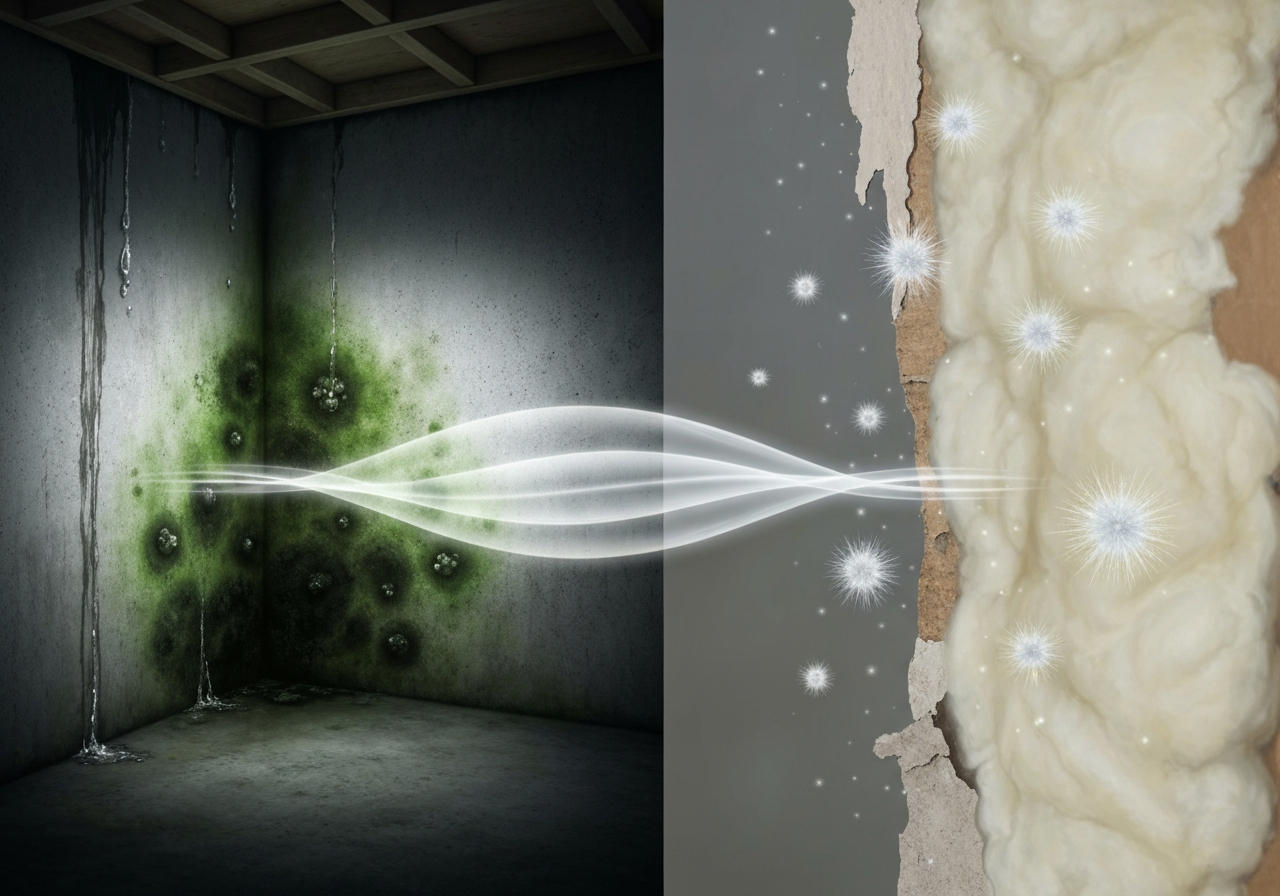
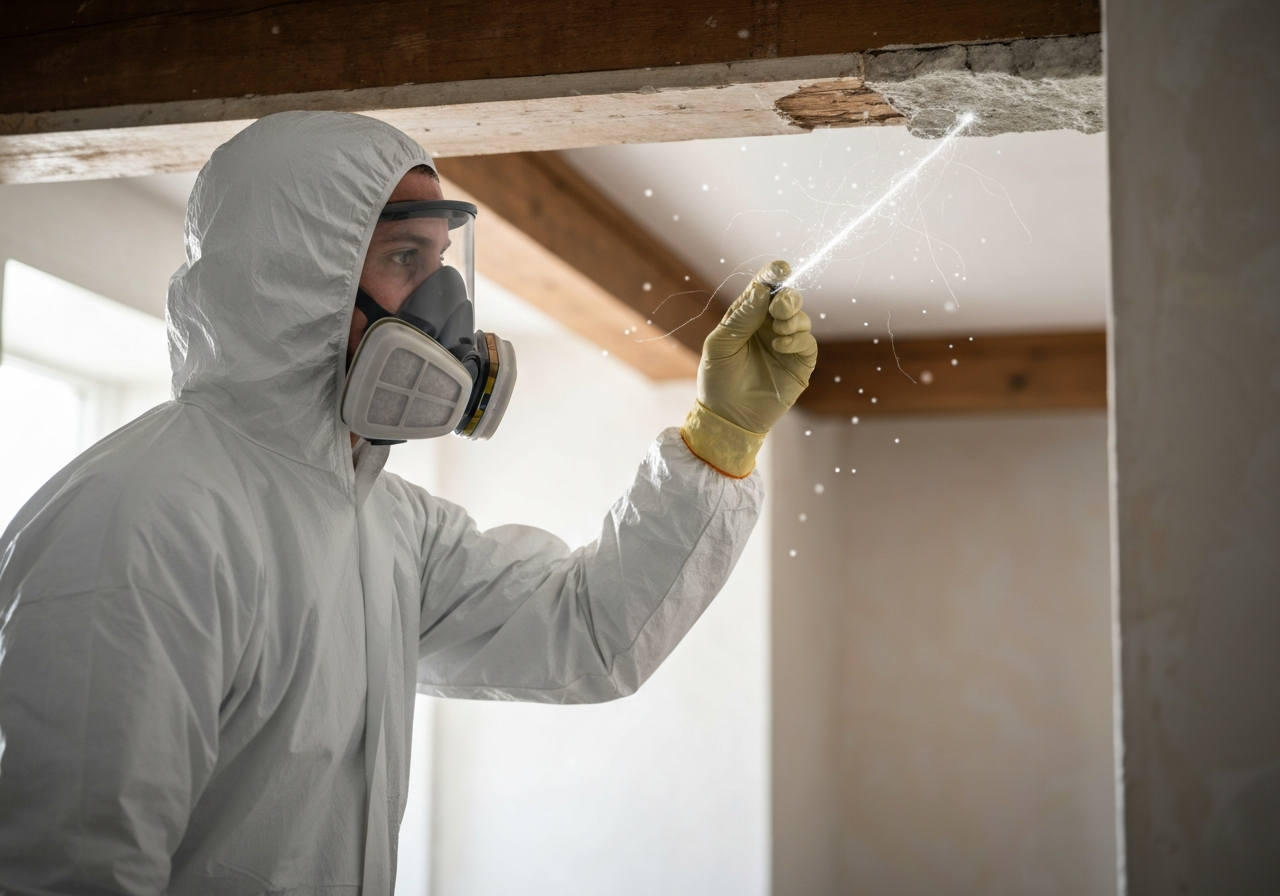
When asbestos-containing materials are disturbed, microscopic fibers can be released into the air. These fibers, if inhaled or ingested, pose severe health risks, often manifesting years, even decades, after exposure. Understanding where asbestos might be present in your property is the first step toward ensuring a safe environment. Common materials that historically contained asbestos include:
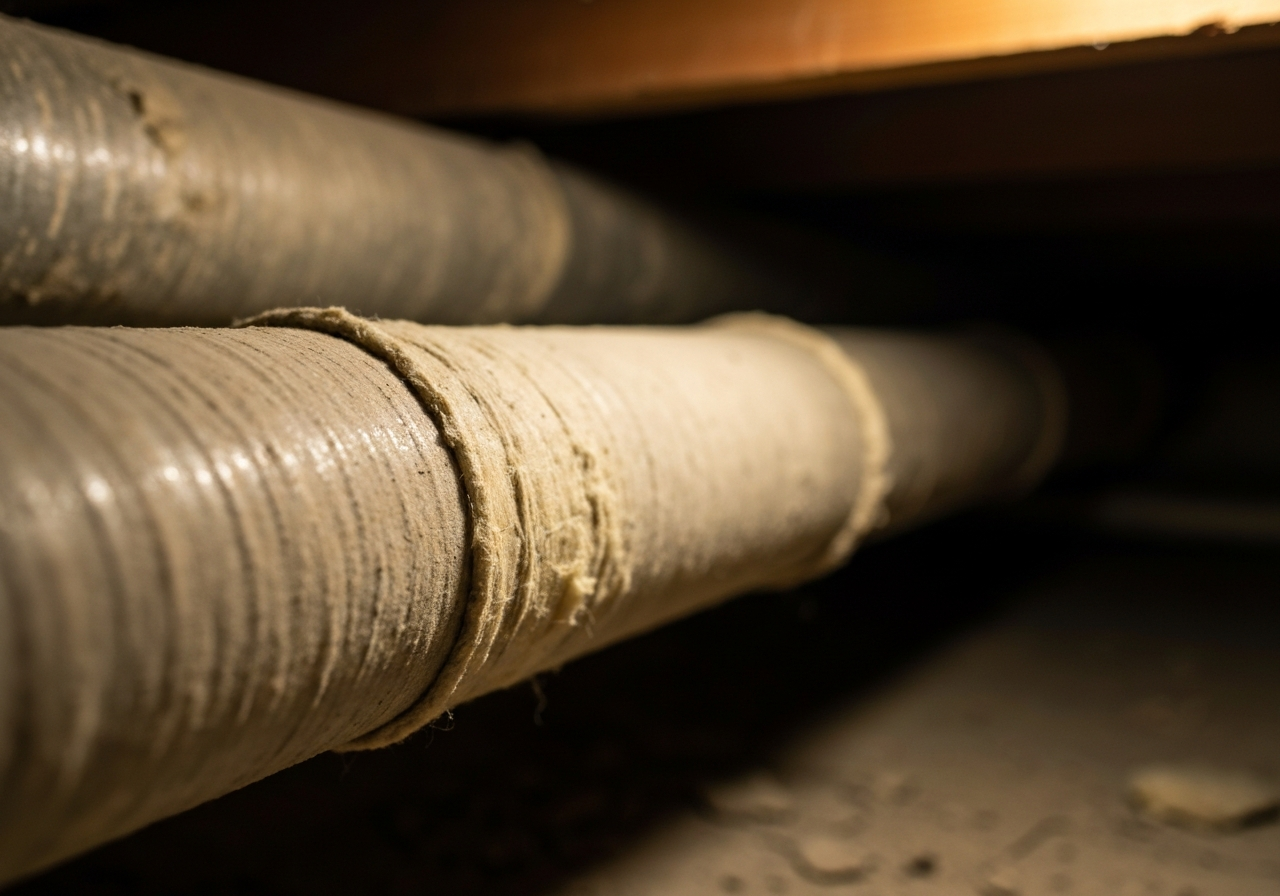
- Insulation (attic, pipe, boiler)
- Roofing shingles and siding
- Vinyl floor tiles and sheeting, along with their adhesives
- Popcorn ceilings and ceiling tiles
- Drywall and joint compounds
- Furnace ducts and old metal duct systems with white asbestos tape
If your property was constructed before the 1980s, a professional asbestos inspection is highly recommended before any renovation or demolition to determine if asbestos-containing materials (ACMs) are present.
The Hidden Threat: Health Risks and Regulations Around Asbestos in NC
The health consequences of asbestos exposure are severe and often irreversible. Prolonged inhalation of asbestos fibers can lead to debilitating conditions, including asbestosis (a chronic lung disease), lung cancer, and mesothelioma, an aggressive form of cancer affecting the lining of the lungs, abdomen, or heart. These diseases underscore the critical importance of proper asbestos management.
North Carolina has established stringent regulations to protect its residents from these dangers, aligning with federal mandates. Key regulatory bodies and their roles include:
- North Carolina Department of Health and Human Services (NCDHHS) Health Hazards Control Unit (HHCU): This unit administers the N.C. Asbestos Hazard Management Program Rules, which include requirements for asbestos removal permits, accreditation for professionals, and comprehensive work practices to prevent fiber release.
- North Carolina Department of Labor (NCDOL): The NCDOL’s Occupational Safety and Health (OSH) Division enforces workplace safety standards, including permissible exposure limits (PEL) for asbestos and mandates for personal protective equipment (PPE) and specialized training for workers handling asbestos.
- U.S. Environmental Protection Agency (EPA) NESHAP: The National Emission Standards for Hazardous Air Pollutants (NESHAP) govern asbestos emissions during demolition and renovation activities, focusing on airborne fiber control.
- Local Ordinances: Counties like Mecklenburg often have their own Asbestos NESHAP programs with specific notification periods and fees, supplementing state and federal requirements. For instance, in Mecklenburg County, notification is required 10 working days prior to demolition or renovation involving regulated quantities of asbestos.
Compliance is not just a legal obligation; it is a fundamental commitment to public health and safety. The long-term consequences of exposure make strict adherence to these regulations an absolute necessity.
The Expert Process for Asbestos Removal in Charlotte, NC
Given the severe health risks and complex regulatory landscape, asbestos removal in Charlotte, NC, should always be handled by certified professionals. The process is meticulous and requires specialized equipment and rigorous protocols to ensure safe and effective remediation. Key steps in the expert asbestos removal process include:
- Initial Inspection and Testing: A qualified professional conducts a thorough inspection to identify suspected ACMs. Samples are then collected and sent to an accredited laboratory for definitive testing.
- Notification and Permitting: Based on the test results and the scope of the project, the necessary notifications are submitted to the NCDHHS HHCU and any applicable local agencies, and permits are secured. This often requires a 10-working-day notice period.
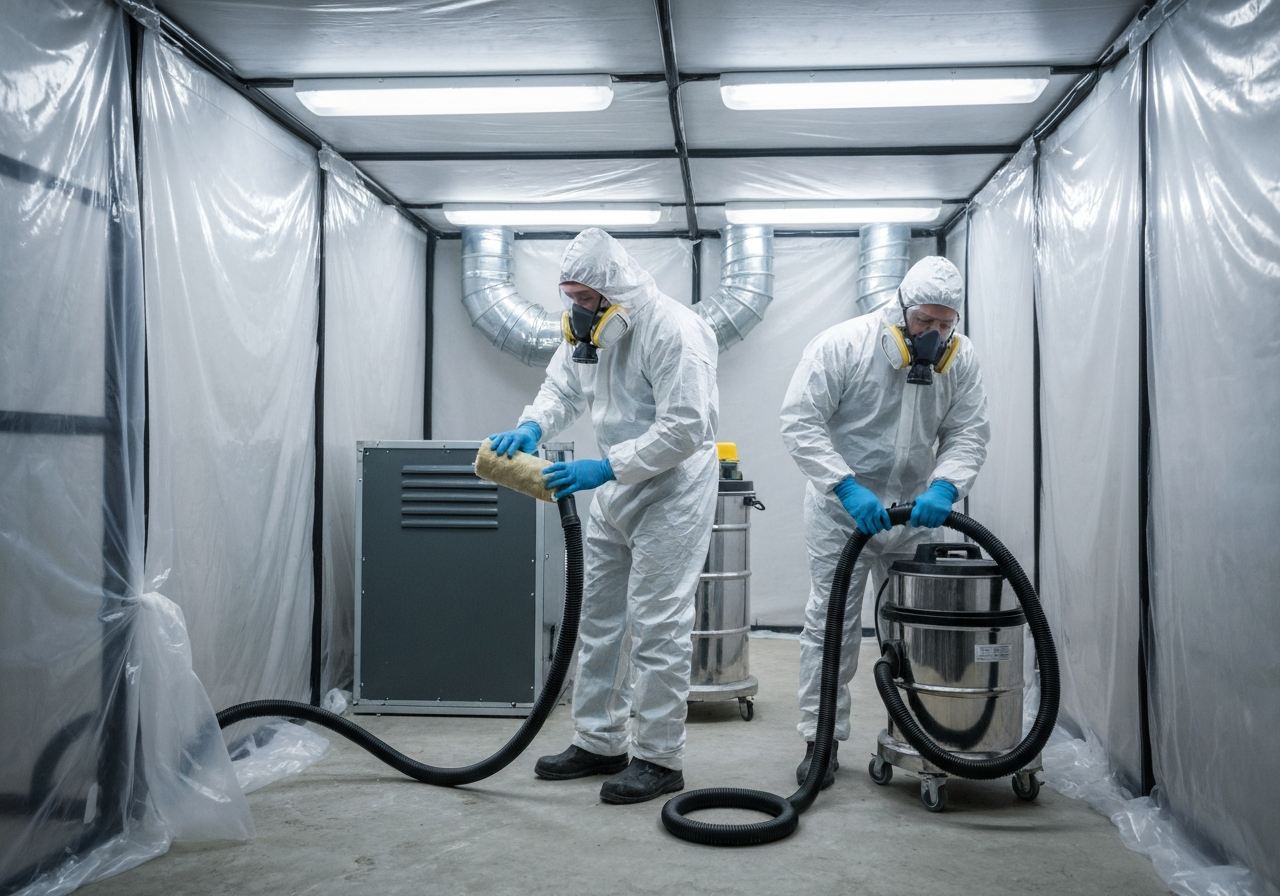
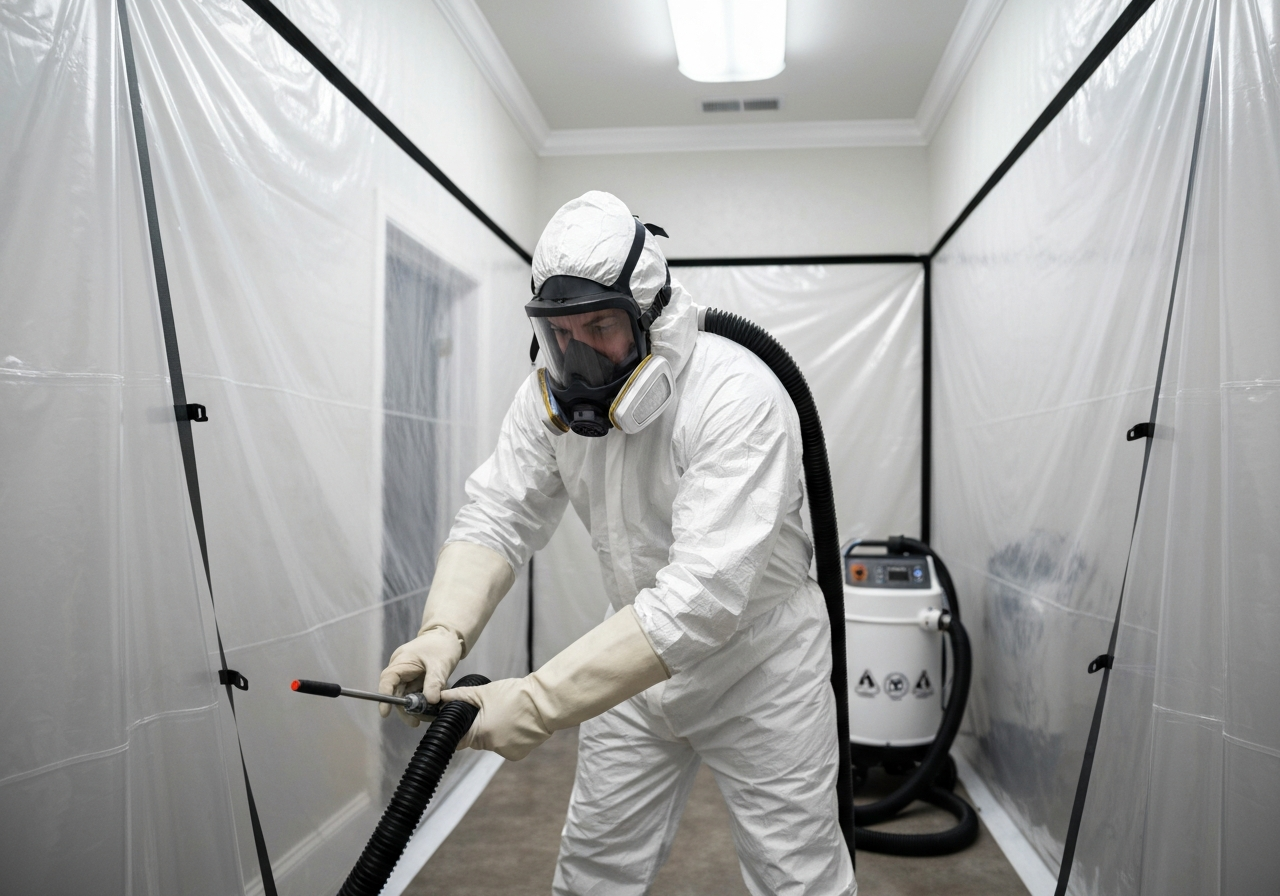
- Containment: The affected area is meticulously sealed off using plastic sheeting and negative air pressure systems. This prevents asbestos fibers from escaping into unaffected areas of the property during removal.
- Worker Protection: Trained and certified asbestos abatement specialists wear extensive personal protective equipment (PPE), including respirators, disposable gloves, and coveralls, to protect themselves from exposure.
- Asbestos Abatement: Employing specialized techniques such as wet removal (to minimize airborne fibers) and HEPA-filtered vacuums, the ACMs are carefully removed. HVAC systems are typically shut down and sealed to prevent contamination.
- Thorough Cleanup and Decontamination: After removal, the work area undergoes a comprehensive cleaning process using HEPA-filtered vacuums and wet wiping.
- Air Clearance Testing: An independent third-party industrial hygienist performs air sampling to confirm that airborne asbestos fiber levels are below regulatory limits, ensuring the area is safe for re-occupancy.
- Proper Disposal: All asbestos waste is securely packaged in labeled bags, sealed, and transported to a licensed landfill authorized to accept hazardous materials, adhering strictly to state and federal disposal guidelines.
Attempting DIY asbestos removal can significantly exacerbate the problem, releasing dangerous fibers and exposing occupants to serious health risks and potential legal penalties.
Why Piedmont Quality Air is Charlotte’s Leading Asbestos Remediation Specialist
When it comes to something as critical as asbestos removal, expertise, experience, and unwavering adherence to safety protocols are non-negotiable. Piedmont Quality Air stands as Charlotte’s leading asbestos remediation specialist, committed to providing peace of mind through comprehensive and compliant services.
Our team comprises highly trained, certified, licensed, and insured professionals with over 10 years of experience in safely and effectively handling asbestos. We possess an in-depth understanding of all N.C. Asbestos Rules, Regulations & Ordinances, as well as federal EPA and OSHA standards. This regulatory expertise ensures that every project, from initial inspection to final disposal, is conducted with the utmost precision and legality. As our philosophy dictates, “The most convincing evidence for credibility in asbestos management is a perfect safety record achieved through unwavering adherence to established protocols and regulations. It’s not just about what you do, but how meticulously you do it, ensuring every fiber is contained.”
Piedmont Quality Air utilizes advanced equipment and employs rigorous safety protocols, including meticulous containment strategies, negative air pressure systems, and thorough post-abatement cleaning and air clearance testing. Our commitment extends to minimizing disruption during projects, even in occupied spaces, ensuring the health and safety of both our team and your property’s occupants.
Beyond Asbestos: Your Full-Service Partner for Property Safety in Charlotte
At Piedmont Quality Air, our expertise extends beyond just asbestos. We understand that comprehensive property safety often involves addressing a spectrum of environmental hazards. That’s why we pride ourselves on being a full-service partner for property owners in Charlotte, offering a holistic approach to maintaining healthy and safe indoor environments.
Our additional services are designed to complement asbestos remediation, ensuring all potential threats to your property are professionally managed:
- Mold Removal: Mold thrives in the humid climate of North Carolina, posing significant health risks and compromising structural integrity. Our experts provide thorough mold inspection and remediation services, addressing both visible mold and its underlying moisture sources.
- Interior Demolition: Whether you’re preparing for a renovation or repurposing a commercial space, our professional interior demolition services are executed with precision and efficiency. We specialize in controlled demolition, ensuring that hazardous materials are identified and removed safely before any structural work begins.
- Hazardous Material Removal: Beyond asbestos, older properties can harbor other hazardous materials like lead-based paint. Our team is equipped and trained to identify and safely remove various contaminants, ensuring your property is cleared for healthy occupancy or subsequent construction.
By offering these integrated services, Piedmont Quality Air provides a streamlined and trustworthy solution for all your environmental remediation needs, eliminating the need to coordinate with multiple contractors.
Protect Your Investment: Get a Free Asbestos Removal Estimate in Charlotte
Your property is a significant investment, and its safety directly impacts its value and the well-being of everyone within it. Ignoring potential asbestos hazards can lead to costly repairs, significant health issues, and considerable liability down the line. Proactive and professional asbestos removal is a crucial step in protecting both your financial assets and human health.
If you suspect asbestos in your Charlotte, NC, property, or if you are planning any renovation or demolition work in an older structure, do not delay. Piedmont Quality Air is here to help you navigate these challenges with expertise and care. We offer free, no-obligation estimates for asbestos removal and our other environmental remediation services.
Let our certified professionals assess your property, provide transparent recommendations, and deliver a safe, compliant, and efficient solution. Safeguard your investment and ensure a healthier future by choosing Piedmont Quality Air as your trusted partner for Asbestos Removal in Charlotte, NC.
Concerned about asbestos in your Charlotte, NC property? Contact Piedmont Quality Air today for a free, no-obligation estimate and ensure a safe environment.