Understanding Asbestos: A Silent Threat in North Carolina Properties
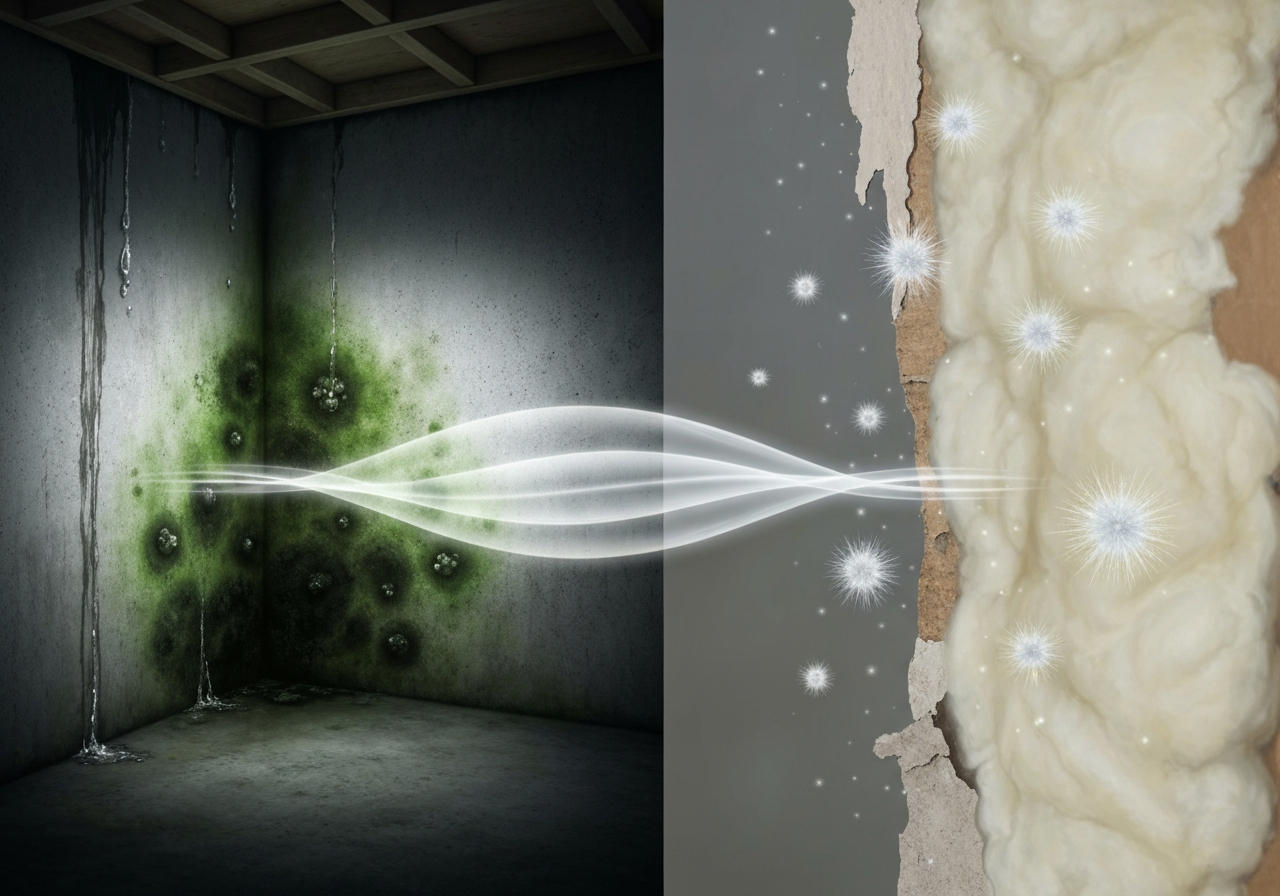
Asbestos, a naturally occurring group of fibrous minerals, once held widespread appeal in construction throughout North Carolina due to its exceptional resistance to heat, fire, and corrosion. Utilized in over 3,000 different building materials until the late 20th century, its presence remains a silent threat in many older properties. When these microscopic fibers become airborne and are inhaled, they pose severe and often fatal health risks. Beyond manufactured products, North Carolina also contends with naturally occurring asbestos (NOA), particularly in the western regions, where disturbance of soil and ultramafic rock formations can release hazardous fibers. Understanding the pervasive nature of asbestos is the first crucial step in effective asbestos hazard management in North Carolina. Its silent presence necessitates vigilance, especially in structures built before 1980, making proper identification and management critical for public safety and environmental protection.
The Critical Health Risks Associated with Asbestos Exposure
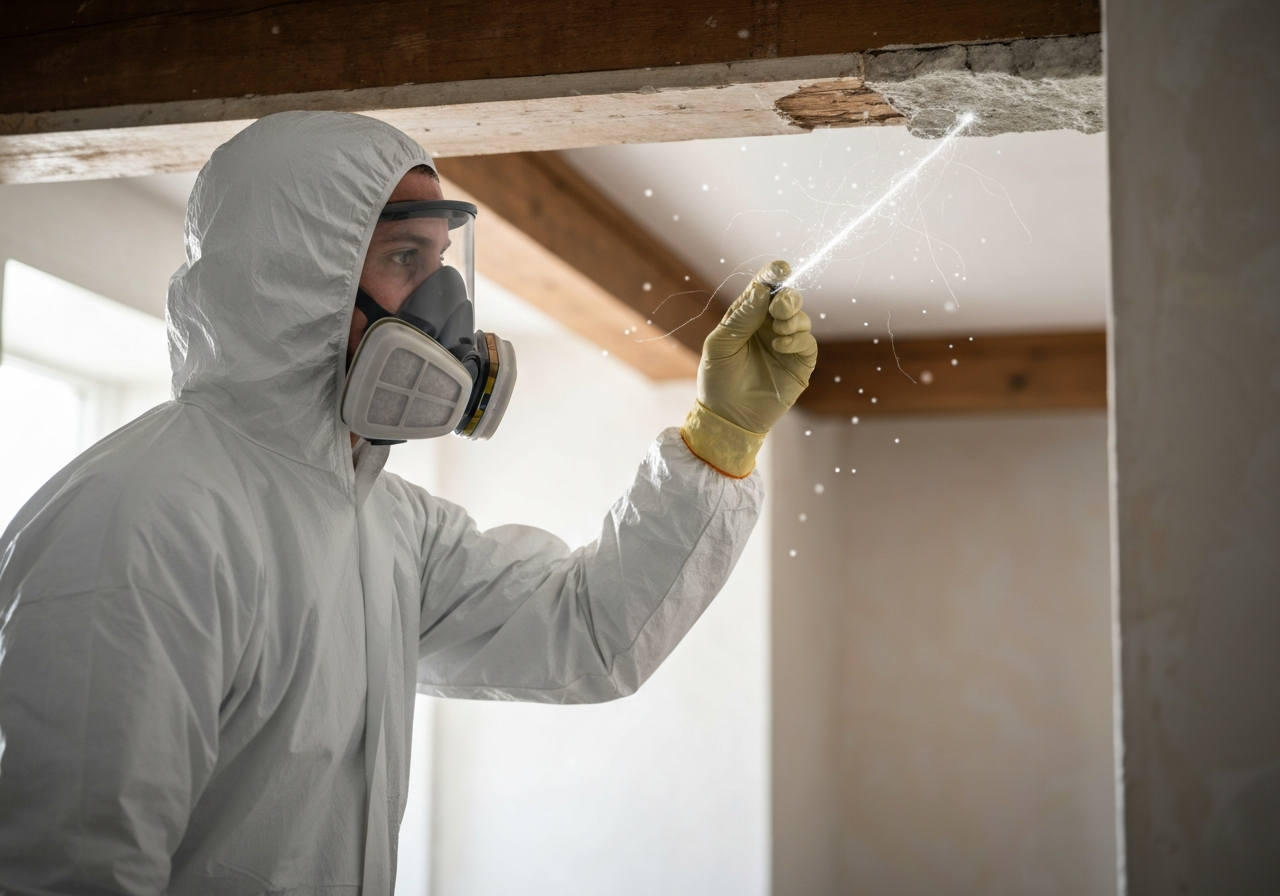
Exposure to asbestos fibers carries profound and long-lasting health consequences, making strict adherence to safety protocols imperative. There is no universally agreed-upon safe level of asbestos exposure; even minimal inhalation can contribute to serious illnesses. These debilitating conditions often manifest years, or even decades, after initial exposure, highlighting the insidious nature of the hazard. The primary health risks include:
- Asbestosis: A chronic lung disease characterized by inflammation and scarring of lung tissue, leading to severe breathing difficulties.
- Lung Cancer: Asbestos exposure significantly increases the risk of developing lung cancer, particularly for individuals with a history of smoking.
- Mesothelioma: A rare and aggressive cancer that primarily affects the lining of the lungs (pleura), abdomen (peritoneum), or heart (pericardium). This cancer is almost exclusively linked to asbestos exposure.
These health hazards underscore why proper worker protection and environmental controls are mandated by federal and state regulations. Preventing airborne fiber release is paramount to safeguarding both workers and the general public from these severe health outcomes.
Identifying Potential Asbestos-Containing Materials in Your NC Home or Business
Pinpointing asbestos-containing materials (ACMs) in your North Carolina property is a vital aspect of effective asbestos hazard management. Many common building products used extensively before the 1980s contain asbestos. It’s important to remember that undisturbed, intact ACMs generally pose a low risk. The danger arises when these materials are damaged or disturbed, releasing fibers into the air. Key areas and materials to suspect include:
- Roofing and Siding: Asbestos-cement shingles and siding panels were popular for their durability.
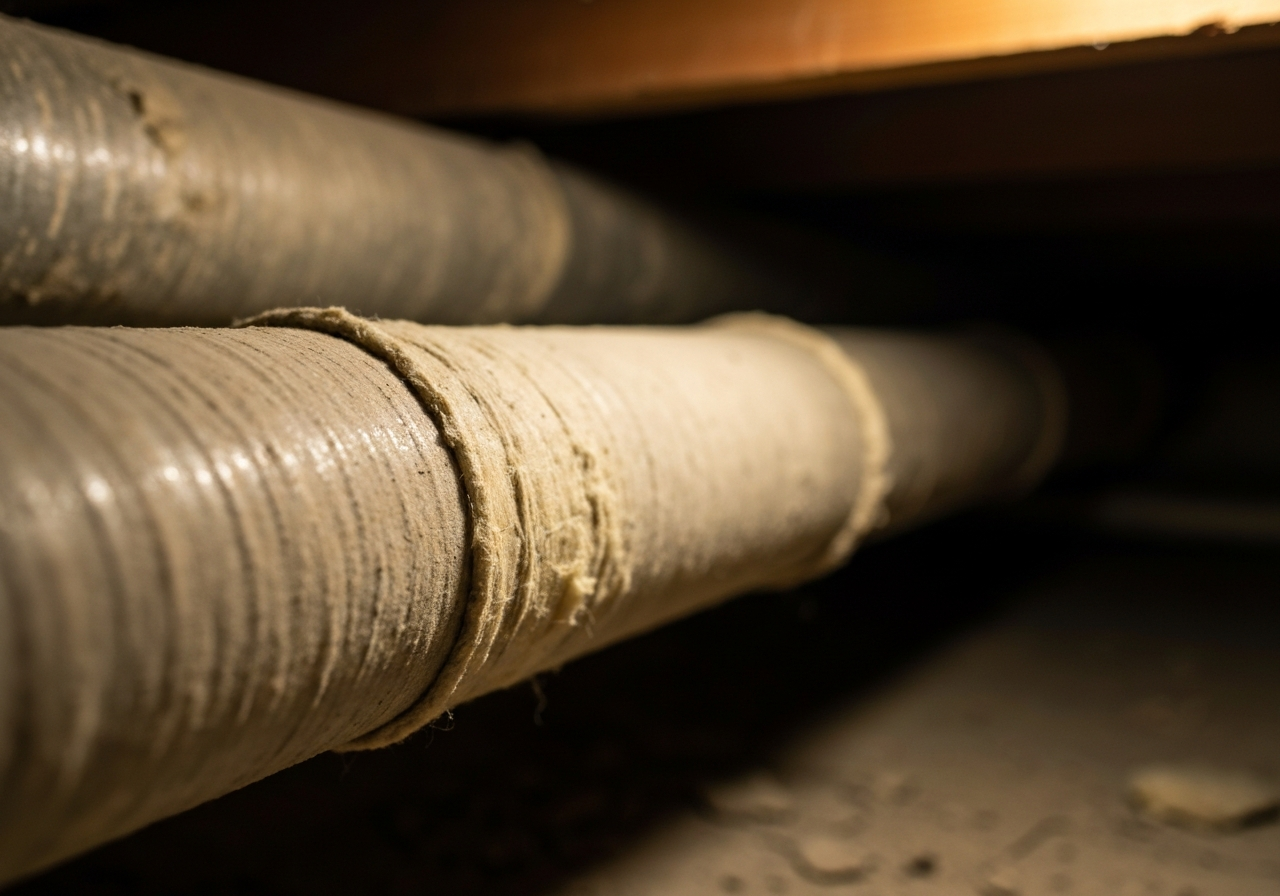
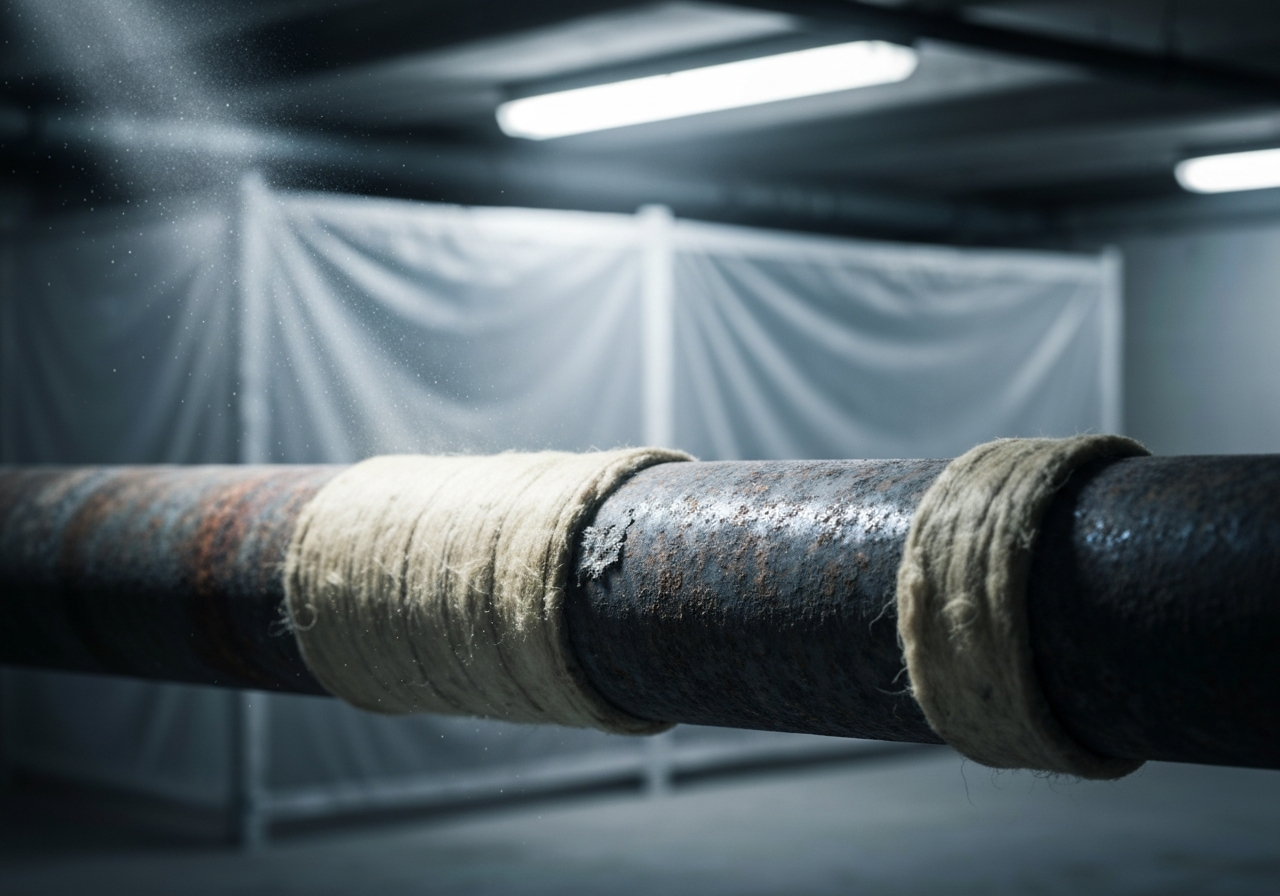
- Insulation: This includes attic insulation (like vermiculite), pipe wrap, boiler insulation, and loose-fill insulation.
- Flooring: Vinyl floor tiles, linoleum, and the mastics or adhesives used in their installation frequently contain asbestos.
- Ceiling Materials: Textured “popcorn” ceilings, ceiling tiles, and the joint compound used in drywall construction are common sources.
- Thermal System Insulation (TSI): Materials around pipes, ducts, and boilers.
Activities such as renovations, demolitions, drilling, cutting, or even minor repairs can easily disturb these materials. If you plan any work that might impact suspected ACMs, it is crucial to arrange for professional inspection and testing to confirm the presence of asbestos before proceeding.
Navigating North Carolina’s Strict Asbestos Regulations and Compliance
Effective asbestos hazard management in North Carolina is governed by a comprehensive framework of federal, state, and local regulations designed to protect public health and the environment. These rules dictate everything from initial inspections to final disposal, and non-compliance can result in substantial penalties. The North Carolina Department of Health and Human Services (NCDHHS) and the North Carolina Department of Labor (NCDOL) are key state agencies responsible for enforcing these mandates.
Key regulatory aspects include:
- Inspection Requirements: Before renovation or demolition, especially for commercial and public buildings, and in some residential scenarios, a licensed asbestos inspector must assess for ACMs.
- Notification Procedures: Specific state and federal agencies must be notified within strict timeframes before any asbestos abatement or demolition activities commence. The NCDHHS’s Health Hazards Control Unit (HHCU) issues permits and handles these notifications.
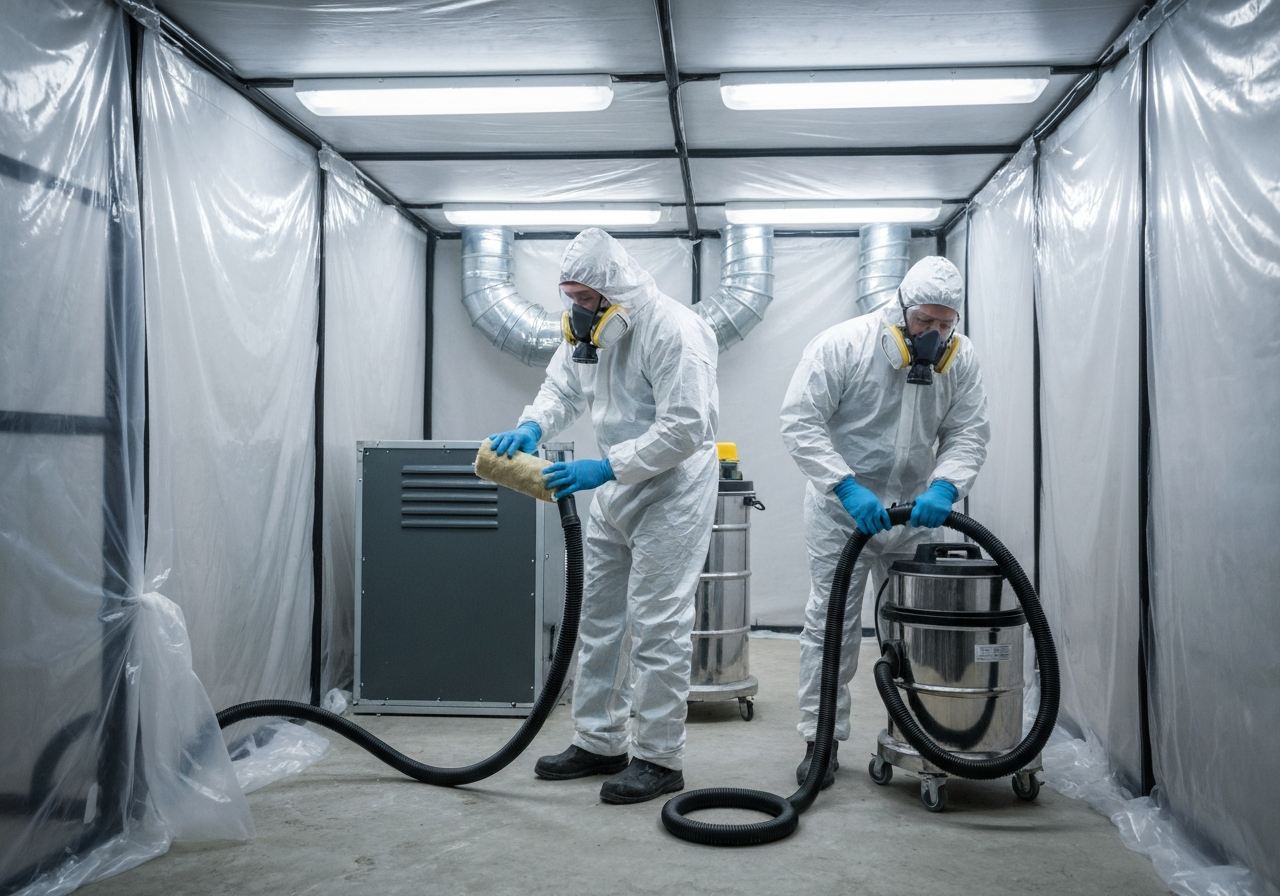
- Work Practices: Rigorous protocols are mandated to minimize fiber release during removal, repair, or disturbance of ACMs. This often involves wetting materials, using HEPA-filtered vacuums, and establishing critical containment barriers.
- Disposal: Asbestos waste must be meticulously packaged, labeled, transported, and disposed of at specially approved landfills.
North Carolina’s regulations frequently incorporate or exceed federal standards, such as those from the EPA’s National Emission Standards for Hazardous Air Pollutants (NESHAP) and OSHA workplace safety requirements. Furthermore, some local jurisdictions, including Buncombe, Forsyth, and Mecklenburg counties, enforce their own county-specific asbestos regulations. Property owners and contractors must diligently check for all applicable local requirements. Adherence to these rules is not merely legal obligation but a critical safeguard against severe health risks and potential legal repercussions.
Piedmont Quality Air’s Approach to Asbestos Hazard Management in North Carolina
Navigating the complex realm of asbestos hazard management in North Carolina demands specialized expertise and an unwavering commitment to safety and compliance. Piedmont Quality Air stands as a trusted partner, offering comprehensive solutions tailored to the unique regulatory landscape of the state. Our approach is built on a foundation of extensive experience, rigorous training, and adherence to the highest industry standards.
Our team comprises certified and licensed asbestos professionals who are intimately familiar with federal, state, and local regulations governing asbestos. From the initial inspection and meticulous sample collection to advanced abatement techniques and secure disposal, every step is executed with precision. We utilize state-of-the-art equipment, including HEPA-filtered negative air machines and specialized containment systems, to ensure that asbestos fibers are completely isolated and removed without compromising indoor air quality or occupant safety.
Piedmont Quality Air provides a full spectrum of asbestos removal and abatement services for both residential and commercial properties. We prioritize transparent communication, keeping clients informed at every stage of the project, and offering peace of mind through our proven track record of successful and compliant asbestos management.
Beyond DIY: Why Professional Asbestos Abatement is Essential for Safety
The temptation to undertake asbestos removal as a do-it-yourself (DIY) project might arise due to perceived cost savings. However, when it comes to asbestos hazard management in North Carolina, attempting DIY abatement is a perilous endeavor with severe consequences. Asbestos fibers are invisible to the naked eye, and disturbing them without proper training, equipment, and protocols can lead to widespread contamination of your property and irreversible health damage to yourself and others. The most convincing evidence for credibility in asbestos management is a perfect safety record achieved through unwavering adherence to established protocols and regulations. It’s not just about what you do, but how meticulously you do it, ensuring every fiber is contained.
Professional asbestos abatement specialists possess the necessary certifications, extensive training, and specialized equipment to safely and effectively manage ACMs. They understand the intricacies of containment, negative air pressure, worker protection, and legal disposal requirements. For instance, in the aftermath of severe weather, North Carolina asbestos storm damage cleanup particularly highlights the need for experts, as damaged materials are highly prone to releasing dangerous fibers. Trusting professionals not only ensures the safety of everyone involved but also guarantees compliance with strict regulations, protecting you from significant fines and legal liabilities.
Selecting a Qualified Asbestos Removal Company in North Carolina
Choosing the right professional for asbestos hazard management in North Carolina is a critical decision that directly impacts safety, compliance, and your peace of mind. Not all contractors are equipped or certified to handle asbestos. When seeking a qualified asbestos removal company, consider the following essential criteria:
- State Accreditation: Verify that the company and its personnel are fully accredited by the North Carolina Department of Health and Human Services (NCDHHS) for asbestos inspection, project design, supervision, and abatement. You can search for accredited professionals through the NCDHHS website.
- Experience and Track Record: Look for a company with a proven history of successful asbestos projects, particularly those similar to your needs (e.g., residential, commercial, demolition).
- Comprehensive Services: A reputable company should offer end-to-end solutions, from initial inspection and testing to abatement, post-abatement clearance air monitoring, and proper waste disposal.
- Adherence to Safety Protocols: Ensure the contractor strictly follows all federal, state, and local safety protocols, including detailed containment procedures, use of personal protective equipment (PPE), and air monitoring during and after the project.
- Insurance and Bonding: Confirm that the company carries adequate liability insurance and is bonded to protect you from any unforeseen incidents or damages.
- Transparent Communication and Estimates: A trustworthy professional will provide clear explanations of the process, potential risks, timelines, and a detailed, no-obligation estimate upfront.
By carefully vetting potential contractors, you can ensure that your asbestos concerns are handled by experts who prioritize safety, quality, and regulatory compliance.
Ensure Your Safety and Compliance: Contact Piedmont Quality Air Today
Navigating the complexities of asbestos hazard management in North Carolina demands expert knowledge and meticulous execution. The risks associated with asbestos exposure are too severe to ignore or address without professional assistance. Ensuring the safety of your property, your family, or your employees, while also maintaining full compliance with stringent state and federal regulations, requires a dedicated and experienced partner.
Piedmont Quality Air is committed to providing comprehensive and compliant asbestos management services. Our certified professionals are equipped with the expertise and technology to handle all aspects of asbestos detection, abatement, and disposal safely and efficiently. Protect your health and your investment by choosing a trusted leader in environmental safety.
Don’t compromise on safety or compliance when it comes to asbestos hazard management in North Carolina. Contact Piedmont Quality Air today for expert, comprehensive solutions and peace of mind.