The Strategic Edge: Unlocking Renovation Success with Expert Commercial Interior Demolition
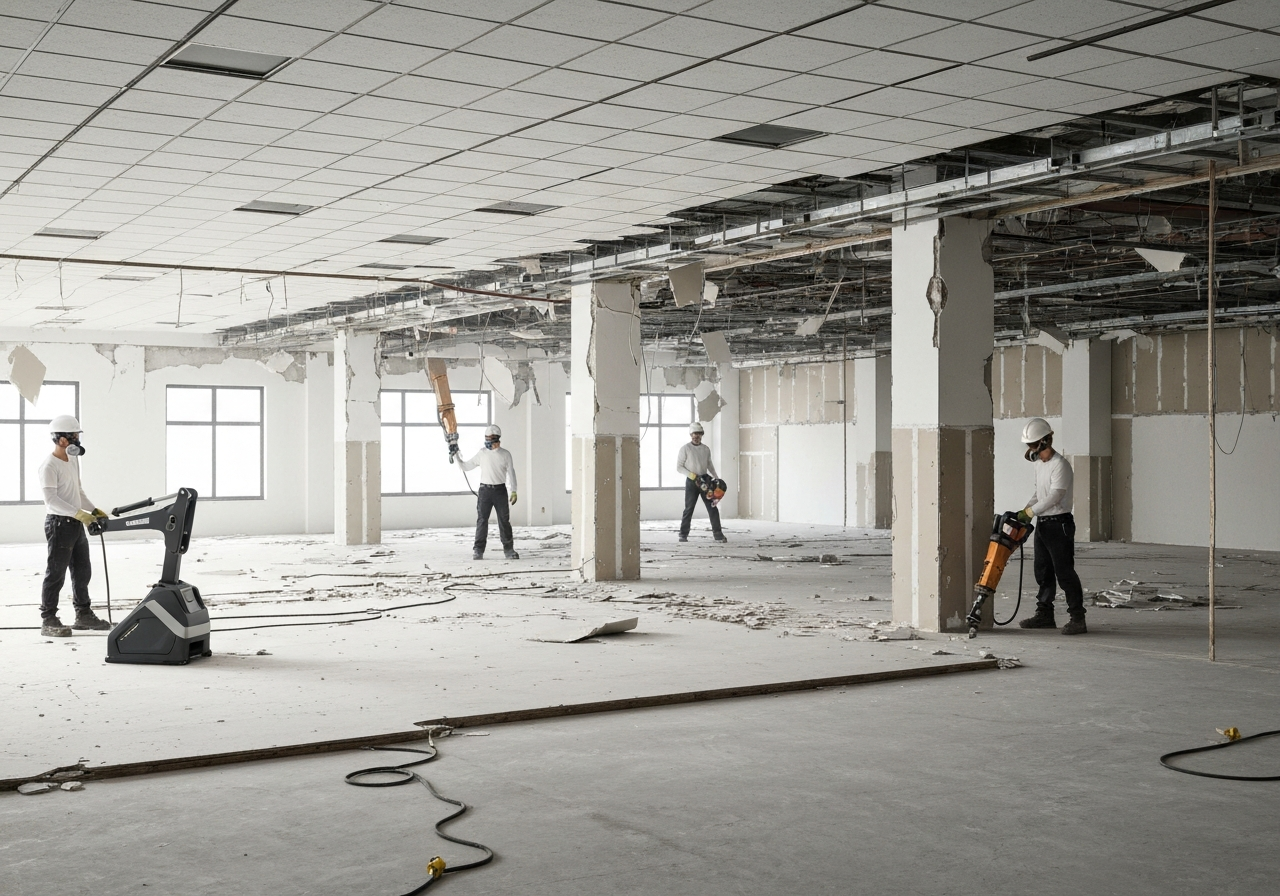
Embarking on a commercial renovation project often requires a foundational step that is frequently underestimated: professional commercial interior demolition. This crucial initial phase involves the careful and strategic removal of non-structural elements within a building, setting the stage for successful modernization, redesign, or repurposing. Far from mere destruction, interior demolition is a precise undertaking that creates a clean slate, allowing architects and contractors to envision and execute new layouts without the constraints of outdated structures. It’s a strategic edge that ensures your renovation begins on a solid, compliant, and efficient foundation.
Beyond the Surface: Why Commercial Interior Demolition is Crucial for Modern Upgrades
Modernizing an existing commercial space goes beyond cosmetic changes; it often demands a complete overhaul of the interior infrastructure. Interior demolition is essential for several reasons, particularly when dealing with older buildings that may harbor hidden challenges. Removing walls, ceilings, flooring, and outdated mechanical, electrical, and plumbing (MEP) components allows for a comprehensive upgrade. This process is crucial for:
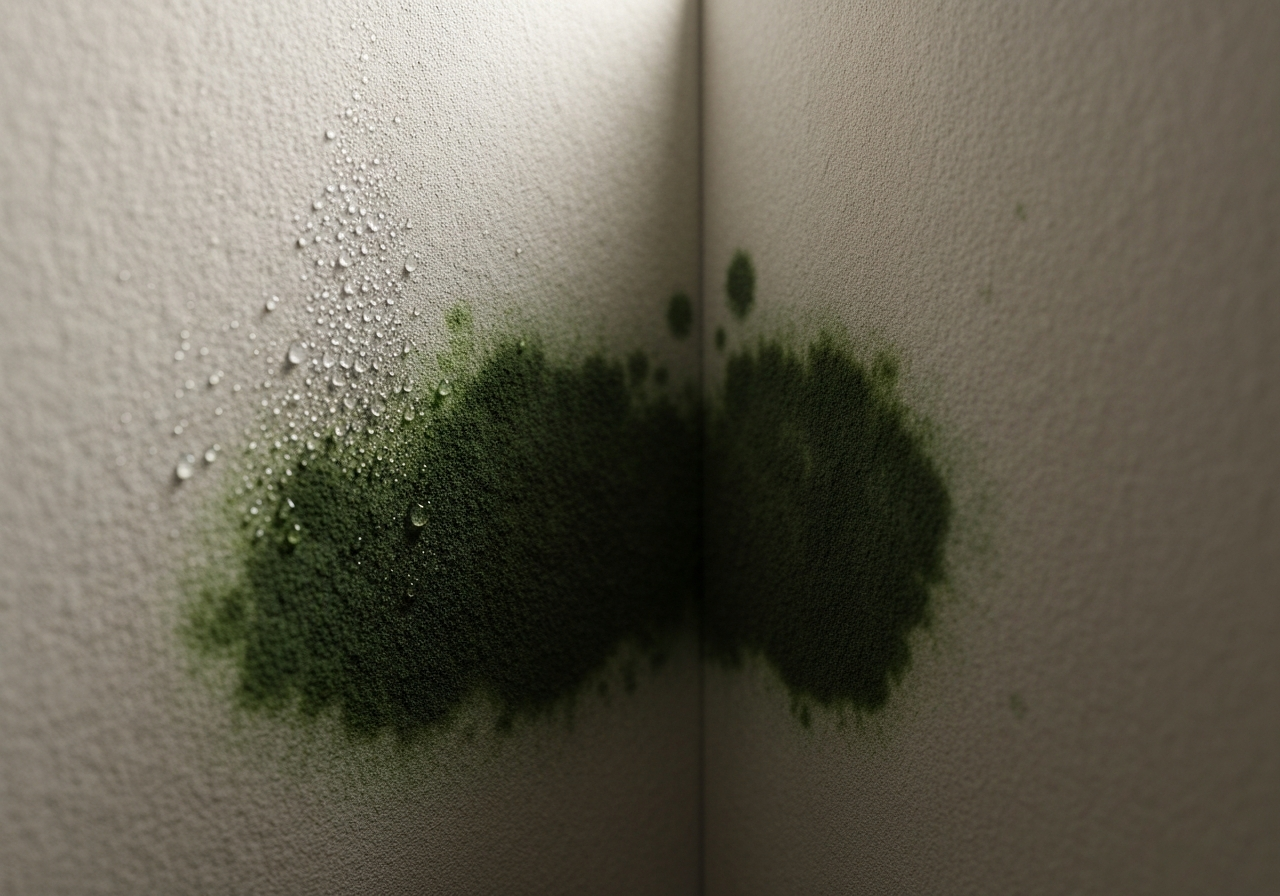
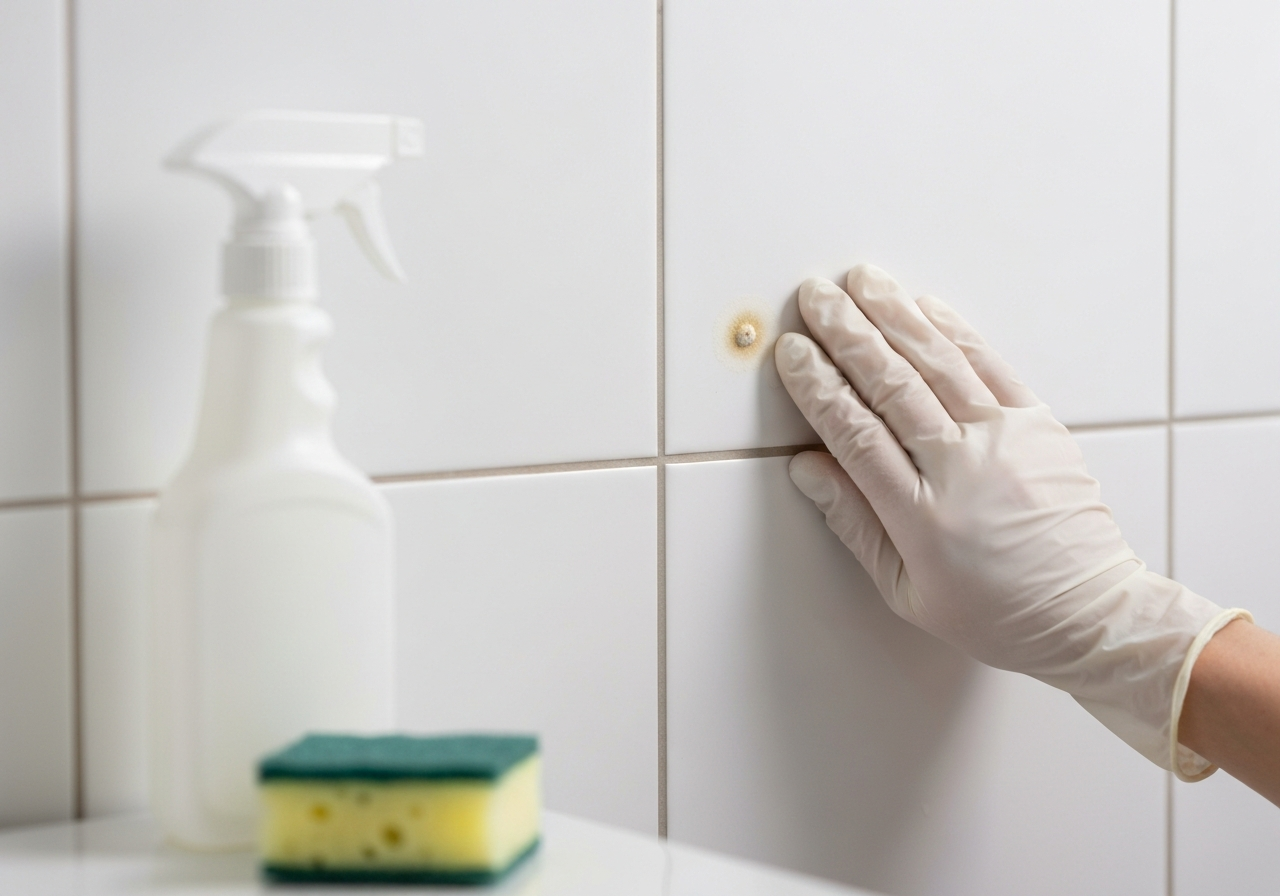
- Identifying and Removing Hazardous Materials: Older commercial properties frequently contain hazardous substances such as lead paint, mold, or asbestos. Professional interior demolition teams are equipped to identify, isolate, and safely remove these materials in compliance with stringent regulations, ensuring a safe environment for future occupants. For instance, navigating SCDES asbestos demolition regulations in South Carolina requires specialized expertise.
- Preparing for Structural Improvements: Clearing interior elements provides unrestricted access for structural reinforcements, new load-bearing walls, or modifications to the building’s core framework.
- Supporting Code-Compliant Renovations: Modern building codes often have higher standards for safety, energy efficiency, and accessibility. Interior demolition allows for the installation of updated insulation, HVAC systems, and new layouts that meet current regulatory requirements.
- Making Adaptive Reuse Possible: Transforming a former warehouse into an office complex or a historic property into a retail space often necessitates a complete interior strip-out to accommodate new functionalities while preserving the building’s exterior integrity.
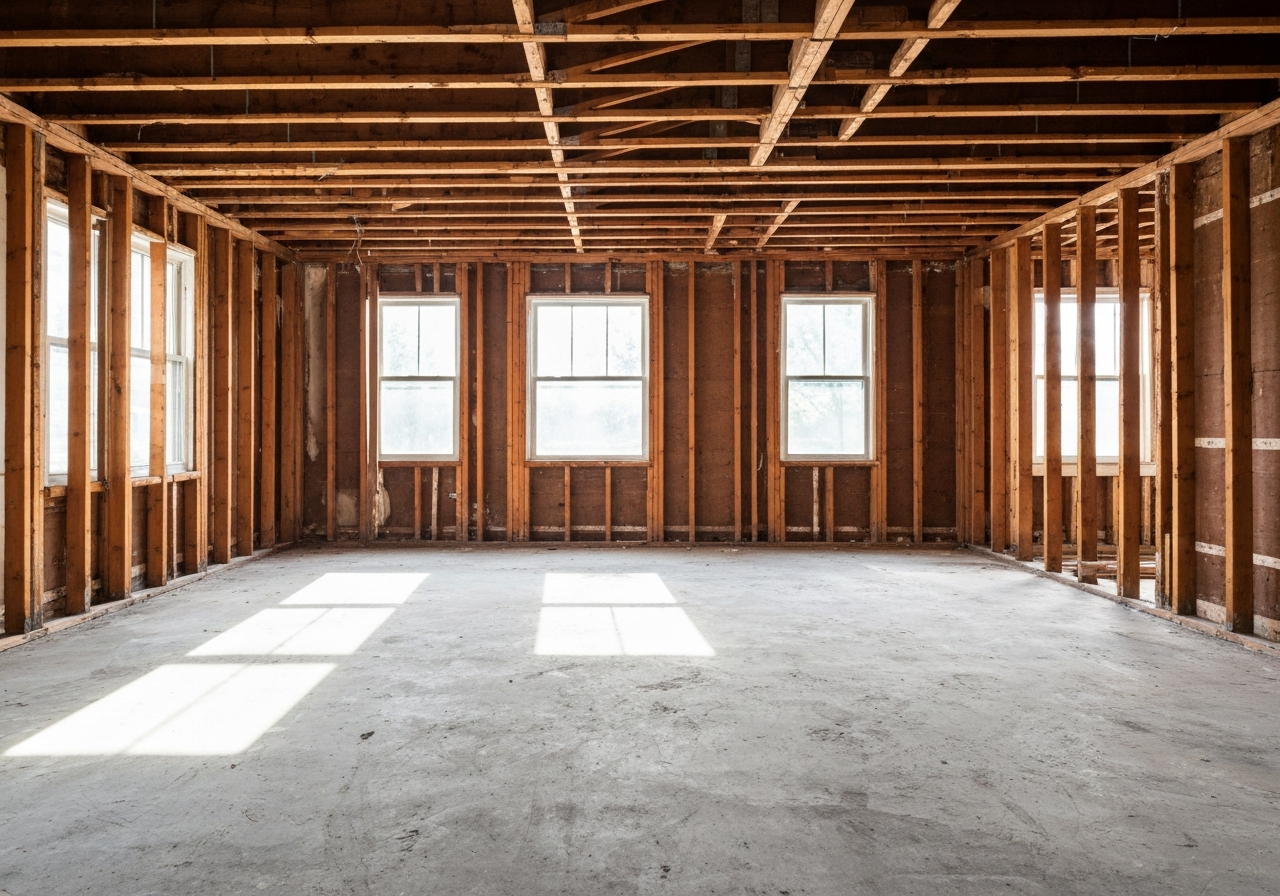
The strategic benefits of this approach are clear: a “blank canvas” not only improves safety and compliance but also enhances functionality and increases property value.
Transforming Spaces: Key Applications of Commercial Interior Demolition
The versatility of commercial interior demolition makes it an indispensable service across a wide range of business sectors. Its applications are as diverse as the businesses themselves, enabling profound transformations:
- Office Space Redesigns: Creating open-plan offices, new conference rooms, or collaborative workspaces from existing cellular layouts.
- Retail Store Renovations: Stripping out old fixtures, walls, and flooring to introduce fresh brand aesthetics and efficient customer flow.
- Healthcare Facility Upgrades: Preparing specialized areas for new medical equipment, patient rooms, or administrative sections while adhering to strict hygiene and safety standards.
- Hospitality Revitalizations: Renovating hotel lobbies, guest rooms, or restaurant spaces to meet modern guest expectations and design trends.
- Industrial and Warehouse Conversions: Clearing interior obstructions to reconfigure production lines, storage areas, or administrative zones.
Each application requires a precise approach, ensuring that only targeted non-structural elements are removed, paving the way for the desired new interior.
Safety First: Navigating Risks and Ensuring Compliance in Commercial Interior Demolition
Safety and regulatory compliance are paramount in any commercial interior demolition project. Demolition work inherently carries risks, and unknown factors within a structure can make it particularly dangerous. Organizations like OSHA (Occupational Safety and Health Administration) have specific standards, such as 29 CFR Part 1926 – Construction Standards, Subpart T – Demolition, that apply to these operations. A critical preparatory step, often the most frequently cited standard, is the completion of a thorough “engineering survey” before work begins, as highlighted by OSHA. This survey identifies potential hazards, structural elements, and the proposed order of demolition to prevent collapses.
Key safety considerations and compliance requirements include:
- Hazardous Material Management: Identifying and safely abating materials like asbestos or lead is non-negotiable. This involves meticulous planning, containment, and disposal in accordance with federal and state regulations. Understanding N.C. asbestos rules, regulations, and ordinances is crucial for projects in North Carolina.
- Utility Disconnection: All gas, electricity, water, and telecommunications services must be located, secured, or relocated before demolition commences to prevent accidents.
- Emergency Planning: Developing a comprehensive emergency plan, including fire prevention and arrangements for prompt medical and first aid services, is vital for worker and public safety.
- Fall Protection and PPE: Implementing measures to prevent injuries from falling materials and ensuring workers have appropriate personal protective equipment (PPE) are essential, as detailed in demolition safety tips from the Texas Department of Insurance.
Strict adherence to these safety protocols and regulations is not just about avoiding fines; it’s about protecting lives and ensuring the integrity of the project.
The Precision Process: A Step-by-Step Guide to Professional Commercial Interior Demolition
A professional approach to commercial interior demolition follows a structured process to ensure efficiency, safety, and compliance:
- Site Assessment and Engineering Survey: This initial phase involves a detailed inspection to identify hazardous materials, load-bearing elements, and utilities. This critical step informs the demolition plan and ensures compliance with regulations like OSHA’s Demolition Standard.
- Permitting and Notification: Necessary permits are obtained from relevant authorities, and state and local agencies are notified of the demolition activity.
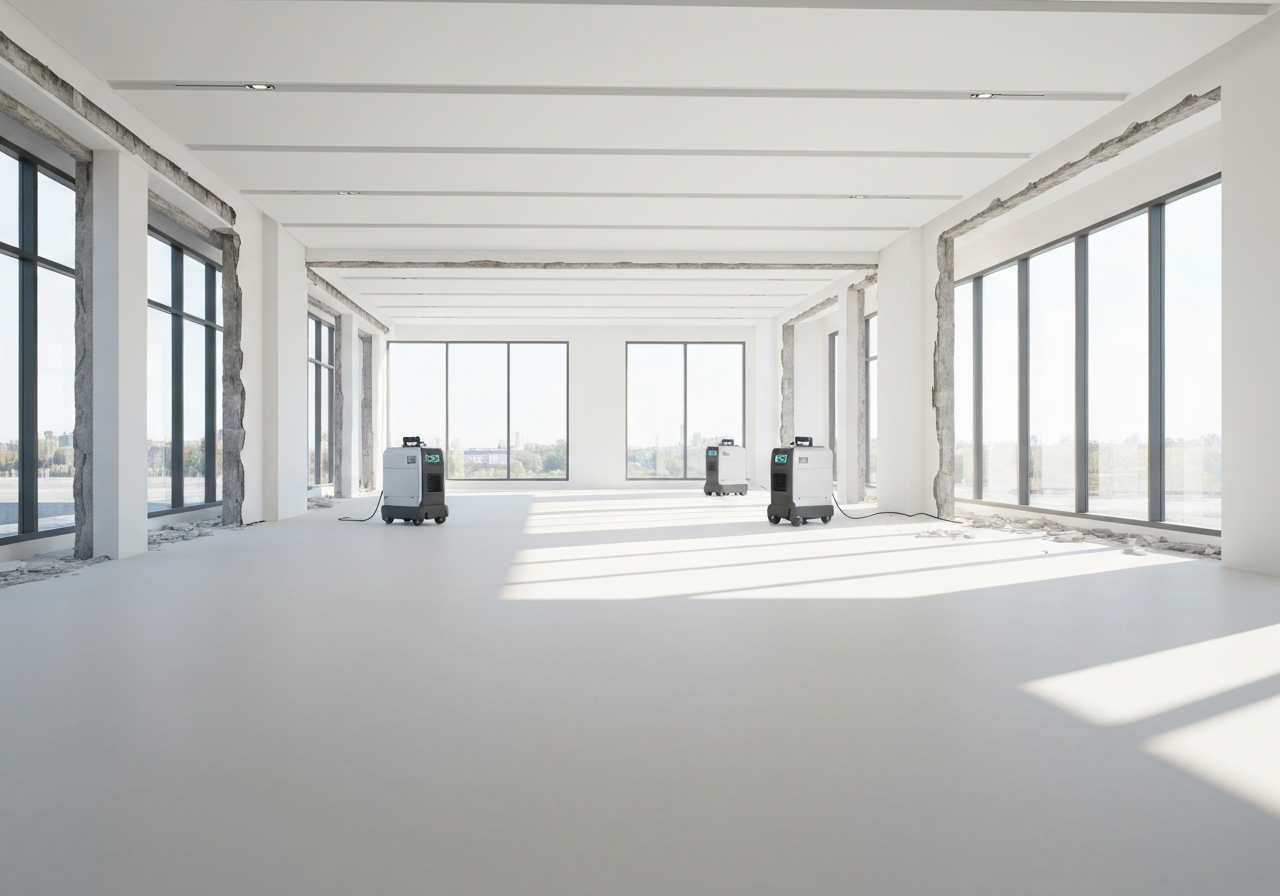
- Containment and Air Control: To prevent the spread of dust and potential contaminants, work areas are sealed off using barriers, negative air systems, and HEPA filtration.
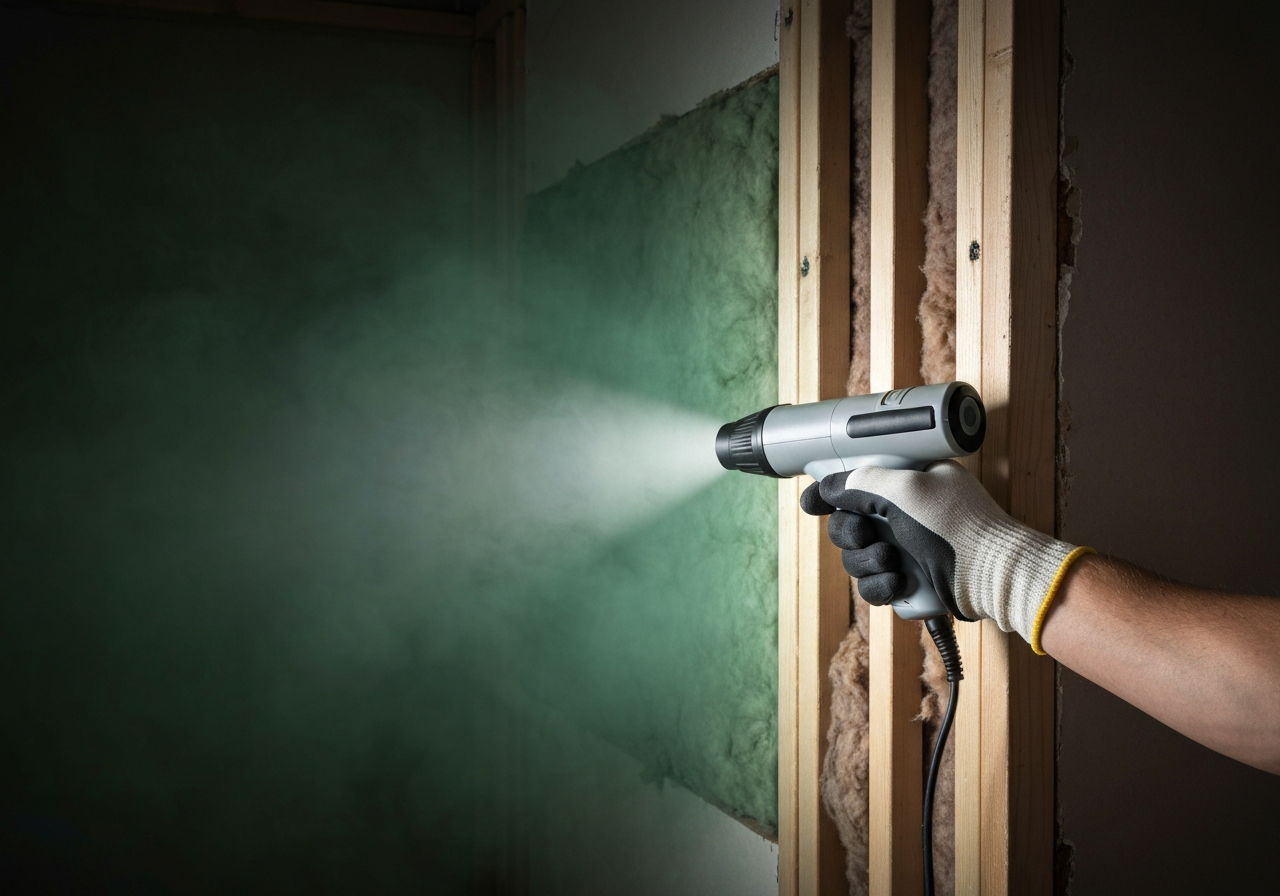
- Selective Removal: Certified crews meticulously remove targeted non-structural components, such as walls, ceilings, flooring, and MEP systems, while carefully preserving structural integrity. This often involves techniques like wet removal to minimize airborne fibers, especially when dealing with asbestos.
- Waste Management and Recycling: Debris is sorted, logged, and transported for disposal or recycling in accordance with environmental regulations. This minimizes landfill waste and promotes sustainability.
- Verification and Clearance: Post-demolition inspections and air quality testing confirm that the space is clean, safe, and ready for the next phase of reconstruction or renovation.
This methodical process ensures that every commercial interior demolition project is executed with precision and professionalism.
Choosing Your Partner: What to Look for in a Commercial Demolition Contractor
Selecting the right contractor for your commercial interior demolition project is crucial for its success. The complexities involved, especially concerning hazardous materials and regulatory compliance, demand a partner with proven expertise. When evaluating potential contractors, consider the following:
- Experience and Reputation: Look for a company with a long track record of successful commercial demolition projects and positive client testimonials. A contractor with over a decade of experience, like Piedmont Quality Air, often brings invaluable insights to diverse challenges.
- Certifications and Licensing: Verify that the contractor and their team hold all necessary state and federal certifications and licenses for demolition and hazardous material abatement. This ensures they are qualified to perform the work safely and legally.
- Safety Record and Compliance: Inquire about their safety protocols, training programs, and their history of compliance with OSHA and environmental regulations. A strong emphasis on safety is non-negotiable.
- Comprehensive Service Offering: A contractor that can handle not just demolition but also hazardous material removal (like asbestos and mold) offers a more streamlined and efficient project.
- Project Management Capabilities: Assess their ability to manage projects in occupied spaces, minimize disruption, and adhere to timelines and budgets.
- Insurance and Bonding: Ensure the contractor is fully insured and bonded to protect against unforeseen circumstances.
Partnering with a contractor who embodies these qualities, such as Piedmont Quality Air, provides peace of mind and ensures a high-quality outcome, as evidenced by satisfied clients in their testimonials.
Ready for a Fresh Start? Partner with Piedmont Quality Air for Your Next Project
A successful commercial renovation hinges on meticulous planning and expert execution from the very beginning. Professional commercial interior demolition provides that essential groundwork, transforming outdated spaces into blank canvases ready for innovative design and modern functionality. The complexity of these projects, often involving hazardous materials like asbestos and stringent regulatory compliance, underscores the importance of choosing a highly experienced and certified partner.
Piedmont Quality Air is a leading interior demolition contractor, recognized for its expertise in handling projects of all sizes, from single-wall removals to extensive 300,000-square-foot clear-outs. With a dedicated team of safety experts and crews experienced in working in occupied office buildings, shopping malls, and hospitals, they ensure minimal disruption. Their commitment to adhering to all federal and state regulations, especially concerning asbestos removal and proper waste disposal, guarantees a safe and compliant process. Whether your goal is to prepare a space for new tenants, facilitate a complete redesign, or ensure your property meets the latest safety standards, partnering with a seasoned professional like Piedmont Quality Air allows you to embark on your renovation with confidence and achieve a truly fresh start for your commercial space.
Ready to transform your commercial space with expert interior demolition? Contact Piedmont Quality Air today for a safe and compliant fresh start.