Unlocking Modern Spaces: The Power of Commercial Interior Demolition
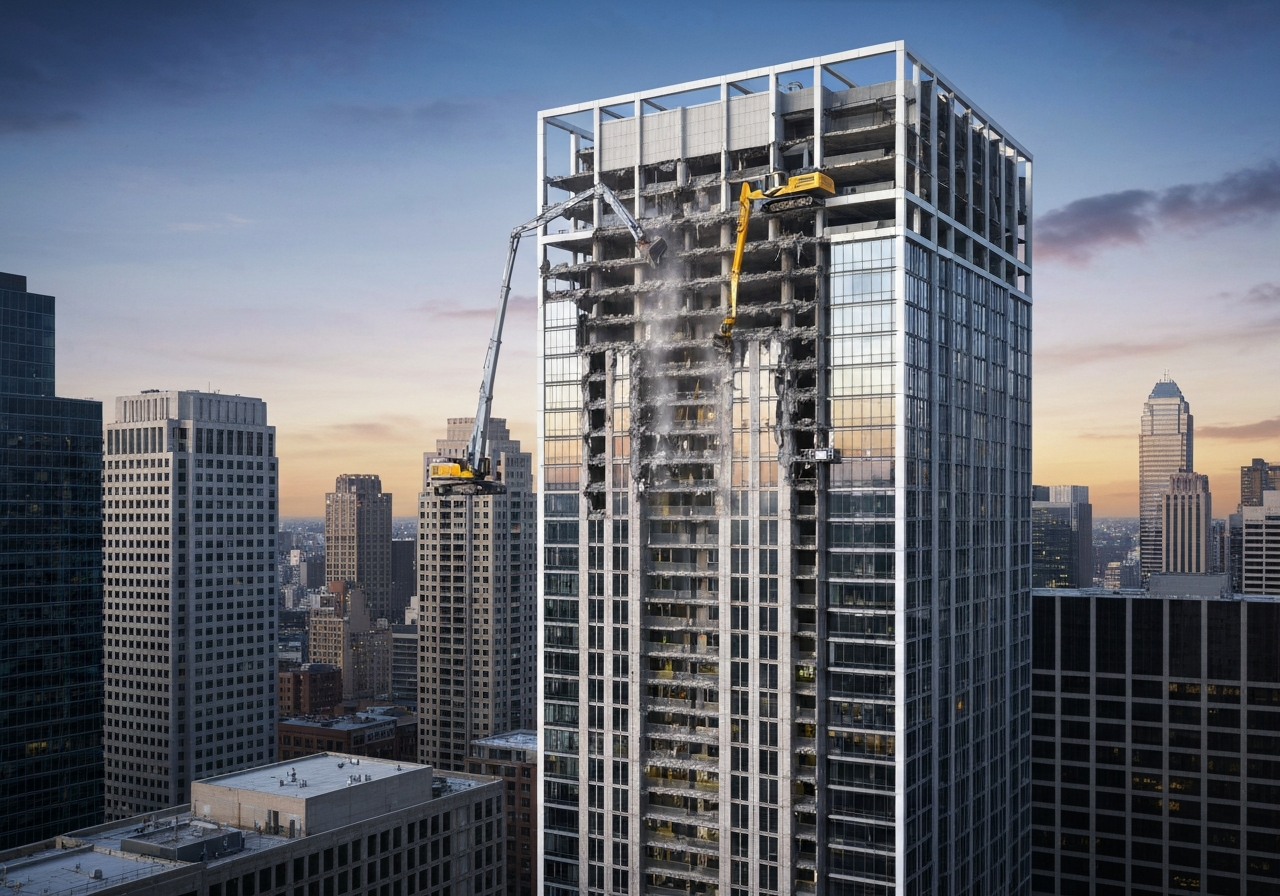
Transforming commercial properties often begins with a critical first step: Commercial Interior Demolition. Unlike full structural demolition, which brings down an entire building, interior demolition focuses on meticulously removing internal structures while preserving the exterior and structural integrity. This process is essential for revitalizing outdated spaces, reconfiguring layouts for new tenants, or preparing for extensive renovations in offices, retail stores, industrial facilities, and more.
The ability to selectively remove elements like walls, ceilings, flooring, and MEP (mechanical, electrical, plumbing) systems offers immense flexibility. It allows businesses to adapt their physical environment to evolving needs, creating modern, functional, and aesthetically pleasing spaces without the significant expense and disruption of new construction. This targeted approach is not just about tearing things down; it’s about strategically clearing the way for innovation and efficiency within existing commercial footprints.
From Selective to Strip-Outs: Exploring Commercial Demolition Types
Understanding the nuances of different commercial interior demolition types is crucial for effective project planning. The scope of work can vary significantly, from precise, surgical removals to extensive gutting operations.
- Selective Demolition: This is the most common form in commercial renovations. It involves removing specific elements while leaving the surrounding structure intact. For example, a project might require the removal of non-load-bearing walls, old cabinetry, or a section of flooring to accommodate a new office layout or retail display. Selective demolition demands careful planning and execution to protect adjacent areas and ensure structural stability.
- Full Interior Strip-Outs: Also known as gut demolition, this process involves stripping a building down to its bare shell, removing all interior finishes, partitions, ceilings, flooring, and MEP systems. This approach is typical for major tenant improvements, adaptive reuse projects, or when a complete overhaul of a commercial space is desired. While more extensive than selective demolition, the exterior walls and structural frame remain in place, paving the way for a complete interior redesign.
Each type requires a tailored approach, with considerations for equipment, labor, and safety protocols to match the project’s specific demands.
Your Guide to a Seamless Commercial Demolition Project
A successful commercial interior demolition project hinges on meticulous planning and adherence to regulatory requirements. Skipping vital steps can lead to costly delays, fines, and safety hazards.
Key stages in ensuring a seamless demolition process include:
- Initial Site Assessment: A thorough evaluation of the building’s current state, including its structural components, existing utilities, and surrounding environment, is paramount. This assessment helps identify potential challenges and informs the demolition strategy.
- Permitting and Regulatory Compliance: Demolition projects are subject to local, state, and federal regulations. Obtaining the correct permits is non-negotiable. This often involves submitting detailed project plans, utility disconnection confirmations, and hazardous material reports. Failure to comply can result in significant penalties and project shutdowns. For instance, regulations like the EPA’s NESHAP mandate asbestos testing before any demolition project.
- Utility Disconnection: All active utilities, including electricity, gas, water, and sewer, must be safely disconnected and verified by relevant providers before demolition work commences.
- Developing a Demolition Plan: A comprehensive plan outlines the sequence of demolition, equipment to be used, safety measures, waste management strategy, and a detailed timeline. This plan is crucial for managing the project efficiently and safely.
- Coordination and Communication: Effective coordination among the demolition crew, other subcontractors, inspectors, and the client is vital. Regular updates and clear communication help prevent misunderstandings and keep the project on track. Leveraging project management software can significantly enhance tracking progress and communication.
Beyond Walls: Managing Asbestos, Mold, and Other Hazards in Commercial Demolition
Commercial buildings, especially older ones, often harbor hidden dangers that can significantly impact a demolition project. Identifying and safely managing hazardous materials like asbestos and mold is not just a best practice; it’s a legal and ethical imperative.
Understanding Common Hazardous Materials
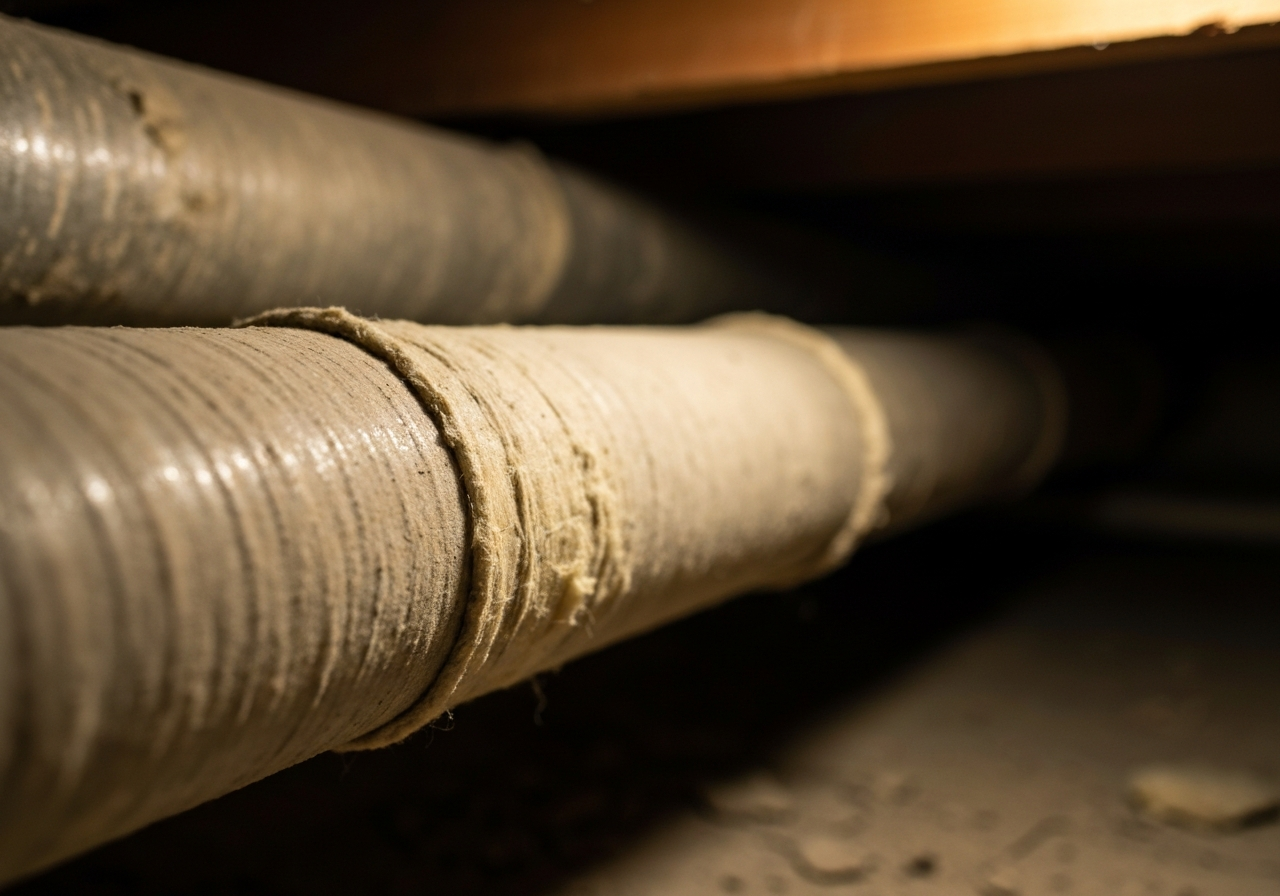
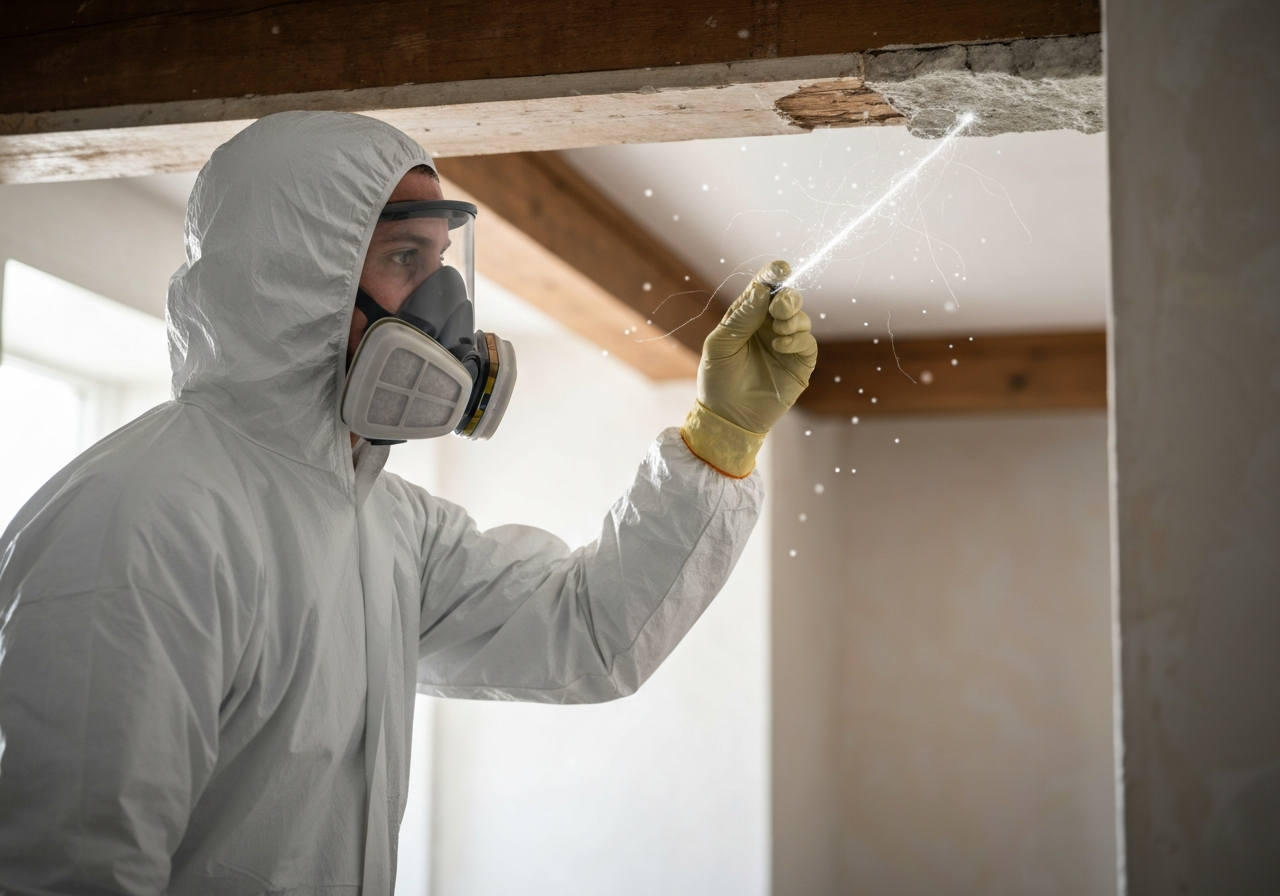
- Asbestos: Widely used in construction until the late 1970s for its fire-retardant and insulating properties, asbestos can be found in floor tiles, pipe insulation, roofing materials, and textured ceilings. When disturbed during demolition, asbestos fibers become airborne, posing severe health risks, including mesothelioma and lung cancer. Federal regulations, such as the Asbestos NESHAP, require a certified inspection for asbestos-containing materials (ACMs) before any demolition. Asbestos testing is legally mandated before demolition to protect workers and public health. For more detailed information, the EPA provides extensive guidance for building owners and managers regarding asbestos-containing materials.
- Lead-Based Paint: Common in buildings constructed before 1978, lead-based paint can become a hazard when disturbed. Dust and paint chips containing lead are serious health risks, particularly for children and demolition workers. Specialized protocols and certified professionals are required for its safe removal and disposal.
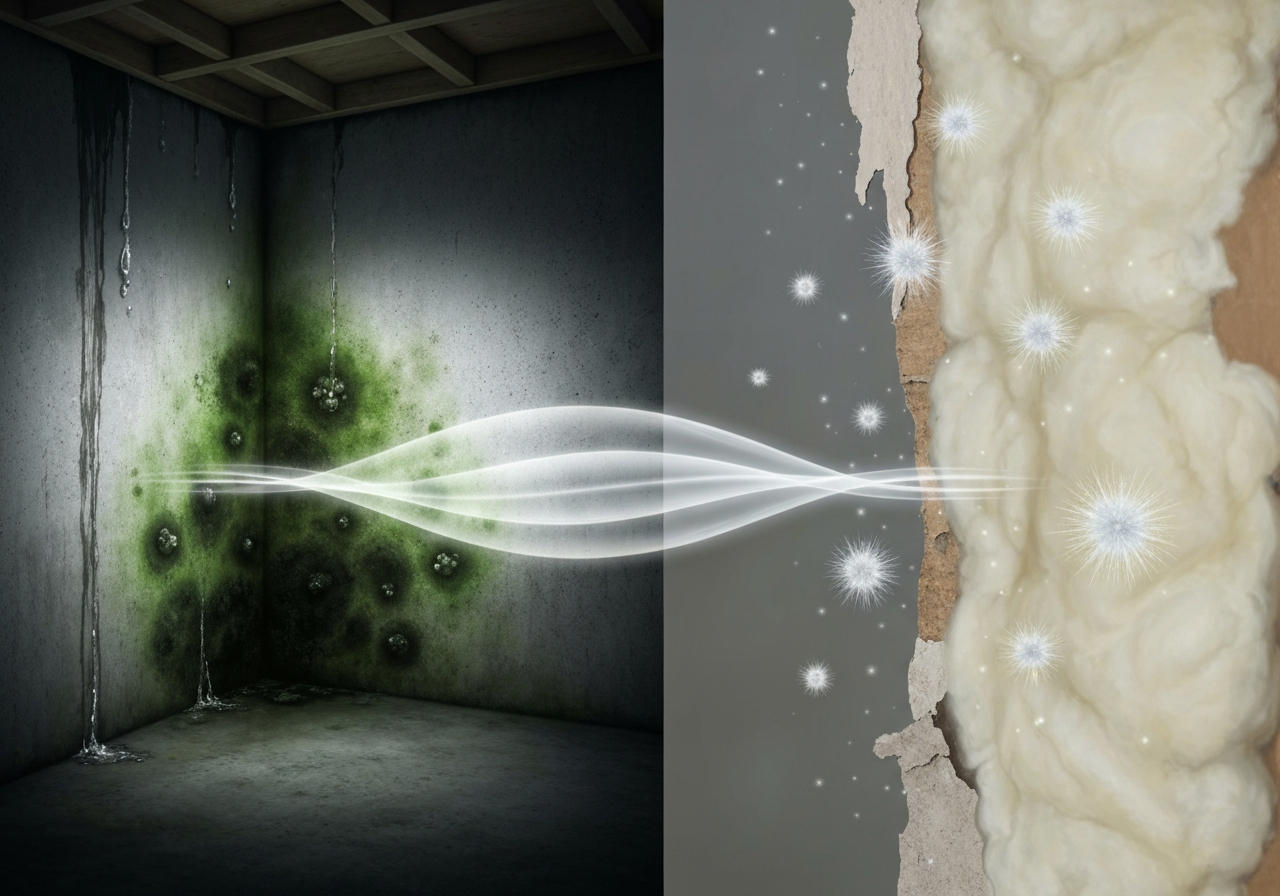
- Mold: Water damage can lead to extensive mold growth, which can cause respiratory issues and other health problems. Mold remediation is often a necessary step before demolition, especially in buildings that have experienced leaks or flooding. Piedmont Quality Air offers expert services for removing hazardous materials before demolition, prioritizing safety first.
- PCBs and Mercury: Polychlorinated Biphenyls (PCBs) can be found in caulking, sealants, and fluorescent light ballasts in older buildings. Mercury is present in thermostats and certain lighting fixtures. These substances require specialized handling and disposal.
A comprehensive hazardous material survey is essential before any demolition begins. This proactive approach not only ensures compliance with stringent environmental regulations but also safeguards the health of workers, building occupants, and the surrounding community. Professionals utilize tools like Polarized Light Microscopy (PLM) for asbestos and X-ray Fluorescence (XRF) analyzers for lead-based paint to accurately identify these hazards, as highlighted in insights about navigating a hazardous material survey.
Keeping Operations Smooth: Strategies for Demolition in Occupied Commercial Spaces
One of the most complex aspects of Commercial Interior Demolition is performing the work in spaces that remain partially or fully occupied. Minimizing disruption to ongoing business operations, ensuring safety, and maintaining a clean environment are critical for project success and client satisfaction.
Effective strategies for occupied space demolition include:
- Phased Work Schedules: Breaking the demolition into clearly defined phases allows work to progress in one area while other parts of the building remain operational. This often involves scheduling high-impact tasks, such as noisy demolition or utility tie-ins, during off-hours, weekends, or planned shutdown windows.
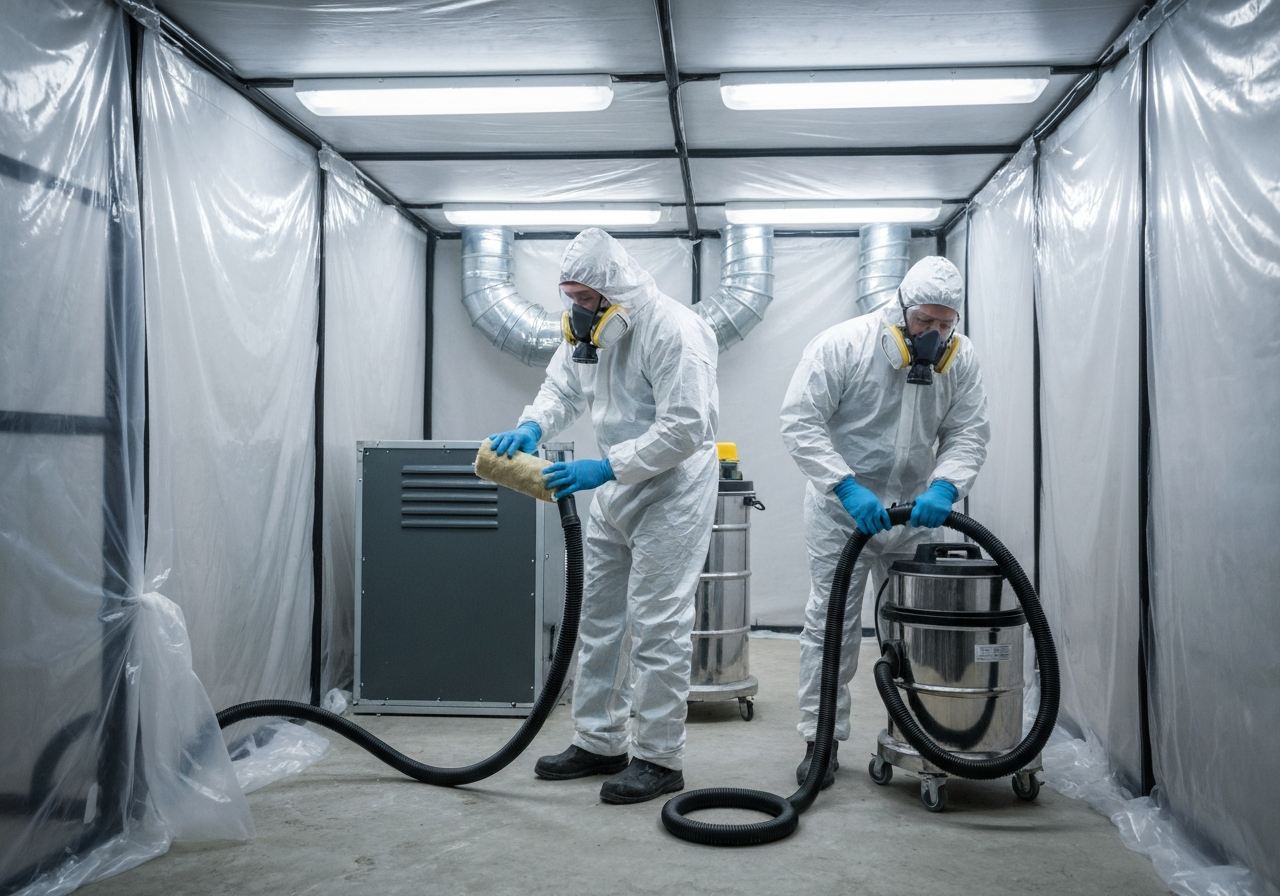
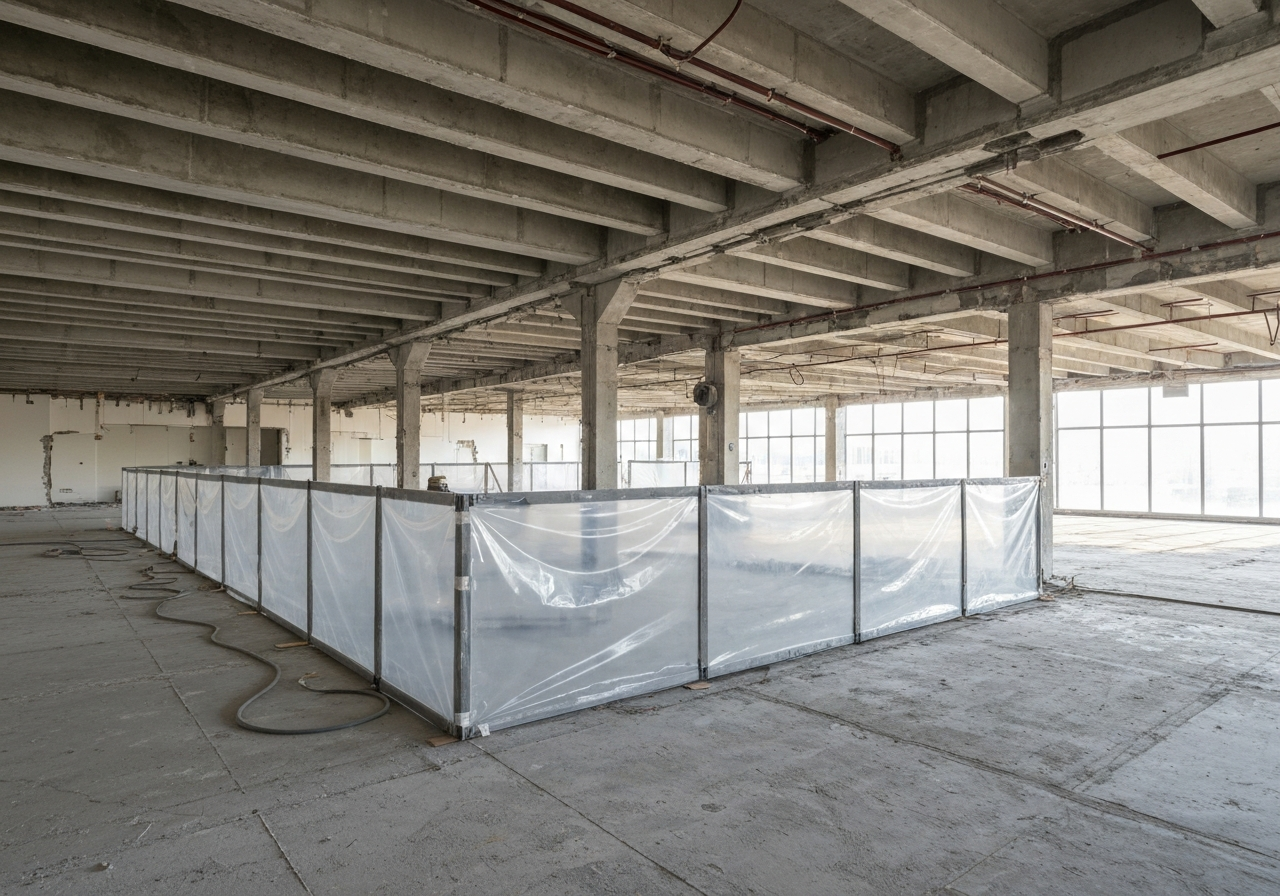
- Robust Containment Systems: Dust and debris are unavoidable byproducts of demolition. Implementing advanced containment systems is crucial. This includes using zipper walls, heavy-duty plastic sheeting, and curtain systems to seal off work zones. Negative air machines with HEPA filtration create negative pressure, ensuring airborne dust is pulled inward and filtered, preventing its spread into occupied areas. Protecting surfaces and containment are crucial to prevent damage and maintain a safe environment.
- Surface Protection: Floors, walls, fixtures, and built-ins that are to remain in place must be rigorously protected from scratches, scuffs, and debris. Durable materials like Ram Board, carpet protection film, and Masonite boards are used to shield vulnerable surfaces.
- Clear Communication: Consistent and transparent communication with building occupants about work schedules, potential noise, and access changes helps manage expectations and reduces frustration. Designating a single point of contact for questions ensures efficient information flow.
- Strict Safety Protocols: When construction and daily operations coexist, safety is paramount. Clearly marked work zones, controlled access points, and continuous safety checks by supervisors are essential. Ensuring compliance with OSHA and site-specific safety requirements is non-negotiable. Detailed pre-construction planning is critical for identifying risks and setting realistic expectations in occupied build-outs.
By implementing these strategies, demolition can proceed efficiently and safely, allowing businesses to continue their operations with minimal impact.
The Investment: Factors Influencing Your Commercial Demolition Project
The cost of a commercial interior demolition project can vary widely, influenced by several key factors. Understanding these elements is essential for accurate budgeting and avoiding unexpected expenses.
- Building Size and Complexity: Larger spaces and more intricate structural designs naturally require more labor, equipment, and time, directly increasing costs. The overall complexity of the demolition, such as the need to preserve certain historical elements or work around active systems, will also factor in.
- Type of Demolition: Selective demolition, which requires precision and careful removal, can sometimes be more labor-intensive per square foot than a full interior strip-out. However, a full strip-out will generate significantly more debris.
- Hazardous Material Abatement: The presence of asbestos, lead-based paint, mold, or other hazardous materials can substantially increase project costs. Specialized inspection, removal, and disposal procedures are required, and these often involve licensed contractors and specific regulatory compliance. For instance, asbestos removal alone can range from $5 to $20 per square foot.
- Disposal and Recycling Fees: The volume and type of debris generated play a significant role. Landfill tipping fees vary by region and material. Recycling certain materials like concrete, metal, and wood can reduce disposal costs but may add to sorting labor. Dumping fees can range from $300 to $1,000 for tile removal, with recycling being half that cost.
- Permits and Regulations: The cost of obtaining necessary demolition permits, environmental assessments, and compliance with local building codes can vary. Some jurisdictions have high permit fees, particularly if they aim to discourage demolition in favor of rehabilitation. The typical cost of commercial demolition is between $4 to $8 per square foot.
- Labor and Equipment: The size and skill of the demolition crew, as well as the specialized equipment required (e.g., excavators, skid steers, dust suppression systems), contribute significantly to the overall investment.
A detailed pre-demolition assessment and a transparent bidding process are crucial for obtaining an accurate estimate and managing the financial aspects of your commercial interior demolition project.
The Piedmont Quality Air Difference: Expertise, Safety, and Compliance in Commercial Demolition
When embarking on a Commercial Interior Demolition project, particularly in the Charlotte, Concord, and Hickory, NC, areas, partnering with a company that prioritizes expertise, safety, and regulatory compliance is paramount. Piedmont Quality Air stands out as a leader in this field, offering specialized services that address the unique challenges of commercial demolition.
Our team brings extensive experience in identifying and safely abating hazardous materials that are frequently encountered during commercial interior demolition. This includes comprehensive asbestos removal services, crucial for protecting both workers and future occupants. We are well-versed in understanding state-specific asbestos removal laws and navigating complex regulations, such as the S.C. DHEC asbestos demolition regulations, ensuring that every project adheres to the highest standards of safety and legality.
Beyond asbestos, Piedmont Quality Air also specializes in professional mold remediation. Recognizing that mold can be a significant issue in commercial buildings, especially after water damage, our experts ensure its thorough and safe removal before demolition proceeds. Our commitment extends to providing detailed inspections and strategic abatement plans, aligning with the strictest industry protocols.
By choosing Piedmont Quality Air, clients gain a partner dedicated to:
- Unmatched Expertise: Our certified professionals are highly trained in the latest demolition techniques and hazardous material abatement procedures.
- Rigorous Safety Standards: We implement stringent safety protocols, including advanced containment and air quality monitoring, to protect everyone on and around the job site.
- Full Regulatory Compliance: We ensure all projects meet or exceed federal, state, and local regulations, providing peace of mind and preventing costly compliance issues. For example, our expertise extends to navigating NC asbestos rules and regulations.
This dedication to quality and safety is why Piedmont Quality Air is the trusted choice for commercial interior demolition projects requiring expert hazardous material management.
Ready for Transformation? Partnering for Your Commercial Demolition Needs
Successfully navigating a Commercial Interior Demolition project requires more than just heavy machinery; it demands strategic planning, expert execution, and a steadfast commitment to safety and compliance. The journey from an outdated commercial space to a modern, functional environment is complex, filled with potential challenges ranging from unforeseen hazardous materials to operational disruptions in occupied settings.
The insights shared throughout this guide underscore the importance of selecting a demolition partner who not only understands these complexities but also possesses the proven capabilities to address them effectively. A professional demolition firm will conduct thorough pre-demolition assessments, meticulously plan every phase, and implement robust safety and containment measures.
When you’re ready to transform your commercial property, consider the comprehensive expertise offered by specialized demolition companies. They bring the necessary knowledge of diverse demolition types, from selective removals to full strip-outs, ensuring the right approach for your specific project goals. Furthermore, their proficiency in managing hazardous materials such as asbestos and lead-based paint, coupled with their ability to minimize disruption in occupied spaces, safeguards your investment and ensures a smooth transition to the renovation phase.
By choosing a reputable and experienced partner, you are not just hiring a contractor; you are investing in a seamless, safe, and compliant transformation of your commercial space, setting the foundation for future success and growth.
Ready to transform your commercial space or need expert hazardous material removal? Contact Piedmont Quality Air today for safe and compliant commercial interior demolition services in Charlotte, Concord, and Hickory, NC.