Protecting Your Living Space from Hidden Hazards
Living in a home or apartment should bring comfort, not hidden threats. For many, the silent dangers of Asbestos and Mold for Renters and Homeowners can undermine safety. These pervasive contaminants often go unnoticed until health issues arise or significant property damage occurs. Understanding the risks, recognizing the signs, and knowing your rights and responsibilities are crucial for safeguarding your living environment.
Understanding the Risks of Asbestos and Mold for Renters and Homeowners
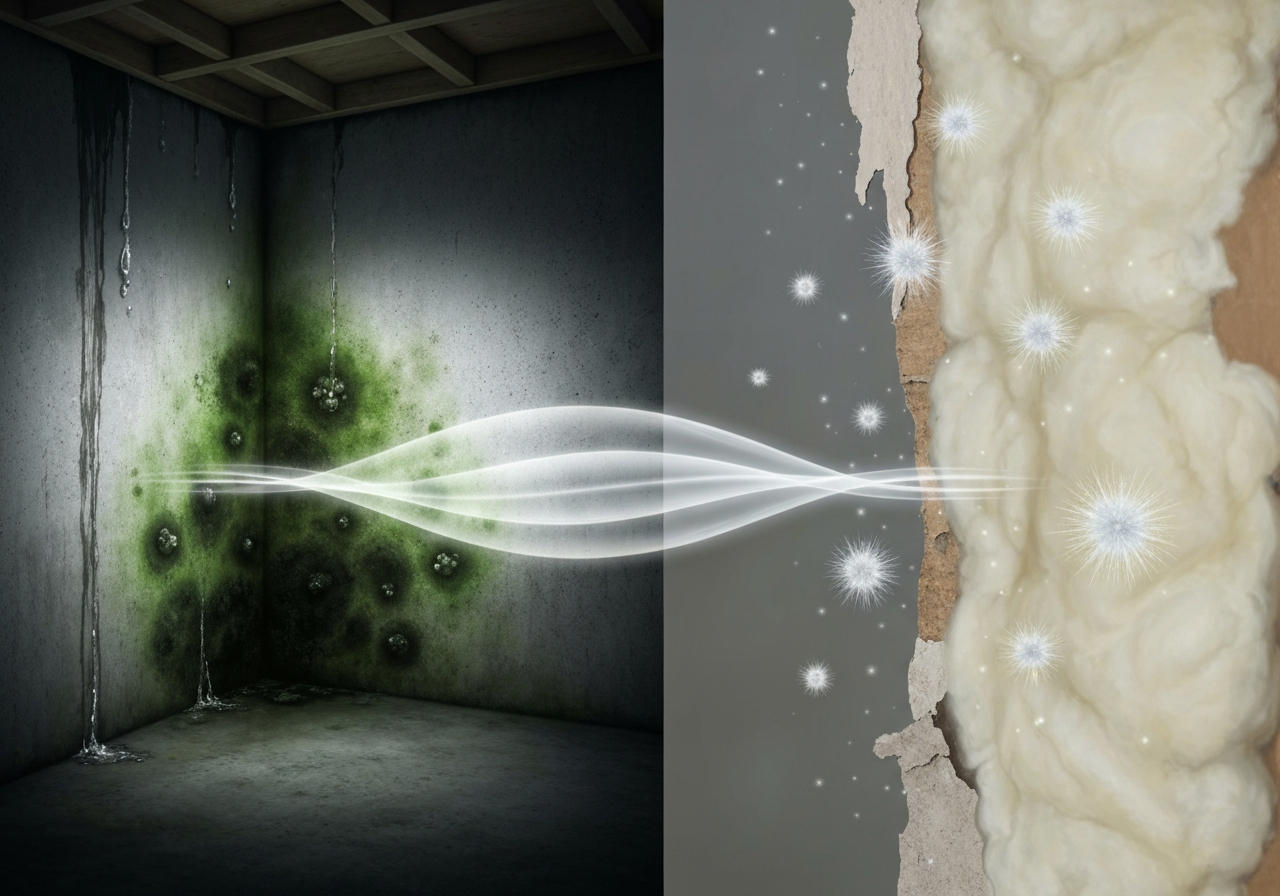
Asbestos and mold, while different in origin, both pose serious health and structural risks to properties and their occupants. Asbestos, a naturally occurring mineral fiber, was widely used in construction before the 1980s for its heat resistance and insulating properties. It becomes hazardous when its microscopic fibers are disturbed and inhaled, leading to severe, often fatal, lung diseases like mesothelioma, asbestosis, and lung cancer, often decades after exposure. Conversely, mold is a biological organism that thrives in damp, poorly ventilated areas. Exposure to mold spores can trigger allergic reactions, asthma attacks, persistent coughing, and in vulnerable individuals, serious infections. Some molds, like black mold (Stachybotrys chartarum), produce mycotoxins that can lead to more severe health issues affecting respiratory and immune systems. For a detailed comparison of these hazards, you can review Lead vs. Asbestos vs. Mold: What’s the Difference and Why It Matters.
Spotting the Signs: How to Identify Asbestos and Mold in Your Property
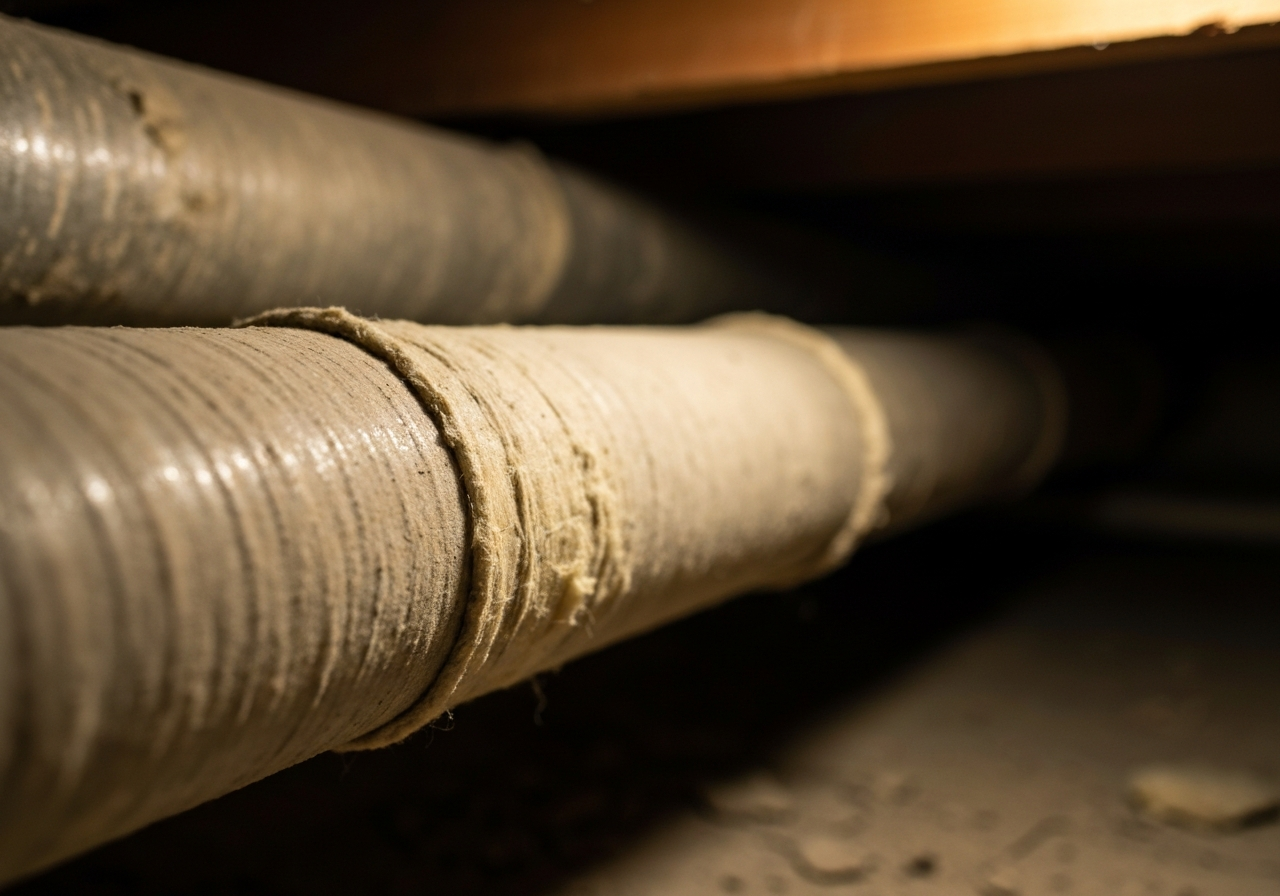
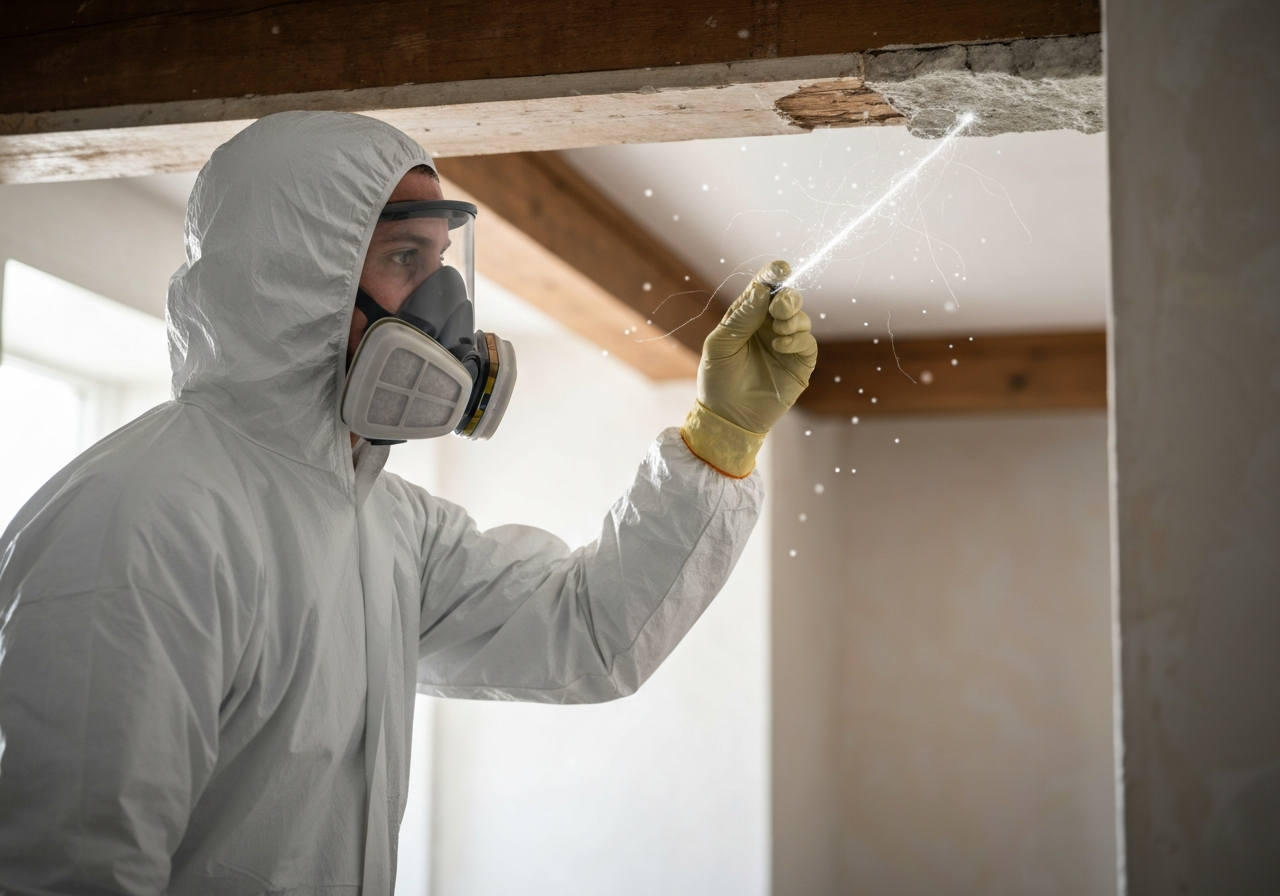
Early detection of asbestos and mold can prevent extensive damage and health complications. Identifying asbestos can be challenging as it’s often hidden within building materials. In older properties (pre-1980s), look for damaged materials such as crumbling ceiling tiles, deteriorating pipe insulation, or compromised vinyl flooring. If materials are damaged or disturbed, such as during a renovation, asbestos fibers can become airborne. The EPA advises avoiding touching suspected asbestos materials and having them professionally inspected. Mold often reveals itself through:
- A persistent musty, earthy odor.
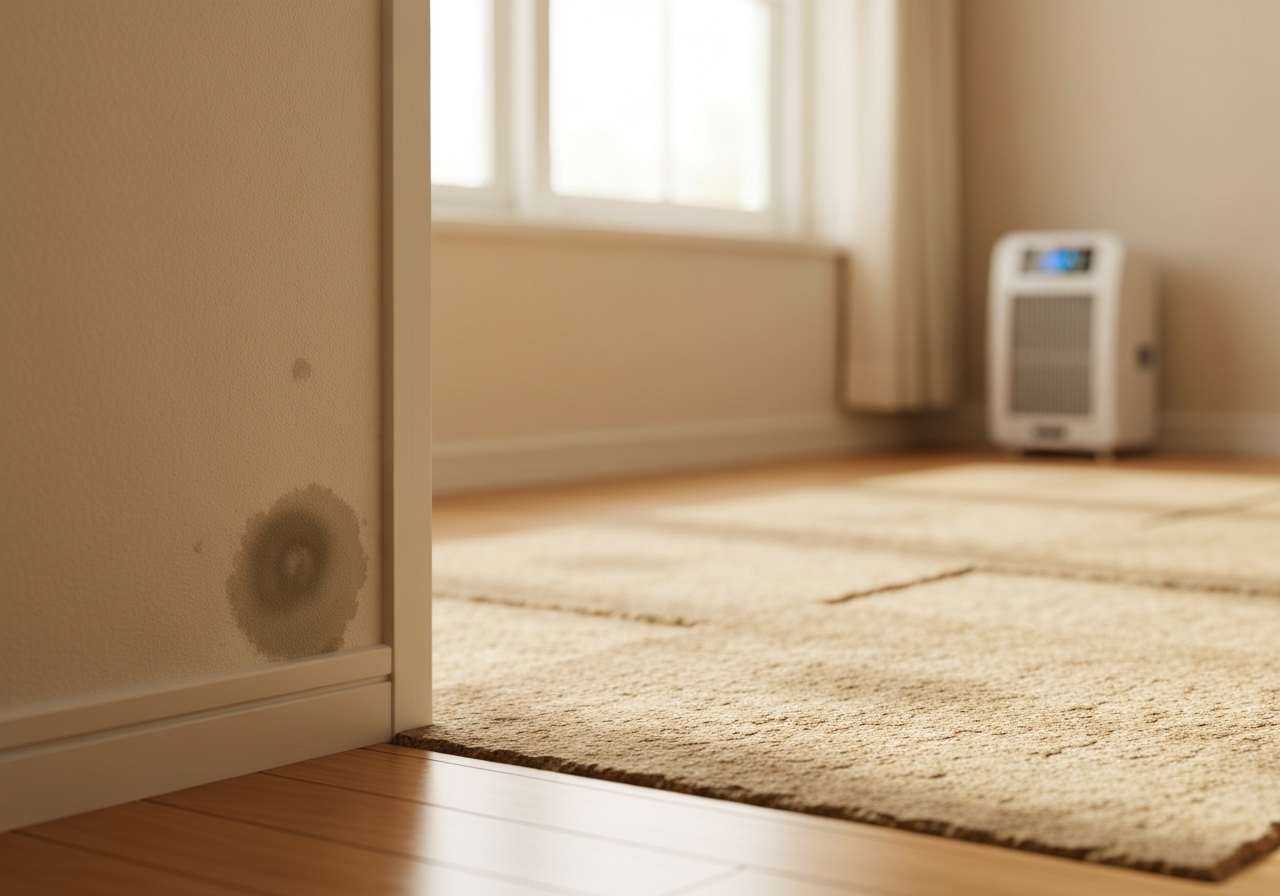
- Visible discoloration or fuzzy patches (black, green, white, or orange) on walls, ceilings, floors, or other surfaces.
- Water stains or signs of moisture damage.
- Peeling paint or wallpaper.
- Frequent respiratory issues, allergies, or unexplained health symptoms among occupants.
Hidden mold can thrive behind walls or under flooring, making a thorough inspection by a professional essential if you suspect its presence, as outlined in our guide to Professional Mold Inspection South Carolina.
Renter’s Rights and Landlord Responsibilities: Navigating Hazardous Conditions
Renters often face unique challenges when confronted with asbestos or mold. Most states require landlords to provide habitable living conditions. This “implied warranty of habitability” generally means the property must be safe and fit for living, covering hazards like asbestos and mold. If a landlord knows or should know about hazardous conditions, they are typically obligated to fix them. For example, landlords may be responsible for removing asbestos-containing materials properly and safely and disclosing known issues. In the case of mold, most states require landlords to repair leaks and promptly address visible mold growth after notification. However, some states, like South Carolina, lack explicit legal mold protection for renters, making documentation and proactive communication vital.
Key Renter Steps:
- Document Everything: Take photos and videos, and keep a detailed log of when you noticed the issue and all communications with your landlord.
- Notify in Writing: Submit formal written notice to your landlord, clearly describing the problem and requesting professional inspection and remediation.
- Understand Your Lease: Review clauses related to mold, moisture, or maintenance.
- Seek Legal Advice: If your landlord is unresponsive, consult a tenant rights attorney.
Landlords have a responsibility to maintain a safe environment, including professional inspections and remediation when needed. Failure to act can result in legal claims for damages if exposure causes health issues or financial loss.
Homeowner’s Guide: Managing Asbestos and Mold on Your Property
Homeowners have full responsibility for managing asbestos and mold on their property. This means proactive maintenance and swift action when issues are identified. For properties built before the 1980s, assume asbestos might be present, especially before undertaking renovations. If materials suspected of containing asbestos are in good condition and undisturbed, they generally pose minimal risk. However, if damaged or if renovation plans involve disturbing them, professional assessment and abatement are essential. For mold, moisture control is key. This includes:
- Maintaining indoor humidity levels between 30-50%.
- Promptly fixing all leaks (plumbing, roof, foundation).
- Ensuring adequate ventilation in bathrooms, kitchens, and crawl spaces, as highlighted in our guide to Crawl Space Mold Removal SC.
- Thoroughly drying any wet areas within 24-48 hours after water damage.
Never attempt to remove significant asbestos or mold infestations yourself. DIY efforts can exacerbate the problem, releasing more hazardous fibers or spores into your home and increasing health risks.
The Importance of Professional Remediation: Why DIY is Dangerous
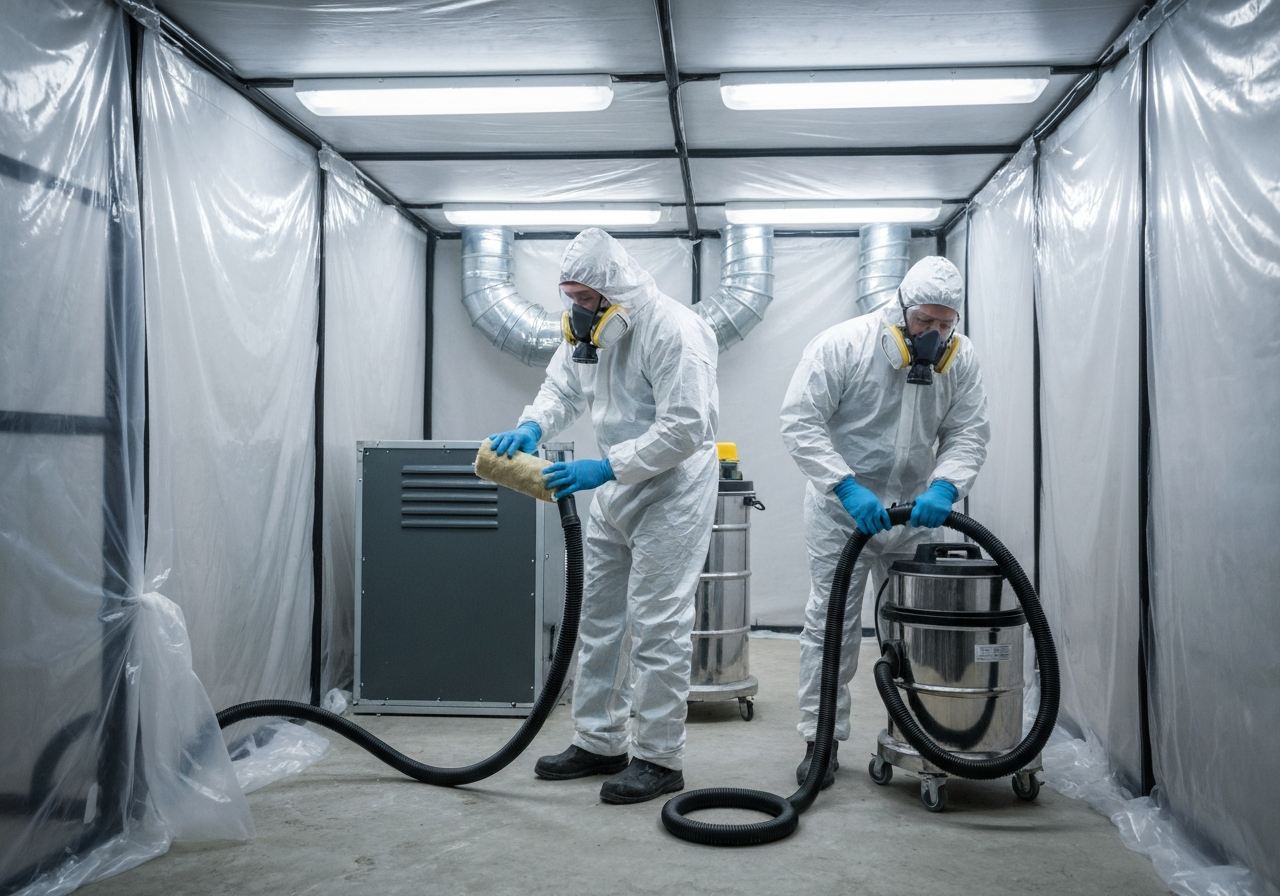
Attempting DIY asbestos or mold removal is highly dangerous and can lead to severe health consequences and wider contamination. Asbestos fibers are microscopic and easily become airborne when disturbed, requiring specialized equipment for containment and filtration. Similarly, disturbing mold without proper containment can release millions of spores, spreading the problem throughout your home. Professional remediation involves:
- Expert Identification: Professionals are trained to accurately identify asbestos and mold types and their extent.
- Safe Containment: Specialized barriers and negative air pressure systems prevent the spread of contaminants during removal.
- Proper Equipment: HEPA-filtered vacuums and air scrubbers capture airborne particles, which regular vacuums cannot.
- Thorough Removal: Techniques are used to minimize disturbance and ensure complete eradication.
- Safe Disposal: Hazardous materials are packaged, labeled, and disposed of according to strict federal and state regulations.
The real-world lesson often overlooked is that the perceived cost savings of DIY can quickly turn into astronomical expenses for more extensive remediation and potential long-term health issues. “The most convincing evidence for credibility in asbestos management is a perfect safety record achieved through unwavering adherence to established protocols and regulations. It’s not just about what you do, but how meticulously you do it, ensuring every fiber is contained.”
Choosing a Trusted Remediation Partner for Your Peace of Mind
Selecting a qualified remediation partner is critical for effective and safe asbestos and mold removal. Look for companies like Piedmont Quality Air that demonstrate:
- Experience and Certifications: Ensure technicians are trained and certified in hazardous material removal, following industry standards like IICRC.
- Comprehensive Process: A reputable company will provide a detailed plan for assessment, containment, removal, cleaning, drying, and post-remediation verification.
- Regulatory Compliance: They must adhere to all federal, state, and local regulations, including those from the EPA, OSHA, and the South Carolina Department of Environmental Services (SCDES), as discussed in Understanding South Carolina Asbestos Removal Laws.
- Proper Equipment: The use of specialized tools, PPE, and air filtration systems.
- Clear Communication: Transparency about the process, timeline, and costs.
Choosing an experienced partner ensures the job is done safely, effectively, and in full compliance with the law, protecting your property and health.
Preventative Measures and Long-Term Safety in Your Home
Proactive prevention is the most effective strategy against asbestos and mold. For asbestos, the best prevention is to avoid disturbing materials suspected of containing it in older homes. If you plan renovations, have a professional inspection. For mold, consistent moisture control is paramount:
- Control Humidity: Use dehumidifiers, especially in humid climates, to keep indoor humidity below 50%.
- Fix Leaks Immediately: Repair any water leaks from plumbing, roofs, or windows without delay.
- Ensure Proper Ventilation: Use exhaust fans in bathrooms and kitchens. Ensure adequate airflow throughout your home, especially in basements and crawl spaces.
- Clean and Dry: After any water intrusion, thoroughly clean and dry affected areas within 24-48 hours.
- Maintain HVAC Systems: Regularly inspect and clean your heating, ventilation, and air conditioning systems.
- Manage Exterior Drainage: Ensure gutters direct water away from your foundation.
By implementing these measures, homeowners can significantly reduce the risk of mold growth and prevent the disturbance of asbestos, ensuring a healthier living environment.
Frequently Asked Questions About Asbestos and Mold
Here are common questions regarding Asbestos and Mold for Renters and Homeowners:
Can I remove small amounts of mold myself?
For small areas (less than 10 square feet), you might be able to clean it with a detergent solution. However, if the mold covers a larger area, is growing after water damage, or if you experience health symptoms, professional remediation is highly recommended. Always wear appropriate personal protective equipment (PPE).
How can I tell if a material contains asbestos?
You cannot identify asbestos just by looking at it unless it is labeled. The only way to confirm its presence is through laboratory testing of samples taken by a trained and accredited asbestos professional. If you suspect asbestos, do not disturb the material.
Are landlords always responsible for mold or asbestos removal?
Landlords are generally responsible for maintaining a habitable property. If mold or asbestos results from a maintenance issue (e.g., a leaking roof, faulty plumbing) that the landlord failed to address after proper notice, they are typically responsible. However, if the issue is caused by tenant negligence, responsibility may shift.
What are the health risks associated with asbestos exposure?
Inhaling asbestos fibers can lead to serious lung diseases, including asbestosis, lung cancer, and mesothelioma, a rare and aggressive cancer of the lining of the lungs or abdomen. These diseases often have a long latency period, appearing decades after exposure.
What are the health risks associated with mold exposure?
Mold exposure can cause allergic reactions, asthma attacks, respiratory problems, skin irritation, headaches, and fatigue. Individuals with allergies, asthma, or compromised immune systems are particularly vulnerable.
What legal recourse do renters have if a landlord refuses to remediate?
If a landlord fails to make necessary repairs after proper written notice, tenants may have options depending on state and local laws. These can include terminating the lease, or in some jurisdictions, initiating legal action to recover damages. Consulting a tenant rights attorney is advisable.
What should homeowners do if they find asbestos during a renovation?
Immediately stop work in the area. Do not disturb the material further. Contact a licensed asbestos abatement professional for inspection, testing, and safe removal. Trying to remove it yourself can release dangerous fibers into the air.
Secure Your Living Space with Expert Help
Navigating the complexities of Asbestos and Mold for Renters and Homeowners requires vigilance, knowledge, and often, professional assistance. Prioritizing safety through proper identification, understanding your rights and responsibilities, and investing in expert remediation are essential steps to ensure a healthy and secure living environment. By taking proactive measures and seeking qualified help, you can protect your property and the well-being of its occupants from these hidden hazards.
Don’t let asbestos or mold compromise your home’s safety. For expert inspection and remediation, contact Piedmont Quality Air today and secure your living space.