
Beyond the Visible: Understanding the Invisible Threat of Home Mold
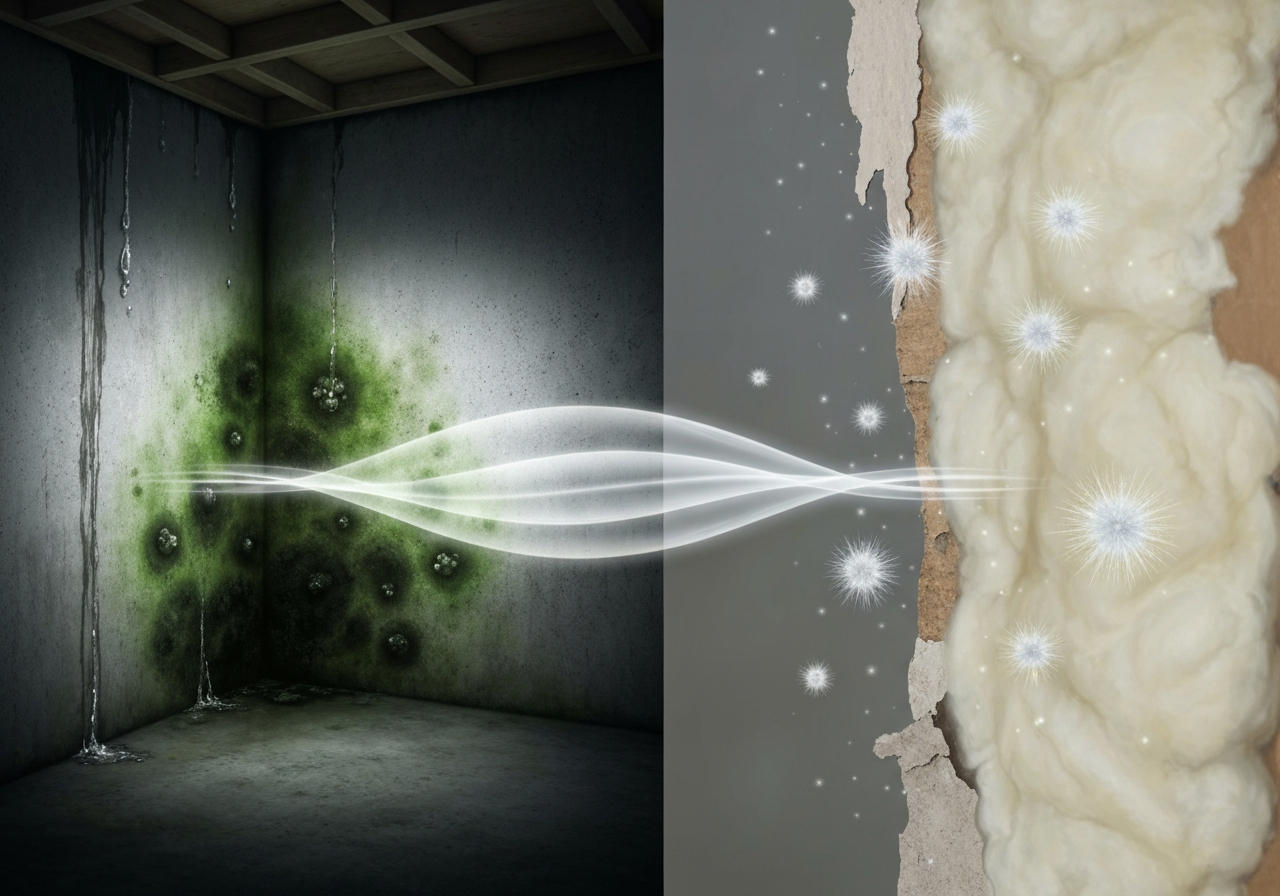
Mold is a ubiquitous and often unseen intruder in countless homes, silently posing a threat that extends far beyond mere aesthetics. While many homeowners associate mold with unsightly stains and unpleasant, musty odors, the true danger lies in the hidden health risks of home mold. This pervasive fungus, thriving in damp and humid environments, can trigger a spectrum of adverse health effects, ranging from mild allergic reactions to more severe and chronic respiratory conditions. Understanding the nature of this invisible threat is the first crucial step in safeguarding your family’s health and preserving the integrity of your property.
What Exactly is Mold, and Why is it More Than Just a Stain?
Mold is a type of microscopic organism belonging to the fungi kingdom, along with yeasts and mushrooms. It reproduces by releasing tiny, lightweight spores that float through the air, invisible to the naked eye. These spores are naturally present everywhere, both outdoors and indoors. The critical factor for mold growth in your home is moisture. When mold spores land on a damp or wet surface and find a food source (like wood, drywall, carpet, or insulation), they begin to grow and colonize rapidly.
Outdoors, mold plays a vital ecological role in breaking down dead organic matter. Indoors, however, mold growth is undesirable and can damage the materials it grows on, leading to structural deterioration and an unhealthy environment. Common indoor molds include Cladosporium, Penicillium, Aspergillus, and sometimes Stachybotrys chartarum, often referred to as “black mold,” which grows on materials with high cellulose content like paper products and wood. Regardless of its color or type, any mold growth indoors should be addressed promptly due to its potential to cause problems.
Uncovering the Hidden Health Risks of Home Mold
While often dismissed as a minor nuisance, the presence of mold in your home can significantly impact human health. Molds produce substances such as allergens, irritants, and in some cases, potentially toxic substances known as mycotoxins. Exposure occurs primarily through inhaling airborne spores or mold fragments, or through direct skin contact with mold-contaminated materials. The severity of health effects can vary widely depending on several factors:
- Individual Sensitivity: Some people are more genetically predisposed or sensitive to mold allergies than others.
- Type of Mold: While all molds have the potential to cause health problems, certain species may produce more potent irritants or mycotoxins.
- Duration and Level of Exposure: Prolonged exposure to high concentrations of mold spores generally increases the risk and severity of symptoms.
- Existing Health Conditions: Individuals with respiratory conditions, allergies, asthma, or compromised immune systems are particularly vulnerable.
It’s crucial to understand that even dead mold can still cause allergic reactions and irritation, emphasizing that mere “killing” the mold is insufficient; it must be thoroughly removed. The ongoing research into mold and its health effects continues to highlight the importance of proactive mold prevention and remediation.
From Allergies to Chronic Illness: A Spectrum of Mold-Related Symptoms
The symptoms of mold exposure can manifest in diverse ways, often mimicking other common illnesses, which makes diagnosing mold-related health issues challenging. The most common reactions are allergy-related:
- Upper Respiratory Symptoms: These include sneezing, runny or stuffy nose, itchy eyes, and throat irritation. Many people experience hay fever-like symptoms when exposed to mold spores.
- Coughing and Wheezing: Mold spores can irritate the respiratory tract, leading to persistent coughing and wheezing, even in individuals without pre-existing respiratory conditions.
- Skin Rashes: Contact with mold can cause skin irritation, dryness, itching, or rashes, especially in sensitive individuals.
For individuals with existing respiratory conditions, mold exposure can be particularly problematic:
- Asthma Exacerbation: Mold is a known trigger for asthma attacks. Exposure can lead to increased frequency and severity of asthma symptoms, including shortness of breath and chest tightness. Studies have even linked childhood exposure to household mold with an increased risk of developing asthma.
- Hypersensitivity Pneumonitis: A rarer but more serious condition, hypersensitivity pneumonitis is an immune-mediated inflammation of the lungs that can occur in susceptible individuals after inhaling large amounts of mold spores, often in occupational settings.
- Fungal Infections: In individuals with severely weakened immune systems (e.g., due to HIV/AIDS, organ transplants, or chemotherapy), mold exposure can lead to serious lung infections, such as aspergillosis, or other systemic fungal infections.
While some sources discuss “toxic black mold” and link it to neurological issues like memory loss and headaches due to mycotoxins, experts generally agree that black mold is not inherently more dangerous than other types of mold found in homes. The presence of mycotoxins in the air at levels typically found in moldy homes has not been conclusively linked to severe health problems. Nevertheless, any visible or suspected mold growth should be addressed regardless of its type, as all molds can potentially cause health issues.
Where Mold Lurks: Common (and Uncommon) Hiding Spots in Your Property
Mold requires moisture and a food source to grow, making certain areas of a home particularly susceptible. While some mold is obvious, much of it remains hidden, silently spreading and affecting indoor air quality. Common locations include:
- Bathrooms and Kitchens: Areas with high humidity, steam, and frequent water use, such as shower stalls, around sinks, and under cabinets, are prime breeding grounds.
- Basements and Crawl Spaces: These areas are often damp, poorly ventilated, and prone to leaks or condensation, creating ideal conditions for mold. Crawl space mold removal in SC is a frequent necessity due to the region’s humidity.
- Attics: Poor ventilation, roof leaks, or insufficient insulation can lead to condensation and mold growth in attics.
- Around Leaks: Any area affected by a leaky roof, plumbing pipes, or windows can quickly develop mold. Water stains on walls or ceilings are often indicators.
Less obvious, but equally problematic, hiding spots include:
- Behind Drywall and Wallpaper: Water damage can wick into these porous materials, allowing mold to grow unseen on the backside. Peeling or bubbling paint can also indicate moisture behind walls.
- Under Carpeting and Carpet Pads: If a carpet gets wet and isn’t dried thoroughly within 24-48 hours, mold can flourish beneath it, often emitting a musty odor without visible surface growth.
- Inside HVAC Systems and Ductwork: Condensation in air conditioning units or ducts, especially if drain pans are clogged, provides moisture for mold to grow and then spread spores throughout your home when the system runs.
- Behind Furniture: Large furniture items pushed directly against exterior walls can create cool, poorly ventilated pockets where condensation forms, fostering mold growth.
- Mattresses: Mattresses placed directly on the floor, particularly in humid environments, can trap moisture and create a breeding ground for mold underneath.
- Washing Machine Gaskets: The rubber gasket in front-loading washing machines can trap moisture and detergent residue, leading to mold and mildew growth.
Anywhere moisture accumulates and remains for an extended period, mold is a potential threat. Regular inspection and vigilance, even in hidden areas, are essential.
Signs You Have Hidden Mold: Smell, Symptoms, and Subtle Clues
Detecting hidden mold can be challenging, but your senses often provide the first clues. Relying on visual identification alone is often insufficient, as mold frequently thrives behind surfaces. Here are the key indicators:
- Persistent Musty Odor: This is arguably the most reliable sign of hidden mold. Mold produces microbial volatile organic compounds (MVOCs) that create a distinct, earthy, or stale smell. If you notice a musty odor that lingers despite cleaning and ventilation, even without visible mold, it’s a strong indicator of a hidden problem. Follow your nose to the strongest source of the smell.
- Unexplained Health Symptoms: If you or family members experience persistent or recurring allergy-like symptoms (sneezing, coughing, runny nose, itchy eyes, skin irritation, wheezing, headaches, fatigue) that seem worse when at home or in specific rooms, mold exposure could be the cause. These symptoms often improve when away from the affected environment.
- Physical Clues and Water Damage:
- Water Stains: Discoloration, streaks, or water rings on walls, ceilings, or floors often indicate past or ongoing moisture intrusion, which can lead to hidden mold.
- Warped or Swollen Materials: Buckling or warping of drywall, baseboards, floorboards, or peeling wallpaper can signal water damage and underlying mold growth.
- Condensation: Persistent condensation on windows, pipes, or cold surfaces, especially if not promptly dried, can indicate high indoor humidity that encourages mold growth.
- Peeling Paint: Paint bubbling or peeling on walls, especially in bathrooms or near windows, is often due to moisture trapped behind the surface, creating a hospitable environment for mold.
- Increased Pest Activity: Damp, moldy environments can attract pests like cockroaches, rodents, or termites, which thrive in moist conditions.
If you suspect hidden mold based on these signs, it’s important to investigate carefully or, better yet, consult a professional to avoid inadvertently spreading spores. Remember, mold doesn’t always need to be visible to impact your health.
The Perils of DIY Mold Removal: Why Professionals are Essential
While small patches of surface mold, like those in a shower, can often be managed with household cleaners, attempting comprehensive DIY mold removal for larger or hidden infestations carries significant risks and is generally not recommended. Mold remediation is a specialized process that requires expertise and proper equipment to be effective and safe.
The dangers of DIY mold removal include:
- Spreading Spores: Disturbing mold without proper containment can release millions of microscopic spores into the air, potentially spreading the contamination to unaffected areas of your home and increasing exposure for occupants.
- Incomplete Removal: Mold often has deep root-like structures (hyphae) that penetrate porous materials. Simply wiping the surface might remove visible mold, but it won’t eliminate the underlying growth, leading to rapid recurrence.
- Health Hazards: Without appropriate personal protective equipment (PPE), such as N95 respirators, gloves, and eye protection, you risk inhaling a high concentration of mold spores, allergens, and mycotoxins, which can worsen existing health conditions or trigger new ones.
- Missing the Source: Effective mold remediation requires identifying and fixing the underlying moisture problem. DIY efforts often focus only on the visible mold, leaving the moisture source unaddressed, guaranteeing the mold will return.
- Structural Damage: Extensive mold growth can compromise the structural integrity of building materials. Proper assessment and repair may be beyond the scope of a homeowner.
Professional mold remediation is essential when:
- The moldy area is larger than 10 square feet (roughly a 3×3 foot patch).
- You suspect hidden mold due to a persistent musty odor but cannot locate the source.
- The mold growth is a result of sewage backup or other contaminated water.
- Occupants have severe mold allergies, asthma, or compromised immune systems.
- Mold reappears shortly after a DIY cleanup.
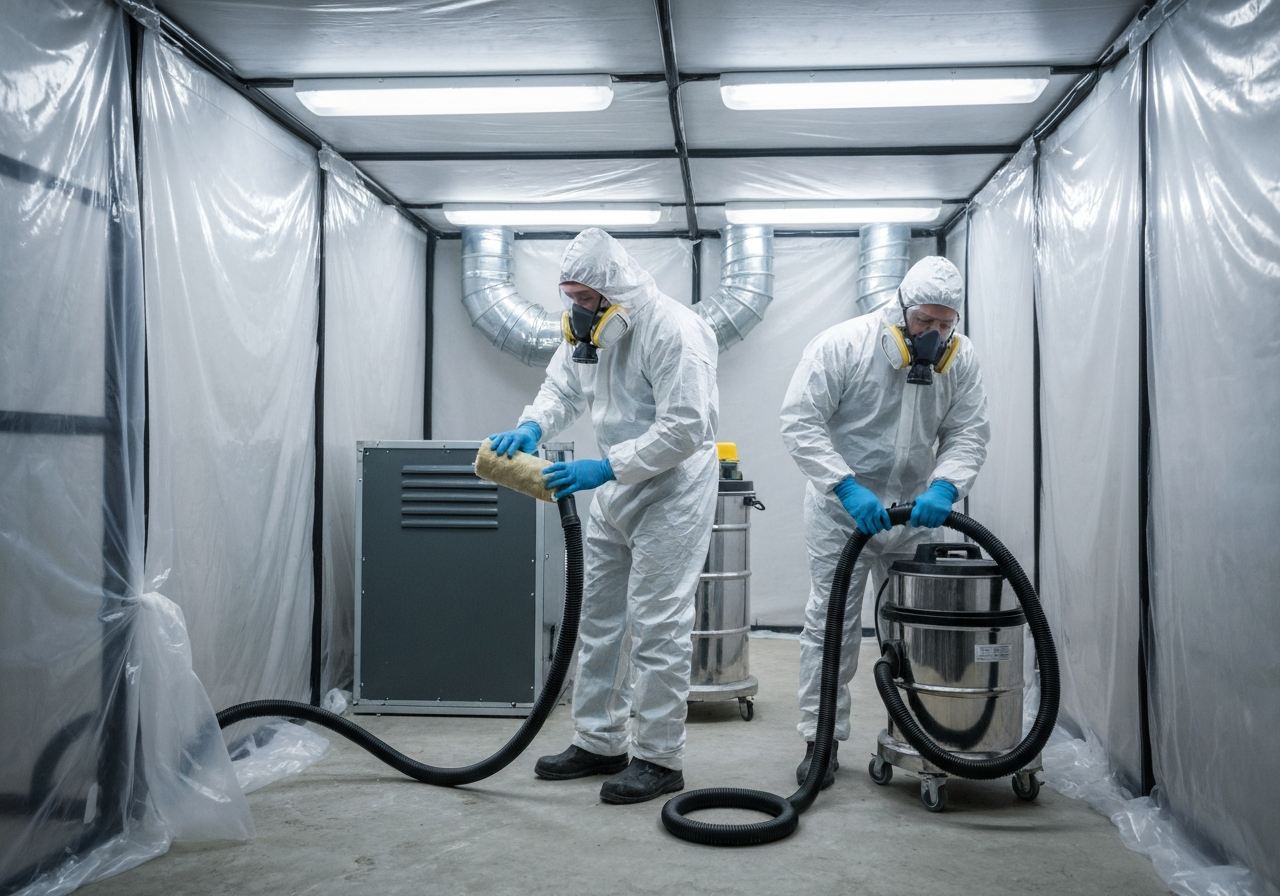
Professional remediators have the training, specialized equipment (like HEPA air scrubbers, negative air machines, and industrial dehumidifiers), and knowledge of containment protocols to safely and effectively remove mold and address its root cause, ensuring a healthier environment for your home.
Piedmont Quality Air: Your Partner in Professional Mold Remediation in South Carolina (and Beyond)
When it comes to addressing the complex challenges of mold in your home or business, particularly in the humid climate of South Carolina, expertise and reliability are paramount. Piedmont Quality Air stands as your trusted partner, offering comprehensive and professional mold remediation services designed to restore healthy indoor environments and protect your property investment.
Our team of experienced and trained professionals understands the unique conditions that foster mold growth in the region, from coastal humidity to common structural vulnerabilities. We utilize advanced techniques and specialized equipment to ensure that mold is not only removed effectively but also that its underlying moisture source is identified and rectified to prevent recurrence.
Our services encompass every critical aspect of mold management:
- Professional Mold Inspection: Our thorough inspections go beyond visible signs, employing moisture meters and thermal imaging to uncover hidden mold and pinpoint its source, providing you with a clear and accurate assessment.
- Comprehensive Mold Removal: We adhere to strict industry standards for containment, air filtration, and safe removal of contaminated materials, minimizing airborne spores and protecting your property during remediation.
- Commercial Mold Remediation: For businesses, we understand the urgency and potential liabilities associated with mold. Our rapid response and meticulous approach minimize disruption and ensure compliance.
- Post-Hurricane Asbestos Mold Remediation: In the aftermath of severe weather events, we specialize in addressing both mold and asbestos, two critical hazards often encountered in flood-damaged properties, ensuring a safe recovery.
Piedmont Quality Air is committed to upholding the highest standards of safety and service. We stay informed about legislative developments, such as proposed South Carolina mold remediator certifications, and align our practices with authoritative industry guidelines like the IICRC S520 Standard for Professional Mold Remediation. Our goal is to provide peace of mind through effective, lasting solutions, ensuring your indoor air quality is safe and your property is protected.
Proactive Steps: Preventing Mold Growth and Protecting Your Indoor Air Quality
The most effective strategy against mold is prevention. By proactively managing moisture and maintaining good indoor environmental conditions, you can significantly reduce the risk of mold growth and protect your home and health. Here are essential steps:
- Control Indoor Humidity: Aim to keep indoor humidity levels below 60%, ideally between 30-50%. Use air conditioners and dehumidifiers, especially in damp areas like basements, crawl spaces, and during humid seasons. Consider a whole-house dehumidifier for consistent control.
- Promptly Repair Leaks: Fix any plumbing leaks, roof leaks, or foundation leaks immediately. Even small, slow leaks can provide enough moisture for mold to establish itself. Inspect areas around windows and doors for water intrusion.
- Ensure Proper Ventilation:
- Use exhaust fans in bathrooms when showering and allow them to run for at least 15-20 minutes afterward.
- Use exhaust fans in kitchens when cooking or running the dishwasher.
- Ensure clothes dryers are properly vented to the outside.
- Provide adequate ventilation in attics and crawl spaces to prevent moisture buildup.
- Dry Wet Areas Quickly: After any spill, leak, or minor flood, thoroughly clean and dry all affected materials and areas within 24-48 hours. This is critical to prevent mold spores from taking hold.
- Clean and Maintain HVAC Systems: Regularly inspect and clean your heating, ventilation, and air conditioning (HVAC) system, including ducts, coils, and drain pans. Clogged drain pans can lead to water overflow and mold growth within the system. Change filters regularly.
- Improve Drainage Around Your Home: Ensure that gutters are clean and direct rainwater away from your home’s foundation. Grade the landscape around your house so that water slopes away from the foundation, preventing pooling.
- Avoid Carpeting in Wet Areas: Do not install carpeting in bathrooms, basements, or other areas prone to constant dampness.
- Insulate Pipes: Insulate cold water pipes and other surfaces to prevent condensation from forming, especially in humid areas.
- Regular Cleaning: Routine cleaning helps remove settled mold spores before they have a chance to grow. Pay attention to areas where mold commonly appears, like grout lines and window sills.
By integrating these proactive measures into your home maintenance routine, you create an environment that is less hospitable to mold, thereby protecting your indoor air quality and overall well-being.
Don’t Let Mold Undermine Your Health: Take Action Today
The presence of mold in your home is more than a cosmetic issue; it represents a tangible threat to your family’s health and the structural integrity of your property. The hidden health risks of home mold, ranging from irritating allergies and aggravated asthma to potential infections in vulnerable individuals, underscore the critical importance of swift and effective action. While mold spores are a natural part of our environment, allowing them to proliferate indoors due to unaddressed moisture creates an unhealthy living space.
Protecting your home and loved ones from this insidious invader requires vigilance, prompt attention to moisture issues, and, when necessary, the expertise of professionals. Don’t underestimate the potential impact of mold; recognizing its signs and understanding the pathways to its control are essential steps toward a healthier, safer home environment.
Protect your home and health from mold’s invisible threat. Contact Piedmont Quality Air for expert mold remediation!