The Appeal of DIY Demolition: A Cost-Saving Illusion?
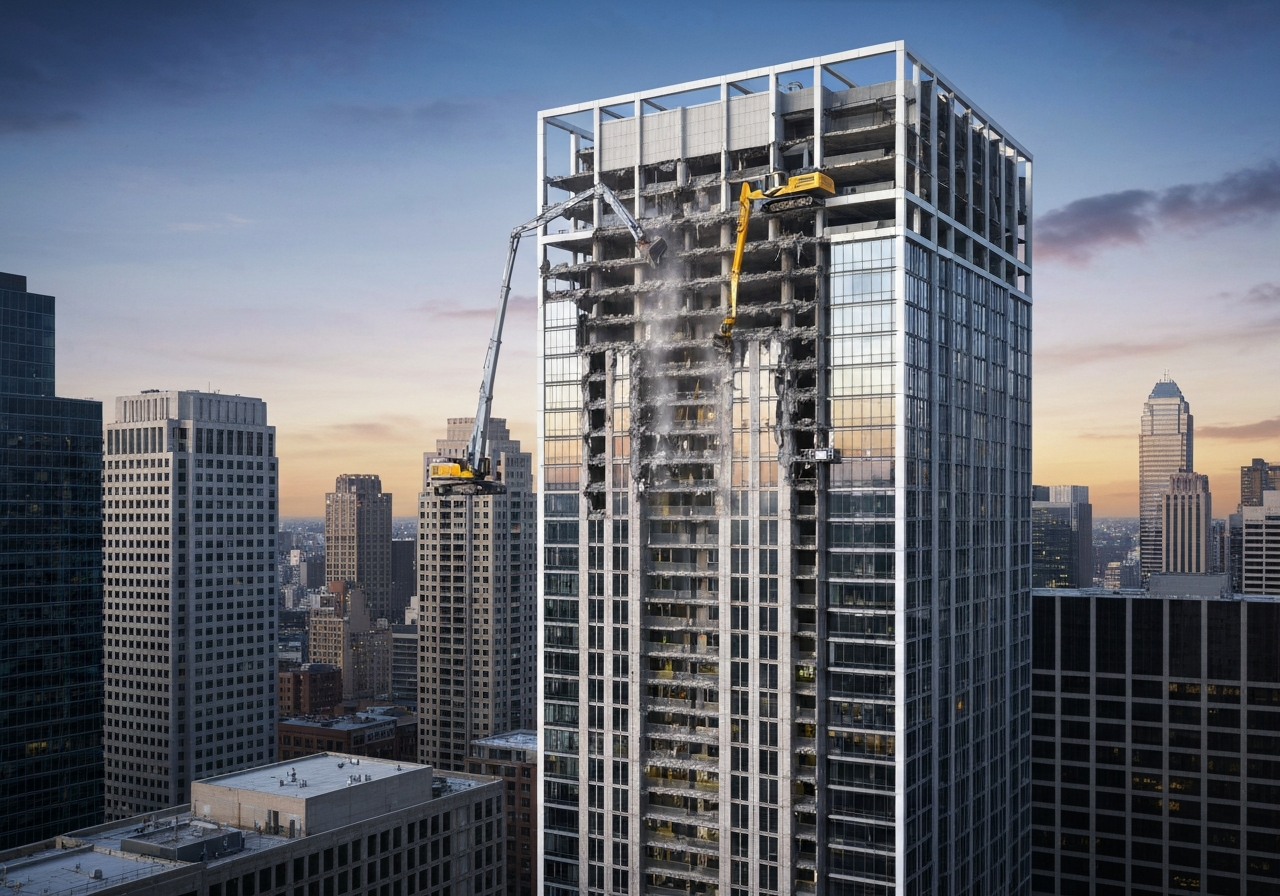
Many homeowners are drawn to the idea of do-it-yourself (DIY) demolition, envisioning significant cost savings and the satisfaction of personal involvement in home renovation. However, the initial allure of a bargain can quickly turn into a costly and dangerous undertaking when not approached with professional expertise. What begins as an effort to save money often leads to unforeseen expenses and serious hazards that far outweigh any perceived initial savings. Understanding the critical DIY home demolition risks is paramount before embarking on such projects.
The Hidden Perils: Understanding Critical DIY Home Demolition Risks
Demolition is inherently complex, involving more than just smashing walls. Without proper knowledge, homeowners can face a multitude of dangers. These include:
- Structural Instability: Unknowingly removing a load-bearing wall can compromise the entire structure of a home, leading to sagging floors, cracked walls, and even catastrophic collapse.
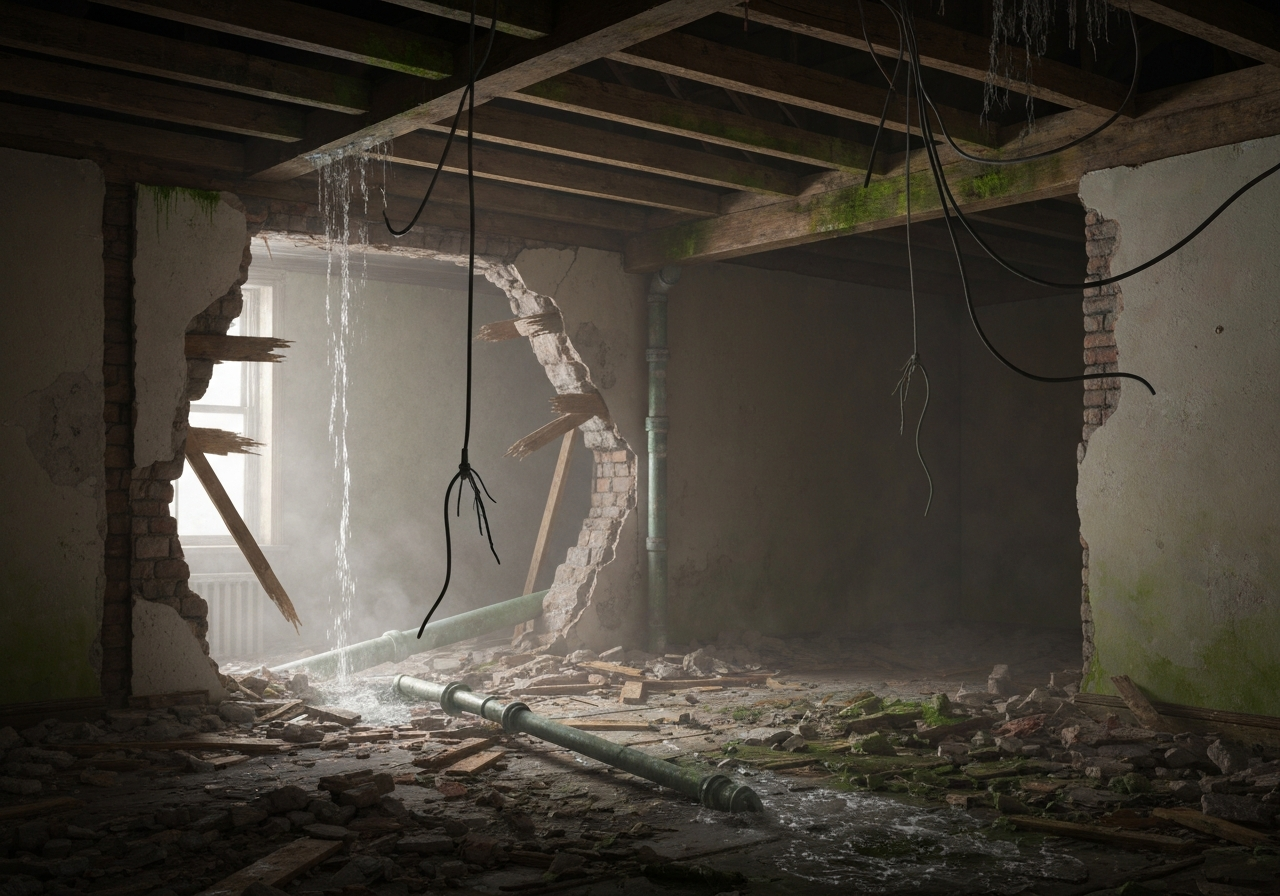
- Utility Line Damage: Hidden electrical wiring, plumbing pipes, or gas lines can lead to severe injuries, fires, or explosions if accidentally disturbed.
- Exposure to Hazardous Materials: Older homes often contain dangerous substances like asbestos and lead, which, when disturbed, can release toxic particles into the air.
- Physical Injury: Demolition involves heavy lifting, falling debris, and the use of power tools, all of which carry a high risk of serious injury without proper training and safety equipment.
The immediate danger of collapse during DIY wall removal, especially when dealing with load-bearing walls, is a real threat not just to the DIYer but also to other occupants. Professional assessment by a structural engineer is crucial to identify and plan for these complexities.
Invisible Dangers: Why Asbestos and Mold Are Not DIY-Friendly
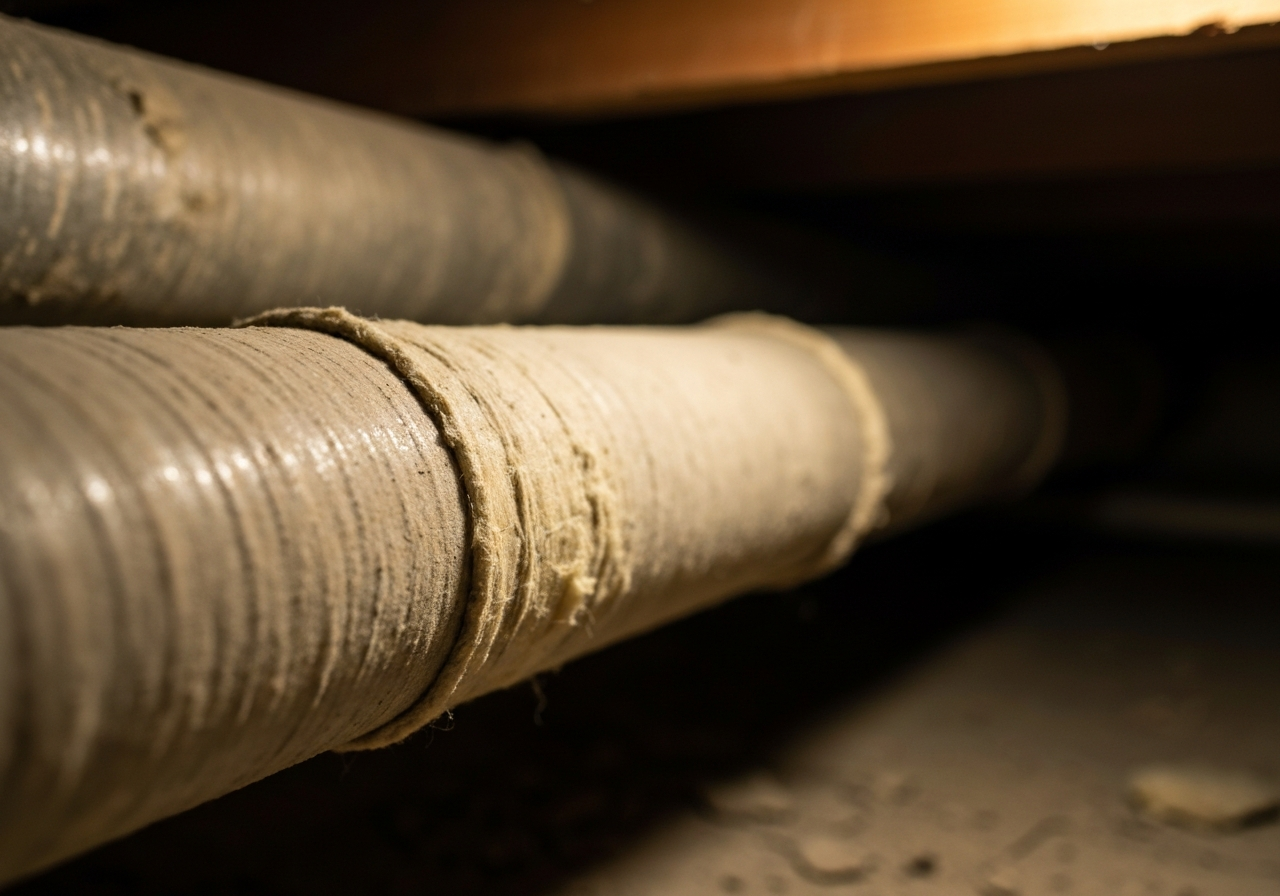
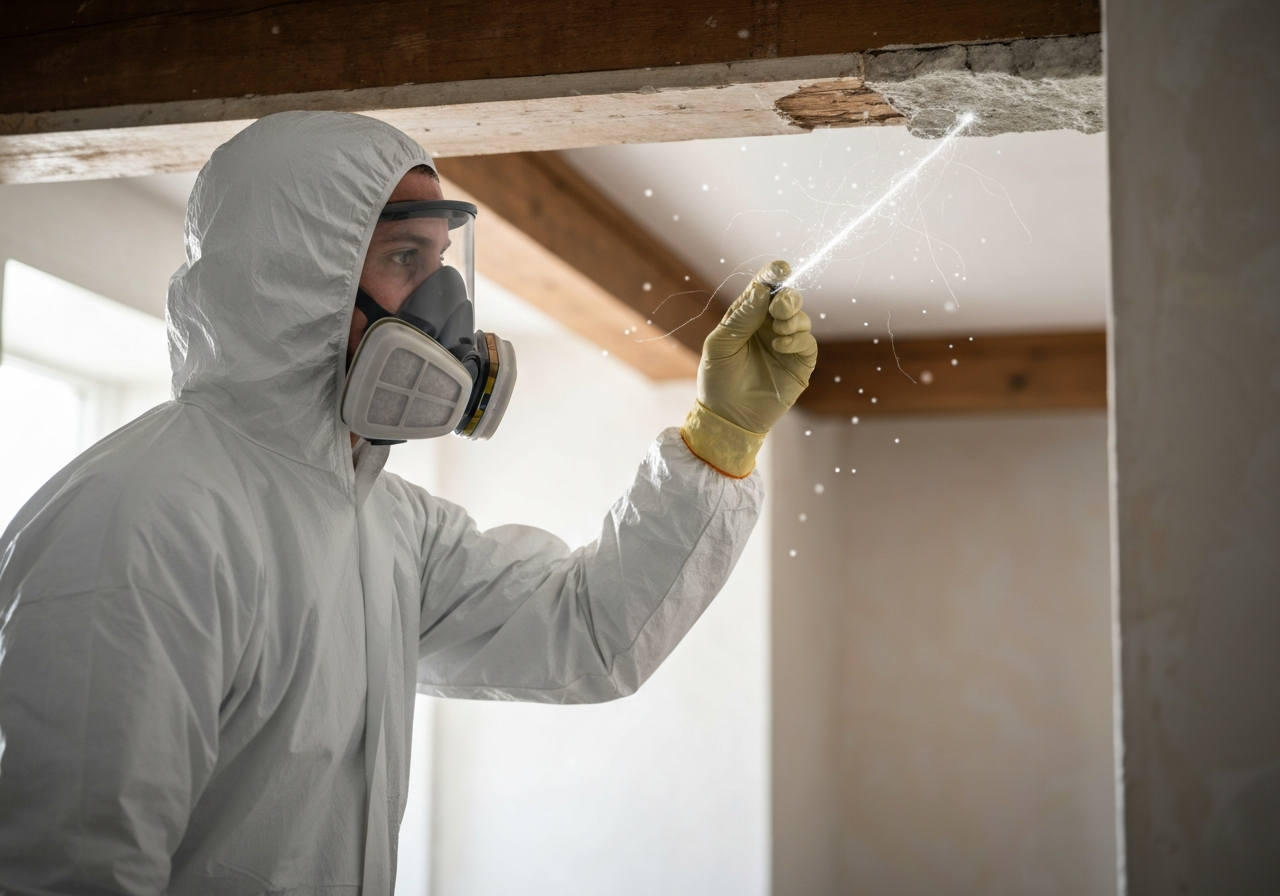
Homes built before the early 1990s frequently contain materials with asbestos. This once-common building material, found in insulation, floor tiles, roofing, and even textured paints, becomes hazardous when disturbed. When cut, drilled, sanded, or broken during renovation, it releases microscopic fibers that, if inhaled, can cause severe diseases like mesothelioma and lung cancer decades later. Research indicates that over 60% of DIY renovators working on older homes have been exposed to asbestos, highlighting the serious nature of asbestos exposure during home renovation. Even seemingly small tasks can pose significant risks.
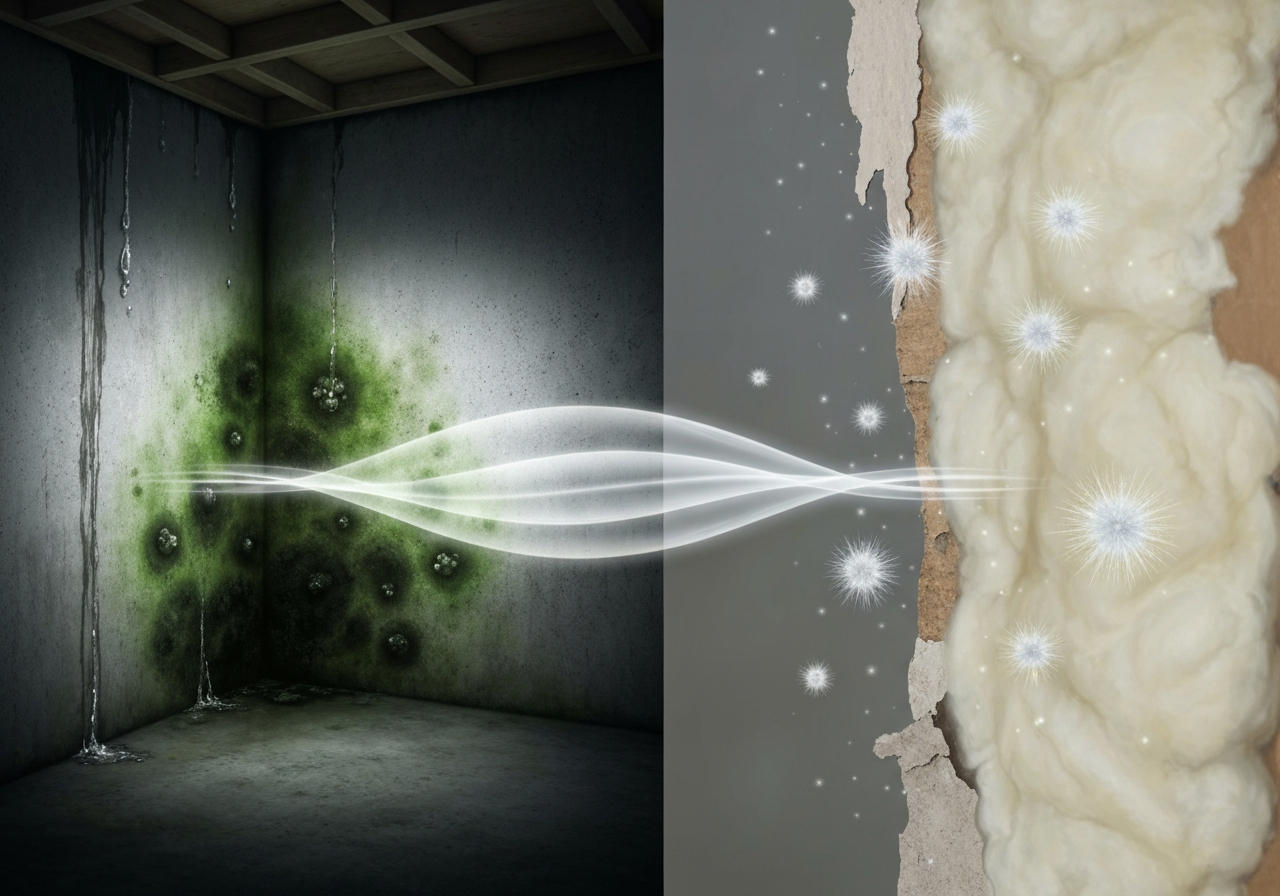
Similarly, mold, often caused by moisture intrusion or high humidity, can produce allergens and mycotoxins that lead to respiratory issues and other ailments. Demolition activities can aerosolize mold spores, spreading contamination throughout a home. For safe practices, especially in South Carolina’s humid climate, professional removal of hazardous materials before demolition is critical. This includes identifying and safely abating asbestos, lead, and mold before any structural changes begin. Proper asbestos inspections and the use of certified abatement contractors are non-negotiable for protecting health.
Beyond the Surface: Structural Integrity and Utility Line Hazards
Beyond the visible components, the structural integrity of your home and the intricate network of utility lines present significant DIY home demolition risks. Misidentifying a load-bearing wall can have catastrophic consequences, leading to partial or complete structural failure. A real-world lesson often overlooked by others is that every wall has a purpose, and that purpose isn’t always obvious. What might appear to be a simple partition could be integral to supporting upper floors or the roof. Similarly, hidden electrical conduits, gas pipes, and water lines crisscross through walls and ceilings. Damaging these can lead to:
- Electrical Shocks and Fires: Severing live electrical wires without proper lockout procedures.
- Gas Leaks and Explosions: Breaking a gas line can lead to an immediate and life-threatening hazard.
- Water Damage and Flooding: Puncturing water pipes can cause extensive damage and create ideal conditions for mold growth.
An expert insight to add for authority is that a professional structural engineer’s assessment is the only reliable way to confirm which walls are load-bearing and to plan for their safe modification or removal. They design solutions like structural beam installation to redistribute loads safely.
Legal and Financial Repercussions: Avoiding Fines and Liabilities in North Carolina
Attempting DIY demolition without understanding local regulations can lead to significant legal and financial repercussions. In North Carolina, there are specific N.C. Asbestos Rules, Regulations & Ordinances that govern demolition and renovation projects, particularly concerning asbestos. Both property owners and contractors are legally obligated to ensure compliance. Failure to adhere to these rules can result in substantial fines, project delays, and even lawsuits due to exposure risks.
Key regulatory aspects include:
- Permitting and Notification: Many demolition projects require permits and prior notification to state agencies like the North Carolina Department of Health and Human Services (NCDHHS) and the North Carolina Department of Environmental Quality (NCDEQ), especially if asbestos is involved.
- Licensed Professionals: Asbestos inspection, abatement, and disposal must often be carried out by state-licensed and certified professionals.
- Proper Waste Disposal: Asbestos-containing materials are classified as hazardous waste and must be disposed of at specifically permitted landfills following strict guidelines. Improper disposal is illegal and can lead to severe environmental and health hazards.
The most convincing evidence for credibility in asbestos management is a perfect safety record achieved through unwavering adherence to established protocols and regulations. It’s not just about what you do, but how meticulously you do it, ensuring every fiber is contained.
The True Cost of a ‘Bargain’: When DIY Demolition Goes Wrong
The perceived cost savings of DIY demolition often mask the true financial burdens incurred when things go awry. A “bargain” can quickly spiral into a budget-breaking nightmare. This is a critical aspect of DIY home demolition risks that many homeowners underestimate. The hidden costs include:
- Emergency Repairs: Unforeseen structural damage or utility line ruptures necessitate immediate and often expensive professional intervention.
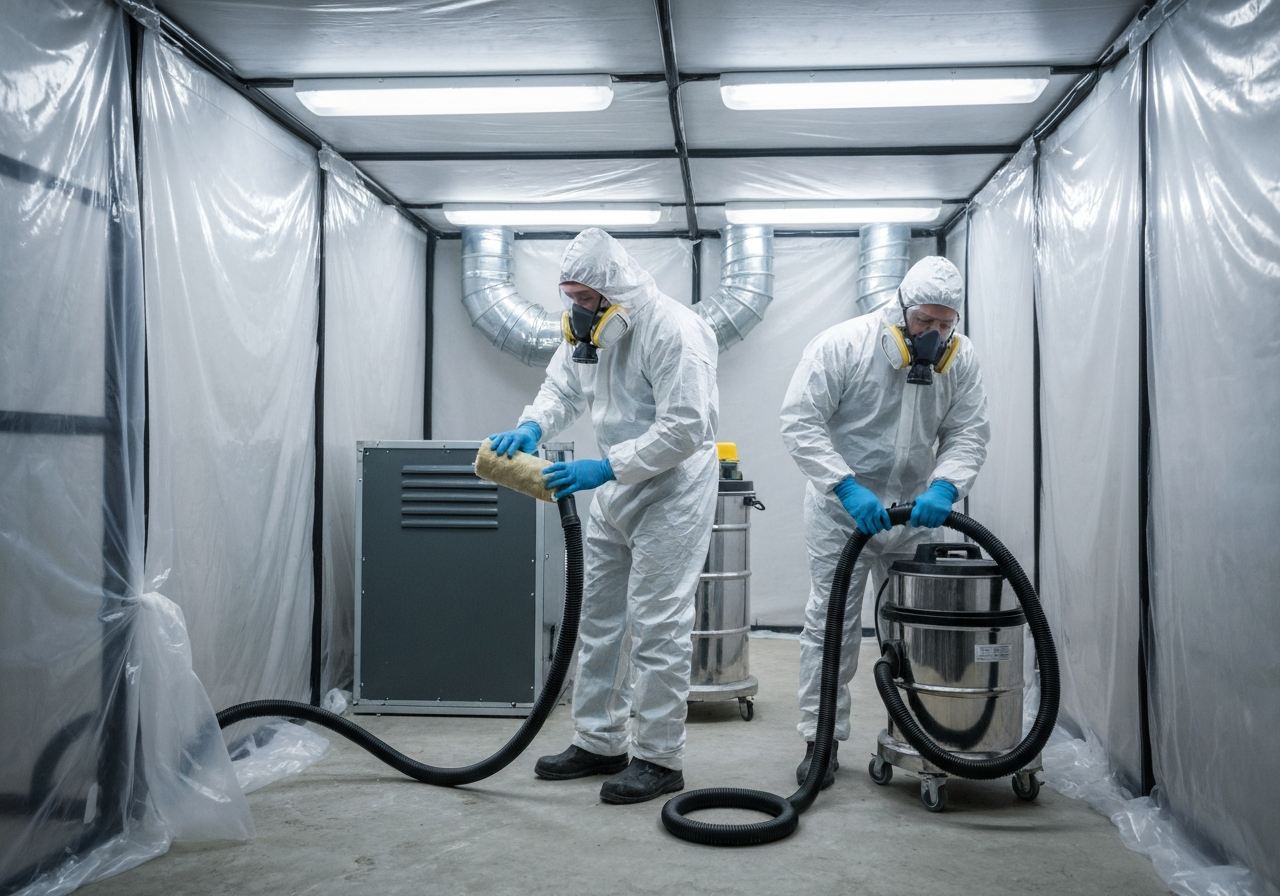
- Hazardous Material Abatement: Discovering asbestos or lead mid-project requires halting work and engaging certified professionals for costly removal and disposal. For example, professional asbestos abatement services involve specialized equipment and strict safety protocols that are far more extensive than a DIY approach.
- Medical Expenses: Injuries sustained during demolition can lead to significant medical bills, lost wages, and long-term health issues.
- Fines and Legal Fees: Non-compliance with local permits, environmental regulations, or safety standards can result in hefty fines and potential legal action.
- Project Delays: Setbacks due to unforeseen hazards or regulatory issues can extend project timelines, leading to increased labor costs and inconvenience.
- Decreased Property Value: Unrepaired damage or a history of improper demolition can significantly reduce your home’s market value, making it harder to sell.
The article on the hidden costs of DIY demolition comprehensively illustrates how professional services are a wise investment that saves money in the long run by preventing these costly mistakes.
Why Professional Demolition is the Safer, Smarter Choice
Opting for professional demolition services transcends mere convenience; it is a commitment to safety, efficiency, and long-term financial prudence. Professionals bring a wealth of advantages:
- Expertise and Experience: Licensed contractors possess the training and experience to handle complex demolition projects, including identifying and mitigating hazards.
- Specialized Equipment: They utilize appropriate tools and machinery that are essential for safe and efficient demolition, which would be impractical or unsafe for a DIYer to acquire or operate.
- Hazardous Material Management: Professionals are equipped to identify, contain, and safely remove dangerous substances like asbestos, lead, and mold, adhering to all regulatory guidelines. This includes knowing the correct procedures for asbestos removal in Charlotte NC and surrounding areas.
- Regulatory Compliance: They navigate permitting, notifications, and waste disposal regulations, ensuring all work is legally compliant and avoiding potential fines.
- Comprehensive Insurance: Reputable contractors carry adequate insurance, protecting property owners from liability in case of accidents or unforeseen issues.
- Efficiency and Timeliness: With proper planning and resources, professionals complete projects efficiently, minimizing disruption and adhering to schedules.
- Peace of Mind: Knowing that trained experts are handling the demolition safely and legally provides invaluable peace of mind.
For critical tasks like structural alterations, where parts of your house could collapse, it’s best to leave these projects to the pros. The investment in professional services prevents severe structural issues and health risks.
Protect Your Investment and Health: Partnering with Piedmont Quality Air
Protecting your home and the health of its occupants requires a proactive approach, especially when considering any demolition or renovation work. Given the complexities and significant risks associated with DIY home demolition, partnering with a qualified and reputable expert is the safest and most reliable choice. Piedmont Quality Air is committed to ensuring the safety and health of your living and working environments. Our team comprises experienced and highly trained professionals who utilize specialized equipment to conduct asbestos removal, mold removal, and interior demolition services in full adherence to federal and state regulations for hazardous material removal.
We understand the nuances of working within specific environmental guidelines, minimizing disruption while upholding the highest safety standards. Whether you’re dealing with standard demolition or unique challenges like post-flood asbestos mold remediation, our services are designed to protect your property and its occupants. Our commitment to expertise, safety, and regulatory compliance ensures that your project will be handled with the utmost professionalism, safeguarding your investment and your family’s health.
Considering a demolition project? Don’t risk the dangers of DIY. Contact Piedmont Quality Air today for safe, professional, and compliant hazardous material removal and demolition services.