Protecting Your Legacy: The Enduring Challenge of Asbestos in Older Properties
For many homeowners, older properties embody charm, history, and a unique character. Yet, beneath the surface of these beloved homes often lies a silent and enduring threat: asbestos. Despite widespread awareness and regulations, the hazardous mineral asbestos can still be lingering in old homes, posing significant health risks if disturbed. Understanding this enduring challenge is crucial for protecting your family and your property.
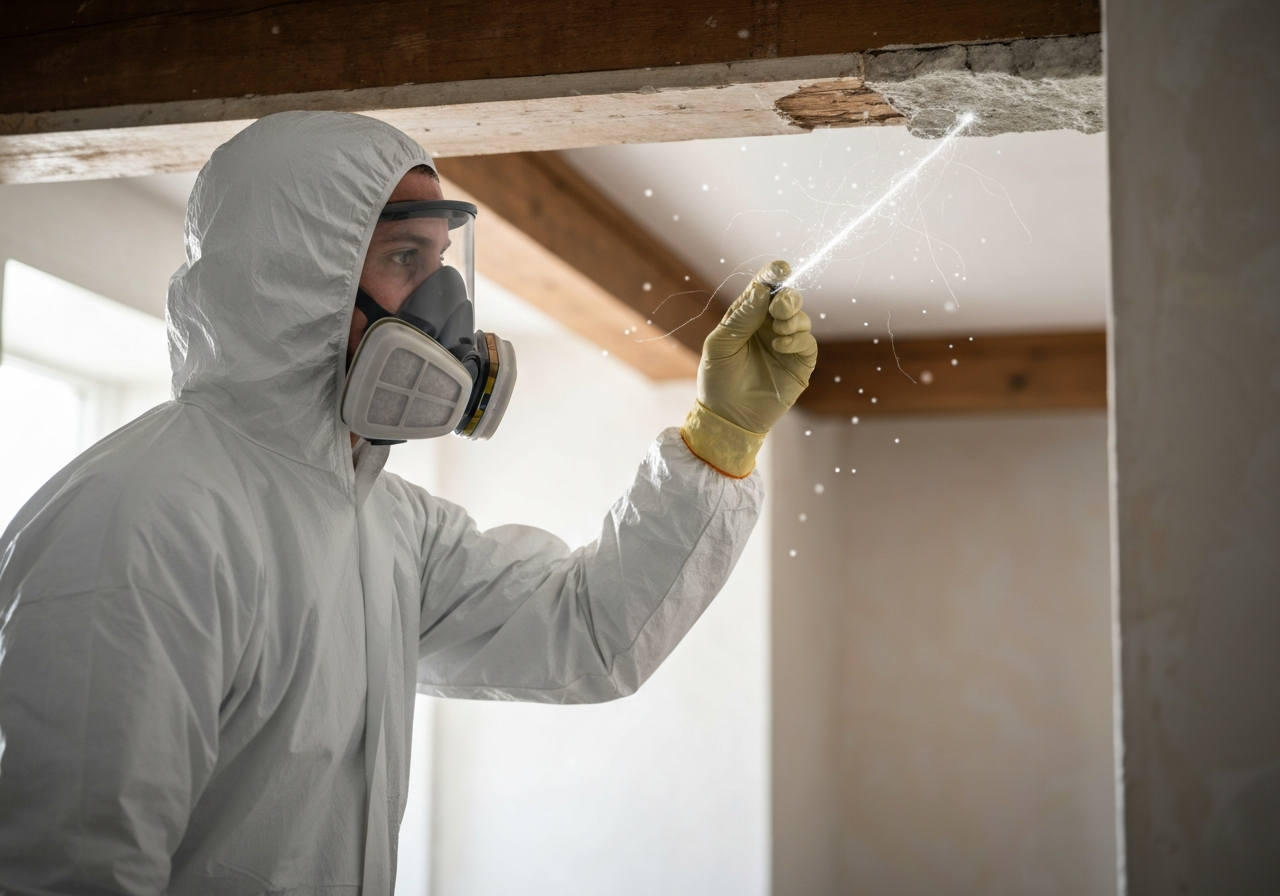
Asbestos, once lauded for its fire resistance, insulating properties, and durability, was extensively used in construction materials from the 1900s through the late 1980s. While regulations in the 1970s and 80s curtailed its use, a complete ban never materialized in the U.S. This means millions of homes built before 1980 likely contain asbestos-laden materials. The primary danger arises when these materials deteriorate, are damaged, or are disturbed during renovations or repairs, releasing microscopic fibers into the air. There is no known safe level of asbestos exposure, and even brief, high-intensity contact can lead to severe, long-term health issues decades later.
Why Asbestos Can Still Be Lingering in Old Homes: Common Hiding Spots Revealed
Identifying asbestos in older homes can be challenging because its fibers are often integrated into other materials and are invisible to the naked eye. However, certain areas and products are more prone to containing asbestos. Homeowners should assume asbestos is present in pre-1980s homes until professional testing proves otherwise.
Common asbestos-containing materials include:
- Flooring: Vinyl floor tiles (especially 9″x9″ or 12″x12″ tiles) and the black mastic adhesive used to install them frequently contain asbestos. Disturbing these during removal or sanding can release fibers.
- Ceilings: Popcorn ceilings, textured paints, and acoustic ceiling tiles were popular for their soundproofing and aesthetic qualities and often contain asbestos. Scraping, drilling, or water damage can make them friable.
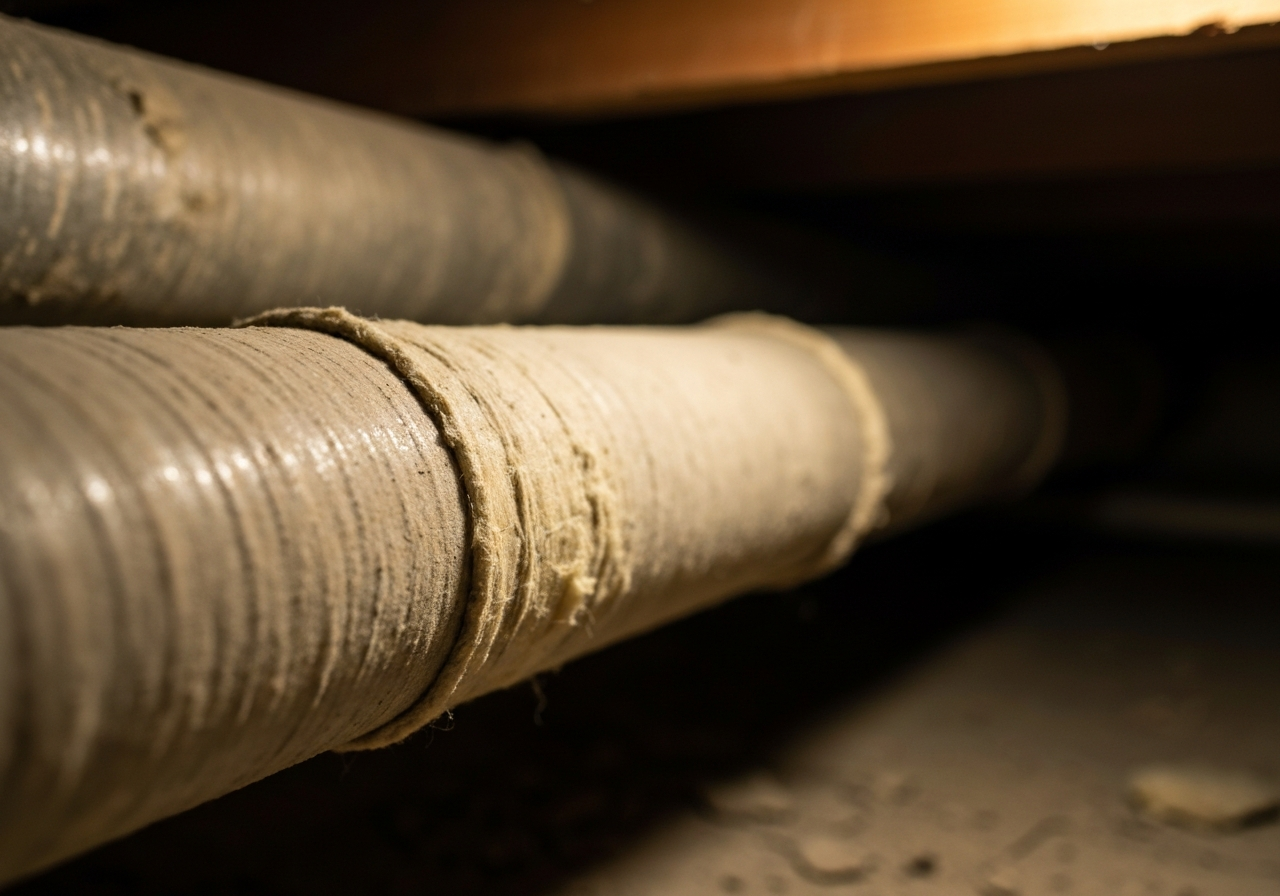
- Insulation: Attic insulation, particularly loose, pebble-like vermiculite (often appearing gold-brown to silver-grey), is a significant source of asbestos. Pipe insulation around hot water or steam pipes, appearing as corrugated paper-like wrapping or a grey-white plaster-like coating, also commonly contains asbestos.
- Walls: Drywall and joint compounds, plaster, and cement sheets used for interior walls can contain asbestos. Simple actions like patching holes or sanding can release fibers.
- Roofing and Siding: Asbestos cement siding panels and roofing shingles were widely used for their weather resistance. While generally non-friable when intact, cutting, drilling, or demolition can release hazardous fibers.
These materials, if undisturbed and in good condition, may pose a minimal risk. However, any activity that could damage or break them increases the danger significantly.
Beyond the Walls: Unexpected Places Asbestos May Hide in Your North Carolina Home
While the usual suspects like flooring and insulation are well-known, asbestos can still be lingering in old homes in less obvious spots. For homeowners in North Carolina, being aware of these hidden dangers is critical, especially given the region’s climate and older housing stock. Beyond the primary structural components, asbestos can be found in:
- Furnaces and Boilers: Gaskets, insulation, and surrounds in older heating systems often contain asbestos for heat resistance.
- Window Glazing and Caulking: Sealants around windows and doors installed before the 1970s may have included asbestos.
- Old Electrical Wiring Insulation: Liners for recessed lighting, backing panels, and insulation for fuse boxes can contain asbestos fibers.
- Artificial Logs and Embers: Gas fireplaces manufactured before 1977 sometimes used asbestos-containing simulated ashes and embers to create a glowing effect.
- Vintage Household Appliances: Old toasters, slow cookers, ironing board covers, stovetop pads, and even some hair dryers might contain asbestos in their heat-shielding components.
- Vehicle Brakes and Clutches: For home mechanics, older car parts may contain asbestos. Replacing these without proper precautions can lead to exposure in a home garage.
Given that North Carolina has specific regulations governing asbestos abatement, understanding all potential locations ensures that any remediation efforts are thorough and compliant with state guidelines, as outlined in Piedmont Quality Air’s guide to NC asbestos rules and regulations.
The Invisible Threat: Understanding Asbestos Exposure Risks and Disturbing Dangers
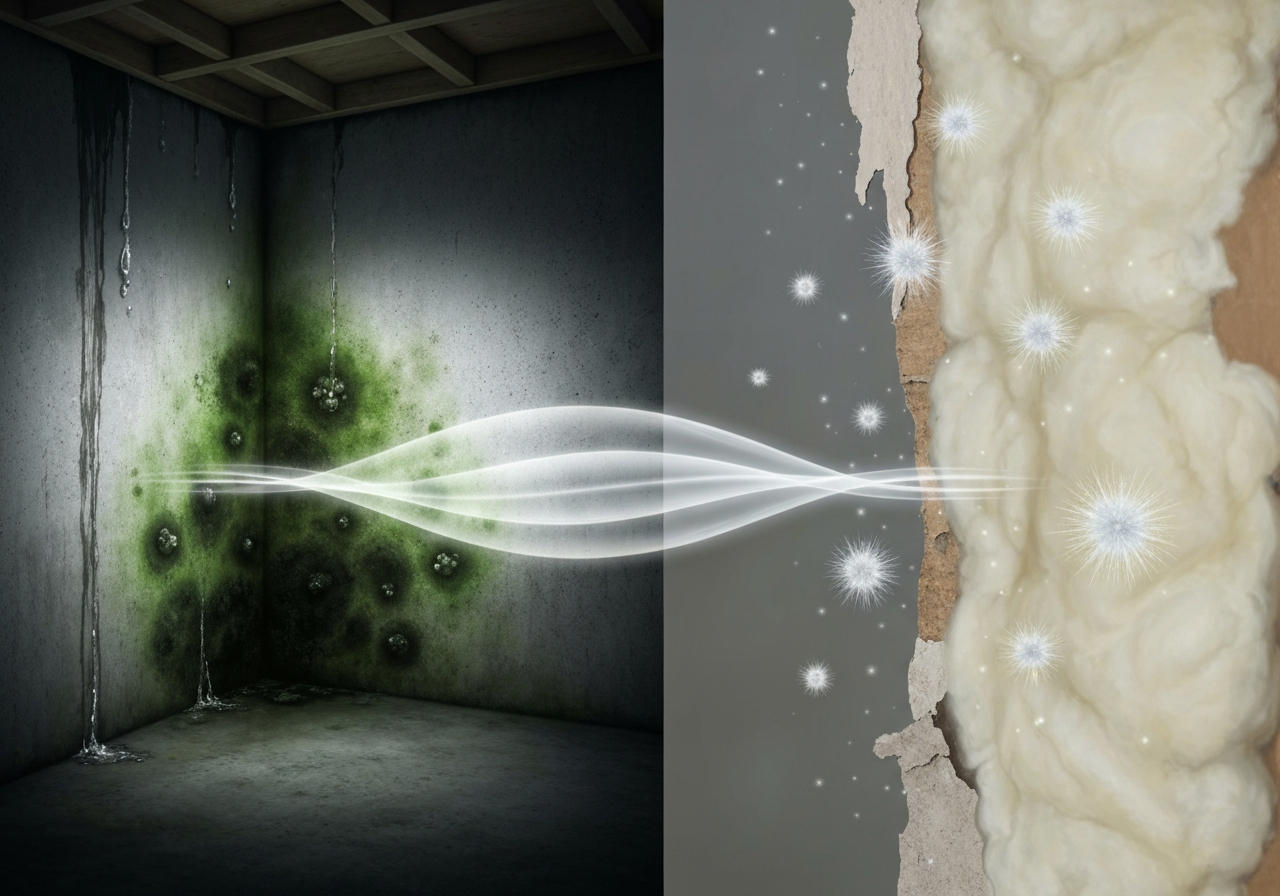
The true danger of asbestos lies in its microscopic fibers. When released into the air, these tiny, durable particles can be easily inhaled or ingested without immediate detection. Once inside the body, particularly the lungs, they can become lodged in tissues, causing irritation, inflammation, and scarring over many years. This prolonged cellular damage can eventually lead to severe, life-threatening diseases.
The health risks associated with asbestos exposure include:
- Mesothelioma: A rare but aggressive cancer of the lining of the lungs, abdomen, or heart, almost exclusively caused by asbestos exposure.
- Lung Cancer: Asbestos exposure significantly increases the risk of lung cancer, particularly for individuals who also smoke.
- Asbestosis: A chronic, non-cancerous lung disease characterized by scarring of lung tissue, leading to shortness of breath and a persistent cough.
- Other Cancers: Limited evidence suggests links to cancers of the larynx, ovary, stomach, pharynx, and colorectum.
Symptoms of asbestos-related diseases often have a long latency period, taking 10 to 40 years or more to appear after initial exposure. This delayed onset means individuals may not realize the extent of their exposure until serious illness develops. Even brief exposures, especially to high concentrations of fibers in enclosed spaces, can carry significant risk, highlighting the importance of caution and professional handling.
Don’t DIY It: Why Asbestos Removal Demands Expert Care
Given the severe health risks and the invisible nature of asbestos fibers, attempting to identify or remove asbestos-containing materials yourself is highly discouraged. There is no safe way for homeowners to conduct asbestos testing or removal. Disturbing asbestos without proper safety procedures can lead to widespread contamination of your home and serious exposure for yourself, your family, and even your neighbors.
Improper DIY removal can result in:
- Airborne Fiber Contamination: Without specialized containment and filtration systems, asbestos fibers can spread throughout your home’s HVAC system and beyond.
- Cross-Contamination: Fibers can settle on clothing, furniture, and personal items, creating ongoing exposure risks.
- Inadequate Disposal: Asbestos waste is classified as hazardous and requires strict disposal protocols, including double-bagging and transport to licensed landfills. Failure to comply can result in legal penalties and environmental contamination.
Many state and federal regulations govern asbestos handling and disposal precisely because of these dangers. For example, the Illinois Environmental Protection Agency emphasizes the hidden risks of DIY asbestos removal, including potential fines and increased remediation costs. Professionals have the training, equipment, and certifications to manage asbestos safely and in compliance with all laws.
Piedmont Quality Air: Your Trusted Partner for Safe Asbestos Abatement in NC
Navigating the complexities of asbestos identification and removal requires specialized expertise. Piedmont Quality Air is your trusted partner for comprehensive asbestos abatement services in North Carolina. Our team of experienced and certified professionals is fully trained in the latest asbestos removal techniques and strictly adheres to all federal, state, and local regulations. We understand the nuances of North Carolina’s specific requirements, ensuring every project is completed safely and legally.
Piedmont Quality Air offers:
- Expert Inspection and Testing: Our technicians are equipped to identify potential asbestos hazards and collect samples for laboratory analysis, determining the presence and extent of contamination.
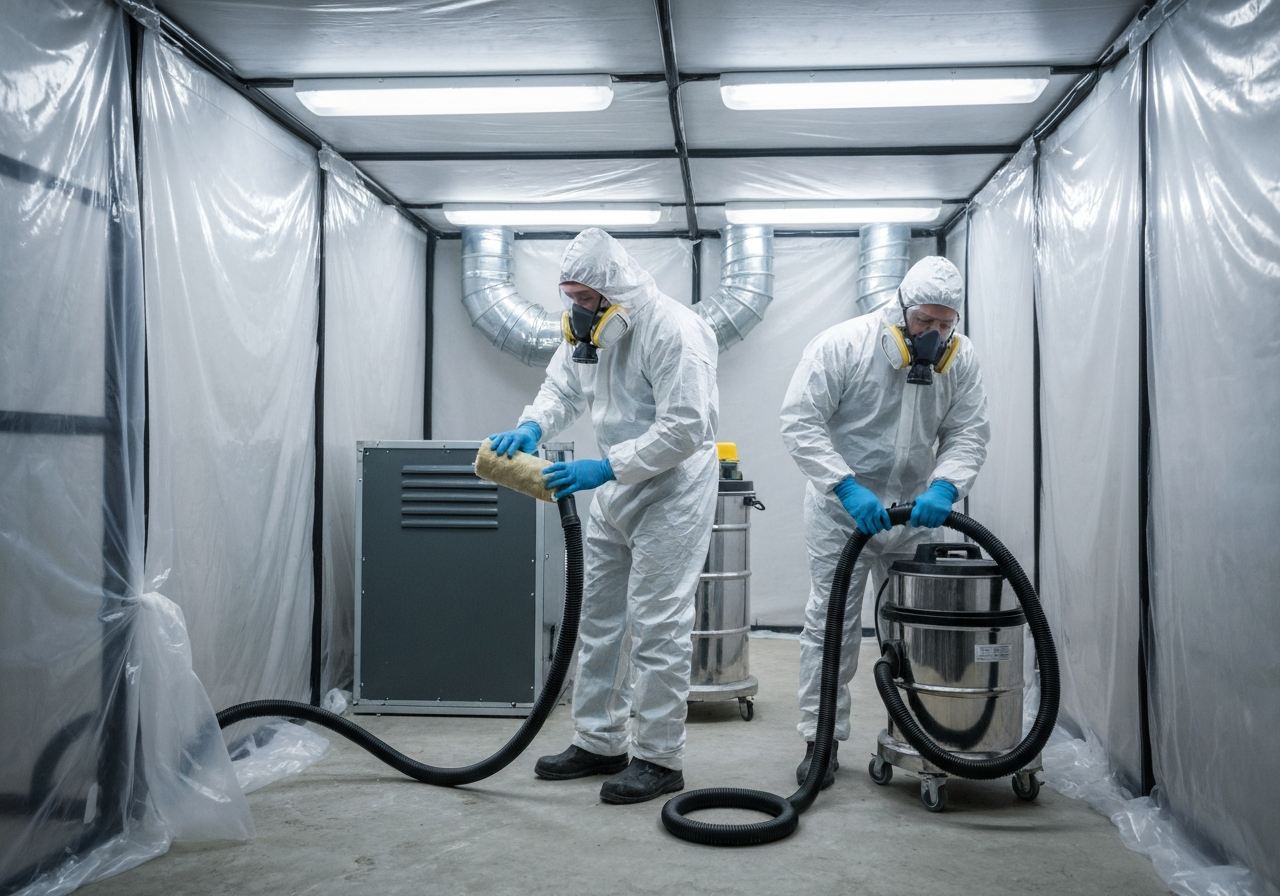
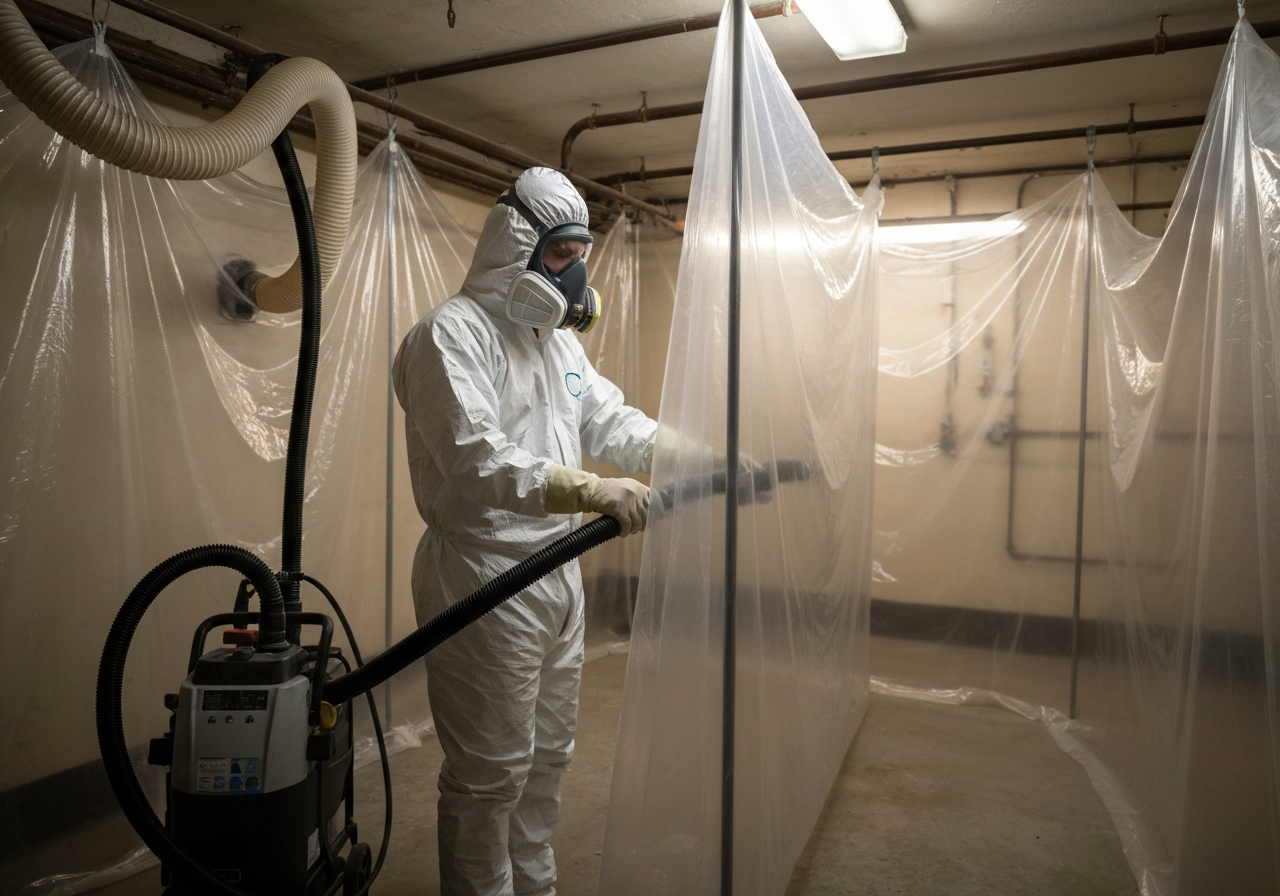
- Safe Abatement and Removal: We utilize rigorous safety protocols, including containment measures, negative air pressure systems, and wet removal techniques to minimize fiber release. All asbestos-containing materials are carefully removed and transported for proper disposal at approved landfills.
- Compliance Assurance: We ensure full adherence to regulations set by the EPA, OSHA, and the North Carolina Department of Health and Human Services (NCDHHS) and the North Carolina Department of Environmental Quality (NCDEQ).
Our commitment to safety and environmental protection means you can have peace of mind knowing your home is in expert hands. We are proficient in handling residential and commercial asbestos projects, including those resulting from storm damage, as detailed in our North Carolina asbestos storm damage cleanup guide.
Ensure Your Home’s Safety: Schedule a Free Asbestos Inspection with Piedmont Quality Air
If you own an older home, or suspect that asbestos can still be lingering in old homes on your property, taking proactive steps is essential. The potential for serious health consequences from disturbed asbestos fibers underscores the importance of professional assessment. Don’t wait until damage occurs or a renovation project inadvertently exposes you and your loved ones to this invisible threat.
Piedmont Quality Air offers free asbestos inspections to help you understand the risks and determine the best course of action for your property. Our experts will conduct a thorough evaluation and provide clear recommendations, whether it’s encapsulation, removal, or simply monitoring intact materials. Prioritize the health and safety of your home and family. Choose a reputable and compliant expert like Piedmont Quality Air to manage your asbestos concerns with the highest standards of professionalism and adherence to all applicable laws.
Concerned about asbestos in your older home? Don’t risk it! Schedule a free asbestos inspection with Piedmont Quality Air today and ensure the safety of your family.