Introduction: Protecting Your Piedmont NC Home from Mold
Maintaining a healthy home environment is a top priority for homeowners in Piedmont, NC. However, one silent threat often undermines these efforts: mold. Mold is not just an unsightly nuisance; it can pose significant health risks and cause extensive property damage if left unaddressed. This Piedmont NC mold prevention guide provides essential information and practical strategies to safeguard your home from this pervasive problem. Understanding mold, its causes, and effective prevention techniques is crucial for residents in North Carolina’s humid climate.
Why Mold Matters: Understanding Health Risks and Property Damage in North Carolina
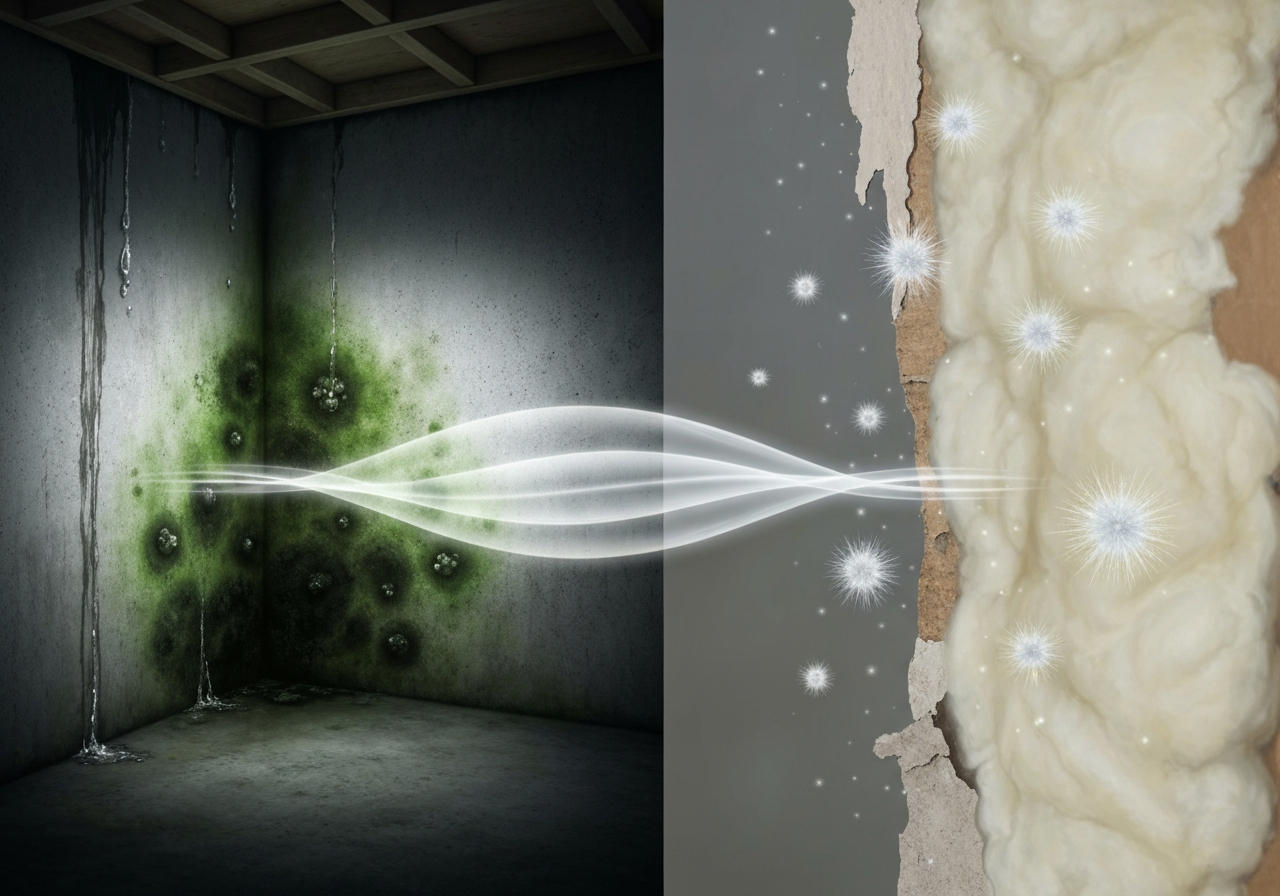
The presence of mold in your home extends far beyond cosmetic issues. Mold spores, an omnipresent part of our environment, thrive in damp conditions and can rapidly colonize indoor surfaces when moisture is available. The health implications of mold exposure are diverse, ranging from mild irritations to severe respiratory conditions. Individuals sensitive to mold may experience allergic reactions such as sneezing, runny nose, itchy eyes, and skin rashes. More concerningly, mold can trigger asthma attacks in individuals allergic to it and contribute to other respiratory problems like coughing and wheezing. Children, the elderly, and those with compromised immune systems are particularly vulnerable to these adverse effects.
Beyond health concerns, mold inflicts considerable damage to property. As it grows, mold feeds on organic materials found in various building components, including wood, drywall, carpeting, and insulation. Over time, this degradation can weaken structural elements, leading to costly repairs and compromising the integrity of your home. Visible discoloration, musty odors, and even warped surfaces are clear indicators of an active mold problem that demands prompt attention. Repairing or replacing mold-damaged materials adds to the overall expense, making early detection and prevention critical for protecting your investment.
Understanding Mold Growth: The Conditions for a Healthy Home in Piedmont NC
Mold spores are naturally present in the air, both indoors and outdoors. They only become a problem when they land on a damp surface with an available food source and a suitable temperature, allowing them to begin growing and colonizing. In Piedmont, NC, the warm, often humid climate provides an ideal environment for mold to proliferate if moisture is not properly controlled. The key factors contributing to mold growth indoors include:
- Moisture: This is the most critical element. Sources can range from obvious issues like plumbing leaks, roof leaks, and floodwaters to less apparent problems such as condensation on cold surfaces, high indoor humidity, and poor drainage around the foundation.
- Food Source: Most building materials and household items provide ample organic matter for mold to feed on. This includes wood, drywall, insulation, fabrics, paper products, and even dust.
- Temperature: Many common molds thrive at temperatures between 60 and 80 degrees Fahrenheit, which unfortunately aligns with comfortable indoor living temperatures.
- Oxygen: While some molds can grow in low-oxygen environments, most require oxygen to flourish.
Common areas in Piedmont NC homes prone to mold growth include basements, crawl spaces, bathrooms (especially showers), ceilings under leaky roofs, and walls around plumbing or windows. Even heating, ventilation, and air conditioning (HVAC) systems can become breeding grounds if not properly maintained, circulating spores throughout the entire home. Understanding these conditions is the first step in effective mold prevention.
Mastering Moisture Control: Your Piedmont NC Mold Prevention Guide
Effective mold prevention hinges entirely on moisture control. Without adequate moisture, mold spores cannot activate and grow. Homeowners in Piedmont, NC, must prioritize strategies to keep indoor environments dry and manage humidity levels. Here’s how to master moisture control:
- Maintain Optimal Humidity Levels: The EPA suggests keeping indoor relative humidity below 60%, ideally between 30% and 50%. Use a humidity meter (hygrometer) to monitor levels, and employ air conditioners or dehumidifiers, especially during humid months, to maintain this balance.
- Address Leaks Immediately: Promptly repair any leaks from plumbing, roofs, windows, or foundations. Even minor drips can provide enough moisture for mold to establish itself within 24-48 hours. Regularly inspect pipes, faucets, and the exterior of your home for any signs of water intrusion.
- Ensure Proper Ventilation: Adequate airflow is vital. Use exhaust fans in bathrooms when showering or bathing, and run kitchen exhaust fans while cooking or dishwashing. Vent clothes dryers to the outside. Ensure attics and crawl spaces are well-ventilated to prevent moisture buildup, especially in our local climate.
- Dry Wet Areas Quickly: After any spills, leaks, or minor flooding, thoroughly clean and dry the affected areas and materials within 24-48 hours. This swift action is critical in preventing mold growth.
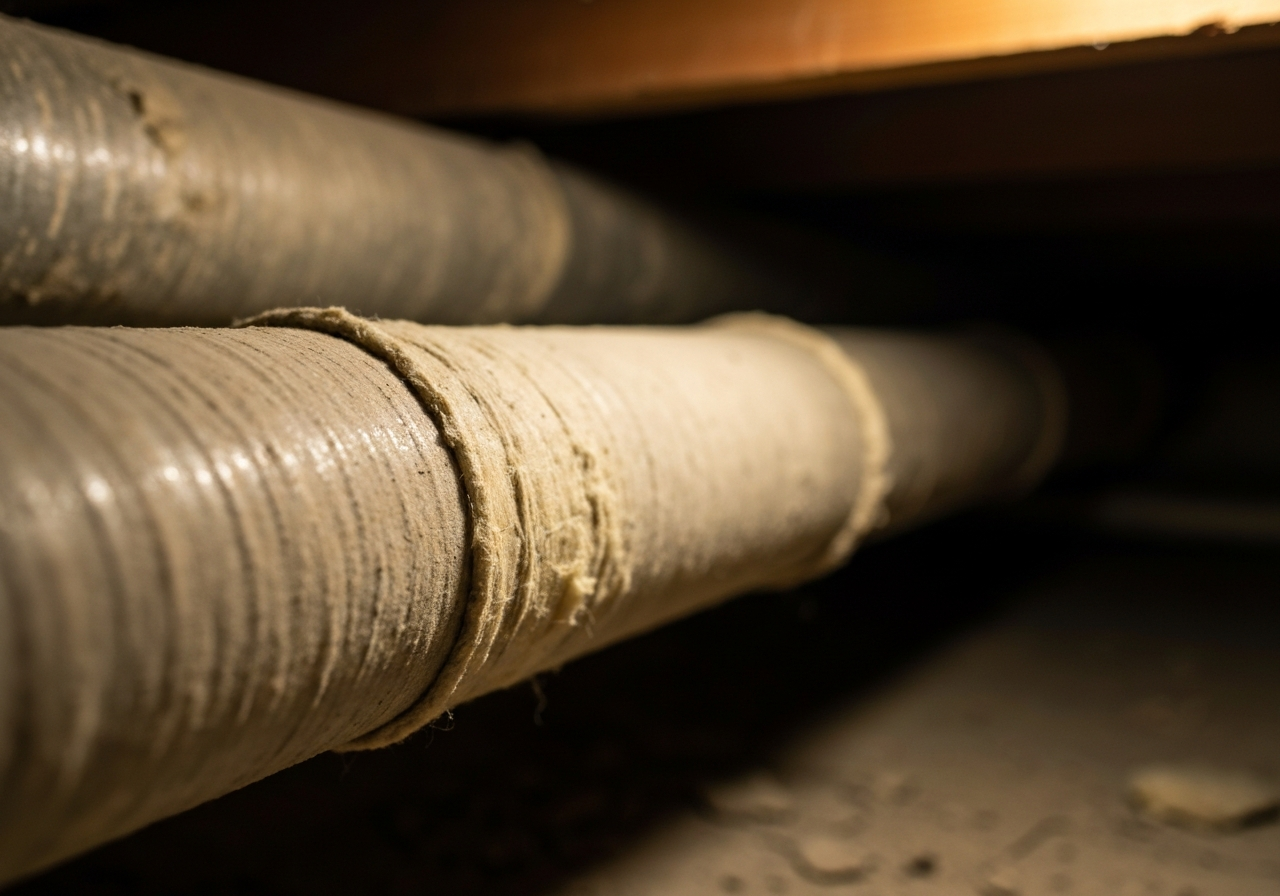
- Insulate Pipes and Cold Surfaces: Condensation forms when warm, humid air contacts cold surfaces. Insulate cold water pipes and ductwork, particularly in unconditioned spaces like crawl spaces and attics, to prevent moisture accumulation.
By diligently implementing these moisture control strategies, you can significantly reduce the risk of mold growth and create a healthier living environment in your Piedmont NC home. Remember, professional assessment can pinpoint hidden moisture sources that are easily overlooked, offering a more authoritative solution to moisture problems.
Practical Prevention Strategies for Piedmont NC Homeowners
Beyond general moisture control, several practical steps can be integrated into your home maintenance routine to enhance your Piedmont NC mold prevention guide:
- Regular Gutter and Downspout Maintenance: Clean gutters and downspouts regularly to ensure they are free of debris and properly directing rainwater away from your home’s foundation. Poor drainage around the foundation is a common cause of water intrusion into basements and crawl spaces.
- Proper Landscape Grading: Ensure the ground around your home slopes away from the foundation. This prevents water from pooling and seeping into the structure. A minimum 5% grade extending at least 10 feet from the foundation is recommended.
- Seal Air Leaks: Seal air leaks around windows, doors, electrical outlets, and plumbing fixtures. This not only improves energy efficiency but also prevents humid outdoor air from entering your home and condensing on cooler surfaces.
- Avoid Carpeting in Damp Areas: Do not install carpet in perpetually damp areas like bathrooms and basements, as carpet and its padding are porous materials that readily absorb and retain moisture, becoming ideal breeding grounds for mold.
- Use Mold-Inhibiting Paints: When repainting, consider adding mold inhibitors to paints, especially in bathrooms, kitchens, and other moisture-prone areas.
- Increase Air Circulation: Avoid overcrowding rooms with furniture against walls, as this can impede air circulation and create microclimates conducive to condensation and mold growth. Leave interior doors open when practical to facilitate airflow throughout the home.
- Crawl Space Management: For homes with crawl spaces, particularly prevalent in North Carolina, consider professional crawl space encapsulation. This involves sealing the space with a vapor barrier and often incorporating a dehumidifier to drastically reduce humidity and prevent mold growth protecting your SC home now.
Proactive and consistent application of these strategies is far more effective and less costly than reactive mold remediation.
Beyond DIY: When to Call the Piedmont Quality Air Mold Removal Experts
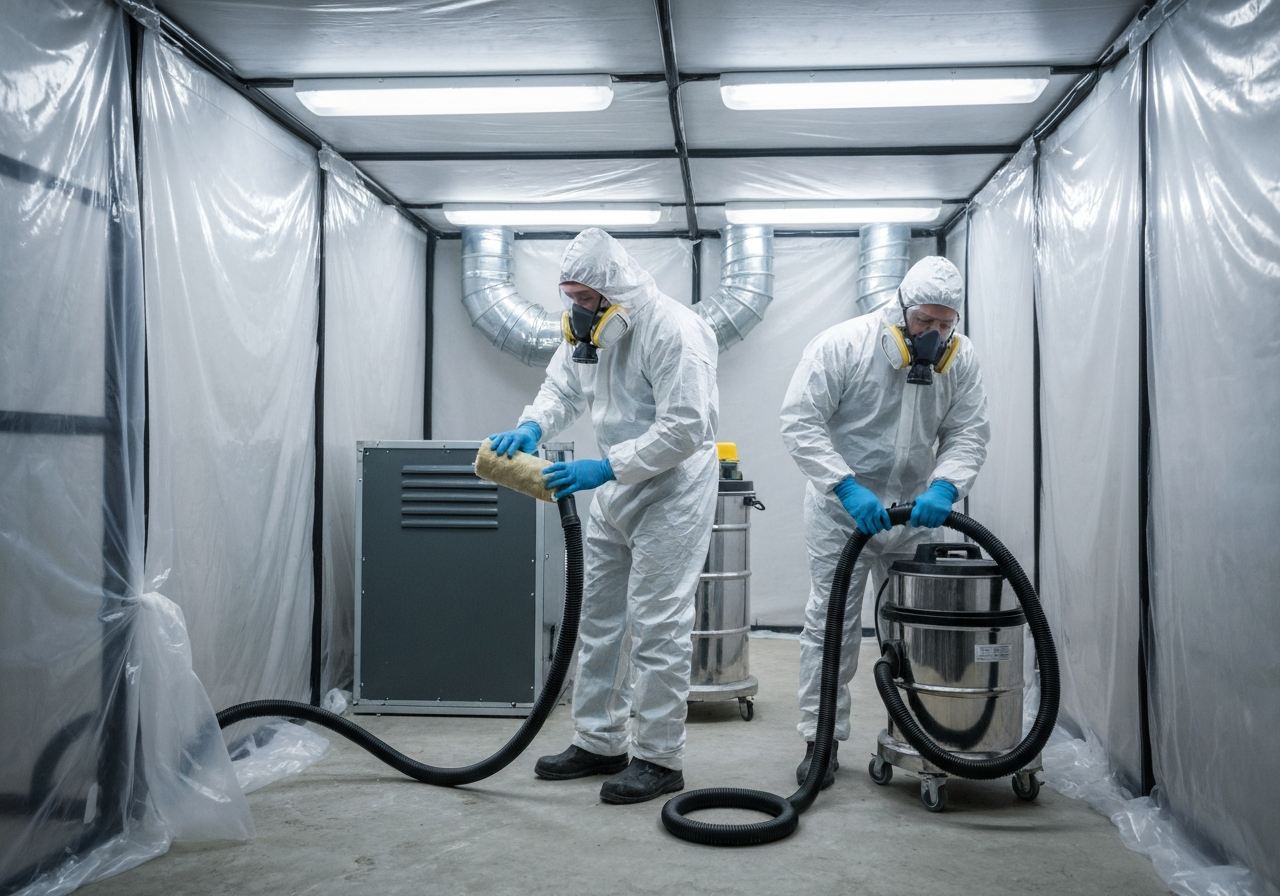
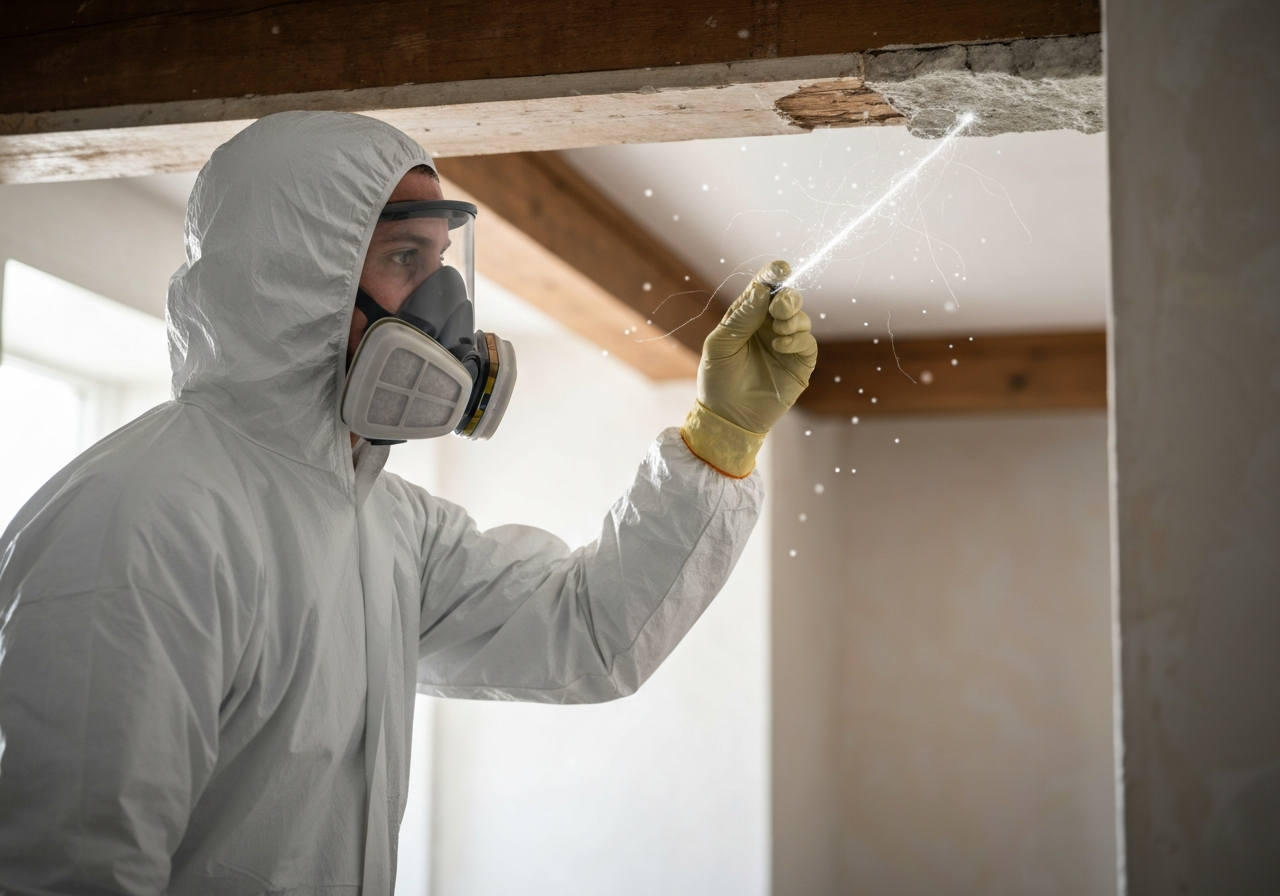
While small, superficial mold patches might be manageable with DIY cleaning, extensive mold growth, particularly in areas larger than 10 square feet or in hidden locations, almost always necessitates professional intervention. Attempting to tackle significant mold infestations without proper training, equipment, and containment protocols can lead to serious risks. Disturbed mold can release millions of spores into the air, spreading contamination to other areas of your home and exacerbating health hazards.
Professional mold remediation services, like those offered by Piedmont Quality Air, bring crucial expertise and specialized tools to safely and effectively address mold problems. Our trained technicians adhere to strict industry standards and safety regulations, ensuring comprehensive mold removal and prevention of recurrence. Key reasons to call the experts include:
- Hidden Mold: If you suspect mold due to a persistent musty odor but cannot locate its source, it’s likely hidden behind walls, under flooring, or within HVAC systems. Professionals use advanced diagnostic tools like moisture meters and thermal imaging to pinpoint these hidden infestations.
- Large-Scale Infestations: For mold covering extensive areas, proper containment is essential to prevent cross-contamination. Professionals employ negative air pressure systems and physical barriers to isolate the affected zone.
- Recurrent Mold: If mold keeps returning after your cleaning efforts, it indicates an unaddressed underlying moisture problem that requires expert identification and repair.
- Health Concerns: If occupants are experiencing persistent allergy-like symptoms, asthma flare-ups, or other respiratory issues, professional assessment and remediation are vital to protect their health.
- Contaminated Materials: Porous materials like drywall, insulation, and carpeting with significant mold growth often require safe removal and disposal, a task best handled by experts to prevent spore dispersal.
- Peace of Mind: A professional remediation provides assurance that the mold problem is not just superficially cleaned but thoroughly resolved, along with documentation essential for future home sales. You can learn more about our comprehensive mold removal process and how we ensure safety and compliance at Piedmont Quality Air by visiting our page on professional mold inspection in South Carolina.
Your Healthy Home Action Plan: Next Steps for Piedmont NC Residents
Maintaining a mold-free home in Piedmont, NC, is an ongoing commitment that requires vigilance and proactive measures. By understanding the conditions that promote mold growth and implementing effective moisture control strategies, you significantly reduce your risk of infestation. Remember, the key to a healthy home lies in consistently managing humidity, promptly addressing leaks, ensuring adequate ventilation, and taking preventative steps in vulnerable areas like crawl spaces.
If you suspect a mold problem or have experienced significant water damage, the most effective course of action is to seek professional assistance. Services like those offered by Piedmont Quality Air provide the expertise and specialized equipment necessary for thorough inspection, containment, and remediation. Investing in professional mold removal not only protects your family’s health but also preserves your property’s value, safeguarding your investment for the long term.
Empower yourself with knowledge and act decisively. Regular home maintenance, combined with professional support when needed, ensures your Piedmont NC home remains a healthy and comfortable sanctuary. For further guidance on mold, moisture, and indoor air quality, additional information can be found on the North Carolina Health and Human Services website.
Is your home in Piedmont, NC, at risk for mold? Don’t wait for a small problem to become a big one. Take action today to protect your family’s health and your property’s value. Contact Piedmont Quality Air’s experts now for a professional assessment and effective mold prevention or removal solutions.