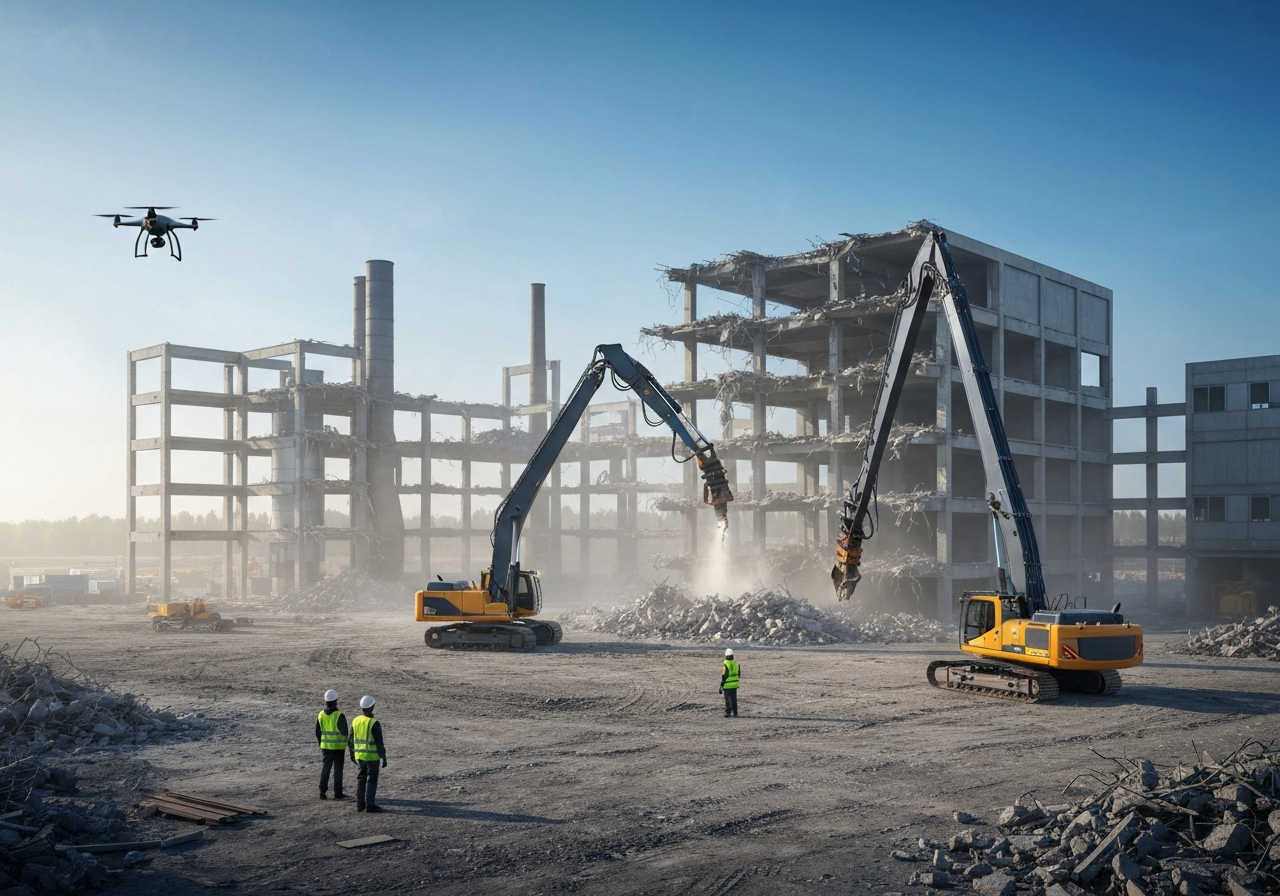
Introduction: The Critical Role of Industrial Demolition in Modern Development
Industrial demolition plays a pivotal role in the continuous evolution of urban and industrial landscapes. It’s a specialized field that addresses the complex challenges of removing large-scale facilities, often laden with heavy machinery, intricate systems, and potentially hazardous materials. Achieving advanced industrial demolition efficiency and safety is not merely about tearing down old structures; it’s about strategic planning, precise execution, and responsible waste management to pave the way for new development or site repurposing. As industries adapt to new technologies and environmental standards, the demand for sophisticated demolition solutions that prioritize both operational speed and the well-being of all involved continues to grow.
Understanding the Unique Challenges of Industrial Demolition Projects
Industrial demolition projects present a distinct set of complexities that differentiate them from standard residential or commercial demolitions. These challenges often stem from:
- Scale and Complexity: Industrial facilities are typically massive, with robust structural components, specialized equipment, and interconnected systems.
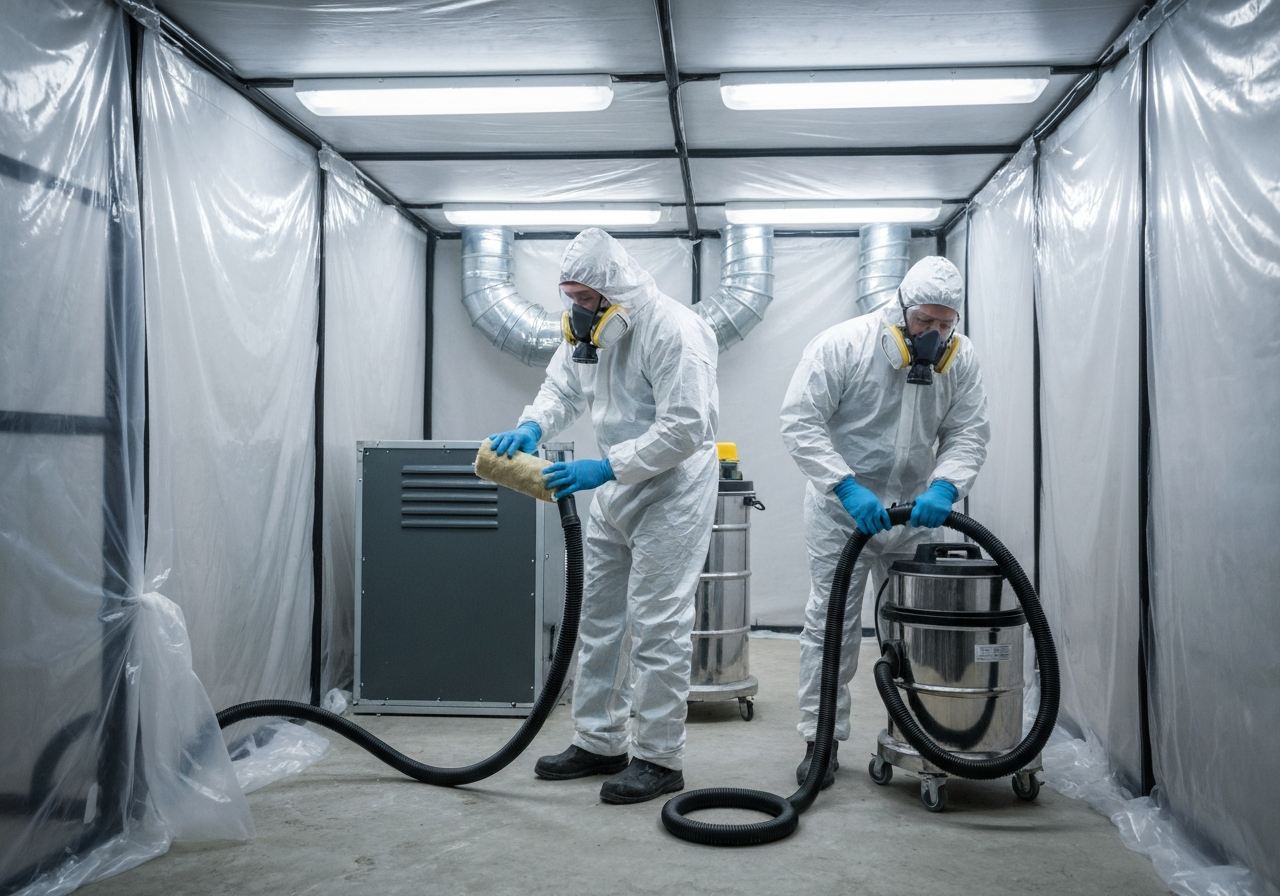
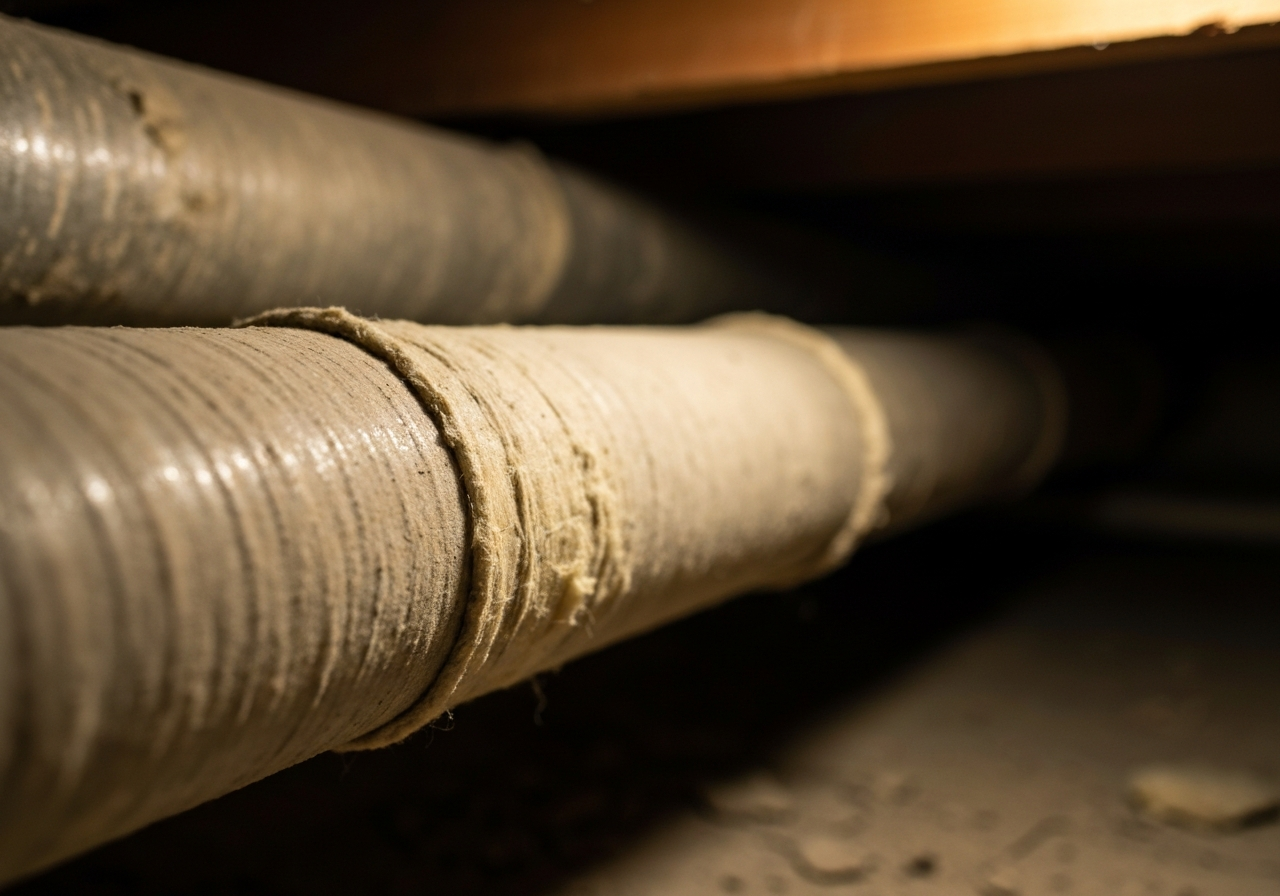
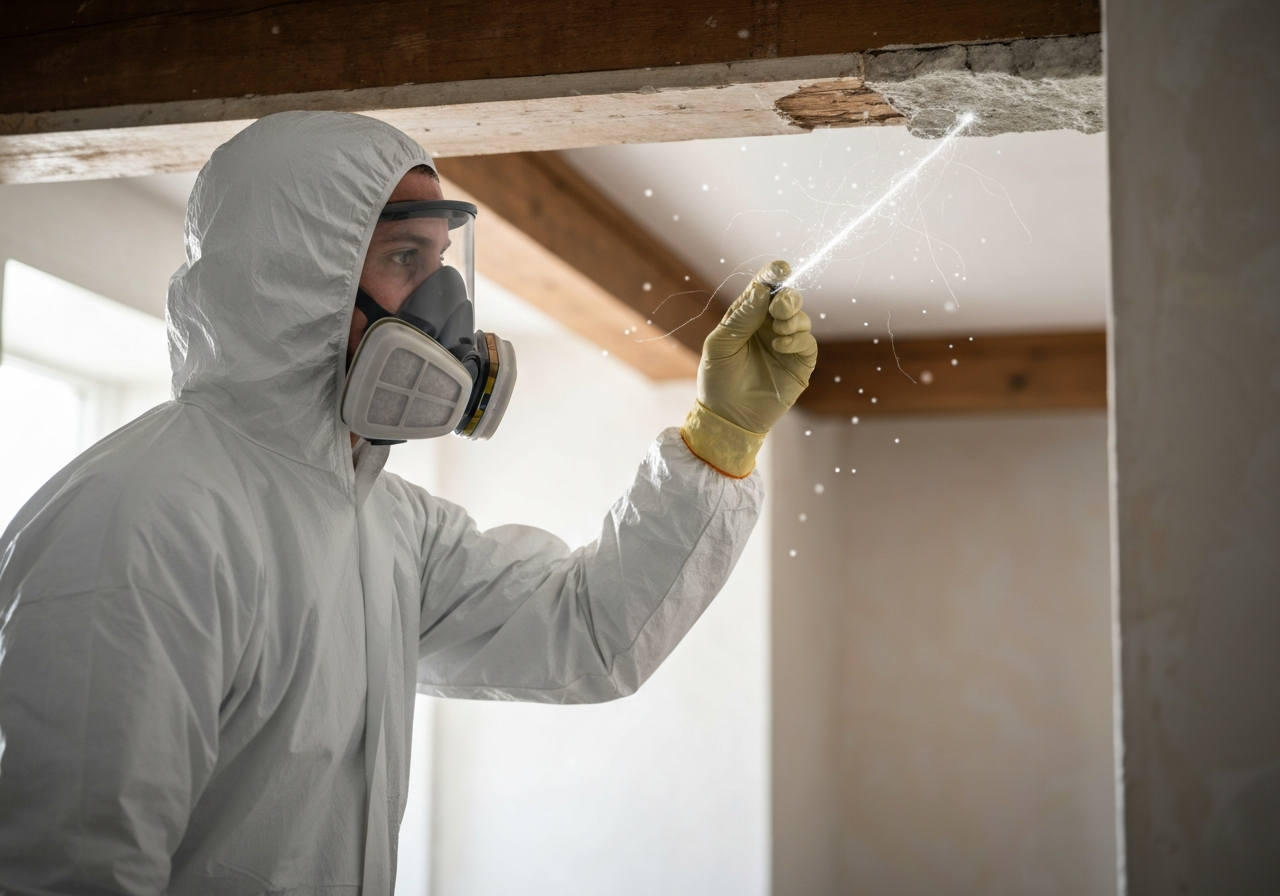
- Hazardous Materials: Many older industrial sites contain a range of hazardous substances, including asbestos, lead-based paint, PCBs, and various chemicals. Their identification and safe removal are paramount before demolition can proceed. For instance, removing hazardous materials before demolition in SC is a critical safety step to protect workers and the environment.
- Operational Environment: Demolition often occurs within active industrial areas, requiring meticulous planning to minimize disruption to surrounding operations and ensure the safety of personnel.
- Regulatory Compliance: Strict federal, state, and local regulations govern industrial demolition, especially concerning hazardous waste, air quality, and worker safety. Navigating SCDES asbestos demolition regulations in South Carolina, for example, demands expert knowledge.
- Logistical Hurdles: Transporting heavy equipment, managing large volumes of debris, and coordinating various contractors add significant logistical complexity.
The Foundation of Success: Comprehensive Planning and Site Assessment
The cornerstone of any successful industrial demolition project is thorough planning and a meticulous site assessment. This initial phase dictates the entire project’s safety, efficiency, and environmental compliance. Key aspects include:
- Detailed Structural Assessment: Evaluating the building’s design, construction materials, and structural integrity helps determine the safest and most efficient demolition methods.
- Hazardous Material Surveys: A comprehensive survey by certified professionals is essential to identify all hazardous materials. This informs the abatement strategy, which is crucial for overall project safety.
- Regulatory Compliance and Permitting: Securing all necessary permits and approvals from relevant authorities (e.g., environmental protection agencies, local building departments) is a non-negotiable step. This ensures adherence to regulations like South Carolina asbestos removal laws.
- Demolition Plan Development: A detailed plan outlining the sequence of demolition, chosen techniques, equipment, safety protocols, and waste management strategies is critical for mitigating risks and ensuring a controlled process.
- Logistics and Resource Allocation: Planning for equipment mobilization, site access, and debris removal—including the use of specialized vehicles like roll-off garbage trucks for heavy-duty waste transport—optimizes resource utilization and streamlines operations.
Advanced Strategies for Industrial Demolition Efficiency and Safety
Maximizing industrial demolition efficiency and safety requires embracing advanced strategies and methodologies. These approaches not only expedite projects but also significantly reduce risks.
Utilizing Specialized Equipment and Techniques
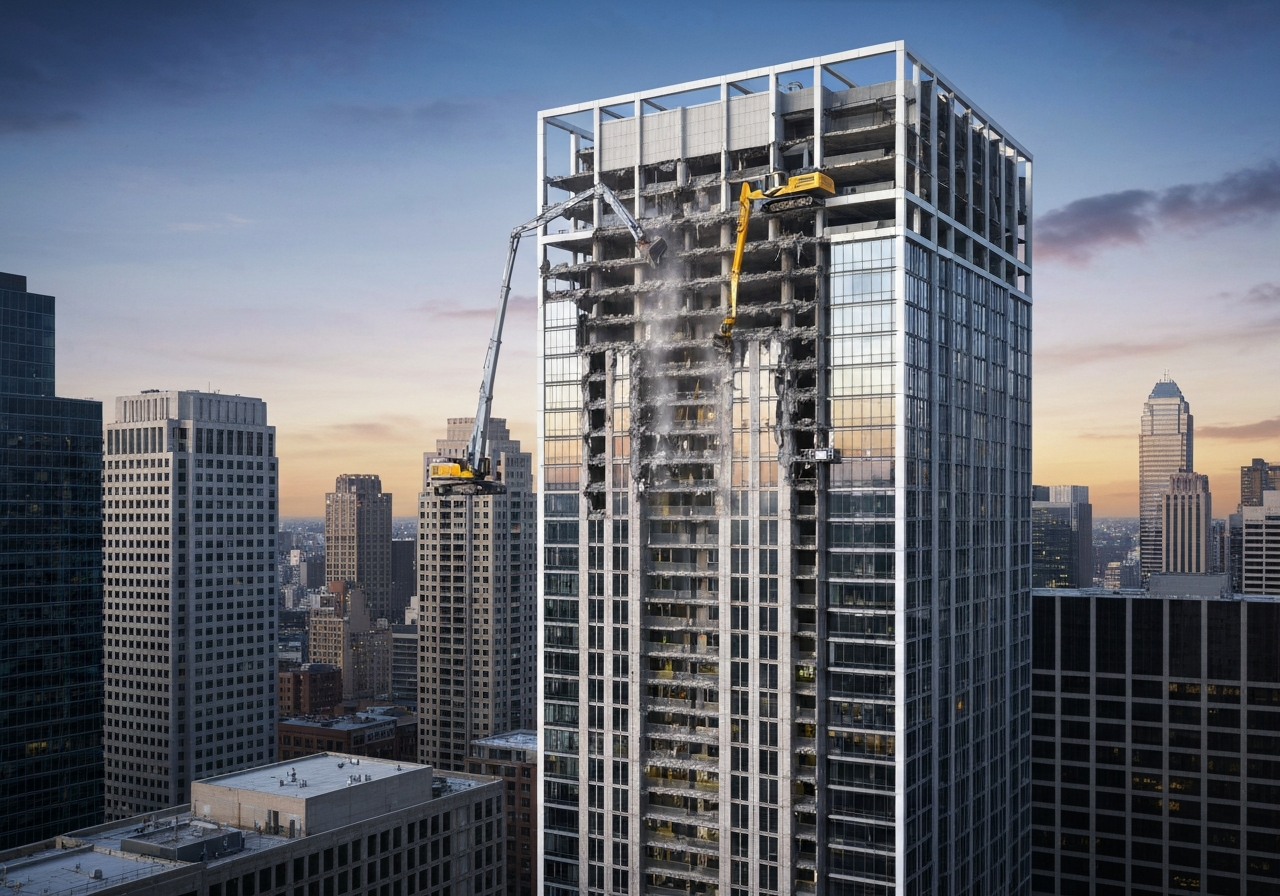
Modern industrial demolition relies heavily on specialized equipment tailored for precision and power. This includes:
- High-Reach Demolition Machines: Essential for safely dismantling multi-story structures from a distance.
- Hydraulic Attachments: Such as hammers, pulverizers, and shears, enable precise and controlled breaking and cutting of materials.
- Remote-Controlled Equipment: Robots and remote-controlled machinery are increasingly deployed for high-risk tasks, minimizing human exposure to hazardous areas. Operating aerial lifts (AWPs/MEWPs) safely also requires specific OSHA training and adherence to strict protocols.
Implementing Sectional Demolition
For complex structures or those located near active facilities, sectional demolition techniques allow for careful dismantling in stages, limiting disruption and exposure to surrounding infrastructure. This methodical approach is critical for managing complexity and ensuring structural stability throughout the process.
Prioritizing Worker Training and Safety Protocols
A highly trained workforce is indispensable. Comprehensive training programs on equipment operation, hazardous material handling, and emergency response are crucial. Strict adherence to safety protocols, including site-specific safety plans and continuous monitoring, is paramount. As demolition contractors, our team ensures safe and efficient building removal by prioritizing these measures.
Beyond Demolition: Prioritizing Environmental Responsibility and Waste Management
Environmental responsibility extends beyond merely compliant hazardous material removal; it encompasses sustainable waste management practices. This includes:
- Deconstruction and Material Salvage: Whenever possible, structures are carefully dismantled to salvage valuable materials for reuse or recycling. This reduces landfill waste and promotes a circular economy.
- On-Site Processing: Crushing concrete for aggregate or shredding timber for fuel are examples of maximizing resource recovery directly on-site, reducing transportation costs and environmental impact.
- Responsible Disposal: Hazardous materials and non-recyclable debris must be transported to approved disposal facilities, adhering to all federal and state regulations. Piedmont Quality Air’s expertise in evaluating SCDES impact on SC hazardous removal efficiency ensures compliant waste streams.
- Storm Damage Considerations: Following severe weather, proper storm damage asbestos removal in South Carolina is vital to prevent further environmental contamination and health risks. Similarly, swift commercial mold remediation in South Carolina is essential to mitigate health and structural risks.
Leveraging Technology for Precision, Speed, and Enhanced Safety
Technological advancements are revolutionizing industrial demolition, bringing unprecedented levels of precision, speed, and safety. This includes:
- Drone Technology: Drones are used for detailed site surveys, aerial inspections, and real-time progress tracking, offering comprehensive visibility and faster data acquisition.
- Building Information Modeling (BIM): BIM software allows for virtual planning and simulation of demolition sequences, identifying potential conflicts and optimizing workflows before physical work begins.
- Advanced Monitoring Systems: Sensors and monitoring devices track structural stability, air quality, and equipment performance, providing real-time data to enhance safety and efficiency.
- GPS and Telematics: These technologies optimize equipment deployment, track assets, and improve logistical coordination, contributing to overall project efficiency.
Piedmont Quality Air: Your Expert Partner in Industrial Demolition
Piedmont Quality Air stands as a trusted partner in industrial demolition, offering unparalleled expertise, a steadfast commitment to safety, and a deep understanding of regulatory compliance. Our team of experienced and highly trained professionals specializes in industrial dismantling of factory and warehouse environments, ensuring projects are completed efficiently and safely. We are also experts in interior demolition in Charlotte, Concord, and Hickory, NC. Whether it’s complex hazardous material abatement, navigating stringent environmental regulations like those outlined in N.C. asbestos rules, regulations, and ordinances, or providing expert post-hurricane asbestos mold remediation in SC, Piedmont Quality Air delivers solutions tailored to the unique demands of each project. Our commitment to meticulous planning, advanced techniques, and rigorous safety protocols ensures that every industrial demolition project is executed with the highest standards of quality and peace of mind.
Shaping Tomorrow’s Landscapes with Expertise and Trust
The field of industrial demolition is continuously evolving, driven by the need for greater efficiency, enhanced safety, and environmental stewardship. By embracing advanced strategies, leveraging cutting-edge technology, and adhering to the strictest regulatory compliance, demolition contractors are not just removing structures; they are actively shaping the future of our industrial and urban landscapes. The ability to execute projects with precision, manage complex hazards, and responsibly handle waste underscores the industry’s commitment to progress. For those seeking to transform their industrial sites, partnering with a firm that embodies experience, expertise, authoritativeness, and trustworthiness is paramount. A perfect safety record, achieved through unwavering adherence to established protocols and regulations, is the most convincing evidence of credibility in this demanding field. It is through this dedication to excellence that we can ensure a safer, more sustainable tomorrow.
Ready to transform your industrial site with confidence? Contact Piedmont Quality Air today to discuss your industrial demolition needs and ensure a safe, efficient project.