Protecting Your Investment: Why Professional Demolition and Hazard Removal Matters in SC
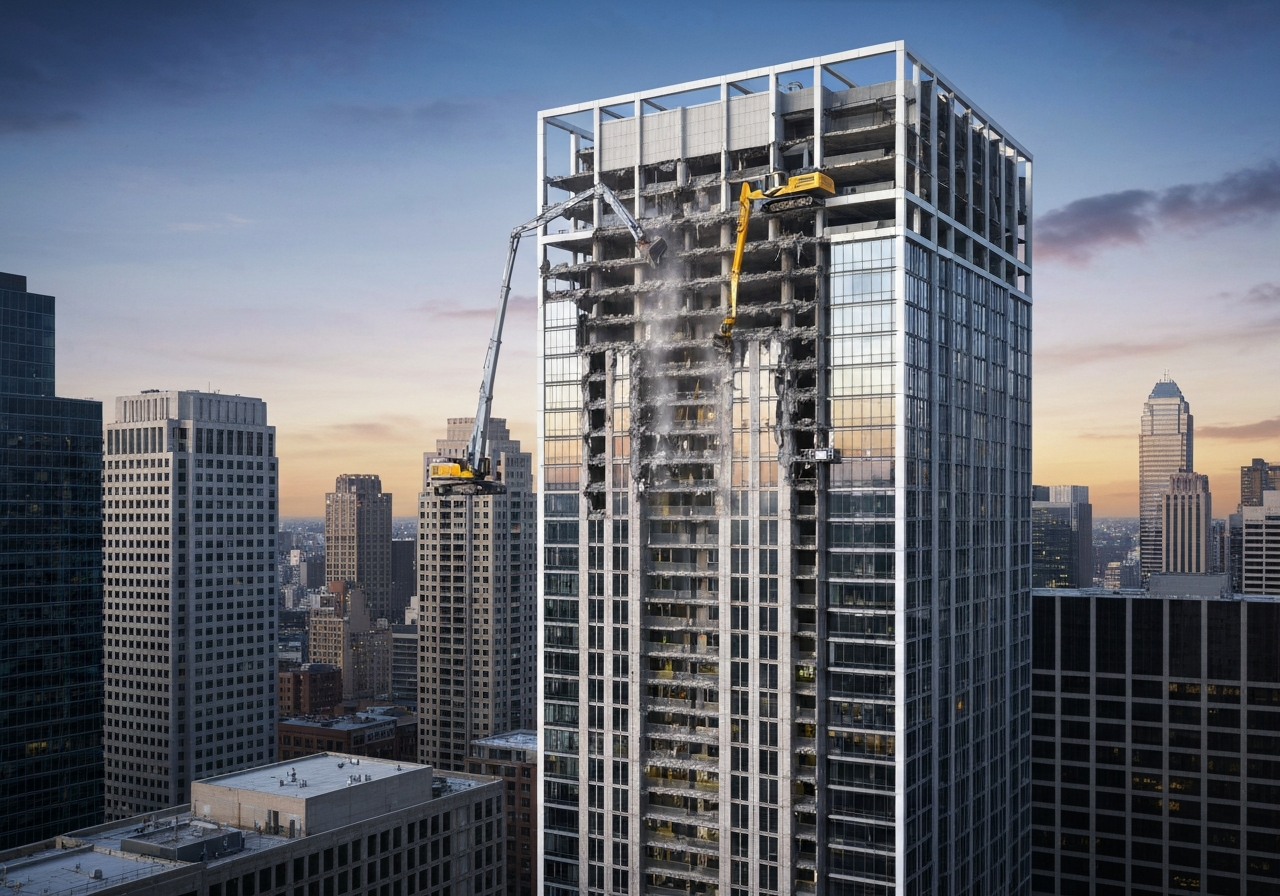
Embarking on any demolition project in South Carolina, whether for a cherished family home or a vast commercial structure, involves far more than just knocking down walls. It necessitates a critical understanding of what lies beneath the surface: hidden hazardous materials. The comprehensive process of Demolition, Asbestos, Mold and Lead Removal SC is not merely a logistical challenge but a fundamental requirement for safeguarding public health, protecting the environment, and ensuring legal and financial compliance. Failure to properly identify and remove these dangerous substances before demolition can lead to severe health risks for workers and communities, environmental contamination, and prohibitive legal and financial repercussions.
Many structures across South Carolina, particularly those built before the late 20th century, incorporate materials that were once common but are now known to be dangerous. Disturbing these materials without strict adherence to safety protocols releases harmful fibers or particles into the air, creating immediate and long-term health hazards. A critical, often overlooked, real-world lesson is that cutting corners on these initial removal phases invariably leads to exponentially higher costs and deeper problems later on. Investing upfront in professional hazardous material removal is a non-negotiable step toward a safe and successful project. For a deeper understanding of the necessity of professional intervention, explore the detailed guide on removing hazardous materials before demolition in SC: Safety First.
Unseen Dangers: Understanding Asbestos, Mold, and Lead Risks in South Carolina
The invisible threats lurking within older buildings in South Carolina pose significant health and safety concerns that demand expert attention. Understanding these specific dangers is crucial before any demolition or renovation work begins.
Asbestos: The Silent Carcinogen
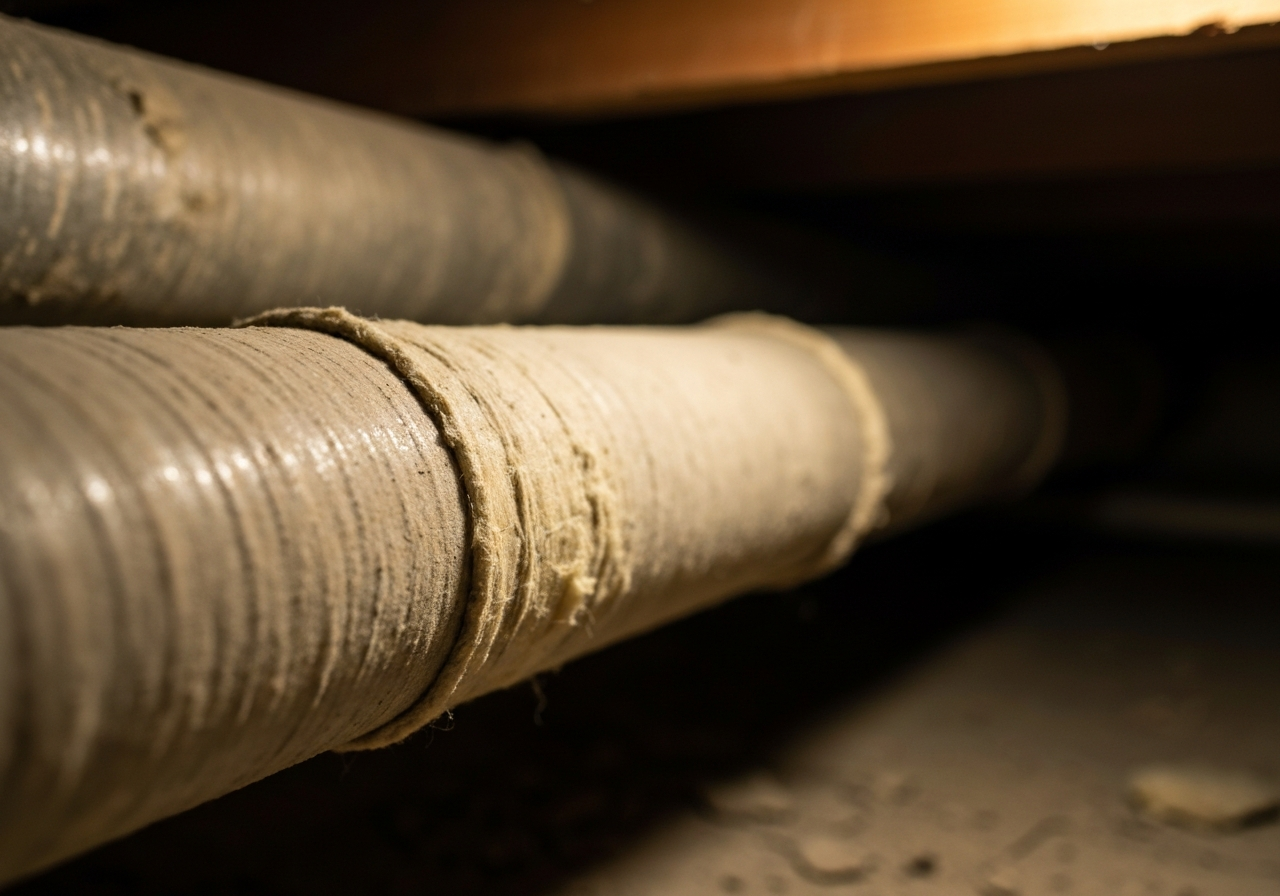
Asbestos, a naturally occurring fibrous mineral, was extensively used in building materials until the late 1970s due to its fire resistance and insulating properties. In older South Carolina properties, it can be found in numerous components, including:
- Pipe, boiler, and attic insulation
- Ceiling and floor tiles, along with their adhesives
- Roofing shingles and exterior siding materials
- Drywall and joint compounds
- Textured ceilings (often called “popcorn ceilings”)
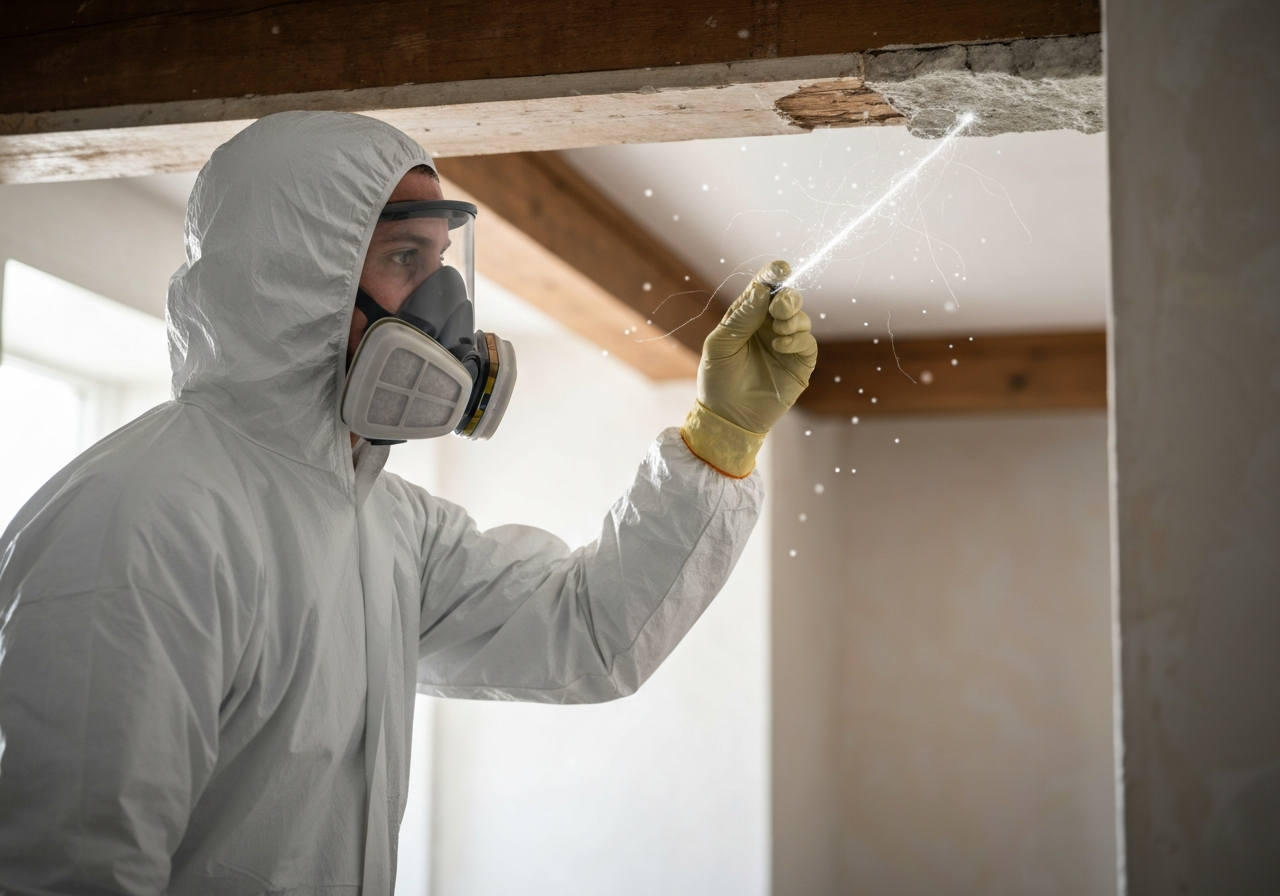
The danger arises when these materials are disturbed—through aging, damage, or demolition—releasing microscopic fibers into the air. These fibers, when inhaled or ingested, can become lodged in the body’s tissues, leading to severe and often fatal diseases decades later, such as asbestosis, lung cancer, and mesothelioma. The South Carolina Department of Environmental Services (SCDES) actively regulates these materials, emphasizing that both friable (easily crumbled) and non-friable asbestos-containing materials require careful management, as even non-friable materials can become dangerous if pulverized during demolition. More information on differentiating these materials can be found through SCDES on friable and non-friable asbestos-containing materials.
Mold: The Humidity-Driven Health Hazard
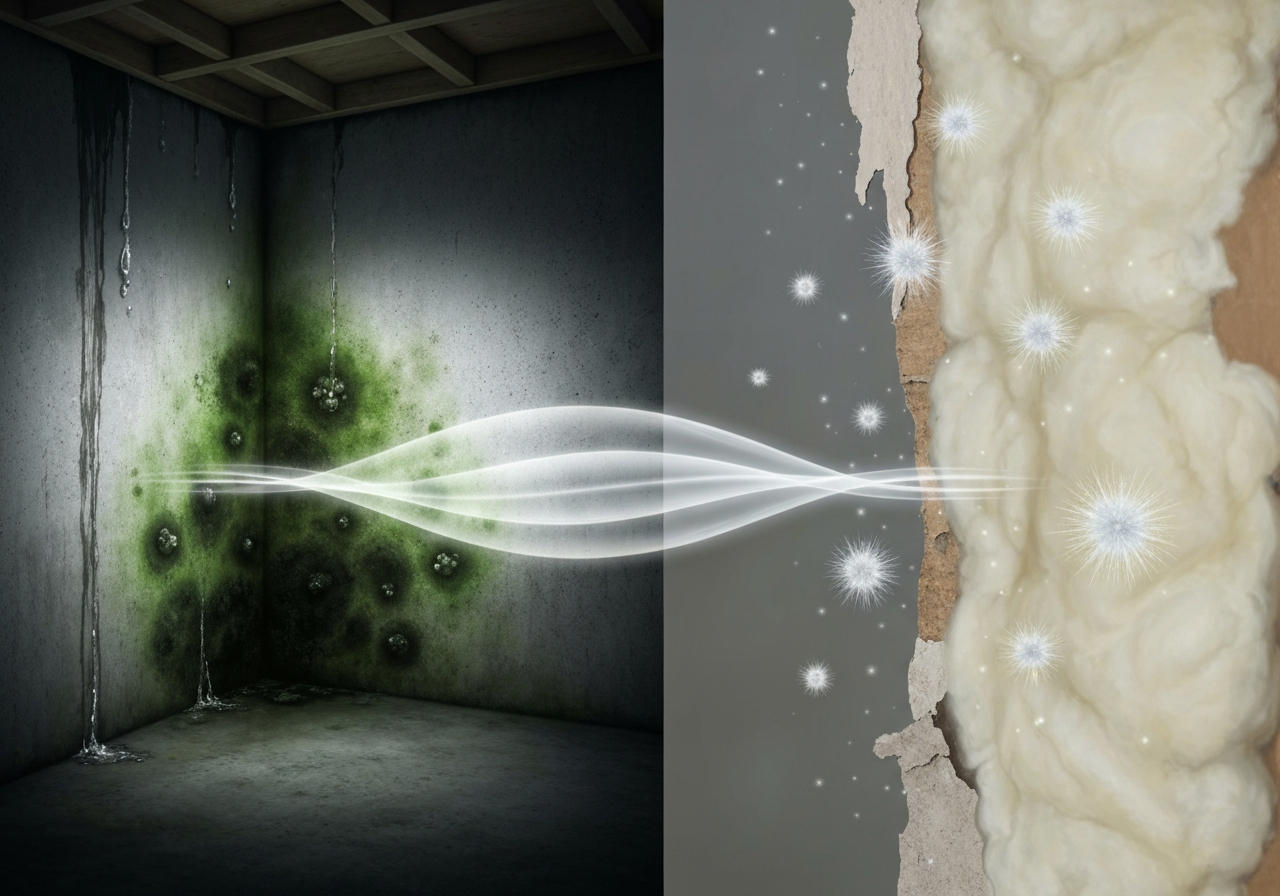
South Carolina’s humid climate creates an ideal environment for mold to thrive, especially in buildings susceptible to moisture intrusion from leaks, floods, or poor ventilation. Mold spreads rapidly through airborne spores and can colonize various organic materials like wood, drywall, and fabric. Beyond unpleasant musty odors, mold exposure can trigger a range of health issues, including:
- Allergic reactions (sneezing, runny nose, itchy eyes, skin rashes)
- Respiratory problems (coughing, wheezing, asthma attacks)
- Irritation of the eyes, nose, throat, and skin
Prolonged exposure, particularly for individuals with compromised immune systems or pre-existing respiratory conditions, can lead to more severe health complications. Mold also causes structural damage by feeding on building materials, compromising their integrity over time. The SCDES provides valuable information on indoor mold after a weather event, highlighting its prevalence and risks.
Lead: The Toxic Legacy
Lead-based paint was commonly used in homes and buildings constructed before 1978. When this paint deteriorates, chips, or is disturbed during demolition or renovation, it releases hazardous lead dust and flakes. Ingesting or inhaling lead dust can cause lead poisoning, a serious health condition particularly dangerous for children, leading to developmental delays, neurological damage, learning disabilities, and other long-term health problems. Adults can also suffer from kidney damage, reproductive issues, and high blood pressure. Safe lead abatement, inspection, and risk assessment are critical to prevent exposure during any project involving older structures.
Piedmont Quality Air: Your Expert Partner for Demolition, Asbestos, Mold and Lead Removal SC
Navigating the complex and hazardous landscape of demolition and remediation in South Carolina requires a partner with unwavering expertise and an uncompromised commitment to safety. Piedmont Quality Air stands as that partner, providing specialized services for Demolition, Asbestos, Mold and Lead Removal SC. We understand that your property is a significant investment, and its safety, integrity, and compliance are paramount.
Our team comprises highly experienced and certified professionals who are not only extensively trained in the latest hazardous material removal techniques but are also intimately familiar with the intricate federal and state regulations governing these processes in South Carolina. We approach every project with meticulous planning and a deep understanding that quality service extends beyond simple removal to encompass thorough cleanup, verifiable safety, and lasting peace of mind. Our expertise ensures that every step, from initial assessment to final clearance, is executed with precision and care. You can learn more about our commitment to excellence on our About Us page, and hear directly from our satisfied clients through their Testimonials, reflecting our dedication to unmatched service in the Palmetto State.
Navigating Asbestos Abatement: SC Regulations and Piedmont Quality Air’s Meticulous Approach
Asbestos abatement in South Carolina is a highly regulated field, reflecting the severe health risks associated with disturbing asbestos-containing materials (ACMs). Compliance with these regulations is not just about avoiding penalties; it’s about protecting every individual involved and the wider community. Piedmont Quality Air adheres strictly to these guidelines, ensuring every asbestos project is handled with the utmost care and professionalism.
The Regulatory Framework: Federal and State Oversight
Both federal agencies, primarily the Environmental Protection Agency (EPA) and the Occupational Safety and Health Administration (OSHA), and state entities, particularly the South Carolina Department of Environmental Services (SCDES), set stringent standards for asbestos management. SCDES, under legal authority such as Title 44, Chapter 87 of the South Carolina Code of Laws, mandates specific procedures for any activity disturbing regulated asbestos-containing materials (RACM). A crucial insight for authority is that mere removal of visible asbestos is insufficient; the root cause of potential exposure, coupled with rigorous containment and clearance testing, forms the cornerstone of effective and legally compliant abatement.
Key regulatory requirements in South Carolina include:
- Mandatory Inspections: A comprehensive asbestos survey by a certified inspector is generally required before renovation or demolition of facilities. This identifies the presence, quantity, and condition of ACMs.
- Notification and Permits: For demolition projects, a permit from SCDES is mandatory. Written notification must be submitted to SCDES at least 10 working days in advance, even if no asbestos is present. These requirements are detailed in SCDES regulations for Renovations and Demolitions.
- Licensing and Accreditation: Individuals and companies involved in asbestos activities (inspection, design, supervision, and abatement) must be licensed and accredited by SCDES.
- Work Practices: Strict work practices are mandated for removal, including wetting procedures to suppress fibers, containment with negative air pressure, and proper use of personal protective equipment (PPE).
- Disposal: Asbestos waste must be properly packaged, labeled, transported, and disposed of at SCDES-approved landfills. Relevant standards like Regulation 61-86.1, Standards of Performance for Asbestos Projects (if accessible) outline these requirements.
Piedmont Quality Air’s Meticulous Approach
Piedmont Quality Air’s approach to asbestos abatement in South Carolina goes beyond mere compliance; it embodies a commitment to the highest safety and effectiveness standards. We ensure:
- Pre-Project Planning: Our team conducts thorough assessments, including detailed surveys and laboratory testing of suspected materials. We meticulously plan every aspect of the abatement, from containment strategies to waste disposal, ensuring alignment with all SCDES asbestos demolition regulations.
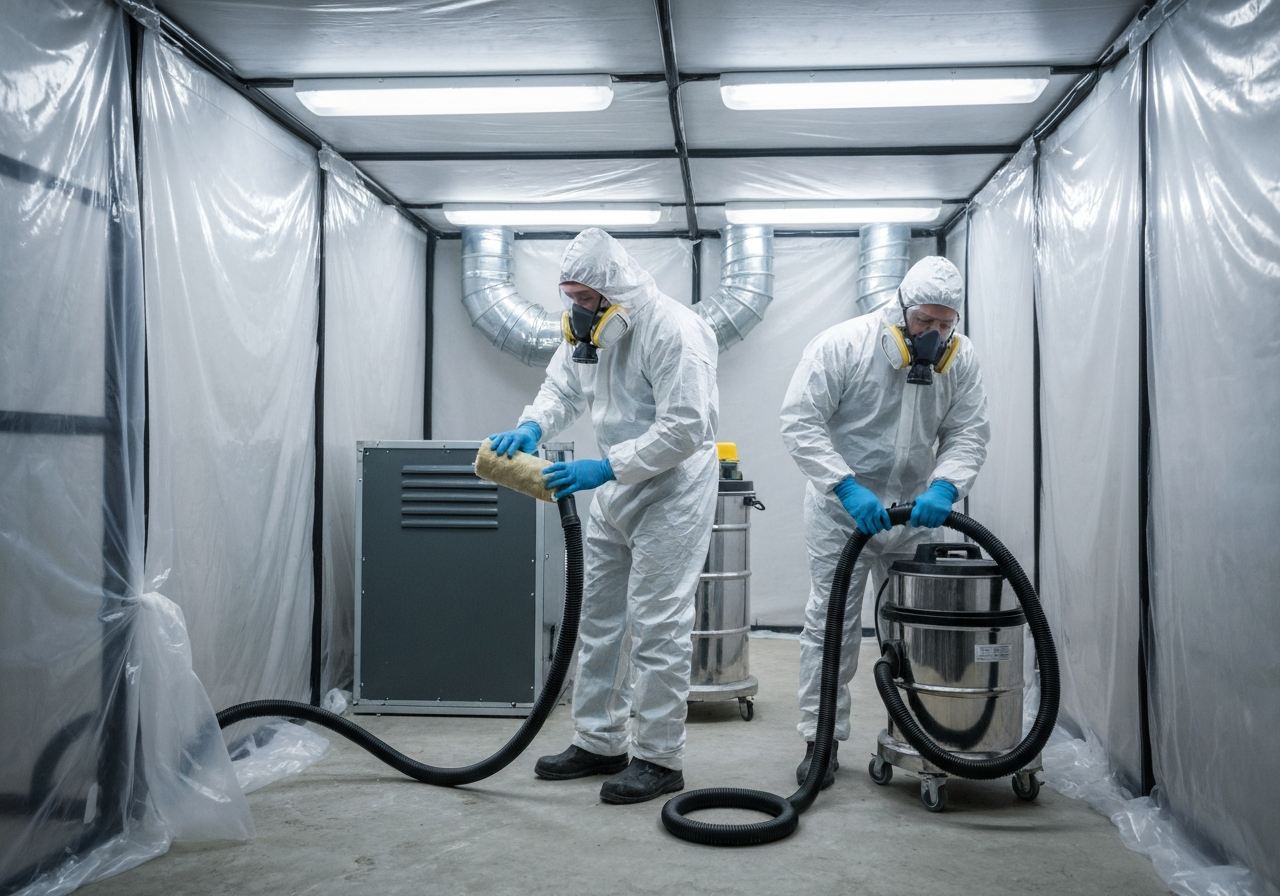
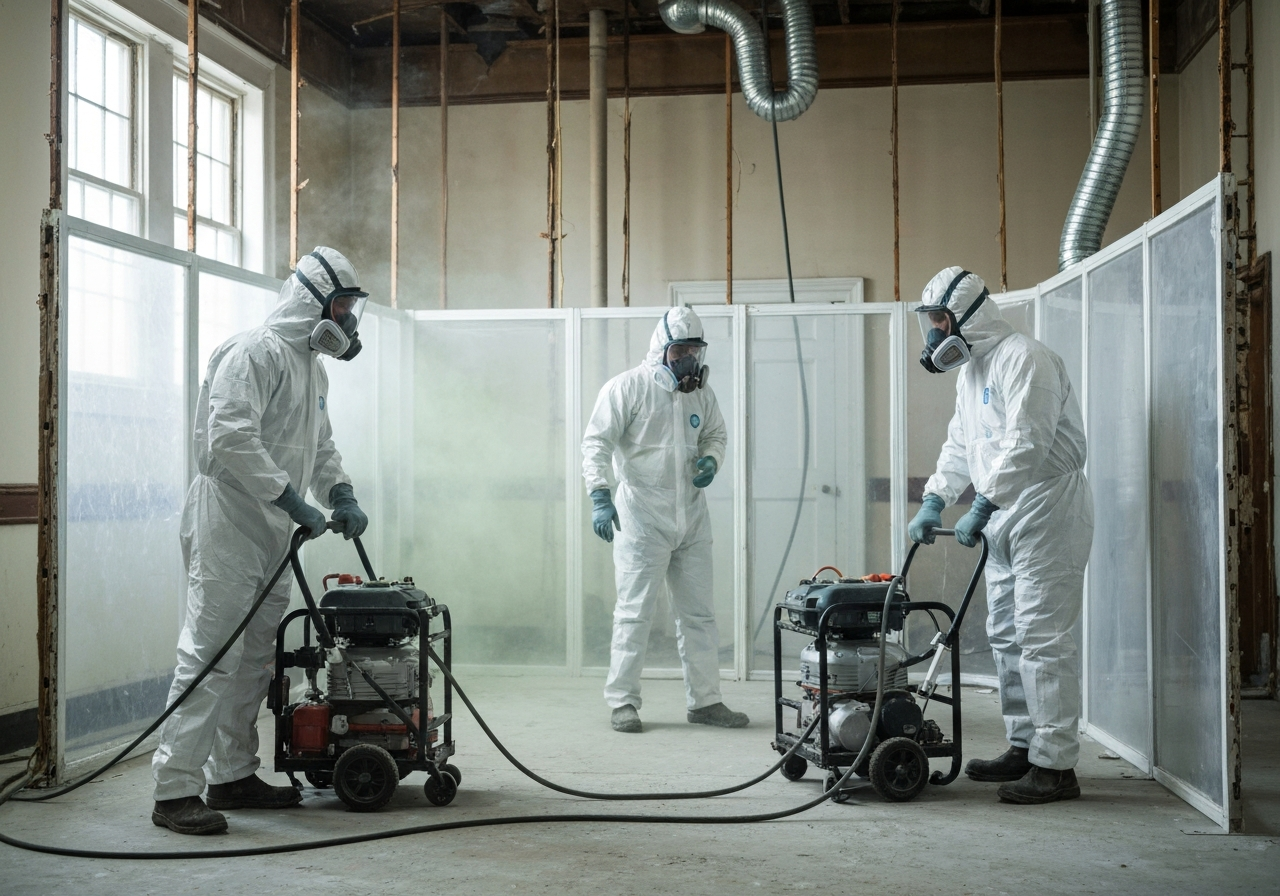
- Advanced Containment: We establish multi-layered containment zones using plastic sheeting and negative air pressure units equipped with HEPA filters. This creates a secure environment, preventing airborne fibers from escaping.
- Trained and Certified Personnel: Our technicians are fully licensed and undergo continuous training in the latest abatement techniques and safety protocols. They wear appropriate PPE, including respirators, and adhere to strict decontamination procedures.
- Safe Removal Techniques: We utilize wet methods to minimize fiber release during removal and carefully dislodge materials to keep them intact.
- Rigorous Air Monitoring and Clearance: Continuous air monitoring is performed throughout the project. Post-abatement, independent third-party air sampling verifies that airborne fiber levels are below regulatory limits, ensuring the area is safe for re-occupancy or subsequent demolition.
- Compliant Disposal: All asbestos-containing waste is properly wetted, double-bagged, clearly labeled, and transported by licensed haulers to authorized landfills in South Carolina.
While certain South Carolina asbestos removal laws include exemptions for owner-occupied residential buildings (four or fewer units), we strongly advise professional assessment. The health risks associated with asbestos remain regardless of regulatory exemptions, making cautious and expert handling paramount. Our goal is to provide unmatched expertise, ensuring that all asbestos is removed efficiently, safely, and in full adherence to the law.
Conquering Mold in Humid Climates: Professional Remediation for South Carolina Properties
Mold is an unwelcome but frequent guest in South Carolina properties, a direct consequence of the state’s warm, often humid climate. Addressing mold effectively requires understanding its triggers and implementing robust remediation strategies. Piedmont Quality Air offers expert mold remediation services designed to combat this pervasive problem.
The Challenge of Mold in South Carolina
The consistent humidity levels, particularly in coastal areas and during warmer months, create ideal conditions for mold spores to flourish. Common sources of moisture that lead to mold growth in South Carolina homes and businesses include:
- Persistent plumbing or roof leaks
- High indoor humidity due to inadequate ventilation
- Water intrusion from severe weather events like hurricanes and floods
- Damp crawl spaces, often unsealed and prone to ground moisture
Mold can quickly colonize organic materials such as wood, drywall, and insulation, leading to structural damage and posing significant health risks, from allergic reactions and respiratory issues to exacerbating asthma. The initial warning sign is often a persistent musty odor, even before visible mold appears. For more on how to identify mold issues, a professional mold inspection in South Carolina can be invaluable.
The Professional Mold Remediation Process
Effective mold remediation goes beyond surface cleaning. It’s a comprehensive process focused on eliminating current growth, preventing its return, and restoring a healthy indoor environment. Our methodical approach ensures thorough and lasting results:
- Thorough Assessment: Our experts conduct a detailed inspection to identify the full extent of the mold infestation and, crucially, pinpoint the underlying moisture source. This may involve moisture meters, thermal imaging, and air/surface sampling.
- Containment: The affected area is sealed off using plastic sheeting and negative air pressure machines with HEPA filters. This prevents the spread of airborne mold spores to unaffected parts of the property.
- Moisture Source Rectification: The root cause of the moisture (e.g., a leak, excessive humidity) is identified and permanently repaired before any mold removal begins. This is an expert insight often overlooked; simply removing mold without addressing the moisture source guarantees its return.
- Mold Removal and Cleaning: Certified technicians, equipped with appropriate personal protective equipment (PPE), meticulously remove mold from affected surfaces. Porous materials that are heavily contaminated, like insulation or drywall, are safely removed and disposed of. Non-porous surfaces are cleaned with antimicrobial solutions.
- Drying: Industrial-grade dehumidifiers and air movers are utilized to thoroughly dry the affected structure and reduce humidity levels to prevent future growth. Moisture levels are carefully monitored.
- Air Filtration: HEPA air scrubbers actively filter airborne mold spores and other particulates from the environment, improving overall air quality.
- Post-Remediation Verification: A final inspection confirms successful mold removal, and in some cases, independent third-party air testing may be recommended to verify that airborne spore counts are within acceptable limits.
This systematic approach is particularly vital in challenging situations such as expert post-hurricane asbestos mold remediation SC services or for pervasive issues like crawl space mold removal in SC. Our comprehensive methods adhere to industry best practices and regulatory guidelines, ensuring a healthier and safer environment for your property.
Strategic Interior Demolition: Safe Practices and Hazardous Material Management in SC
Interior demolition is a critical phase in many renovation or remodeling projects, allowing for a complete redesign or structural modification of a space. However, it’s during this process that hidden hazardous materials are most likely to be exposed, emphasizing the necessity of strategic planning and expert management, particularly in older South Carolina buildings.
Whether it’s opening up a floor plan in a commercial office, renovating an older home, or preparing a retail space for a new tenant, interior demolition must be executed with precision and an acute awareness of potential underlying dangers. Unlike full structural demolition, interior projects often involve selective removal of walls, ceilings, and flooring within an existing shell. This targeted approach inadvertently increases the likelihood of encountering materials like asbestos in plaster or joint compound, lead paint on trim, or mold hidden behind water-damaged drywall. Therefore, a critical component of any interior demolition project, especially in South Carolina where many older buildings exist, is a pre-demolition hazardous material assessment. This is not merely a precautionary measure but an integral part of responsible project management. Identifying and safely removing these hazardous elements before demolition crews begin their work prevents the release of harmful particles into the occupied or adjacent areas of a building. It protects the health of the demolition team, future occupants, and the surrounding environment, aligning with the principles of removing hazardous materials before demolition in SC: Safety First.
Piedmont Quality Air specializes in strategic interior demolition services that seamlessly integrate hazardous material management. Our experienced crews are trained not only in efficient and controlled demolition techniques but also in recognizing and reporting suspected hazardous materials. This ensures that if unexpected contaminants are discovered during the demolition process, work can be halted, and appropriate abatement protocols can be initiated promptly and safely. This dual expertise minimizes unforeseen delays and costly remediation efforts down the line. Our approach ensures that your interior demolition project proceeds smoothly, safely, and in full compliance with all relevant South Carolina environmental and safety regulations. For reliable and safe interior demolition in Charlotte, Concord, and Hickory, NC (our service areas overlap with SC projects), you can trust our commitment to excellence.
Why Choose Piedmont Quality Air: Unmatched Expertise for Your SC Property
When facing the complex challenges of demolition or hazardous material removal in South Carolina, selecting the right partner is paramount. Piedmont Quality Air distinguishes itself through an unmatched combination of expertise, dedication to safety, and a comprehensive approach that provides genuine peace of mind.
Our commitment begins with our team. We employ highly experienced, rigorously trained, and certified professionals who are not just skilled laborers but true experts in their fields. They possess a deep understanding of the unique environmental conditions and building practices prevalent across South Carolina. This localized knowledge, coupled with adherence to the most stringent national standards, ensures that every project, whether it involves asbestos, mold, or lead, is executed with precision and care. As one satisfied client, Debbie S., shared, “The crew was on-time and did exactly what they said they would. Worked very hard and quickly plus did an outstanding job removing the debris from my home and also called with a follow up. I would suggest everyone use Piedmont Quality Air.”
We leverage specialized, state-of-the-art equipment for every phase of a project, from advanced assessment tools like moisture meters and thermal cameras to cutting-edge containment and air filtration systems. This technological advantage, combined with our meticulous adherence to federal and state regulations, ensures maximum efficiency and, most importantly, unparalleled safety. Our process for hazardous material removal is designed to protect your property, its occupants, and the surrounding environment from contamination, minimizing disruption while upholding the highest safety standards. Lois Mader noted that our “employees were very personable and knowledgeable,” further reinforcing our credibility.
Choosing Piedmont Quality Air means more than just hiring a contractor; it means investing in a partner committed to your property’s long-term health and value. We proactively navigate regulatory complexities, secure necessary permits, and provide transparent communication throughout the project lifecycle. Our proven track record of successful projects, backed by glowing testimonials from clients like Larry P., who was “very pleased with his work and service,” underscores our credibility and client satisfaction. Our comprehensive services not only address immediate hazards but also aim to mitigate future risks, protecting your investment for years to come. We believe in building trust through consistent, high-quality service, ensuring that every interaction reinforces the value of true professionalism. Our approach is not just about remediation; it’s about restoring your peace of mind and securing your property’s future, as Ray R. affirmed when we “got to the source of the moisture, corrected the fault and followed with further measures to prevent more mold by using techniques I felt would work.” Learn more about our company’s mission and values on our About Us page.
Secure Your Property’s Future: Contact Piedmont Quality Air for a Free SC Estimate
The presence of hazardous materials like asbestos, mold, and lead poses significant risks to property value, public health, and environmental integrity in South Carolina. Proactive and professional intervention is not just a recommendation but a necessity for ensuring safety and compliance. When considering Demolition, Asbestos, Mold and Lead Removal SC, choosing an experienced and reputable partner like Piedmont Quality Air is the most critical decision you can make.
Our expertise, adherence to stringent regulations, and commitment to client satisfaction guarantee that your project will be handled with the highest level of care and professionalism. For a comprehensive assessment and a free, no-obligation estimate for your property, we encourage you to contact our experts today. Let us help you secure your property’s future and provide you with the peace of mind you deserve.
Ready to secure your property’s future and ensure peace of mind? For expert demolition, asbestos, mold, and lead removal in SC, contact Piedmont Quality Air today for a free estimate!