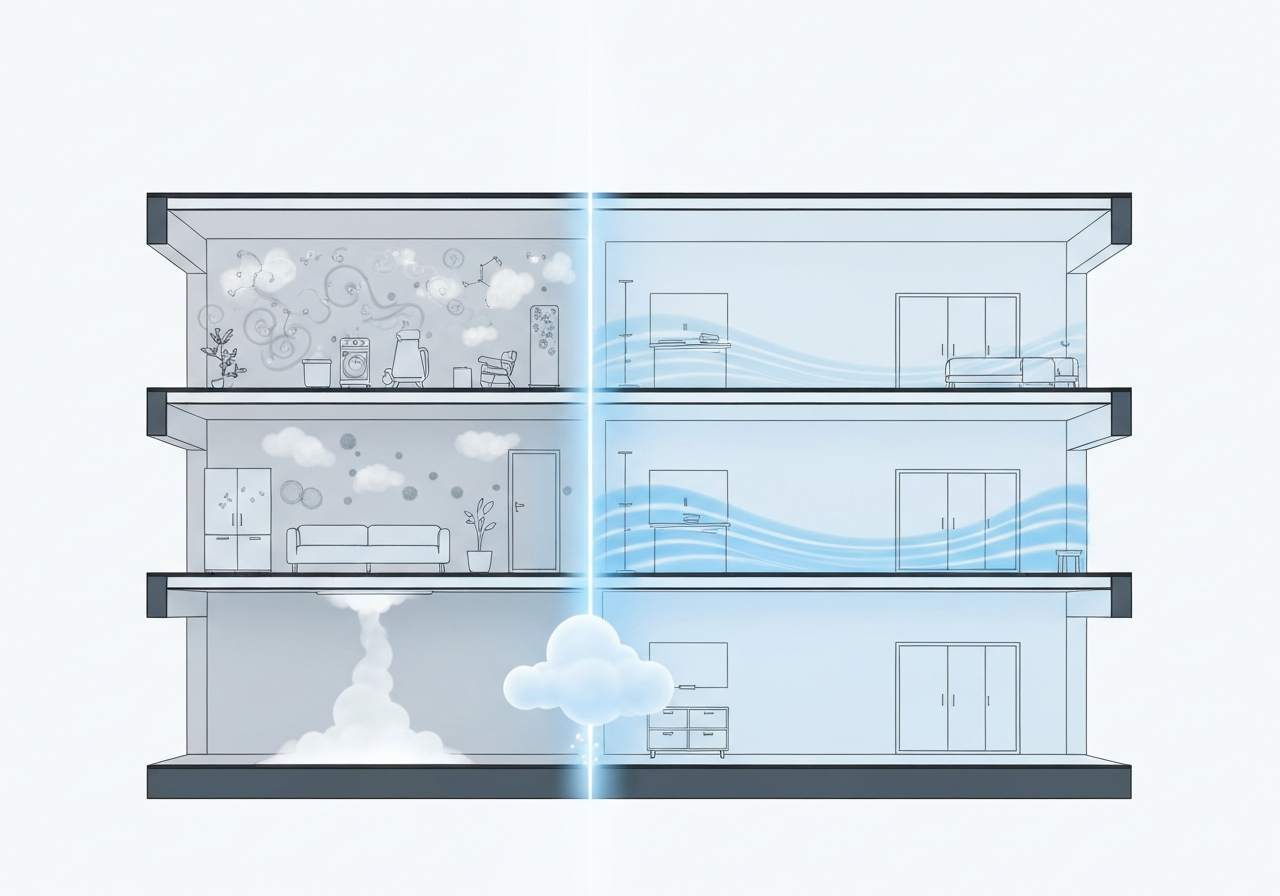
The Hidden World Within: Understanding Your Indoor Air Environment
Many of us tend to think of air pollution as a concern primarily outside our homes and workplaces. However, the air within our buildings, where we spend an estimated 90% of our time, plays a crucial role in our overall well-being. Understanding what is indoor air quality (IAQ) is paramount, as indoor air can often be two to five times, and sometimes even up to 100 times, more polluted than outdoor air.
This “hidden world within” significantly impacts our health, comfort, and productivity. From homes and schools to offices and other structures, the quality of this indoor environment directly influences how we feel and function daily.
What is Indoor Air Quality? Defining the Essentials for Health and Comfort
Indoor Air Quality refers to the characteristics of the air inside and around buildings and structures, specifically how it relates to the health and comfort of the occupants. It’s a dynamic and complex interaction of various factors, including the presence of airborne contaminants, temperature, and humidity levels.
Good IAQ is characterized by:
- Comfortable temperature and humidity levels.
- An adequate supply of fresh outdoor air to dilute indoor pollutants.
- Effective control of pollutants originating from both inside and outside the building.
Achieving optimal indoor air quality means ensuring that there are no known contaminants at harmful levels, thereby preventing discomfort and potential health issues for those within the space.
Common Culprits: Sources of Indoor Air Pollutants in SC and NC Properties
Various factors contribute to poor indoor air quality in properties across South Carolina and North Carolina. These pollutants can originate from inside the building, penetrate from the outdoors, or result from human activities within the space. Key sources include:
- Combustion Products: Appliances and activities that burn fuel can release harmful byproducts. These include:
- Tobacco smoke (including secondhand and thirdhand smoke).
- Unvented kerosene and gas space heaters.
- Fireplaces and woodstoves.
- Gas stoves and ovens.
- Malfunctioning furnaces or water heaters.
Common pollutants from these sources include carbon monoxide, nitrogen dioxide, sulfur dioxide, and particulate matter.
- Volatile Organic Compounds (VOCs): These are gases emitted from various solids and liquids, often at concentrations up to ten times higher indoors than outdoors. Sources include:
- Paints, varnishes, and lacquers.
- Cleaning supplies and disinfectants.
- New flooring, upholstery, and carpets.
- Pressed wood products (e.g., particleboard, medium-density fiberboard) containing formaldehyde.
- Personal care products, air fresheners, and hobby supplies.
- Biological Contaminants: These are living organisms or their byproducts that thrive in indoor environments, especially with excess moisture. They include:
- Mold and mildew (often due to dampness, leaks, or high humidity).
- Dust mites (flourish in high humidity, found in carpets, bedding, upholstery).
- Pet dander, saliva, and urine.
- Pollen that infiltrates from outdoors.
- Bacteria and viruses (spread by occupants and through HVAC systems).
- Cockroaches and their allergens.
- Naturally Occurring Pollutants:
- Radon: A colorless, odorless radioactive gas that seeps from the ground into buildings through cracks in foundations. It is a leading cause of lung cancer among non-smokers.
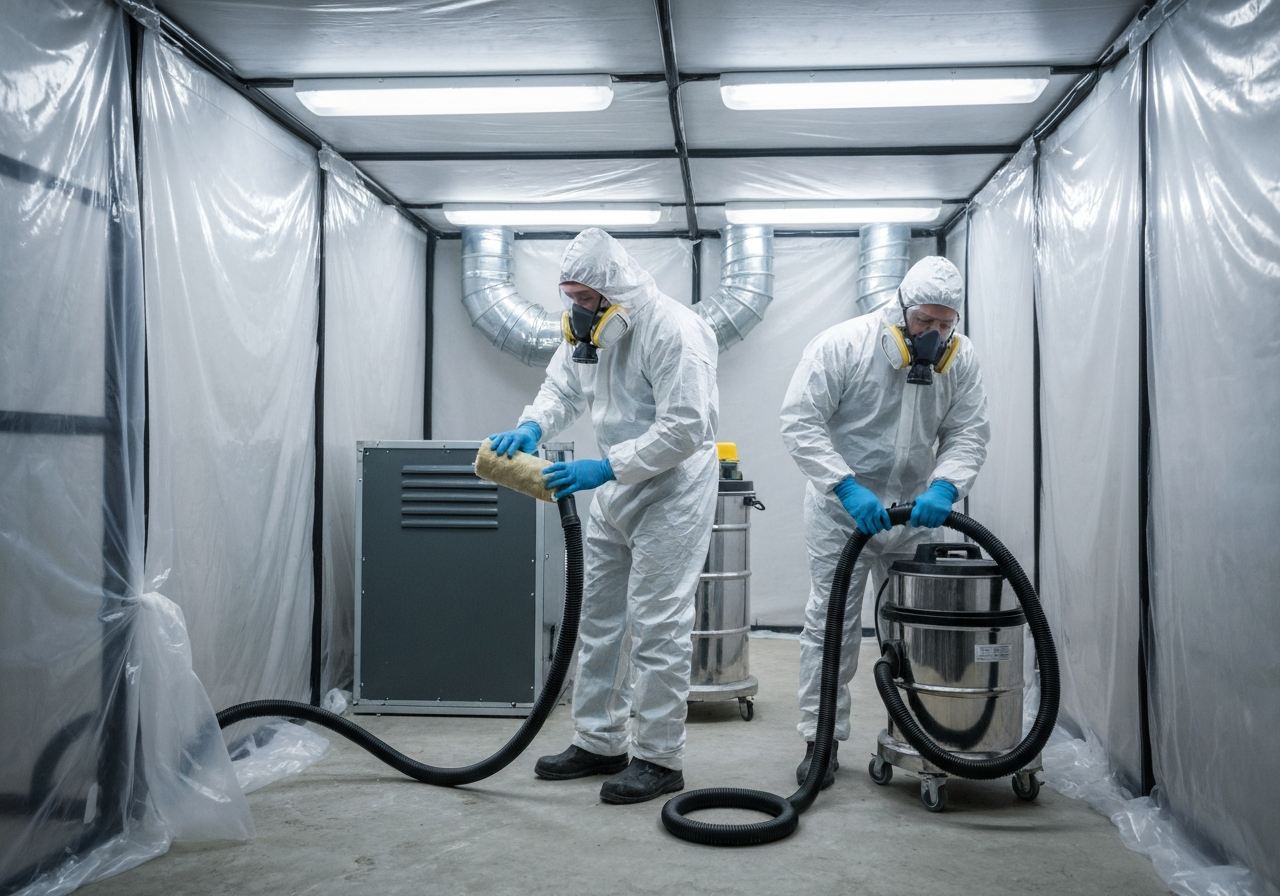
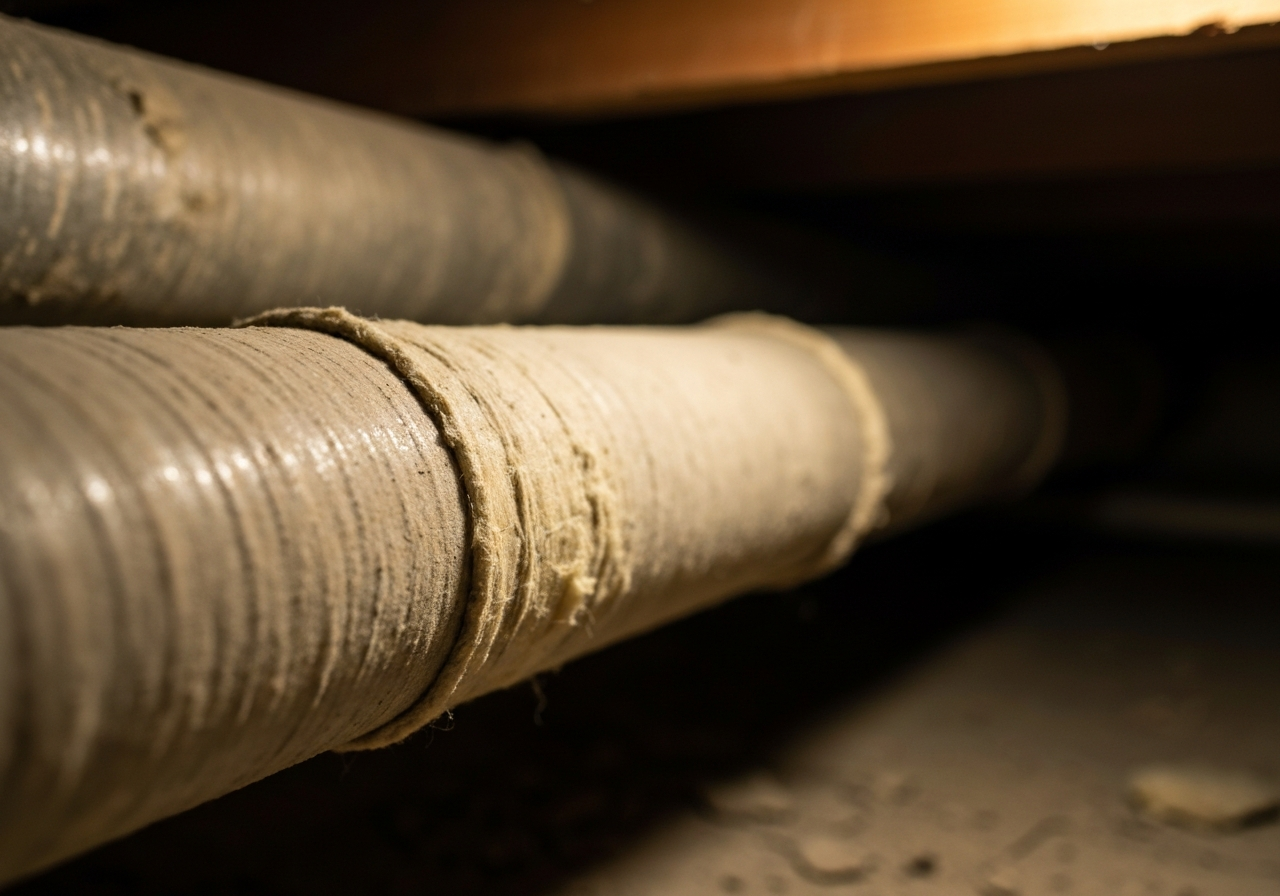
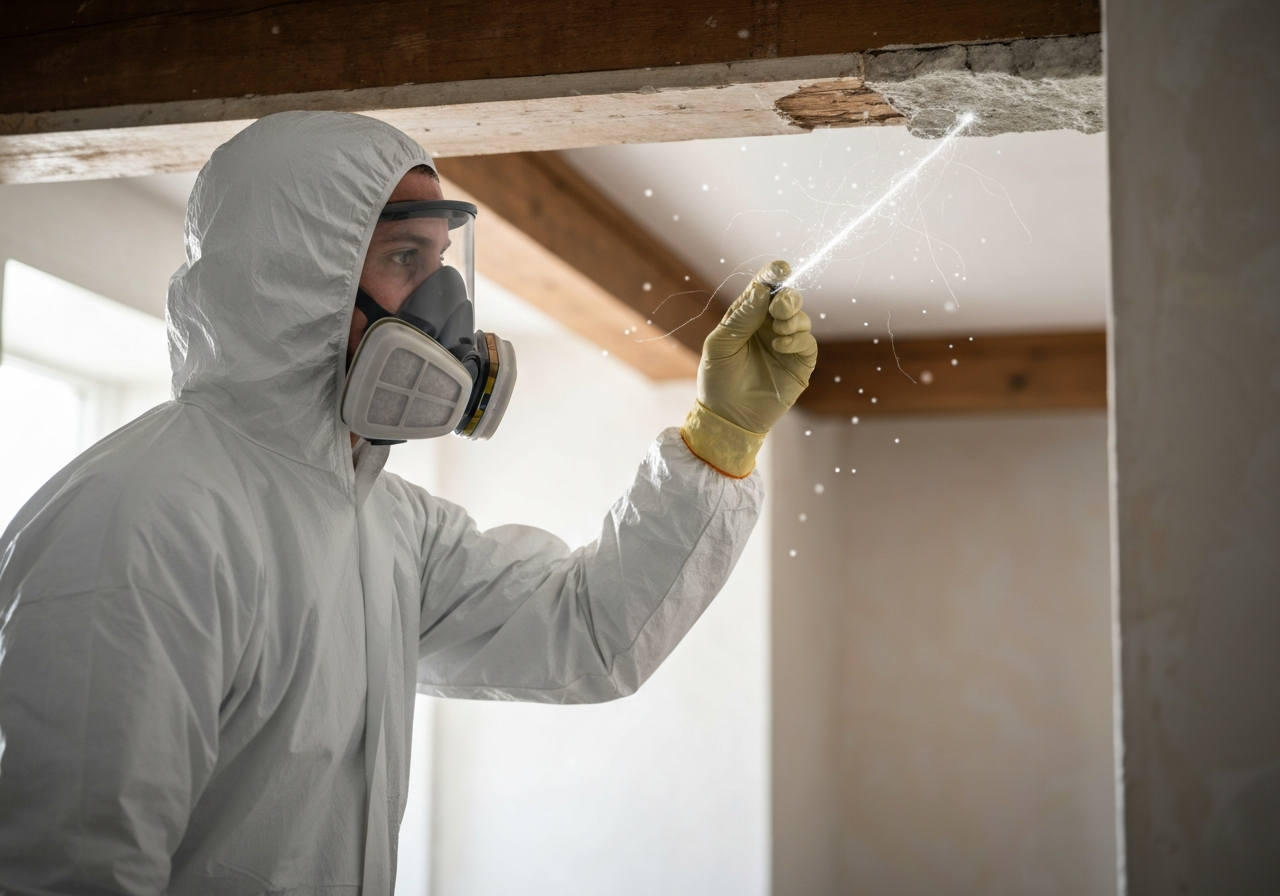
- Asbestos: Fibers found in older building materials (insulation, floor tiles, shingles) that become airborne when disturbed, posing a severe cancer risk.
- Outdoor Air Pollution: Pollutants from outside, like vehicle exhaust, industrial emissions, or wildfire smoke, can infiltrate buildings through open windows, doors, and ventilation systems, especially in urban areas.
Each of these culprits contributes to a complex mix of airborne substances that can negatively impact indoor air quality, making continuous vigilance and control essential.
Beyond the Obvious: How Ventilation, Humidity, and Temperature Impact IAQ
Beyond identifying specific pollutants, the fundamental environmental conditions within a building—namely ventilation, humidity, and temperature—profoundly shape the overall indoor air quality.
The Role of Ventilation
Ventilation is the process of introducing outdoor air into a building and removing indoor air. It’s crucial for diluting and exhausting indoor pollutants. Inadequate ventilation, often found in energy-efficient but poorly managed buildings, allows contaminants to accumulate to harmful levels. Outdoor air enters and leaves a building through:
- **Infiltration:** Air flows through unintentional openings, cracks, and joints in the building envelope.
- **Natural Ventilation:** Air movement through open windows and doors, driven by temperature differences and wind.
- **Mechanical Ventilation:** Systems like fans and ductwork actively remove indoor air and distribute filtered outdoor air.
Advanced strategies, like demand-controlled ventilation, use sensors to adjust airflow based on occupancy and indoor CO2 levels, balancing energy efficiency with air quality. Hybrid systems combine natural and mechanical methods to optimize both.
The Double-Edged Sword of Humidity
Indoor humidity levels are often overlooked but have a significant impact on IAQ and health:
- **High Humidity (above 60% RH):** Creates an ideal breeding ground for mold, dust mites, bacteria, and viruses. This exacerbates allergies and respiratory issues. It can also lead to moisture damage within building materials.
- **Low Humidity (below 30-40% RH):** Especially prevalent during cold winter months when dry outdoor air is heated, low humidity can lead to dry skin, irritated eyes, and respiratory discomfort. Research suggests that extremely dry air can increase the survival and transmission of airborne viruses like influenza, impacting public health more than generally recognized.
Maintaining relative humidity within an optimal range, typically 30-60%, is essential for comfort and health.
Temperature’s Subtle Influence
While often associated with thermal comfort, indoor temperature also affects IAQ in less obvious ways:
- High indoor temperatures can accelerate the off-gassing of volatile organic compounds (VOCs) from building materials and furnishings, increasing their concentration in the air.
- Temperature influences occupant behavior; for example, opening windows to cool a space might inadvertently bring in outdoor pollutants.
The interplay of these environmental factors creates a complex indoor atmosphere. Addressing IAQ effectively requires a holistic approach that considers how ventilation, humidity, and temperature interact to influence the presence and impact of pollutants.
Your Health at Risk: The Immediate and Long-Term Effects of Poor IAQ
Poor indoor air quality poses a significant threat to human health, manifesting in a range of symptoms from immediate discomfort to severe, long-term diseases. Recognizing these effects is crucial for understanding the importance of maintaining a healthy indoor environment.
Immediate Health Effects
Many individuals experience symptoms soon after exposure to indoor air pollutants. These acute effects are often vague and can mimic common illnesses, making diagnosis challenging:
- Irritation of the eyes, nose, and throat.
- Headaches, dizziness, and fatigue.
- Shortness of breath, coughing, and sneezing.
- Aggravation of existing respiratory conditions like asthma and allergies.
These symptoms are frequently associated with “sick building syndrome,” where occupants experience general malaise that subsides upon leaving the affected building. Vulnerable populations, such as children, the elderly, and individuals with pre-existing cardiovascular or respiratory diseases, are often more susceptible to these immediate reactions.
Long-Term and Severe Health Consequences
Prolonged or repeated exposure to indoor air pollutants can lead to serious and debilitating health issues that may not appear until years after initial exposure:
- Respiratory Diseases: Chronic exposure can contribute to the development or worsening of asthma, chronic obstructive pulmonary disease (COPD), and various respiratory infections. Mold and dampness are particularly strong triggers for asthma and allergies.
- Cardiovascular Disease: Research indicates links between exposure to fine particulate matter and ozone and an increased risk of heart disease and stroke.
- Cancer: Several indoor pollutants are known carcinogens. Radon is the second leading cause of lung cancer in the United States and the primary cause among non-smokers. Asbestos exposure, typically from disturbed older building materials, can lead to lung cancer, asbestosis, and mesothelioma decades later. Tobacco smoke, even secondhand, is a significant contributor to lung cancer and other chronic illnesses.
- Cognitive Impairment: Studies suggest that poor indoor air quality, including high levels of carbon dioxide and VOCs, can impair cognitive function, affecting concentration, decision-making, and overall productivity in both children and adults.
The cumulative impact of these exposures underscores why effective indoor air quality management is not just about comfort, but a fundamental aspect of public health and long-term well-being.
Protecting Your Investment: When to Seek Professional Help for IAQ Concerns
While many indoor air quality issues can be addressed with straightforward interventions, certain situations warrant the expertise of a professional to safeguard both your health and your property investment.
Consider seeking professional help if:
- Persistent Symptoms: Occupants consistently experience health symptoms (e.g., respiratory issues, headaches, fatigue, eye/throat irritation) that improve when away from the building and return upon re-entry. If symptoms are severe, such as widespread breathing difficulties or sudden onset of dizziness/nausea (which could indicate carbon monoxide poisoning), seek immediate emergency assistance.
- Unknown Sources: You suspect an IAQ problem but cannot identify the source of pollution or odor. Professionals have specialized equipment and knowledge to pinpoint hidden contaminants.
- Visible Mold Growth or Water Damage: While small mold spots can often be managed by homeowners, extensive mold growth, especially after significant water intrusion (flooding, persistent leaks), requires professional remediation to prevent recurrence and health risks.
- Hazardous Materials Concerns: If you suspect the presence of radon, asbestos, or lead, professional testing is essential. These substances pose severe, long-term health risks and require specialized handling for safe assessment and mitigation. For instance, radon levels above 4.0 pCi/L should be addressed by mitigation specialists.
- Ineffective DIY Solutions: You’ve attempted to improve IAQ through increased ventilation, cleaning, or source removal, but symptoms or issues persist.
- Widespread Complaints: In workplaces or multi-unit dwellings, multiple occupants reporting similar symptoms or concerns point to a systemic IAQ problem that requires a comprehensive investigation.
Professional indoor air quality investigations often involve a multi-faceted approach, including a detailed walk-through inspection, analysis of occupant complaints, assessment of HVAC system performance, and targeted air testing for specific pollutants. This systematic approach ensures accurate identification of problems and the development of effective, lasting solutions, ultimately protecting the health of occupants and the value of your property.
Piedmont Quality Air: Your Partner in Achieving Optimal Indoor Air Quality
At Piedmont Quality Air, we understand that a healthy indoor environment is not a luxury, but a necessity. Serving properties across South Carolina and North Carolina, we are dedicated to helping you achieve and maintain optimal indoor air quality. Our expertise is rooted in a deep understanding of the complex interactions between building systems, environmental factors, and occupant well-being.
We believe that every home and business deserves air that promotes health, comfort, and peace of mind. By focusing on comprehensive solutions tailored to your unique needs, Piedmont Quality Air helps identify and address potential pollutants, ensuring your indoor spaces are safe and restorative. Protecting your indoor environment is an investment in your family’s health and the longevity of your property.
Breathe Easier: Taking Action for a Healthier Indoor Environment
Improving and maintaining healthy indoor air quality is an ongoing process that involves a combination of strategies. By implementing these actionable steps, you can significantly reduce your exposure to harmful pollutants and create a healthier indoor environment for everyone.
1. Control Sources of Pollution
- Eliminate Tobacco Smoke: Absolutely no smoking or vaping indoors. This is one of the most impactful steps you can take to improve IAQ.
- Choose Low-Emitting Products: When purchasing new furniture, mattresses, carpets, or building materials, look for low-VOC (Volatile Organic Compound) or formaldehyde-free options. Allow new items to off-gas in a well-ventilated area before bringing them indoors.
- Mindful Cleaning: Minimize the use of harsh chemical cleaners. Opt for less toxic, unscented, or natural cleaning products. Ensure adequate ventilation when cleaning, painting, or using any products that release fumes. Store chemicals in a separate, well-ventilated area, like a garage or shed.
- Proper Appliance Maintenance: Regularly inspect and maintain fuel-burning appliances such as gas stoves, furnaces, water heaters, and fireplaces. Ensure they are properly vented to the outside. Never use cooking stoves to heat your home or operate fuel-powered generators indoors.
- Pest Management: Use integrated pest management techniques rather than chemical sprays and foggers. Seal cracks and crevices, eliminate food and water sources, and reduce clutter to make your home less appealing to pests.
2. Enhance Ventilation
- Increase Fresh Air Intake: Open windows and doors whenever outdoor air quality and weather conditions permit. This helps dilute indoor pollutants.
- Utilize Exhaust Fans: Run kitchen exhaust fans when cooking and bathroom fans when showering or bathing to remove moisture and pollutants at their source. Ensure these fans are properly vented outside.
- Maintain HVAC Systems: Follow a regular maintenance schedule for your heating, ventilation, and air conditioning (HVAC) system. This includes professional servicing and routinely changing or cleaning air filters as per manufacturer recommendations.
- Consider Air-to-Air Heat Exchangers: In colder climates, these systems can provide fresh outdoor air while recovering heat from outgoing stale air, improving IAQ without excessive energy loss.
3. Improve Filtration and Air Cleaning
- High-Efficiency Filters: Install the highest-efficiency air filters (MERV 13 or higher, if compatible) that your HVAC system can handle. Replace them regularly.
- Portable Air Cleaners: Use portable air cleaners equipped with HEPA filters, especially in high-risk areas or rooms with poor ventilation. Avoid ozone-generating air cleaners, as ozone is a lung irritant.
- Indoor Plants: While their impact on overall IAQ may be modest, some houseplants like spider plants and peace lilies can help absorb certain airborne toxins and add to a healthier environment.
4. Manage Indoor Moisture and Humidity
- Fix Leaks Immediately: Promptly repair any water leaks in plumbing, roofs, or foundations to prevent moisture intrusion and subsequent mold growth.
- Control Humidity Levels: Aim to maintain indoor relative humidity between 30% and 60% year-round. Use dehumidifiers in damp areas like basements or crawlspaces, especially in humid climates, to prevent mold and dust mite proliferation. In dry conditions, use humidifiers to maintain optimal levels, especially important for respiratory health.
- Clean Up Spills: Address any water spills on floors, carpets, or furniture immediately and dry the area thoroughly.
5. Regular Cleaning and Maintenance
- Dust and Vacuum: Regularly dust surfaces with a damp cloth and vacuum carpets and upholstery with a HEPA-filtered vacuum cleaner to remove settled pollutants and allergens.
- Wash Bedding: Launder bedding and throw rugs weekly in hot water to eliminate dust mites and other allergens.
- Remove Shoes: Implement a “no-shoes indoors” policy to prevent outdoor contaminants like pesticides, pollen, and dirt from entering your living space.
6. Test for Hidden Hazards
- Radon Testing: Test your home for radon, especially if it’s an older property. Mitigation should be considered if levels exceed recommended limits.
- Carbon Monoxide Alarms: Install and regularly check carbon monoxide detectors, particularly near sleeping areas and fuel-burning appliances.
By actively managing these aspects of your indoor environment, you can take significant steps toward breathing easier and enjoying a healthier life in your home or workplace.
Concerned about your indoor air quality? Contact Piedmont Quality Air today for professional assistance and breathe easier.