Introduction: Safeguarding Your North Carolina & South Carolina Properties
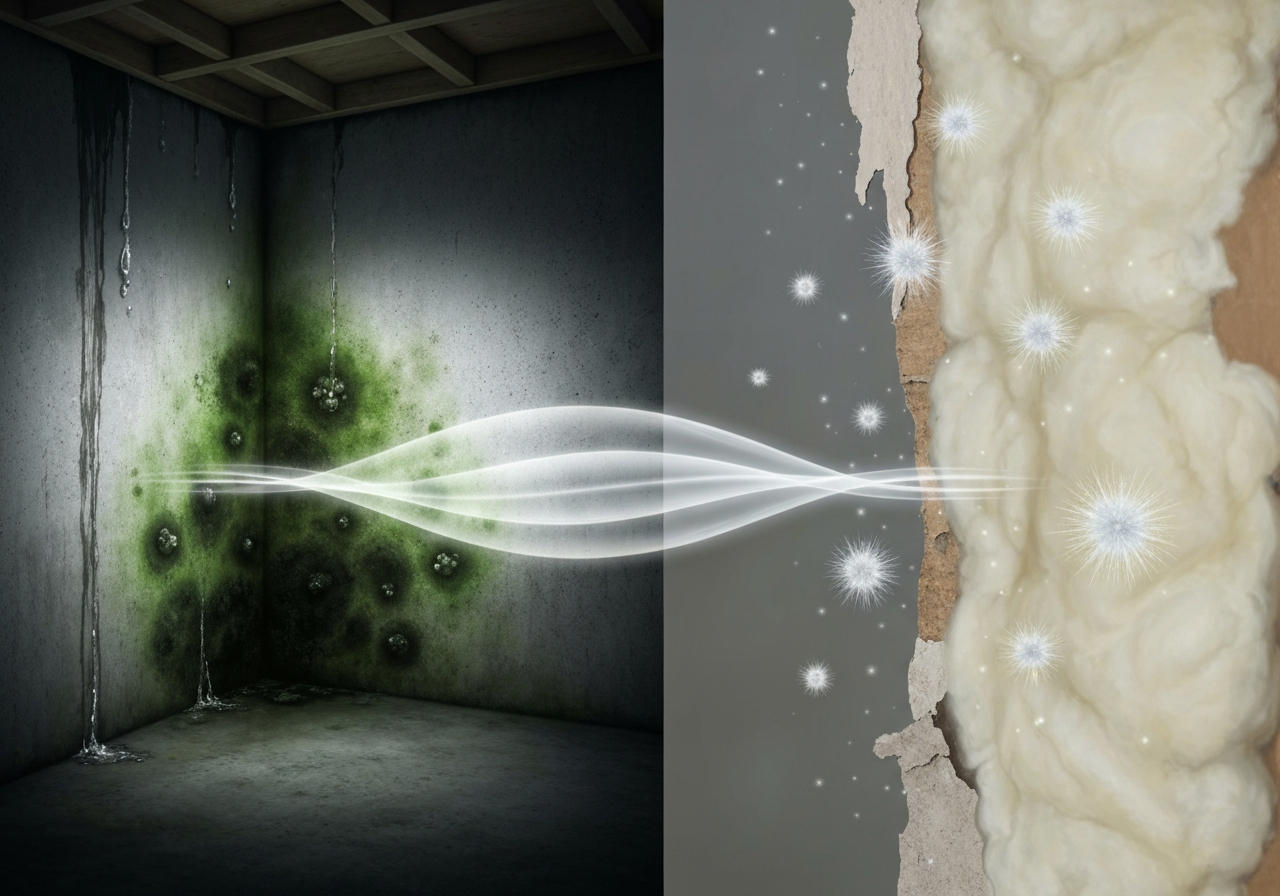
Property owners in North Carolina and South Carolina frequently face environmental challenges that demand expert attention. From the lingering dangers of asbestos in older structures to pervasive mold growth fueled by humid climates, ensuring a safe and healthy indoor environment is paramount. Comprehensive Asbestos Abatement, Mold Remediation & Removal services are crucial for mitigating these risks, protecting both inhabitants and property value.
Asbestos Abatement, Mold Remediation & Removal: Your Comprehensive Solution
Dealing with hazardous materials like asbestos and mold requires a specialized, integrated approach. These issues often co-exist or arise from similar underlying problems, such as water damage. Professional services offer a complete solution that identifies, contains, removes, and prevents recurrence of these dangerous contaminants.
For instance, after severe weather events like hurricanes or floods, properties in coastal regions of North and South Carolina are particularly vulnerable to both mold and disturbed asbestos. Expert post-hurricane asbestos mold remediation in SC is essential to address the unique challenges posed by widespread water damage and compromised building integrity. Similarly, post-flood asbestos mold remediation in South Carolina tackles the compounded risks that arise when floodwaters impact older structures.
Understanding the Asbestos Threat: Risks, Regulations, & Professional Abatement
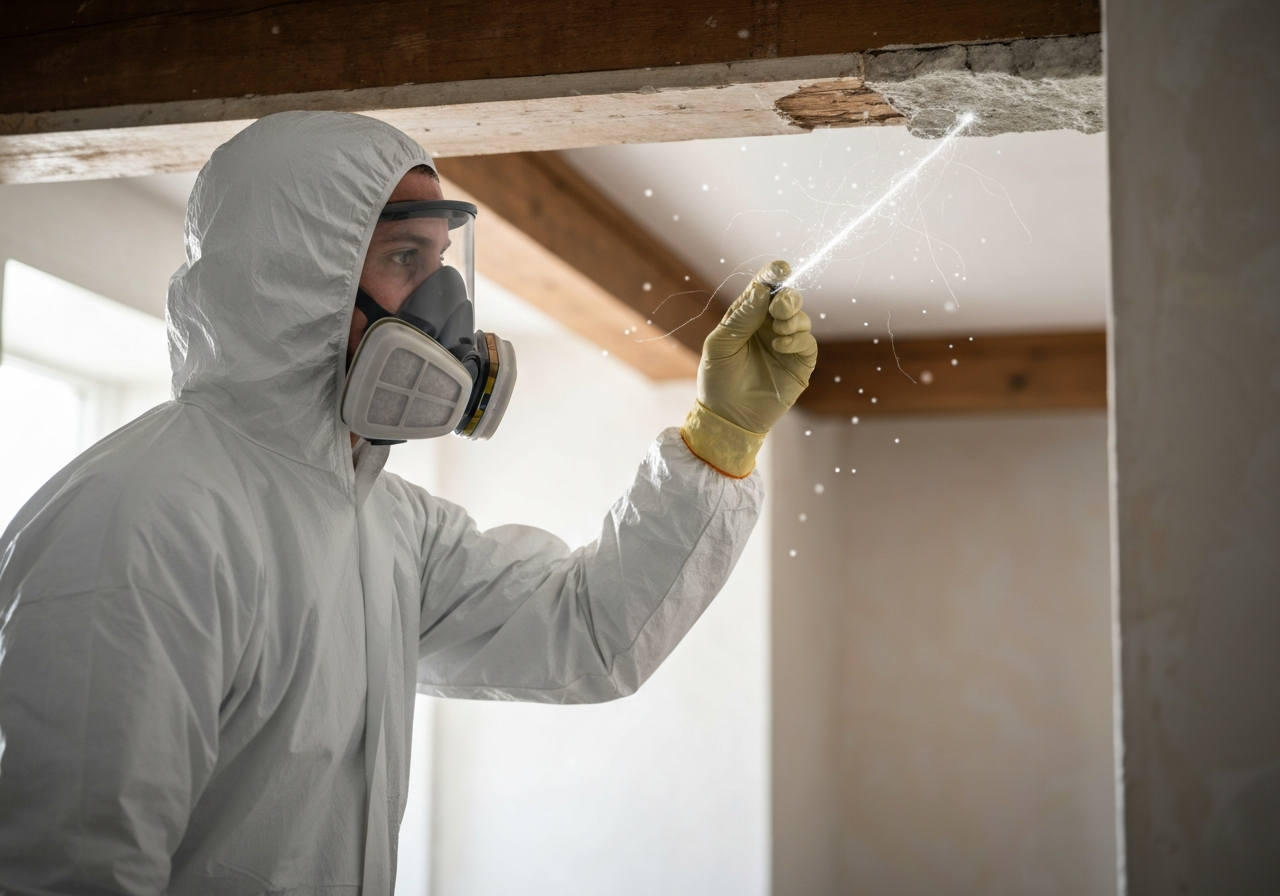
Asbestos, a naturally occurring mineral fiber, was widely used in construction due manufacturing before its severe health risks were fully understood. When asbestos-containing materials (ACMs) are disturbed, they release microscopic fibers into the air that can cause serious lung diseases, including asbestosis, lung cancer, and mesothelioma, often decades after initial exposure. There is no known safe level of asbestos exposure, making professional handling critical.
Health Risks of Asbestos Exposure
The health consequences of inhaling asbestos fibers are severe and long-lasting:
- Asbestosis: A chronic, non-cancerous respiratory disease caused by scarring of lung tissue.
- Lung Cancer: Asbestos exposure significantly increases the risk, particularly in smokers.
- Mesothelioma: A rare and aggressive cancer almost exclusively caused by asbestos exposure, with a latency period of 20 to 50 years.
Identifying Asbestos in Your Property
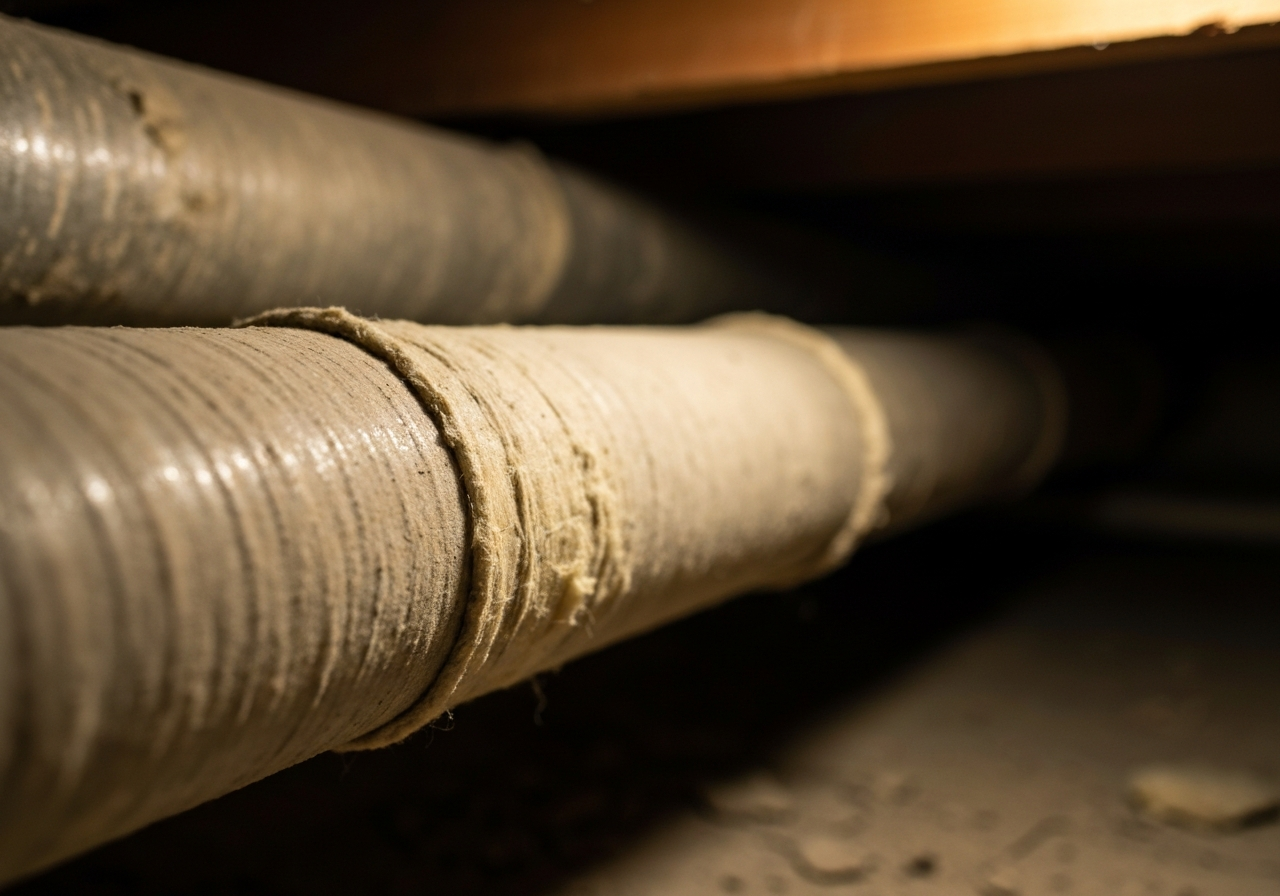
You cannot identify asbestos by visual inspection alone; specialized laboratory analysis is required. If your property was built before 1980, it’s safest to assume materials may contain asbestos if you plan any renovation or demolition work that could disturb them. Common suspect materials include:
- Pipe and boiler insulation
- Attic insulation (especially vermiculite)
- Textured ceiling finishes (popcorn ceilings)
- Vinyl floor tiles and sheet flooring
- Cement siding and roofing
- Drywall and joint compound
Always hire a certified asbestos inspector for assessment to avoid accidental fiber release.
Regulations and Professional Abatement
Asbestos abatement is heavily regulated at federal, state, and local levels to protect public health and workers. In North Carolina, understanding N.C. Asbestos Rules, Regulations & Ordinances is crucial, covering inspection, notification, work practices, and disposal. Similarly, in South Carolina, compliance with SCDES asbestos demolition regulations is paramount.
Federal regulations, such as the EPA’s National Emission Standards for Hazardous Air Pollutants (NESHAP) and OSHA’s asbestos standard (29 CFR 1926.1101), set the baseline. State agencies like the North Carolina Department of Health and Human Services (NCDHHS), North Carolina Department of Environmental Quality (NCDEQ), and the South Carolina Department of Environmental Services (SCDES) enforce and often enhance these requirements. For instance, individuals and companies performing asbestos work must be licensed and accredited by state agencies.
The abatement process itself involves rigorous steps:
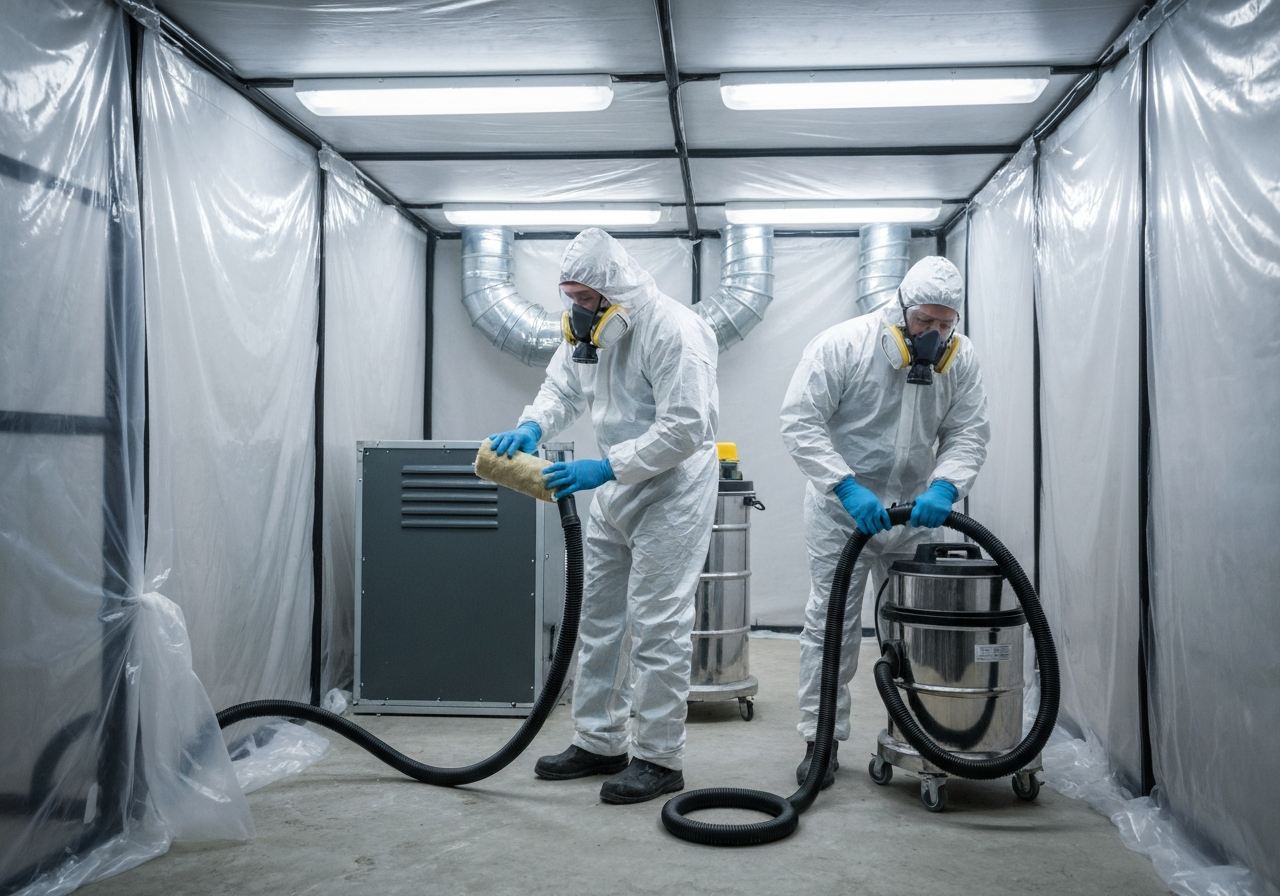
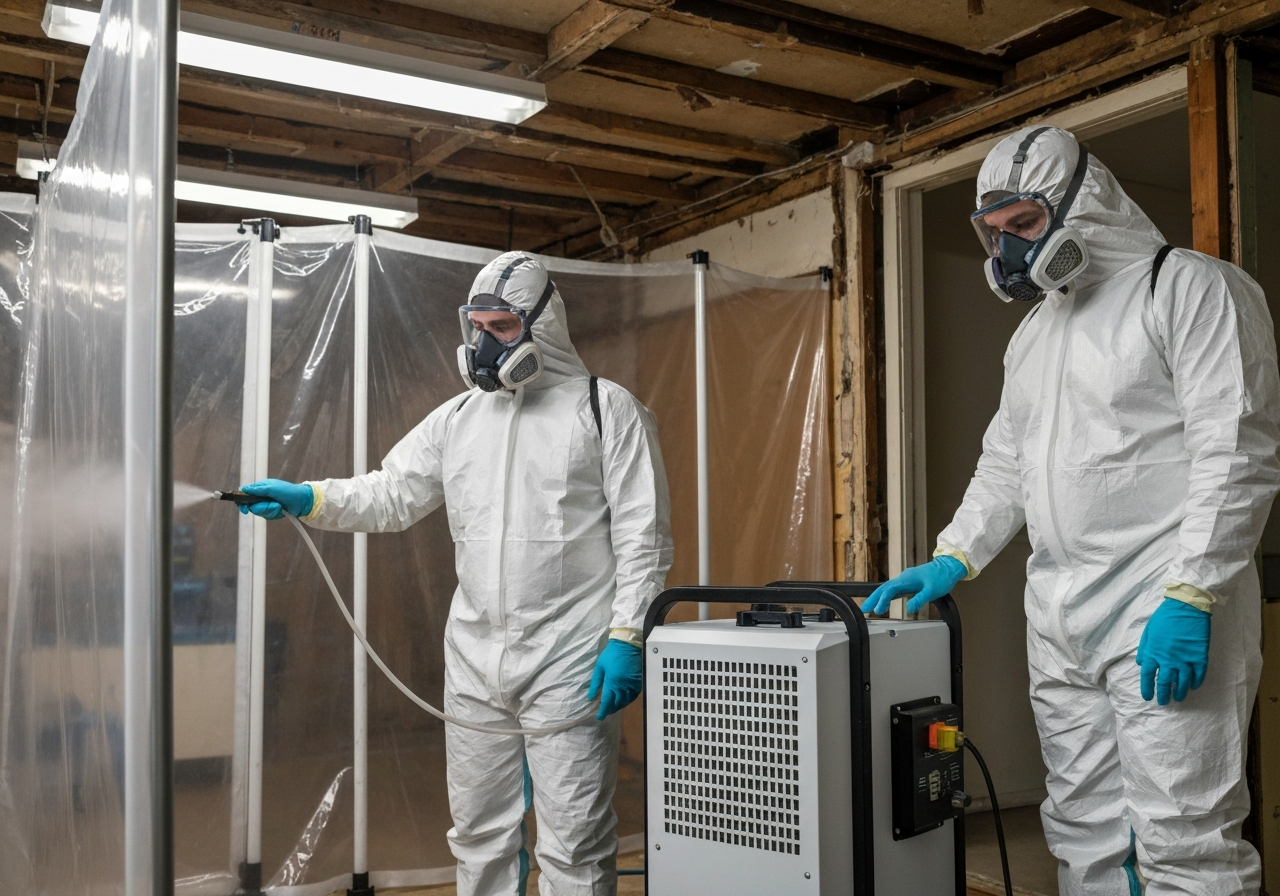
- Pre-abatement preparation: Establishing containment zones with negative air pressure and decontamination units.
- Worker protection: Use of full-body disposable suits, gloves, and HEPA-filtered respirators.
- Safe removal techniques: Wetting materials with amended water to minimize fiber release and carefully removing them into sealed, labeled waste bags.
- Final cleaning and clearance: Thorough HEPA-vacuuming and wet-wiping, followed by independent air sampling to confirm safe fiber levels.
Improper disposal of asbestos waste is illegal and can result in significant fines and liability, as mandated by EPA asbestos laws and regulations. All asbestos waste must be transported by licensed haulers to specially permitted landfills.
Conquering Mold: Identification, Remediation, and Long-Term Prevention in Your SC/NC Property
Mold is a common issue in humid climates like North and South Carolina. It thrives in damp conditions, indicating an underlying moisture problem that, if left unaddressed, can lead to significant health issues and structural damage. Effective mold remediation goes beyond simply cleaning visible mold; it demands addressing the root cause.
Identifying Mold and its Health Impacts
Mold often presents as discoloration or fuzzy patches (green, black, white, or orange) and frequently carries a distinct musty odor. It can grow in hidden areas such as behind walls, under flooring, or in HVAC systems. Exposure to mold spores can trigger various health problems, including:
- Allergic reactions (sneezing, runny nose, skin rash, asthma attacks)
- Respiratory issues (coughing, wheezing, difficulty breathing)
- Eye, nose, and throat irritation
Children, the elderly, and individuals with compromised immune systems are particularly vulnerable. The Centers for Disease Control and Prevention (CDC) provides guidance on safe mold cleanup, emphasizing caution for at-risk individuals.
Professional Mold Remediation
For extensive mold growth, particularly in crawl spaces or after significant water damage, professional mold remediation is essential. Piedmont Quality Air offers mold removal services in Charlotte, Concord, and Hickory, NC, as well as across South Carolina. The process generally includes:
- Assessment: A professional mold inspection in South Carolina identifies the extent of growth and, crucially, the underlying moisture source.
- Containment: Sealing off affected areas with physical barriers and negative air pressure to prevent spore spread.
- Moisture Source Rectification: Repairing leaks, improving ventilation, or waterproofing areas to eliminate the source of moisture. This is a critical, often overlooked step, as simply cleaning mold without addressing its cause guarantees its return.
- Mold Removal & Cleaning: Safely removing mold-infested materials and thoroughly cleaning non-porous surfaces with specialized antimicrobial agents.
- Drying & Dehumidification: Using industrial equipment to thoroughly dry the affected areas and reduce humidity levels.
- Post-Remediation Verification: A final inspection and potentially air testing confirm successful mold removal and safe air quality.
For commercial properties, acting fast is critical. Commercial mold remediation in South Carolina requires immediate attention to prevent operational disruptions, extensive damage, and heightened health risks.
Long-Term Mold Prevention
Preventing mold recurrence involves consistent moisture control:
- Control Humidity: Maintain indoor humidity between 30-50% using dehumidifiers, especially in basements and crawl spaces, common mold hotspots in SC.
- Address Leaks Promptly: Immediately repair any plumbing, roof, or window leaks.
- Ensure Proper Ventilation: Use exhaust fans in moisture-prone areas and ensure adequate airflow throughout your property.
- Dry Thoroughly: After any water intrusion, ensure affected areas and materials are dried within 24-48 hours.
- Regular Maintenance: Inspect and maintain HVAC systems, ensuring drain pans are clear and coils are clean to prevent mold growth and dispersal.
These proactive steps are essential for restoring and maintaining home value after mold and are far more cost-effective than reactive remediation.
Beyond Removal: Safe & Strategic Interior Demolition for Healthier Spaces
Often, hazardous material removal is a precursor to renovation or demolition. When significant amounts of asbestos or heavily mold-contaminated materials are present, interior demolition is necessary to fully address the problem and create a clean slate for future construction. This requires a strategic approach that prioritizes safety and compliance from the outset.
Piedmont Quality Air offers interior demolition services in Charlotte, Concord, and Hickory, NC, understanding that proper hazardous material removal must precede any structural alterations. This ensures that the demolition process itself doesn’t inadvertently spread contaminants or expose workers and the public to undue risks. Our integrated services ensure that removing hazardous materials is meticulously handled before any further demolition work begins, safeguarding the health of individuals and the structural integrity of the remaining space.
The most convincing evidence for credibility in hazardous material management is a perfect safety record achieved through unwavering adherence to established protocols and regulations. It’s not just about what you do, but how meticulously you do it, ensuring every fiber and spore is contained.
Why Choose Piedmont Quality Air: Local Expertise for North & South Carolina
Navigating the stringent regulations and complex procedures for Asbestos Abatement, Mold Remediation & Removal requires more than a general contractor; it demands a specialist with local expertise. Piedmont Quality Air is committed to ensuring the safety and health of your living and working environments across North and South Carolina. Our team comprises experienced and highly trained professionals who utilize specialized equipment and adhere to strict federal and state regulations for hazardous material removal.
- Regulatory Expertise: Deep understanding of all NC and SC state and federal asbestos and mold rules. This includes specific requirements from NCDHHS, NCDEQ, and SCDES.
- Certified Professionals: Our team consists of licensed and accredited asbestos abatement and mold remediation specialists.
- Advanced Equipment: We use industry-standard tools and containment systems, such as HEPA-filtered air filtration devices and negative air pressure, to minimize risk and ensure thorough cleanup.
- Comprehensive Services: From initial inspection and testing to full-scale removal, cleaning, and disposal, we handle every step of the process. For example, our asbestos removal services in Charlotte, NC, follow a precise method to ensure safety.
- Minimizing Disruption: We work efficiently to minimize impact on your daily operations or home life, even in occupied spaces like hospitals requiring specialized mold remediation.
Secure Your Property’s Health: Contact Piedmont Quality Air Today
The presence of asbestos or mold in your North or South Carolina property demands a proactive and informed approach. Prioritizing expert Asbestos Abatement, Mold Remediation & Removal is essential for protecting the health of your family, employees, or tenants, and for ensuring the long-term integrity and value of your investment. Do not underestimate the risks associated with these environmental hazards. Instead, empower yourself with knowledge and rely on the proven expertise of professionals.
By choosing Piedmont Quality Air, you ensure that any asbestos or mold challenges on your property are handled with the utmost professionalism, safety, and adherence to all applicable laws. Safeguard your property and well-being by prioritizing compliant and expert hazardous material management.
Protect your property and your health. If you suspect asbestos or mold, don’t wait! Contact Piedmont Quality Air today for expert abatement and remediation services in North and South Carolina.