Breathing Easy in the Queen City: Why Indoor Air Quality Matters for Charlotte Residents
For residents of Charlotte, NC, conversations about air quality often focus on outdoor conditions, with reports from organizations like the American Lung Association highlighting regional challenges with ozone and particle pollution. While outdoor air quality is undeniably important, what often goes overlooked is the air we breathe indoors, where we spend as much as 90% of our time. This makes effective Indoor Air Quality Testing Charlotte NC a critical service for safeguarding public health.
Unlike outdoor air, which is monitored by agencies like the North Carolina Division of Air Quality and reported via tools like the Air Quality Index (AQI), there are currently no federal, state, or local health standards or regulations specifically addressing air pollutant levels inside homes. This absence of direct oversight means homeowners are largely responsible for ensuring their indoor environments are healthy. Poor indoor air quality can lead to a range of health issues, from mild allergic reactions to severe respiratory diseases, making awareness and proactive testing essential.
The Hidden Dangers: Common Indoor Air Pollutants in Charlotte, NC
Your Charlotte home can harbor numerous pollutants that compromise indoor air quality. Many of these sources are often hidden and can build up to unhealthy concentrations due to inadequate ventilation, high temperatures, and elevated humidity, all common conditions in North Carolina. According to Mecklenburg County Air Quality, common indoor air pollutants include:
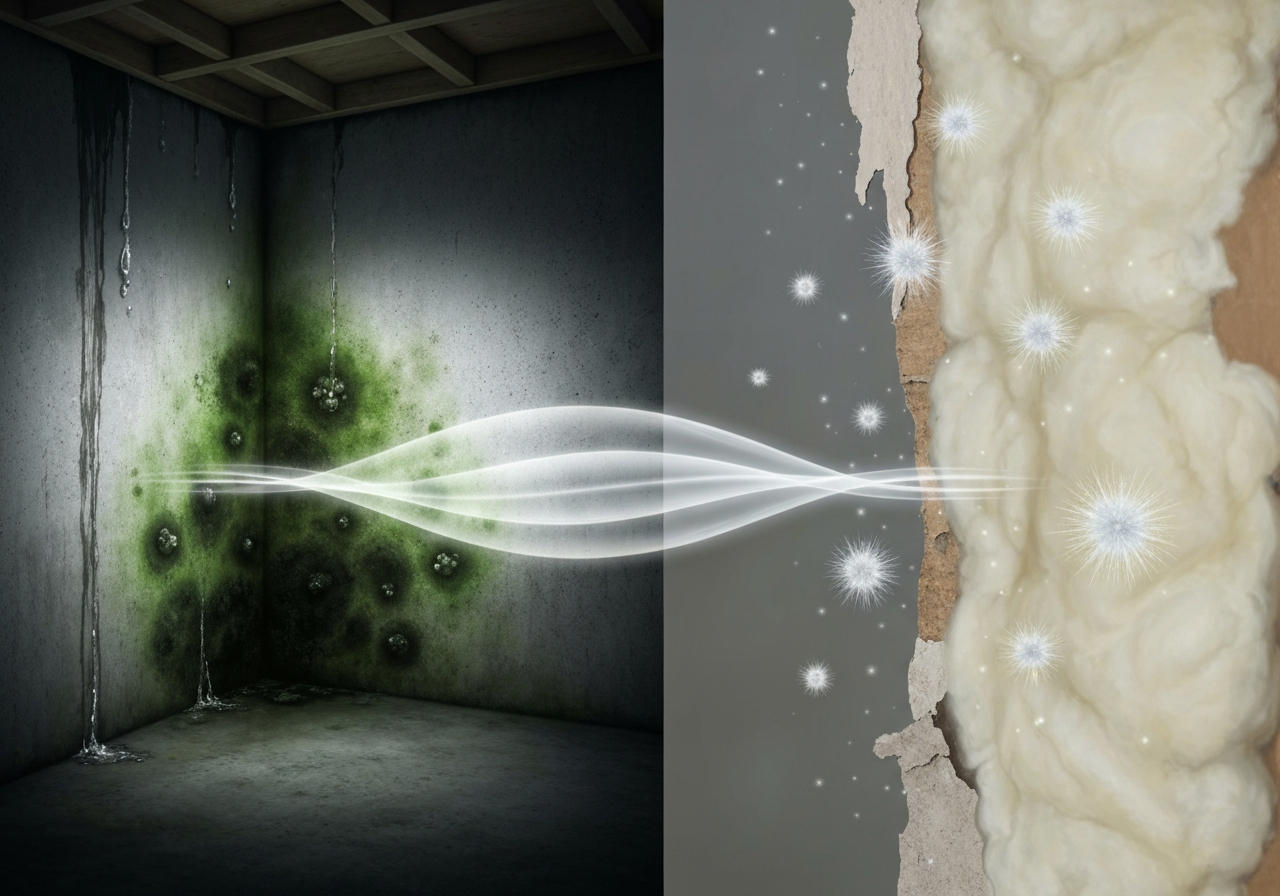
- Biological Contaminants: This category includes mold, bacteria, viruses, dust mites, and pet dander. Mold, in particular, thrives in damp, warm environments, releasing microscopic spores that can cause allergic reactions and respiratory irritation.
- Chemicals and VOCs: Household cleaners, pesticides, personal care products, and building materials (such as certain pressed wood products and paints) can emit volatile organic compounds (VOCs). These chemicals can contribute to a variety of short- and long-term health problems.
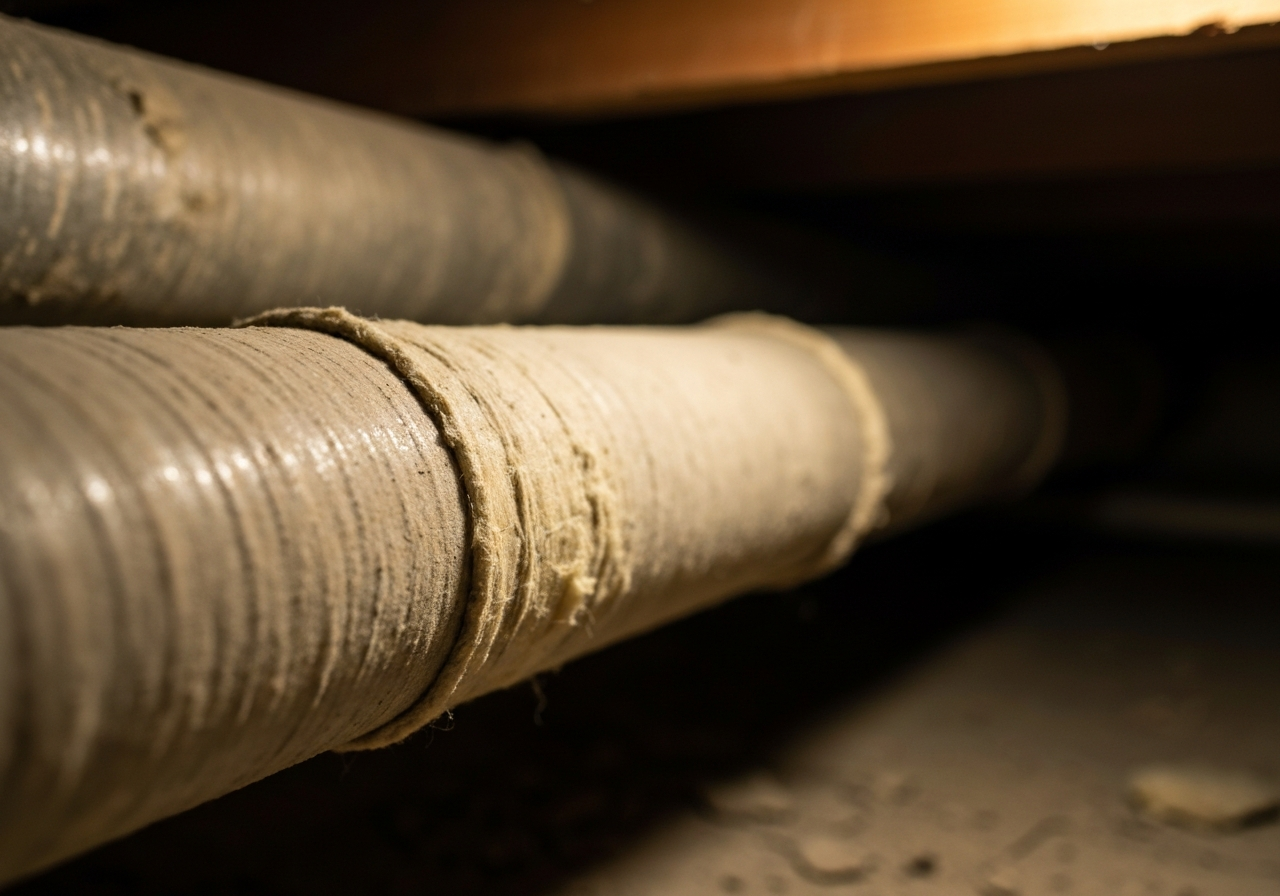
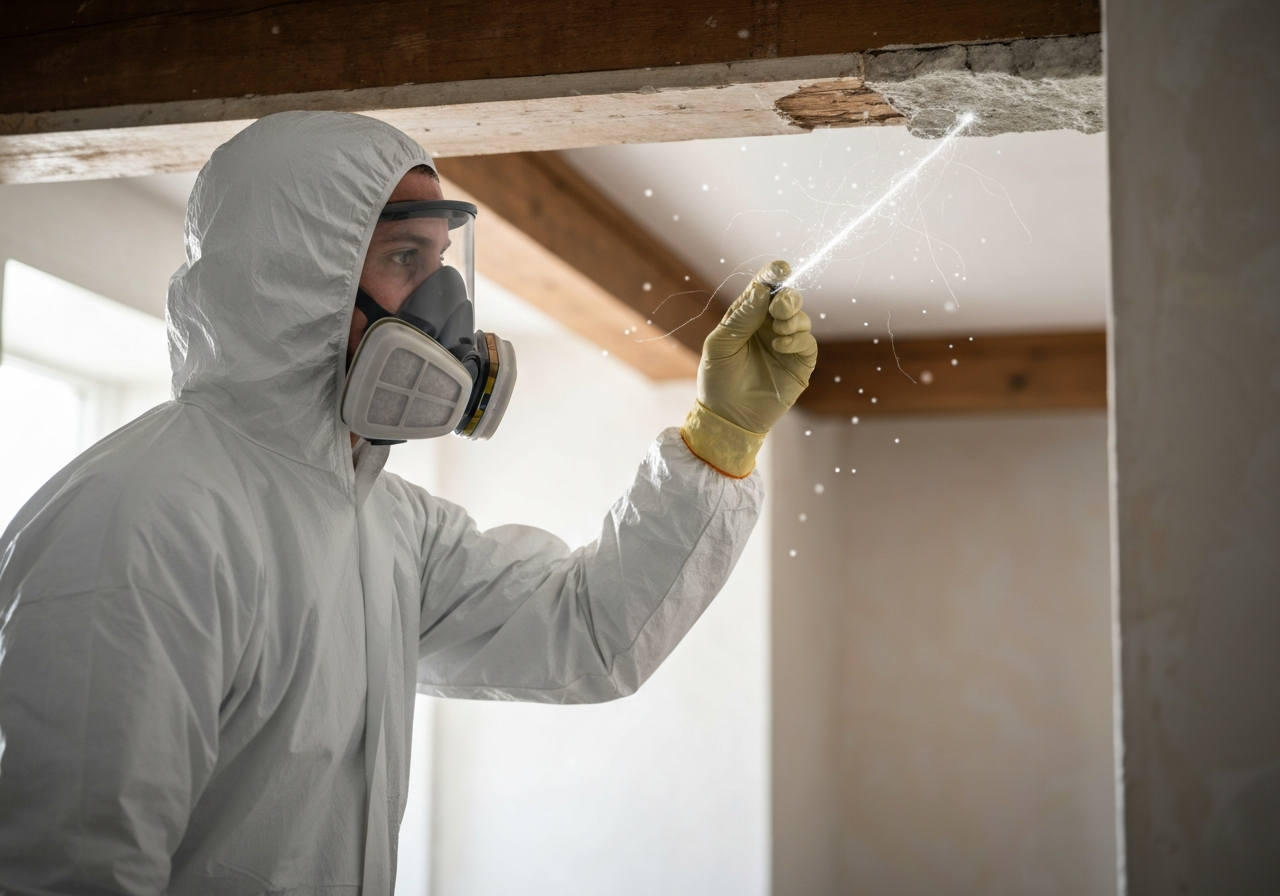
- Asbestos: Found in many older building materials and insulation, asbestos-containing materials can release dangerous fibers if disturbed, posing serious health risks including lung cancer and mesothelioma.
- Radon: A naturally occurring radioactive gas, radon can seep into homes from the soil and is a leading cause of lung cancer for non-smokers.
- Combustion By-products: Sources like gas stoves, fireplaces, and tobacco smoke can produce carbon monoxide, nitrogen dioxide, and particulate matter, all of which are harmful to respiratory health.
- Lead and Mercury: While less common as airborne pollutants, these heavy metals can be present in older homes and become a concern if disturbed.
Understanding these potential threats is the first step in creating a healthier indoor environment for your family.
Recognizing the Signs: When to Consider Indoor Air Quality Testing Charlotte NC
While some indoor air quality issues are immediately apparent, others can be subtle, leading to chronic discomfort or unexplained health problems. It’s crucial to be aware of the signs that suggest you might benefit from professional Indoor Air Quality Testing Charlotte NC. Consider testing if you notice any of the following:
- Unexplained Health Symptoms: Persistent allergies, asthma flare-ups, coughing, sneezing, irritated eyes, headaches, fatigue, or dizziness among residents without an apparent cause could point to indoor air pollutants. These symptoms often improve when individuals leave the home and worsen upon return.
- Persistent Odors: Musty, chemical, or unusual odors that don’t dissipate with cleaning or ventilation can indicate mold growth, off-gassing from building materials, or other hidden issues.
- Visible Mold Growth: Any visible mold on walls, ceilings, floors, or belongings is a clear indicator of a moisture problem and potential airborne mold spores.
- Excessive Dust: While dust is normal, an unusually rapid buildup might suggest poor filtration or high levels of airborne particulates.
- Recent Renovations or New Furnishings: New materials can release VOCs into the air, especially in the initial weeks or months after installation.
- Water Damage History: Flooding, leaks, or other incidents of water intrusion significantly increase the risk of mold and bacterial growth.
- Concerns about Asbestos or Lead: If you live in an older home and are planning renovations, or if you suspect materials containing asbestos are disturbed, testing is vital.
What Does Professional Indoor Air Quality Testing Involve?
Professional indoor air quality testing is a comprehensive process designed to identify specific pollutants and their sources. A thorough assessment typically involves:
- Initial Consultation: An expert will discuss your concerns, review the history of your home, and inquire about any symptoms experienced by occupants.
- Visual Inspection: A detailed walkthrough of your property to identify potential sources of contamination, signs of moisture, inadequate ventilation, or visible mold.
- Sampling: Depending on the suspected issues, various types of samples may be collected:
- Air Samples: To measure levels of airborne mold spores, particulate matter, VOCs, and other gases.
- Surface Samples: Swabs or tape lifts can be taken from suspicious surfaces to identify types of mold or other biological growth.
- Bulk Samples: Small pieces of materials (e.g., drywall, insulation) may be collected for laboratory analysis if asbestos or lead is suspected.
- Radon Testing: Specialized kits are used to measure radon levels over a specific period.
- Laboratory Analysis: Collected samples are sent to accredited laboratories for precise identification and quantification of pollutants.
- Detailed Report and Recommendations: You will receive a comprehensive report outlining the findings, identifying any contaminants, and providing actionable recommendations for remediation and improvement.
This systematic approach ensures that the root cause of any indoor air quality problems is accurately diagnosed, leading to effective solutions.
Piedmont Quality Air’s Expert Approach to Your Charlotte IAQ Concerns
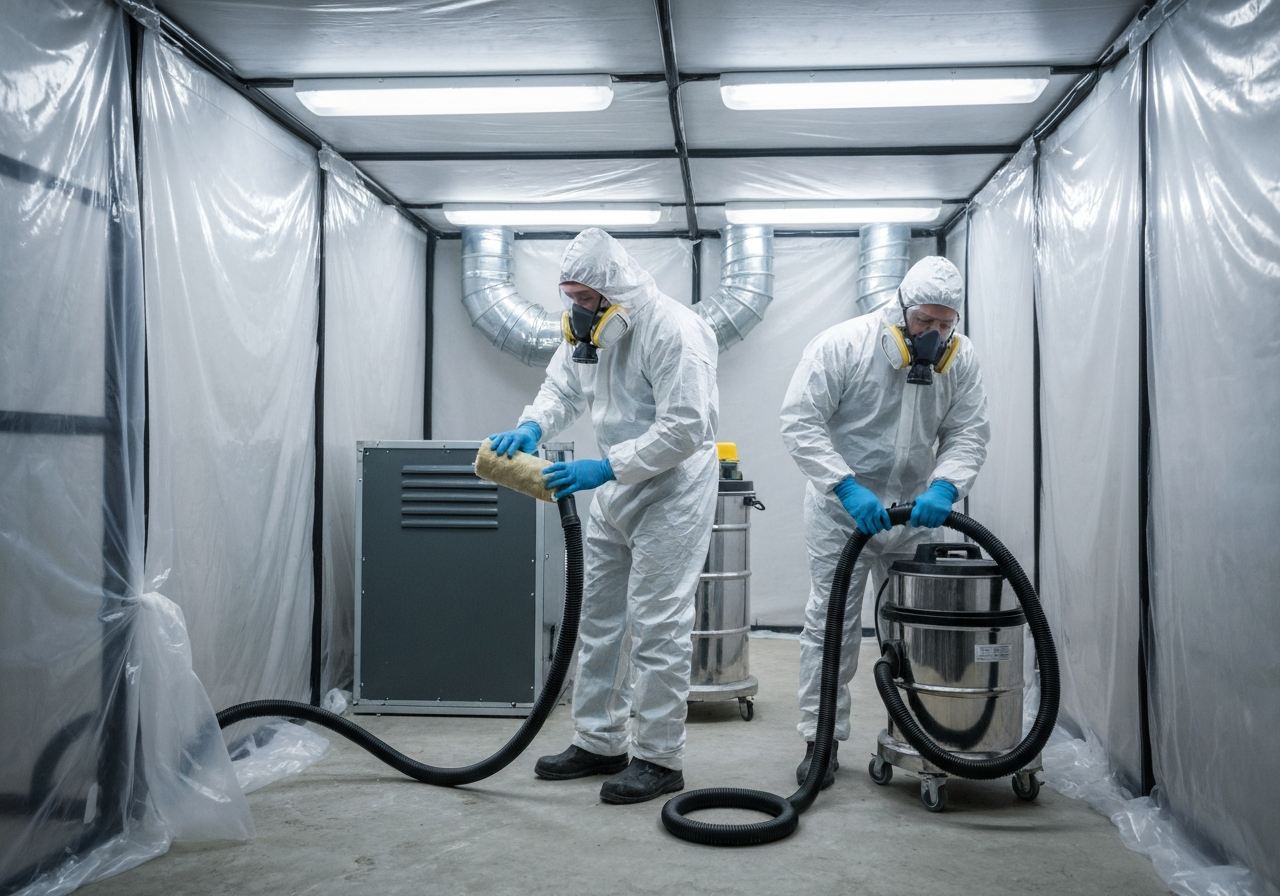
At Piedmont Quality Air, we understand the unique indoor air quality challenges faced by Charlotte residents. Our commitment to expertise and safety is reflected in our comprehensive approach to identifying and addressing environmental hazards. While our core services include expert mold removal and professional asbestos abatement, our foundational knowledge of indoor environmental quality allows us to provide thorough assessments for a healthier living space. We prioritize meticulous adherence to established protocols and regulations, ensuring every step is performed safely and effectively. This dedication to a perfect safety record gives our clients peace of mind.
We leverage years of experience in identifying potential hazards and employ rigorous safety protocols. Our team is trained in advanced techniques, utilizing specialized equipment to contain and remediate harmful substances. Whether you’re dealing with a specific concern like mold growth or require a general assessment of your indoor environment, Piedmont Quality Air offers reliable and authoritative insights.
Beyond Testing: Next Steps for a Healthier Indoor Environment
Once Indoor Air Quality Testing Charlotte NC is complete and any issues are identified, the next crucial step is remediation and implementing strategies for long-term improvement. Here are key actions to consider:
- Source Control: The most effective solution for many indoor air quality problems is to eliminate or reduce the sources of pollution. For instance, fixing plumbing leaks to prevent mold or choosing low-VOC products for renovations.
- Improve Ventilation: Increasing the amount of outdoor air coming indoors can significantly lower the concentration of indoor air pollutants. This can involve opening windows, using exhaust fans, or upgrading your HVAC system for better air exchange.
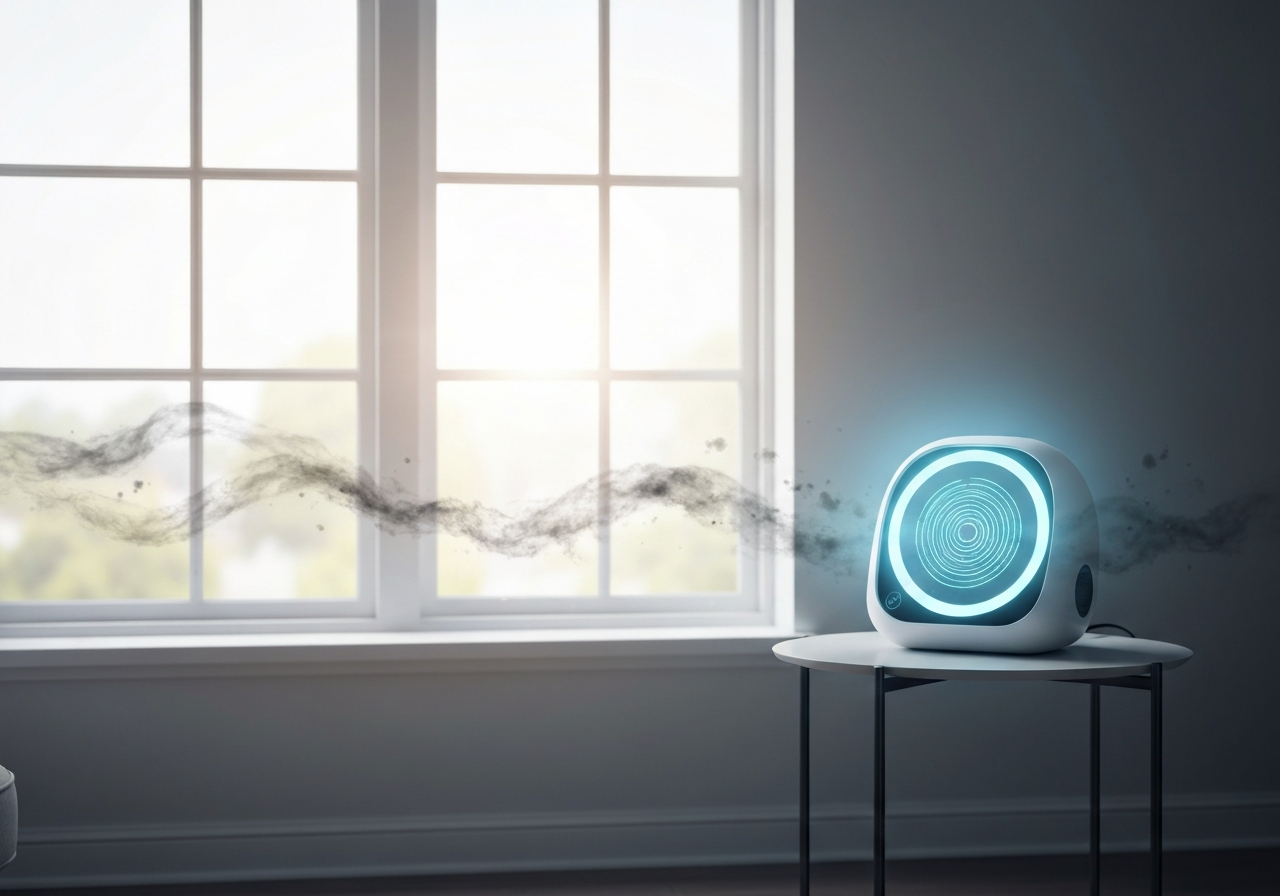
- Air Cleaners and Filtration: High-efficiency particulate air (HEPA) filters in air cleaners or HVAC systems can effectively capture airborne particulate pollutants, including dust, pollen, and some mold spores.
- Moisture Control: Controlling humidity levels (ideally between 30-50%) and promptly addressing any water leaks or dampness is vital to prevent mold and mildew growth.
- Professional Remediation: For significant issues like extensive mold infestations or disturbed asbestos, professional remediation services are essential. Experts ensure safe and complete removal, preventing further contamination. After storm damage, for example, professional cleanup is crucial to address potential asbestos hazards.
- Regular Maintenance: Routinely cleaning and maintaining your HVAC system, changing filters, and keeping your home clean can prevent pollutant buildup.
Protect Your Health: Schedule Your Free Indoor Air Quality Estimate Today
Your indoor environment should be a sanctuary, not a source of concern. Prioritizing Indoor Air Quality Testing Charlotte NC is a proactive step toward ensuring the health and well-being of everyone in your home or business. With the potential for various hidden pollutants, a professional assessment provides clarity and the pathway to effective solutions. Don’t compromise on the quality of the air you breathe daily.
For more information on improving your indoor air quality and to address any specific concerns you may have, Piedmont Quality Air is here to help. We are dedicated to providing reliable service and expert guidance to the Charlotte community. Visit our website for more details or to learn about the North Carolina asbestos rules and regulations that we meticulously follow.
Ready to ensure your indoor environment is a healthy sanctuary? Don’t wait for hidden pollutants to affect your well-being. Schedule your free indoor air quality estimate today with Piedmont Quality Air and breathe easier!